Art Deco Diamond Earrings: A Beginner's Style Guide
Discover how to identify, buy, and style authentic Art Deco diamond earrings. Learn about diamond cuts, platinum settings, and vintage pricing.

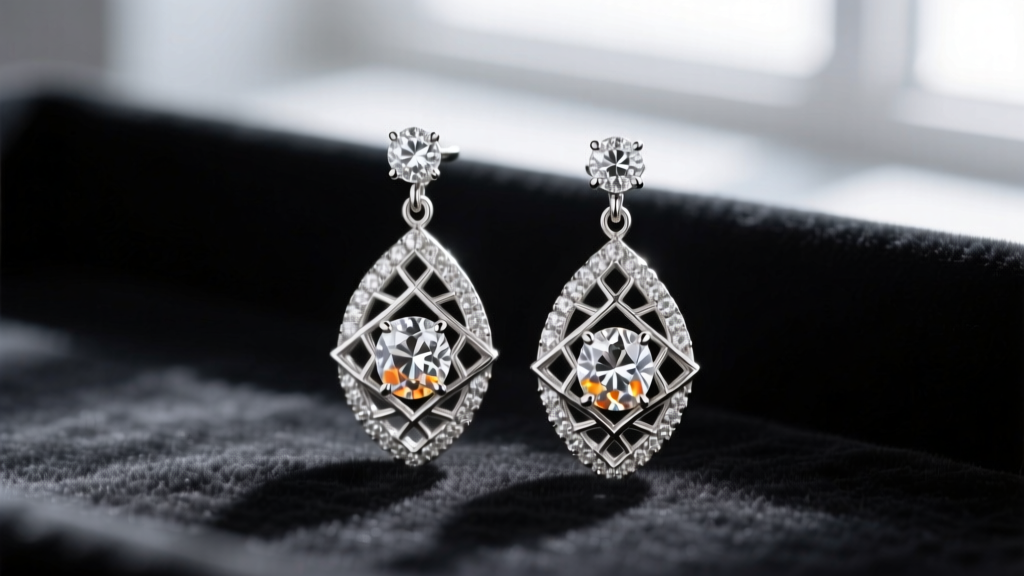
The Art Deco era (roughly 1920 to 1935) remains one of the most celebrated periods in jewelry history. Characterized by bold geometry, striking contrasts, and masterful metalwork, Art Deco diamond earrings offer a level of architectural glamour that modern mass-produced jewelry simply cannot replicate. For beginners stepping into the world of antique and vintage jewelry, navigating the market can feel overwhelming. How do you distinguish a true 1920s masterpiece from a modern reproduction? What diamond cuts actually belong in a Deco setting? This comprehensive guide breaks down everything you need to know to confidently buy, authenticate, and style Art Deco diamond earrings.
The Anatomy of Art Deco Diamond Earrings
Unlike the flowing, nature-inspired motifs of the preceding Edwardian and Art Nouveau eras, Art Deco design was heavily influenced by Cubism, the Bauhaus movement, and the discovery of King Tutankhamun’s tomb in 1922. The result was a radical shift toward symmetry, stepped forms, and stark visual contrasts.
Geometric Symmetry and Bold Contrasts
Authentic Deco earrings rely heavily on geometric shapes: triangles, trapezoids, chevrons, and stepped arches. Designers frequently paired the icy brilliance of diamonds with opaque, dark, or vividly colored accent stones. You will often see diamonds contrasted against black onyx, deep blue sapphire, vivid green emerald, or red coral. This high-contrast aesthetic is a hallmark of the era and a key indicator when evaluating a piece's design lineage.
The Right Diamond Cuts (Crucial for Authenticity)
The most common mistake beginners make is assuming that any diamond earring with geometric metalwork is "Art Deco." True vintage pieces will almost never feature modern Round Brilliant cut diamonds. Instead, look for these period-correct cuts:
- Old European Cut (OEC): The precursor to the modern round brilliant. OECs feature a high crown, a small table, and a large, open culet (the flat facet at the bottom). They emit a chunky, romantic sparkle rather than the sharp, splintery scintillation of modern stones.
- Old Mine Cut: A cushion-shaped antique cut with similar proportions to the OEC, often found in the center of 1920s cluster earrings.
- Asscher and Emerald Cuts: Step-cut diamonds were immensely popular for their "hall of mirrors" effect and clean, architectural lines.
- Baguette and Calibré-Cut Accents: Small, rectangular baguettes or custom-cut (calibré) stones were used to create seamless geometric halos and channel-set borders.
According to the Gemological Institute of America (GIA), the modern Round Brilliant cut did not reach its standardized 57-58 facet proportions until the mid-20th century. If a supposedly "vintage" Deco earring features laser-inscribed, perfectly proportioned modern brilliant cuts, it is either a modern reproduction or an antique setting that has been restoned.
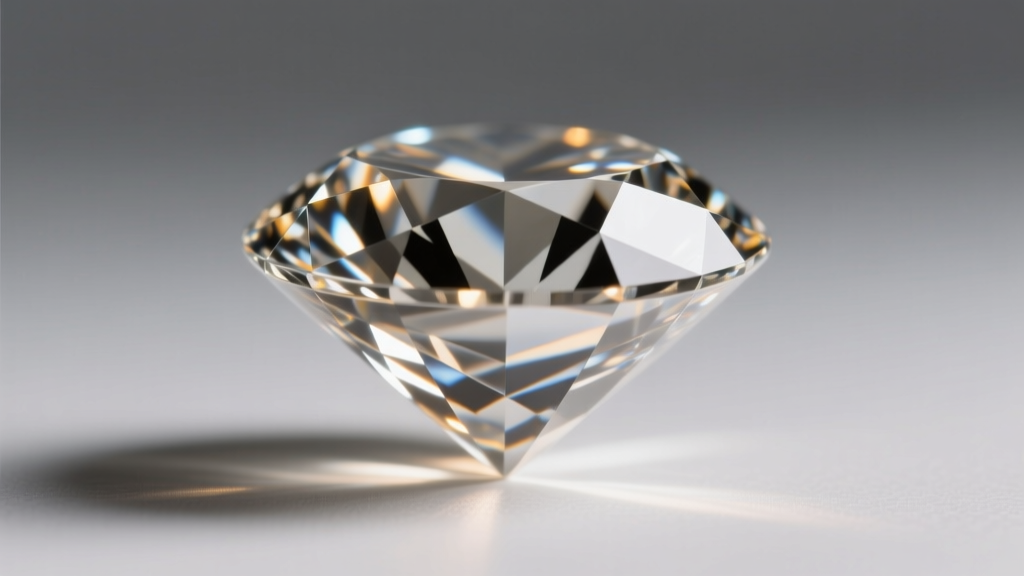
True Vintage vs. Modern Reproductions: A Buyer's Matrix
There is a thriving market for "Art Deco style" earrings made today. While modern reproductions can be beautiful and more budget-friendly, they should not be sold or priced as true antiques. Use this matrix to understand the differences before you buy.
| Feature | True Vintage (1920s-1930s) | Modern Reproduction (Deco-Style) |
|---|---|---|
| Primary Metal | Platinum (900 or 950 purity) | 14k or 18k White Gold (often rhodium plated) |
| Diamond Cuts | Old European, Old Mine, Antique Baguette | Modern Round Brilliant, Lab-Grown Step Cuts |
| Manufacturing Method | Die-struck, hand-finished, hand-engraved | CAD/CAM designed, cast, laser-welded |
| Price Range (1-2 ctw Drops) | $4,500 – $15,000+ | $800 – $3,500 |
| Clasp Mechanism | Early leverbacks, screw-backs, or friction posts | Modern standard friction posts with butterfly backs |
Metals and Mountings: Platinum vs. White Gold
Platinum was the undisputed king of the Art Deco era. Its incredible tensile strength allowed master jewelers to create impossibly delicate, lace-like filigree and intricate piercing work that would snap if cast in gold. Furthermore, platinum's naturally white color perfectly complemented the icy diamonds and colorful gemstones of the period.
Expert Insight: White gold was invented in the late 19th century but didn't see widespread use in fine jewelry until the 1920s as a more affordable alternative to platinum. However, true high-end Deco pieces are overwhelmingly platinum. If you are looking at a white metal Deco earring, check for rhodium plating wear. Vintage white gold will show yellowish undertones where the plating has rubbed off, whereas platinum remains stark white and develops a soft, desirable patina over time.
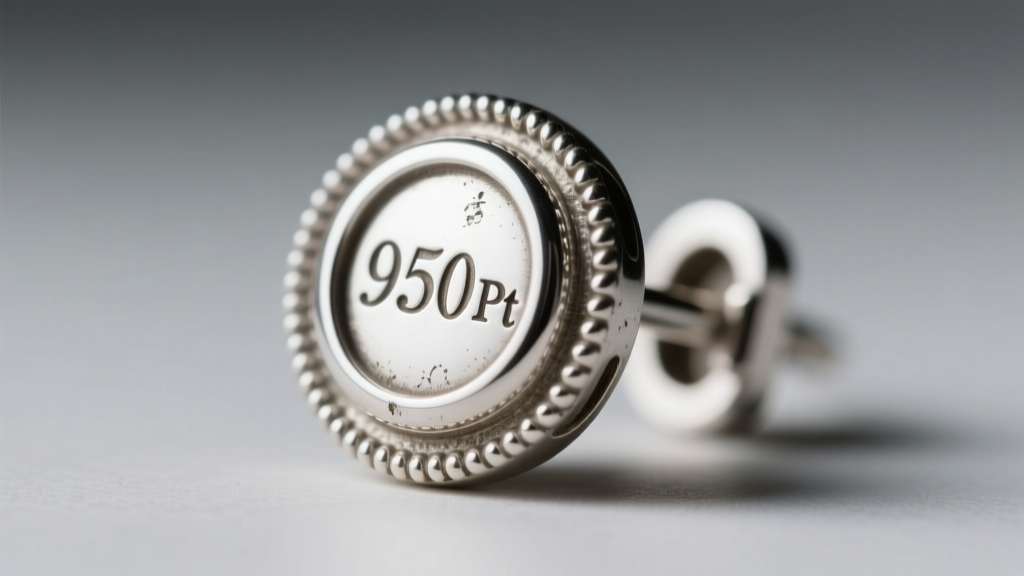
For a deep dive into identifying antique metals and hallmarks, the Lang Antique Jewelry University offers exceptional visual guides on reading French and American platinum stamps, such as the 950 Pt mark or the traditional French dog’s head hallmark.
How to Authenticate Vintage Art Deco Pieces
Buying antique earrings requires a mix of historical knowledge and practical inspection. Here is a beginner-friendly checklist to verify authenticity:
- Examine the Milgrain: Milgrain is the tiny, beaded metal detailing along the edges of Deco settings. On true vintage pieces, the milgrain will show microscopic signs of wear, softening, or even partial rubbing off after a century of use. Reproductions often have perfectly uniform, sharp milgrain applied by modern CNC tools.
- Check the Backs and Clasps: In the 1920s, post-and-butterfly clasps were not the standard. You will frequently see hinged leverbacks, shepherd hooks, or screw-backs (which were popular for non-pierced ears). If a piece has modern friction posts, they may have been added later, which is common, but it warrants closer inspection of the mounting.
- Use a Jeweler's Loupe (10x): Look at the prongs. Antique prongs were often hand-cut and filed, meaning they might be slightly asymmetrical or have tiny tool marks. Cast reproductions will have perfectly rounded, uniform prongs.
- The Blacklight Test: Many modern synthetic diamonds and certain modern epoxy glues used in reproductions will fluoresce brightly or unnaturally under UV light. While some natural diamonds do fluoresce, a piece with multiple stones all glowing with identical, strong neon blue or green hues is highly suspicious.
Styling Geometric Earrings for Your Face Shape
Art Deco earrings are inherently structural. Because of their sharp lines and bold presence, they can be used strategically to balance your facial features.
For Round and Oval Faces
Long, linear Art Deco drop earrings or chandelier styles are your best friend. The verticality of stepped baguette diamonds and elongated platinum drops will draw the eye downward, creating an elegant, lengthening effect that beautifully balances softer jawlines.
For Square and Angular Faces
Contrast sharp jawlines with Deco pieces that incorporate gentle curves alongside their geometry. Look for earrings that feature oval cabochon accents (like sapphire or onyx) surrounded by diamond halos, or circular filigree motifs that soften the overall silhouette while maintaining the era's distinct aesthetic.
For Heart-Shaped Faces
Opt for wider, shorter geometric designs. Triangle-shaped drops that point downward, or wide diamond clip-ons that sit snugly on the earlobe, will add visual width to the lower half of the face, balancing a narrower chin.
Care and Maintenance for Antique Settings
Owning century-old jewelry comes with specific maintenance requirements. The intricate filigree and delicate prongs of Art Deco earrings are more vulnerable to snagging and bending than modern, solid-cast jewelry.
Never use an ultrasonic cleaner on true vintage Art Deco earrings. The high-frequency vibrations can easily shatter fracture-filled Old European cuts, loosen delicate milgrain, or destroy porous accent stones like emeralds, onyx, and coral, which were frequently used in Deco designs. Instead, clean your earrings at home using a soft baby toothbrush, lukewarm water, and a drop of mild, ammonia-free dish soap. Finally, have a professional jeweler inspect the prongs and leverback hinges every 12 months to ensure your antique treasures remain secure for the next century.


