Can You Wear Earrings in Passport Photo? Sizing & Care Rules
Wondering if you can wear earrings in passport photo? Learn the official State Department rules, safe metal grades, and post-photo cleaning care.

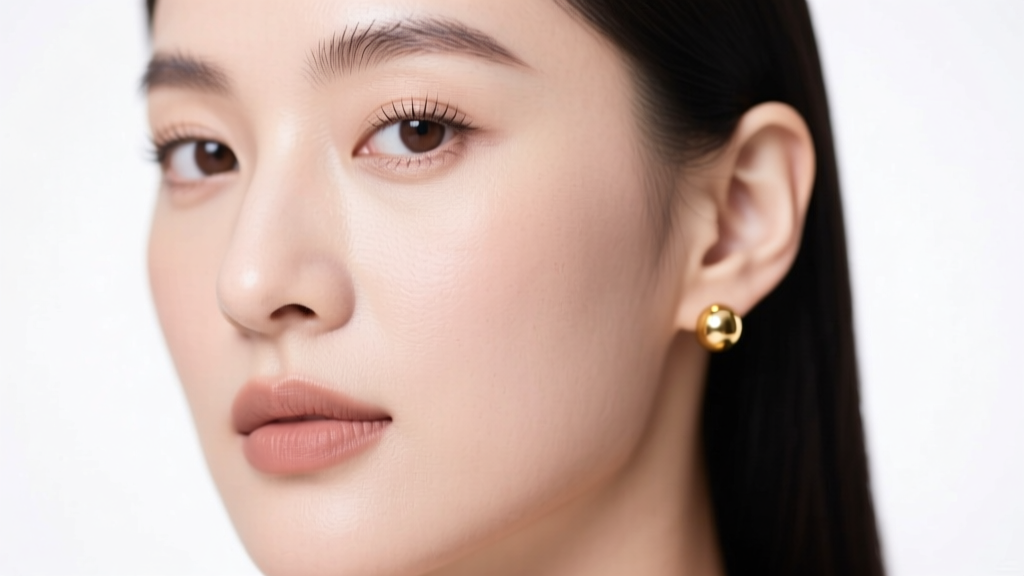
Preparing for international travel involves a meticulous checklist, from booking flights to organizing accommodations. Yet, one of the most frequently debated grooming and accessory questions arises before the trip even begins: can you wear earrings in passport photo sessions? The intersection of government identification regulations, airport security protocols, and long-haul flight hygiene makes earring selection a surprisingly complex travel decision. As a jewelry care and styling expert, I will break down the exact legal requirements, the material science of travel-friendly metals, and the post-photo maintenance routines necessary to keep your earlobes healthy and your jewelry pristine.
The Official Rules: Can You Wear Earrings in Passport Photo?
The short answer is yes, you can wear earrings in your passport photo, but with strict limitations regarding size, placement, and shadow casting. According to the U.S. Department of State, jewelry is permitted as long as it does not obscure your face, hairline, or cast shadows that interfere with facial recognition software.
When deciding what to wear to your photo appointment, follow these strict sizing guidelines to avoid an automatic rejection:
- Studs and Small Huggies (Under 8mm): These are universally accepted. They sit flush against the earlobe and do not interfere with the biometric mapping of your jawline or neck.
- Drop and Dangle Earrings: Highly discouraged. If a dangle earring swings forward or casts a shadow on your neck or cheek, the automated photo verification system will flag and reject the image.
- Large Hoops (Over 20mm): While technically allowed if they remain entirely behind the plane of your face, large hoops often reflect studio lighting, creating glare or shadows that lead to rejection.
- Cartilage and Ear Cuffs: Acceptable only if they do not alter the natural silhouette of your ear or head shape.
Travel Risks: Why the Wrong Earrings Cause Damage and Delays
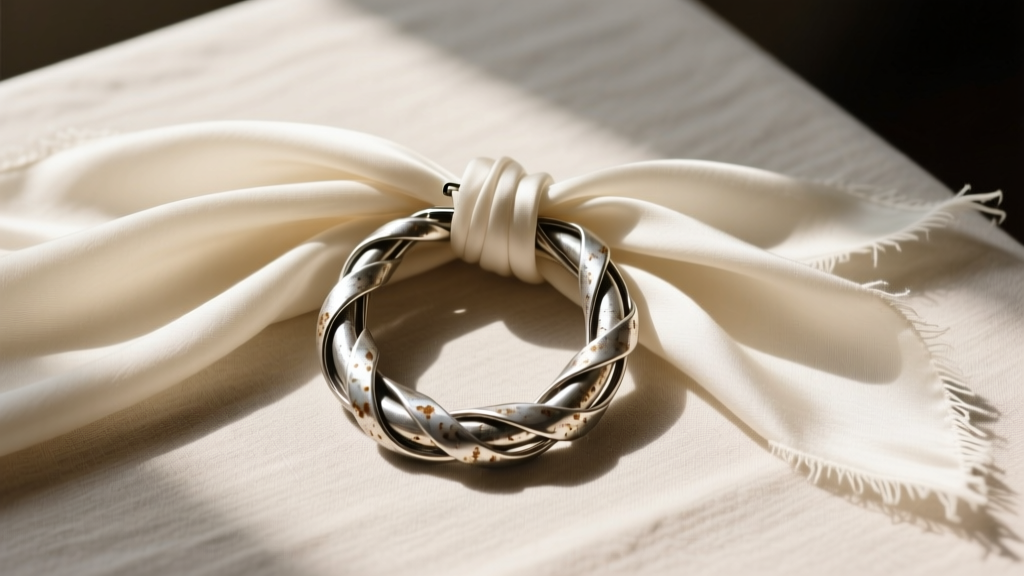
Beyond the photo booth, wearing the wrong earrings during transit introduces significant maintenance and safety risks. The journey from your front door to your hotel room involves multiple environments that are hostile to delicate jewelry.
The TSA Security Checkpoint Reality
According to the Transportation Security Administration (TSA), you are not required to remove small jewelry before passing through metal detectors or millimeter-wave scanners. However, bulky metallic hoops, heavy chandelier earrings, and multiple cartilage clusters will almost certainly trigger an alarm. This results in a manual pat-down, delaying you and forcing you to remove your earrings in a high-stress, unsanitary environment. Fumbling with a 20-gauge threaded barbell or a tight huggie clicker while a line of impatient travelers watches is a recipe for dropped jewelry and bent posts.
Snagging and Structural Failure
Travel involves wearing scarves, headphones, and neck pillows. Large dangles and thin-wire hoops are notorious for catching on knit fabrics and foam headrests. A sudden snag can not only tear the earlobe tissue but also warp the earring's structural integrity, bending the post or snapping the solder joint on a hoop. For travel, structural resilience is just as important as aesthetic compliance.
Material Science: Choosing Travel-Safe Earring Metals
Airplane cabins, tropical humidity, and the sweat of rushing through terminals create a highly corrosive environment for base metals. To minimize maintenance and prevent allergic contact dermatitis, you must select the correct material grades. Below is a comparative breakdown of how different metals perform during travel and how to clean them.
| Material Grade | Tarnish & Corrosion Risk | TSA Scanner Reaction | Recommended Cleaning Method |
|---|---|---|---|
| ASTM F136 Implant-Grade Titanium | None (Highly biocompatible) | Rarely triggers | Mild dish soap and warm water |
| 14k or 18k Solid Gold | Very Low | Rarely triggers (if small) | Ultrasonic (if no porous gems) |
| Sterling Silver (925) | High (Reacts to humidity/sulfur) | Can trigger if bulky | Silver polishing cloth only |
| Gold-Plated Brass or Copper | High (Sweat degrades plating) | Often triggers if large | Dry microfiber wipe |
For the ultimate travel earring, ASTM F136 implant-grade titanium is the undisputed champion. It is completely impervious to sweat, airplane cabin humidity, and saltwater, meaning you can wear it from the passport photo booth to the beach without it oxidizing or turning your earlobes green.
The Ultimate Post-Photo and Post-Flight Cleaning Routine
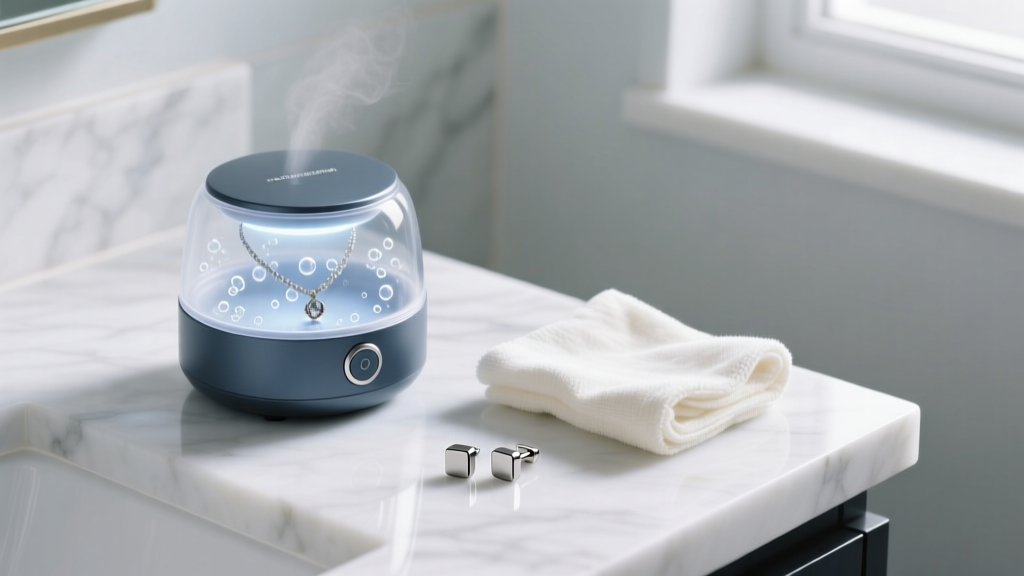
Once your passport photo is approved and you have survived the flight, your earrings require immediate maintenance. Airplane cabins maintain a humidity level of just 10% to 20%, which severely dries out the skin and can cause natural oils and dead skin cells to build up rapidly around the earring post and backing.
Step-by-Step Deep Cleaning Protocol
- Removal and Inspection: Carefully remove your earrings. Inspect the posts for micro-bends and check the backing mechanisms (butterfly clutches or screw-backs) for stripped threads or trapped debris.
- The Soak: For solid gold and titanium, prepare a bowl with warm water and three drops of a grease-cutting, lotion-free dish soap (such as original blue Dawn). Let the earrings soak for 10 to 15 minutes to break down sebum and airport grime.
- Agitation: Use a brand-new, ultra-soft baby toothbrush to gently sweep the crevices behind the gemstone settings and inside the clutch backing. Never use hard-bristled brushes, as they will scratch high-polish gold.
- Rinsing and Drying: Rinse thoroughly under distilled or filtered water to avoid hard water spots. Pat dry with a lint-free microfiber cloth. Avoid tissue paper or cotton balls, which leave microscopic fibers snagged on the earring posts.
Care Warning: If your passport photo earrings feature porous gemstones like pearls, opals, turquoise, or emeralds, never submerge them in water or use an ultrasonic cleaner. The vibrations can shatter emeralds, and water will strip the nacre off pearls. Wipe these gently with a barely damp cloth.
Troubleshooting: Earlobe Care and Storage on the Go
Maintaining the jewelry is only half the battle; maintaining the piercing itself during travel is critical for comfort and health.
Combating Cabin Pressure and Dryness
The drastic changes in cabin pressure and the arid air can cause healing or sensitive piercings to ache or develop crusties. If you must remove your earrings during a long-haul flight to sleep, do not leave the piercing empty for more than a few hours, as lobes can shrink rapidly. Instead, swap to a seamless titanium sleeper hoop or a flat-back labret stud. Apply a single drop of sterile saline wound wash to the piercing site before inserting the jewelry to provide lubrication and prevent micro-tearing.
Proper Travel Storage to Prevent Tarnish and Loss
Tossing your earrings into a ziplock bag or a toiletry kit is a guaranteed way to lose a backing or scratch a gemstone. For travel, invest in a hard-shell jewelry case with individual padded slots. To actively prevent tarnish on sterling silver pieces, place a small silica gel packet or an anti-tarnish 3M strip inside the case. This absorbs the ambient moisture that causes silver sulfide (the black tarnish layer) to form, ensuring your earrings remain bright and ready for your next destination.
By selecting small, biocompatible metals for your passport photo and adhering to a rigorous post-transit cleaning routine, you ensure that your jewelry—and your travel documents—remain flawless for years to come.


