Glinda Wicked For Good Earrings: Ultimate Care & Cleaning Guide
Discover expert care and cleaning tips for your Glinda Wicked For Good earrings. Protect plating, enamel, and crystals with our detailed maintenance guide.

The Magic Behind the Materials: Understanding Your Earrings
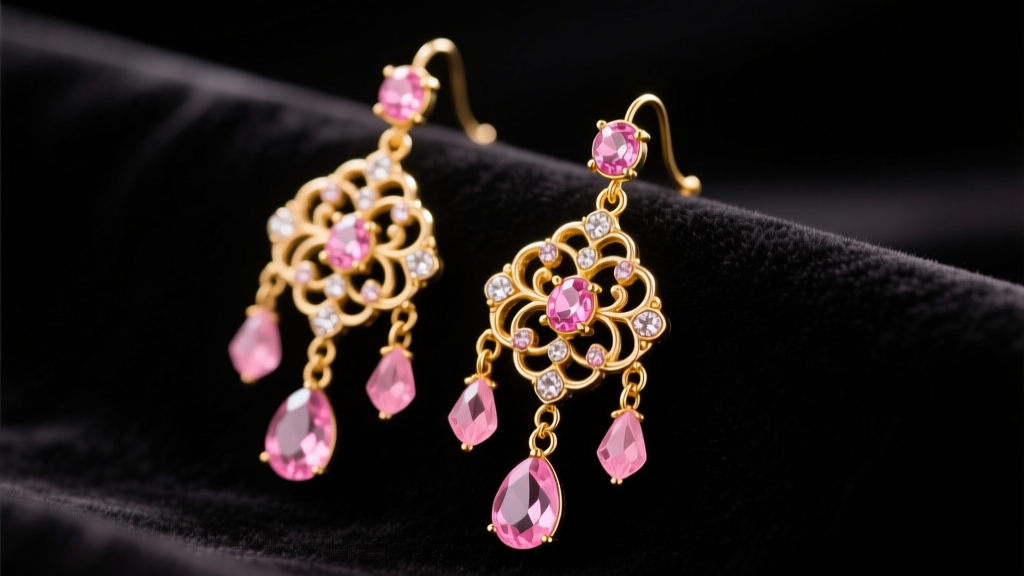
As cinematic jewelry continues to dominate style trends in 2026, the demand for exquisite replica pieces has skyrocketed. Among the most coveted accessories are the glinda wicked for good earrings, inspired by the beloved character’s iconic, bubble-gum-pink and opulent gold aesthetic. However, maintaining the pristine, magical shine of these earrings requires a deep understanding of their material composition. Whether you own high-end fine jewelry replicas crafted in solid 14k gold with natural pink sapphires, or more accessible fashion replicas featuring gold vermeil, cubic zirconia (CZ), and epoxy enamel, the care protocols differ drastically.
Most premium replica earrings on the market utilize a gold vermeil base. According to the Federal Trade Commission guidelines, true vermeil must feature a sterling silver base plated with at least 2.5 microns of 10k or higher gold. The pink accents characteristic of Glinda’s Shiz University and Ozian royal looks are often achieved through vitreous enamel or cold epoxy resin. Understanding these specific material grades is the first step in preventing irreversible damage, as the wrong cleaning agent can strip the gold layer or cloud the resin in seconds.
Daily Wear and Tear: Preventative Maintenance
The most effective cleaning method is preventing the need for deep cleaning in the first place. The structural integrity of your earrings is constantly under threat from everyday environmental factors. Human sweat has a naturally acidic pH (typically between 4.5 and 7.0), which can accelerate the galvanic corrosion of the copper or brass alloys often found beneath flash-plated fashion jewelry, leading to the dreaded 'green ear' phenomenon and structural pitting.
The 'Last On, First Off' Rule
To protect the delicate gold microns and the vibrant pink enamel, your earrings must be the absolute last thing you put on when dressing and the first thing you remove. Cosmetics, hairsprays, and perfumes contain high concentrations of ethanol and volatile organic compounds (VOCs). When these chemicals come into contact with epoxy resin or painted enamel accents, they can cause the pink pigments to fade, crack, or peel. Furthermore, the oils in lotions can create a hydrophobic film over cubic zirconia stones, trapping dirt against the pavilion facets and severely reducing the stone's light refraction and brilliance.
The Step-by-Step Cleaning Protocol
When your glinda wicked for good earrings inevitably accumulate skin oils, environmental dust, and cosmetic residue, you must clean them using a method that respects both the metallic plating and the gemstone simulants. The Gemological Institute of America (GIA) strongly advises against using harsh chemicals or abrasive brushes on treated or plated metals. Follow this precise, jeweler-approved protocol to restore their Ozian sparkle.
Phase 1: The Distilled Water Soak
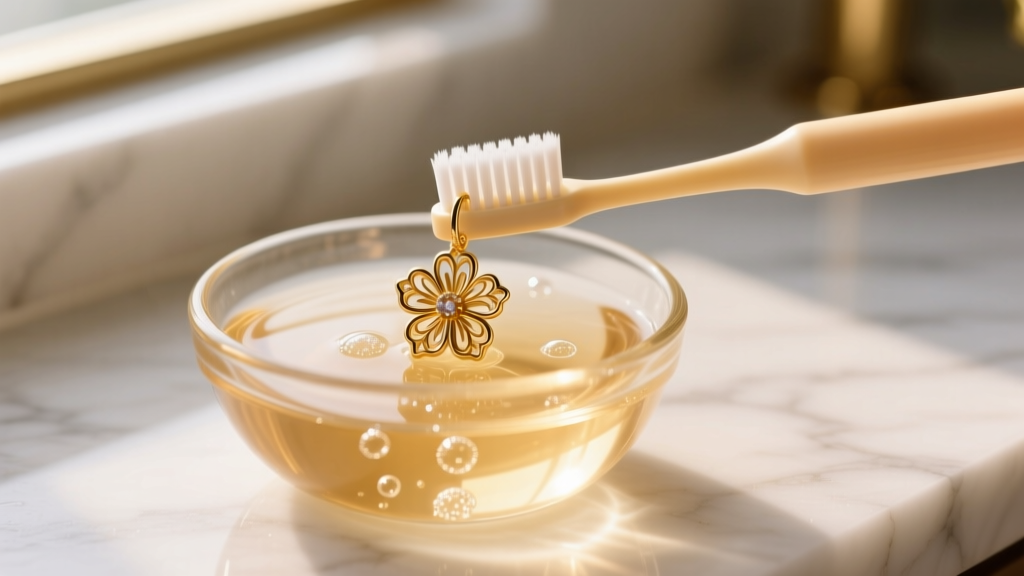
Never use tap water for soaking jewelry. Municipal tap water contains chlorine, fluoride, and trace minerals that can react with the sterling silver base if the gold plating has micro-pores or hairline scratches. Instead, fill a small glass bowl with warm (not hot) distilled water. Add exactly two drops of a pH-neutral, lotion-free dish soap. Submerge the earrings for no more than three to five minutes. This brief soak is sufficient to loosen sebum and cosmetic buildup without compromising the adhesive holding the pink crystals in their prong or bezel settings.
Phase 2: Agitation and Detailing
Remove the earrings from the solution and use a brand-new, ultra-soft baby toothbrush or a #0 kolinsky sable artist brush. Gently sweep the bristles across the surface of the gold and carefully trace the edges of the pink enamel. Do not apply downward pressure; let the bristles do the work. Pay special attention to the posterior side of the earrings and the earring posts, where dead skin cells and hair products accumulate most heavily.
Phase 3: Rinsing and Drying
Rinse the earrings under a gentle stream of lukewarm distilled water. Immediately pat them dry with a lint-free microfiber cloth. Avoid paper towels or tissue paper at all costs; wood pulp fibers contain microscopic silica that can inflict micro-scratches on high-polish gold and leave a dull, hazy film on the surface of cubic zirconia stones. Ensure the earring posts and butterfly backs are completely dry before storage to prevent localized rusting on the steel tension components.
Chemical Compatibility: What to Avoid
The market is flooded with 'miracle' jewelry cleaning dips and ultrasonic machines. While these may be suitable for solid platinum or un-set diamonds, they are catastrophic for plated and enameled cinematic replicas. Below is a definitive guide to chemical compatibility for your earrings.
| Cleaning Agent / Method | Effect on Gold Vermeil | Effect on Enamel / CZ | Verdict |
|---|---|---|---|
| Ultrasonic Cleaners (40kHz) | Strips thin plating via cavitation | Shatters CZ, melts resin adhesives | NEVER USE |
| Commercial Silver Dips | Causes instant, irreversible darkening | Corrodes stone settings and enamel | NEVER USE |
| Baking Soda Paste | Micro-abrasions remove gold layer | Scratches resin and clouds crystals | NEVER USE |
| Isopropyl Alcohol | Safe for solid gold, dries out seals | Dissolves epoxy resin, ruins pink finish | AVOID |
| pH-Neutral Dish Soap | Perfectly safe, lifts oils gently | Safe for all simulants and enamels | HIGHLY RECOMMENDED |
Advanced Troubleshooting: Cloudy Stones and Tarnished Plating
Even with meticulous care, issues can arise. If the pink or clear cubic zirconia stones in your earrings appear cloudy or milky, this is rarely damage to the stone itself. CZ is highly durable (8.5 on the Mohs scale) but has an affinity for attracting grease. The cloudiness is almost always a microscopic layer of trapped lotion or sebum on the underside (pavilion) of the stone. To fix this, dip a cotton swab in a tiny amount of distilled water and soap, and carefully scrub the back of the stone where it meets the setting. Rinse and dry immediately.
If the gold plating begins to show signs of wear—revealing the silver or brass beneath—do not attempt to polish it. Polishing compounds are mildly abrasive and will only accelerate the removal of the remaining gold. Instead, seek out a professional electroplating service. Many local jewelers offer 're-rhodium' or 're-gilding' services for a fraction of the cost of replacing the earrings, allowing you to restore the original 2.5-micron thickness and bring the magic back to life.
Proper Storage to Preserve the Shiz University Shine
How you store your glinda wicked for good earrings when they are not gracing your earlobes is just as critical as how you clean them. The Smithsonian Museum Conservation Institute notes that relative humidity and airborne sulfur are the primary catalysts for metal tarnishing. When sterling silver tarnishes, it forms silver sulfide, which expands and can cause the overlying gold plating to flake or blister.
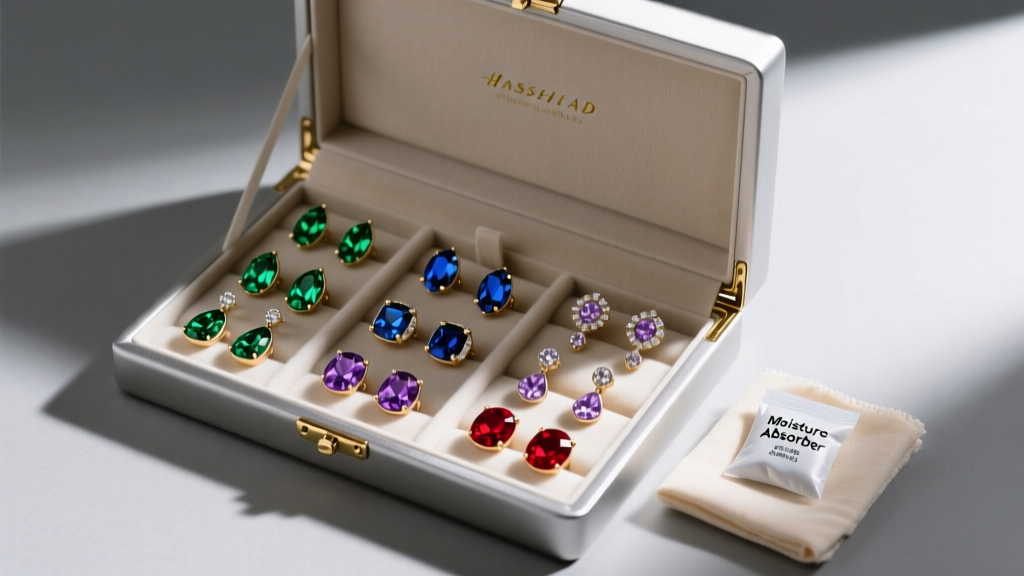
To combat this, store your earrings in an airtight, zip-seal polyethylene bag or a dedicated jewelry box lined with Pacific Silvercloth. Always include a small packet of silica gel desiccant to keep the ambient humidity below 40%. Furthermore, never store multiple pairs of earrings loose in the same compartment; the friction of harder stones rubbing against softer gold plating will result in permanent scuffing. By treating these exquisite cinematic replicas with the same scientific rigor and respect as high-end fine jewelry, you ensure they remain as captivating and magical as Glinda herself for years to come.


