The Best DIY Earring Kit 2026: Budget & Value Guide
Discover the best DIY earring kit for 2026. We assess budget, material value, gauge sizes, and component quality to help you craft professional jewelry.

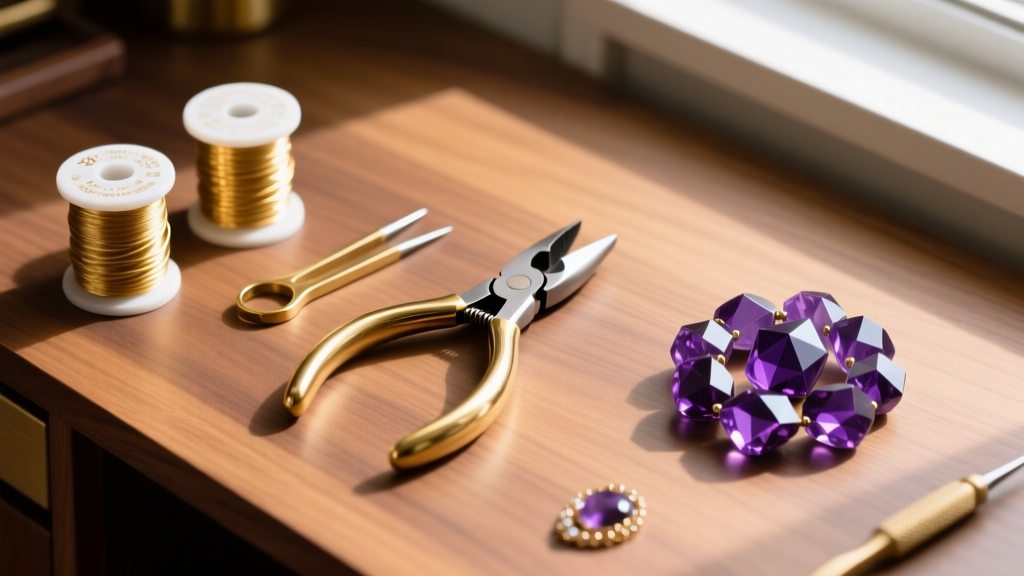
The Economics of Handmade: Why 2026 is the Year of the DIY Earring Kit
As the slow fashion movement continues to dominate the accessories market in 2026, the demand for bespoke, handcrafted jewelry has never been higher. For hobbyists and aspiring boutique owners alike, a high-quality diy earring kit represents the most accessible entry point into jewelry fabrication. However, the market is flooded with options ranging from $15 craft-store boxes to $150 professional-grade assortments. How do you separate genuine value from overpriced base-metal junk? In this comprehensive budget and value assessment, we deconstruct the metallurgy, structural integrity, and true cost-per-yield of modern earring making kits to help you invest your crafting budget wisely.
Deconstructing the Kit: What Are You Actually Paying For?
When evaluating any jewelry making set, the primary cost driver is the metal alloy used for the findings (ear wires, posts, jump rings) and wire. Budget kits often obscure their material origins behind vague marketing terms. Understanding these distinctions is critical for both the longevity of your jewelry and the comfort of the wearer.
The 'Tibetan Silver' and 'Alloy' Trap
Many budget-friendly kits under the $20 threshold advertise components made of 'Tibetan Silver' or 'antique alloy.' As experts at Rio Grande frequently note, these terms are often industry euphemisms for zinc, brass, or lead-based alloys with a microscopic flash-plating of silver or rhodium. Not only do these materials tarnish within weeks of exposure to skin oils, but they also pose severe contact dermatitis risks. A high-value kit will explicitly state its use of 316L surgical stainless steel, niobium, or solid 925 sterling silver.
Gold-Filled vs. Gold-Plated
If you are targeting the premium handmade market, avoid gold-plated brass. The plating is typically less than 0.1 microns thick and will wear off at the friction points of the ear wire. Instead, seek out kits that utilize 14/20 gold-filled wire. By FTC standards, 14/20 gold-filled material contains exactly 1/20th (or 5%) of 14k gold by weight, mechanically bonded to a brass core. It offers the durability and rich color of solid gold at a fraction of the cost, making it the gold standard for mid-tier DIY kits.
Wire Gauges and Hardness: The Structural Backbone
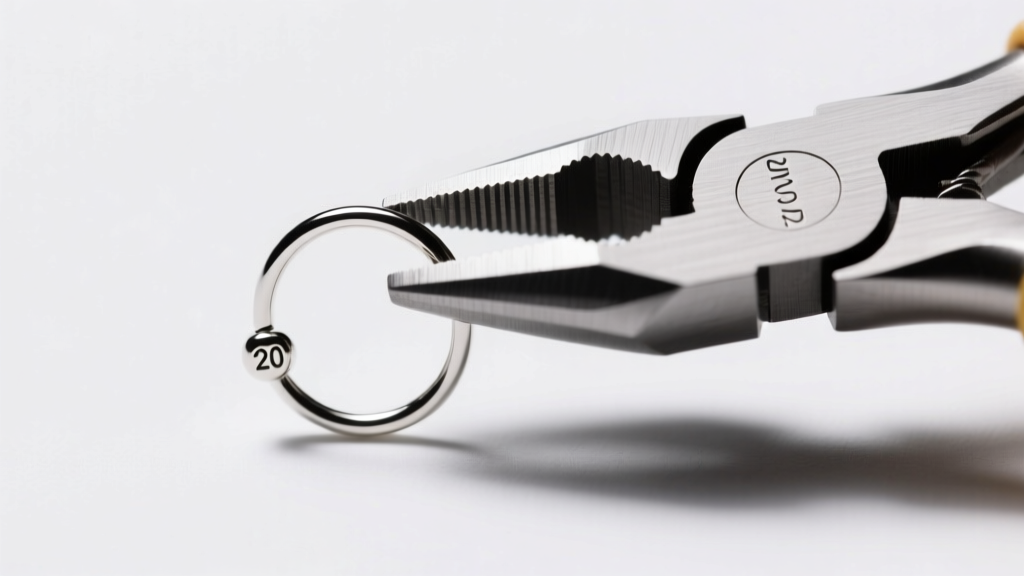
A common failure point for beginners is using the wrong wire gauge or temper, leading to dangle earrings that warp the moment they are taken off the crafting mat. A premium diy earring kit will include a variety of wire tempers and clearly label the American Wire Gauge (AWG).
- 22-Gauge (0.64mm): Ideal for wire-wrapping small, lightweight briolettes and pearls. Too thin for structural ear wires.
- 20-Gauge (0.81mm): The industry standard for French ear wires, headpins, and standard jump rings. It is thick enough to hold its shape but thin enough to pass comfortably through a standard earlobe piercing.
- 18-Gauge (1.02mm): Necessary for structural components, such as the base frame of a geometric hoop or heavy-duty ear cuffs that require tension to stay on the cartilage.
Furthermore, pay attention to wire hardness. Dead-soft wire is great for intricate weaving, but half-hard wire is mandatory for crafting ear wires. If a kit only supplies dead-soft wire for findings, your finished earrings will easily bend out of shape when the wearer pulls them through their piercing.
Budget vs. Value: Pricing Tiers Analyzed
To determine the true return on investment (ROI), we must look beyond the sticker price and calculate the cost-per-yield. Below is a comparative breakdown of the three main tiers of earring kits available in 2026.
| Kit Tier | Average Price | Typical Yield | Cost Per Pair (Findings Only) | Material Quality |
|---|---|---|---|---|
| Budget Craft Store | $15 - $25 | 30 - 50 pairs | $0.30 - $0.50 | Zinc alloy, copper, flash-plated brass |
| Mid-Tier Artisan | $45 - $75 | 20 - 30 pairs | $1.50 - $2.50 | 925 Sterling, 14/20 Gold-Filled, Niobium |
| Premium Studio | $90 - $150 | 15 - 25 pairs | $4.00 - $6.00 | Argentium Silver, Solid 14k Gold, Platinum |
While the budget tier offers the lowest cost per pair, the high failure rate of cheap jump rings and the risk of customer allergic reactions often result in a negative ROI for anyone attempting to sell their creations. The Mid-Tier Artisan category represents the sweet spot for value, providing hypoallergenic, durable materials that can support retail price points of $35 to $80 per pair.
Common Failure Modes in Budget-Friendly Kits
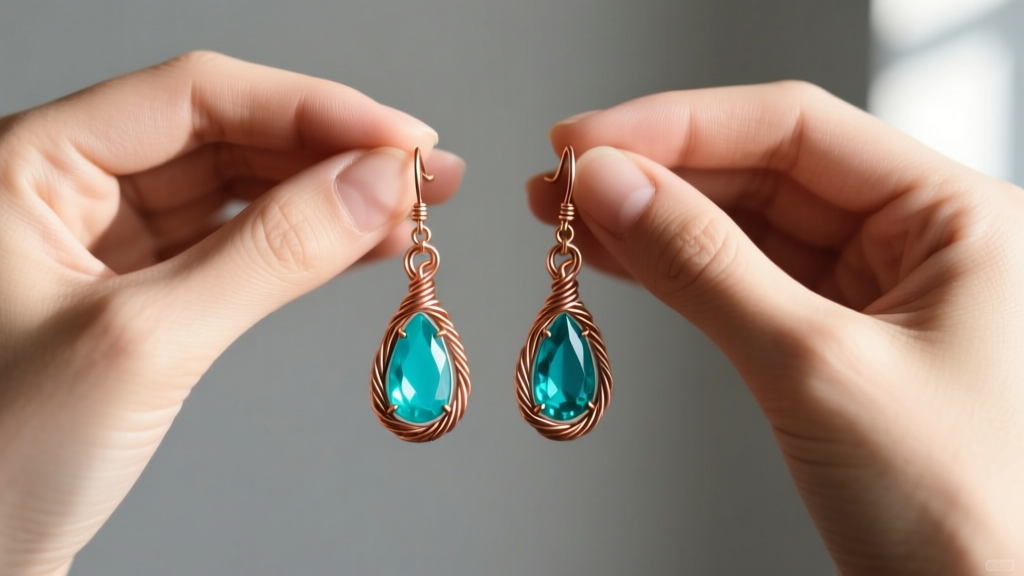
When assessing the value of a kit, you must anticipate the structural vulnerabilities of mass-produced components. Here are the most frequent failure modes found in sub-$30 kits:
- Unsoldered Jump Rings: Budget kits rely on split jump rings. If the gauge is too thin (e.g., 22-gauge), the tension of a heavy gemstone dangle will pull the ring open, causing the earring to detach and fall out. Always upgrade to soldered jump rings for the final connection point.
- Rough Ear Wire Ends: Mass-produced French wires are often snipped by machine, leaving microscopic burrs. If these aren't tumbled or filed smooth, they will scratch the ear canal. A high-value kit includes a cup bur or a jeweler's file for finishing.
- Weak Butterfly Backs: For stud earring kits, cheap butterfly friction backs lose their tension quickly. Look for kits that include 'bullet' style backs with silicone interiors or screw-backs for secure, high-end finishes.
Expert Strategies to Maximize Your Kit's Yield
To truly extract the maximum value from your investment, professional jewelers recommend supplementing your diy earring kit with targeted, high-quality gemstone purchases. According to sourcing guides from Fire Mountain Gems, buying calibrated cabochons or pre-drilled briolettes in bulk allows you to pair premium stones with the mid-tier findings from your kit. This hybrid approach keeps your overhead low while elevating the perceived value of the final piece.
Additionally, invest in a proper nylon-jaw plier set. Metal-on-metal pliers will mar the surface of your gold-filled or sterling silver wire, creating weak points where the wire can snap under stress. Protecting the integrity of your wire ensures every inch of material in your kit is usable.
Final Verdict: Assessing the True ROI
A diy earring kit is not just a box of craft supplies; it is a foundational business investment or a gateway to sustainable, personalized fashion. Avoid the false economy of ultra-cheap base-metal kits. By targeting the $50 to $75 mid-tier range, prioritizing 20-gauge half-hard wires, and demanding transparent metallurgy like 316L steel or 14/20 gold-filled materials, you guarantee that your handmade earrings are not only beautiful but structurally sound and safe for sensitive ears. In 2026, true value lies in durability, wearability, and the confidence that your creations will stand the test of time.


