Cuff Earring Chain Value Guide: Budget vs Fine Gold
We assess the true value of the cuff earring chain trend. Compare fashion, demi-fine, and solid gold pricing, materials, and longevity to find your best fit.

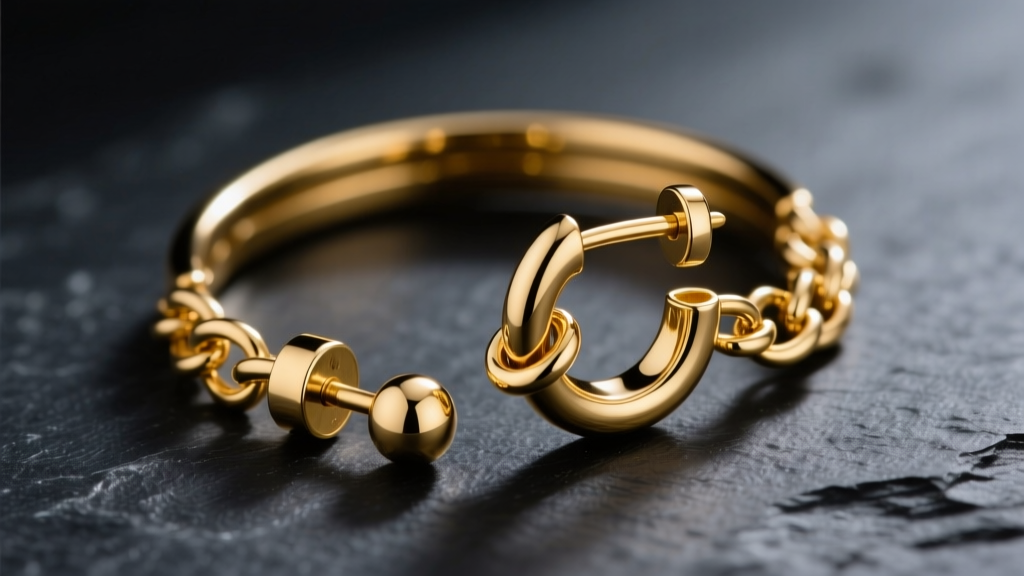
The Rise of the Cuff Earring Chain: Trend vs. Investment
The curated ear aesthetic has evolved significantly as we move through 2026. No longer satisfied with isolated studs and hoops, jewelry enthusiasts are embracing interconnected designs, with the cuff earring chain emerging as a dominant silhouette. This design typically features a tension-fit cartilage cuff connected by a delicate chain to a standard lobe stud or hook, creating the illusion of multiple piercings without the commitment of a needle. However, as the trend has saturated the market, a massive price disparity has emerged. You can find a cuff earring chain for $12 on fast-fashion apps or $350 at a fine jeweler. But what are you actually paying for? As a budget and value assessment, we must look past the initial price tag and evaluate the metallurgical integrity, structural engineering, and hidden costs of these intricate pieces.
Anatomy of the Chain Cuff: Where Budget Pieces Fail
To understand the value proposition, you must first understand the mechanics of the jewelry. A cuff earring chain relies on two distinct structural points: the tension grip of the cartilage cuff and the anchor point at the lobe. The chain itself acts as a suspended bridge. In budget jewelry, the chain is often treated as an afterthought—a flimsy connector meant to look good in a static product photo. In reality, the chain introduces kinetic drag. Every time you turn your head, brush your hair, or pull a sweater over your head, the chain pulls against the tension cuff. If the cuff wire is too soft or the chain links are poorly soldered, the piece will warp, snap, or slide off your ear and disappear into the abyss of your car seat or bathroom rug.
Material Tiers: Pricing vs. Longevity Matrix
When assessing the true cost-per-wear of a cuff earring chain, the base metal and plating thickness are the ultimate deciding factors. Below is a breakdown of the three primary market tiers you will encounter in 2026.
| Tier | Base Material | Plating / Finish | Avg. Price Range | Estimated Lifespan |
|---|---|---|---|---|
| Fast Fashion | Brass, Zinc Alloy, or Nickel-Silver | Flash Gold (less than 0.5 microns) | $10 - $28 | 1 - 4 Months |
| Demi-Fine | 925 Sterling Silver or Jeweler's Brass | Gold Vermeil (2.5+ microns) or 14k Gold-Filled | $45 - $110 | 1 - 4 Years |
| Fine Jewelry | Solid 14k or 18k Gold, Platinum | None (Solid Alloy) | $180 - $450+ | Lifetime (Heirloom) |
While the fast-fashion tier offers a low barrier to entry, the cost-per-wear skyrockets when the flash plating inevitably wears away, exposing reactive base metals. Demi-fine offers the best value for most consumers, provided you understand the difference between vermeil and gold-filled. According to the Gemological Institute of America (GIA), gold vermeil requires a sterling silver base and a minimum gold thickness, making it hypoallergenic and durable. Gold-filled pieces feature a much thicker layer of gold mechanically bonded to a base metal, offering superior tarnish resistance for the connecting chains.
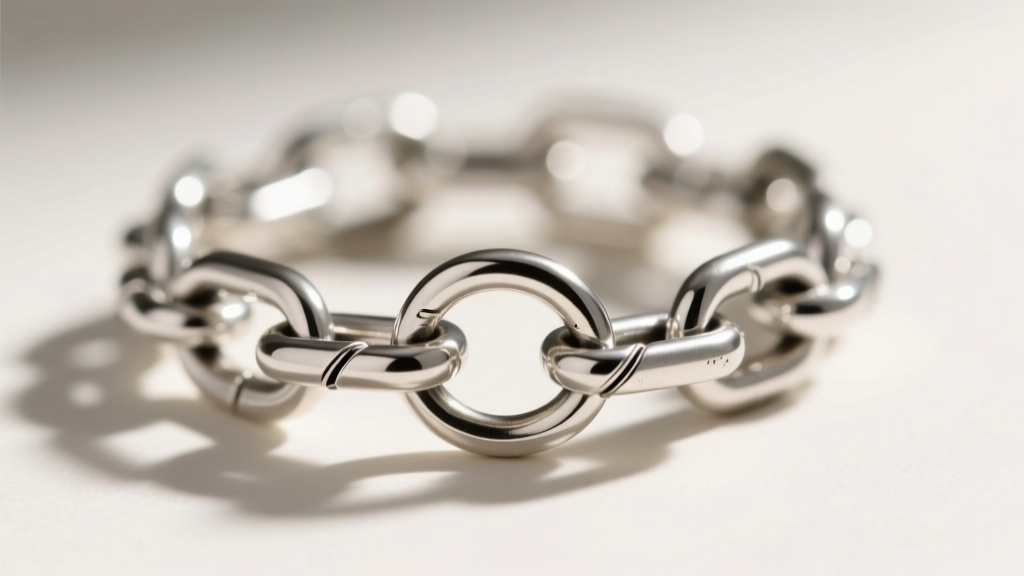
The Hidden Costs of Fast-Fashion Ear Chains
The most significant hidden cost of a budget cuff earring chain is dermatological. Cartilage is highly sensitive, and the constant friction of a tension cuff combined with sweat and degraded plating is a recipe for contact dermatitis. Cheap alloys frequently contain nickel, lead, or cadmium to lower melting points and manufacturing costs. The American Academy of Dermatology (AAD) notes that nickel allergy is one of the most common causes of allergic contact dermatitis, resulting in itching, redness, and blistering. Once you develop a nickel allergy, it is lifelong. Saving $40 on a brass-based ear chain is entirely counterproductive if it results in a painful cartilage infection or a permanent metal allergy that prevents you from wearing future jewelry.
Gauge Thickness and Link Architecture
Beyond the metal composition, the physical architecture of the chain dictates its survival. Budget manufacturers save fractions of a cent by using ultra-thin 24-gauge or 26-gauge cable chains. These microscopic links lack the structural integrity to support the weight of a brass or steel cuff. When snagged, they do not just break; they shatter at the jump ring.
- 20-Gauge to 22-Gauge: The ideal thickness for ear chains. It provides enough tensile strength to survive daily wear while remaining delicate enough for the ear.
- Link Style Matters: Avoid standard cable chains for heavy cuffs. Opt for Rolo or Figaro links, which feature interlocking, rounded geometries that distribute tension more evenly across the chain.
- Soldered Jump Rings: Inspect the connection points. If the jump rings connecting the chain to the cuff are simply bent closed (unsoldered), they will pull apart under the drag of the chain. High-value pieces will feature laser-soldered or flush-soldered jump rings.
When to Splurge vs. When to Save
Not every jewelry purchase requires a lifetime investment, but the cuff earring chain occupies a unique space due to its mechanical complexity. Here is a practical decision framework for your budget:
Save (Demi-Fine / $40-$80): If you view the interconnected ear look as a seasonal trend or want to experiment with asymmetrical styling. Stick to 14k gold-filled over sterling silver bases to prevent the chain from tarnishing black in the crevices of the links.
Splurge (Solid 14k / $200+): If you plan to wear the piece daily, sleep in it (though not recommended), or shower with it. Solid 14k gold will not degrade, and a reputable jeweler can easily re-solder a solid gold chain if it catches on a towel. You cannot easily solder flash-plated brass without burning off the finish.
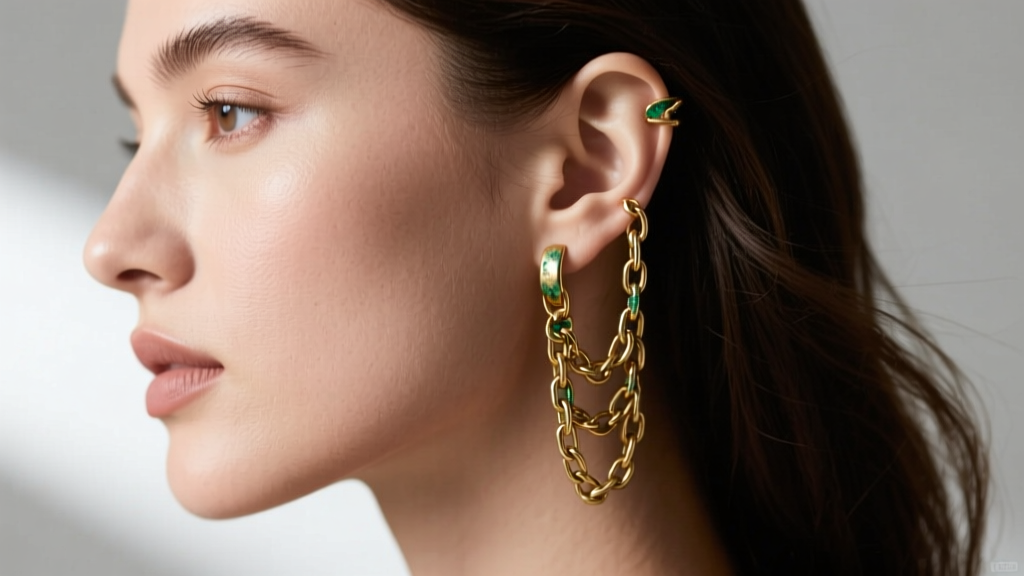
Maximizing Your ROI: Care and Maintenance
Regardless of whether you invest in a $60 demi-fine piece or a $300 solid gold cuff earring chain, maintenance is required to protect your investment. The number one cause of failure for chain cuffs is sleeping in them. The friction against a cotton pillowcase creates immense torque on the cartilage cuff, warping the tension wire and causing the cuff to lose its grip. Furthermore, the delicate chain links are prone to tangling in hair, leading to micro-fractures in the gold.
To maximize your cost-per-wear, remove the chain before bed and store it flat in an anti-tarnish pouch. If you purchase a sterling silver or gold vermeil chain, avoid exposing it to chlorine or sulfur, which will rapidly oxidize the silver core beneath the gold. By understanding the metallurgy, gauge requirements, and structural vulnerabilities of the cuff earring chain, you can confidently navigate the market, avoiding cheap traps and investing in pieces that truly hold their value.


