The 70s Earrings Revival: 2026 Trend Analysis & Style Guide
Explore the 2026 revival of 70s earrings. We analyze modern adaptations of vintage hoops, feather motifs, and turquoise inlays for today's ears.

The 1970s Silhouette: What Defined the Decade
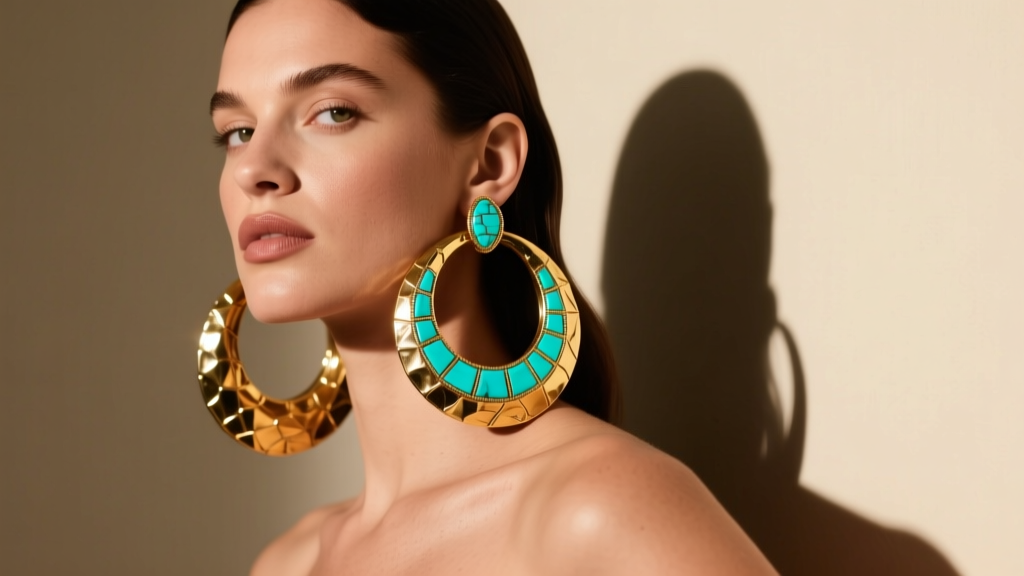
The 1970s was an era of unapologetic self-expression in jewelry, characterized by a distinct departure from the rigid, minimalist mid-century aesthetics. When we analyze 70s earrings from a historical and stylistic perspective, three dominant pillars emerge: organic bohemian motifs, oversized geometric shapes, and the heavy use of natural, uncut, or cabochon gemstones. Turquoise, lapis lazuli, and malachite were not merely decorative; they were cultural signifiers of the decade's fascination with global travel, indigenous craftsmanship, and earth-centric spirituality. According to the Gemological Institute of America (GIA), the 1970s saw a massive surge in the commercial demand for turquoise, particularly from the Sleeping Beauty mine in Arizona, which became a staple in Southwestern-inspired bohemian jewelry.
Silhouette-wise, the decade favored extreme proportions. Shield-shaped drops, intricate macramé-style metalwork, and feather motifs dangled well past the jawline. However, the original 1970s pieces were often constrained by the metallurgical limitations of mass-market costume jewelry. They were predominantly crafted from heavy brass, copper, or pinchbeck, leading to significant wearability issues that modern jewelers have had to engineer around.
The 2026 Adaptation: Metallurgy and Wearability
The 2026 revival of 70s earrings is not a mere copy-paste of vintage designs; it is a sophisticated re-engineering of them. The primary failure mode of authentic 1970s dangle earrings was their weight-to-gauge ratio. Vintage pieces frequently utilized thick, non-standard 19-gauge or flimsy 22-gauge brass wires that lacked the tensile strength to support heavy geometric pendants, resulting in stretched earlobes and contact dermatitis.
Today’s fine jewelry brands are utilizing advanced hollow-form electroforming and 3D wax printing to create oversized 70s shield drops that weigh less than 4 grams per earring, a drastic reduction from the 12-gram vintage originals. Furthermore, the posts and wires are now standardized to a robust 20-gauge (0.8mm) for standard lobe piercings, and 18-gauge (1.0mm) or 16-gauge (1.2mm) for cartilage adaptations, ensuring structural integrity without sacrificing the bold visual footprint of the original decade.
Solving the Vintage Brass Allergy Problem
One of the most critical updates in the modern 70s earring market is the eradication of nickel and lead commonly found in vintage brass alloys. The Mayo Clinic notes that nickel allergy is one of the most common causes of allergic contact dermatitis, a frequent complaint among vintage jewelry collectors. To achieve the warm, rich, hammered-brass aesthetic of the 1970s without the toxicological risks, 2026 manufacturers are turning to ASTM F136 implant-grade titanium bases coated with PVD (Physical Vapor Deposition) 18k gold. PVD bonding creates a hypoallergenic, tarnish-resistant surface that mimics the soft, matte finish of aged 70s gold while remaining entirely biocompatible for sensitive ear curations.
Key 70s Motifs Translated for Modern Ear Curations
In 2026, ear curation is highly anatomical. While the 1970s focused almost exclusively on the standard earlobe, today’s stylers are mapping 70s aesthetics across the entire ear. Here is how the classic motifs are being adapted:
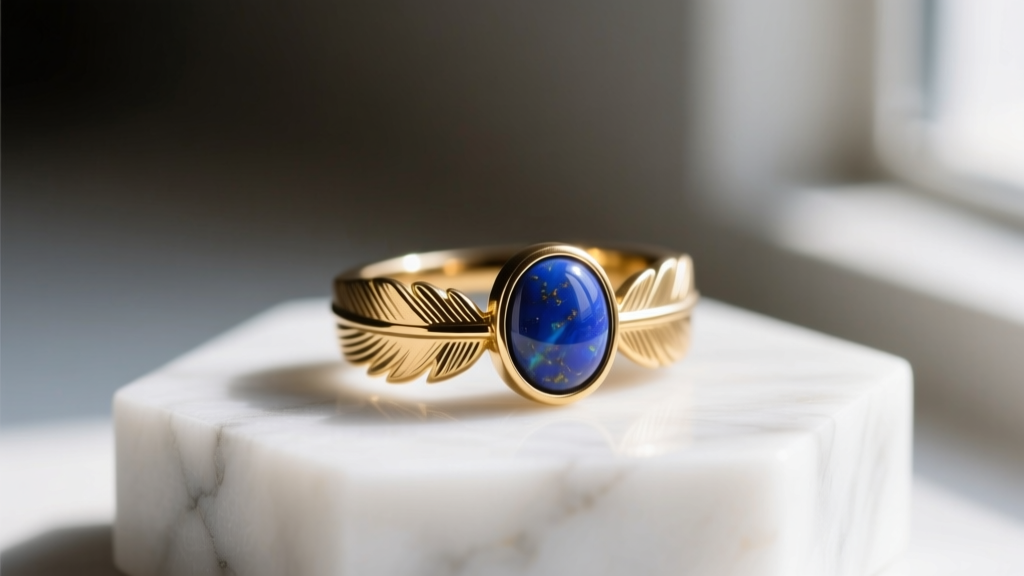
- The Feather Dangle: Originally a heavy lobe drop, this is now miniaturized into 16g titanium helix cuffs and conch studs, allowing the bohemian texture to frame the upper ear without pulling on the lobe.
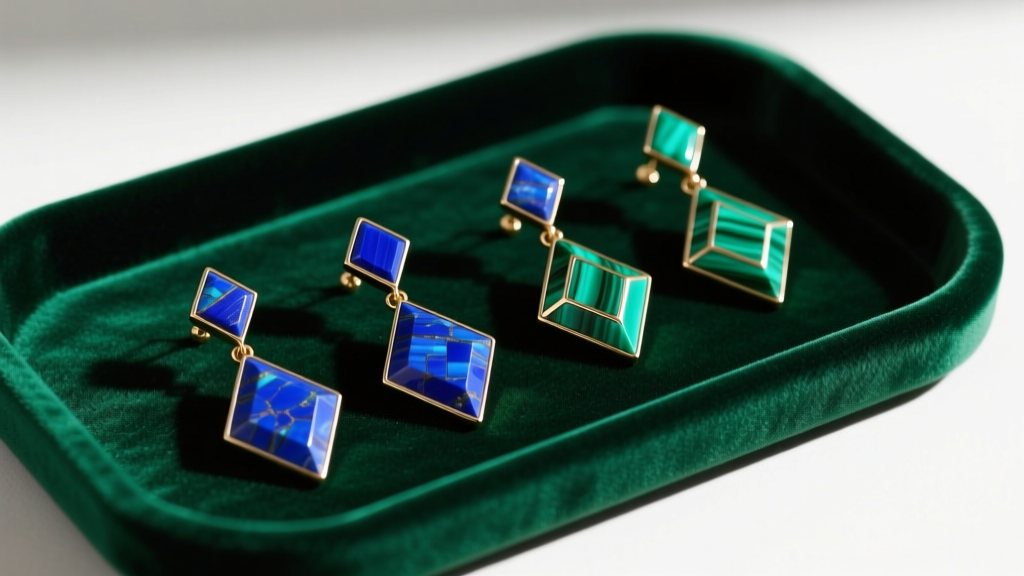
- The Geometric Shield: Retains its oversized lobe presence but is now crafted with bezel-set synthetic or ethically sourced lapis lazuli, reducing the environmental impact compared to 1970s mining practices.
- The Textured Hoop: The classic hammered brass hoop is reimagined as a 'huggie' for the tragus or daith, featuring the same organic, hand-hammered dimpling but scaled to 10mm-12mm diameters for cartilage snugness.
| 70s Silhouette | Original Material | 2026 Material Upgrade | Standard Gauge | Avg. Price Range |
|---|---|---|---|---|
| Oversized Shield Drop | Solid Brass / Glass | Hollow-form 14k Gold / Ethical Turquoise | 20g (0.8mm) | $250 - $600 |
| Feather Motif Dangle | Pinchbeck / Resin | PVD Gold over Implant-Grade Titanium | 18g (1.0mm) | $85 - $150 |
| Hammered Texture Hoop | Copper / Gold-Plated | Recycled 18k Solid Gold | 18g (1.0mm) | $300 - $850 |
| Macramé-Style Wire Cuff | Oxidized Silver | Black Rhodium over Platinum | 16g (1.2mm) | $400 - $1,200 |
Sourcing and Pricing: Fast Fashion vs. Fine Heirlooms
The market for 70s-inspired earrings in 2026 is sharply bifurcated. On the accessible end, fast-fashion retailers offer $15 to $35 interpretations using zinc alloys and epoxy-resin 'stones.' While visually appealing for a single season, these pieces suffer from rapid oxidation and high nickel content, making them unsuitable for prolonged wear or fresh piercings.
The mid-tier market ($80 to $180), dominated by contemporary digital-first jewelry brands, offers vermeil (thick gold plating over sterling silver) and synthetic gemstone inlays. These are excellent for trend-driven styling but require careful maintenance to prevent the silver base from tarnishing through the gold layer.
For true investment pieces, the fine jewelry sector ($300 to $1,200+) delivers heirloom-quality 70s revivals. These pieces feature solid 14k or 18k recycled gold, natural AAA-grade turquoise or malachite cabochons, and precision-engineered hinges and clasps that ensure the heavy geometric drops sit perfectly flush against the earlobe without drooping forward.
Styling Framework: Matching 70s Drops to Face Shapes
Because 70s earrings are inherently bold and voluminous, applying a structured styling framework based on facial geometry is crucial to prevent the jewelry from overwhelming the wearer.
Round Face Shapes: Opt for the 70s angular geometric shields or long, rectangular lapis lazuli drops. The sharp, linear lines of these vintage-inspired pieces create an optical illusion that elongates the face and adds structural definition to soft jawlines. Avoid oversized circular hammered hoops, which will only emphasize facial roundness.
Square Face Shapes: The 70s bohemian feather and curved teardrop motifs are your best ally. The organic, flowing lines and rounded cabochon stones soften strong, angular jawbones. Medium-sized textured hoops (around 30mm in diameter) also work beautifully to frame the face without adding harsh geometric angles.
Heart Face Shapes: Balance a wider forehead and narrower chin with 70s-inspired chandelier earrings or tiered malachite drops that add visual weight and volume to the lower half of the face, drawing the eye downward and creating harmonious proportion.
Final Verdict on the 70s Revival
The 2026 resurgence of 70s earrings is a triumph of modern metallurgy meeting vintage soul. By replacing heavy, allergenic brass with lightweight, biocompatible titanium and recycled gold, contemporary jewelers have made the bold, unapologetic spirit of the 1970s accessible for everyday, all-day wear. Whether you are anchoring your ear curation with a pair of hollow-form turquoise shields or subtly nodding to the decade with a PVD-coated feather helix cuff, the 70s revival offers a masterclass in how to wear history without being weighed down by it.


