How to Clean and Maintain Bull Earrings and Septum Rings
Expert cleaning protocols for bull earrings, from 16g titanium septum clickers to brass horn motifs. Prevent tarnish, stuck hinges, and irritation.

Defining the 'Bull Earring' Category
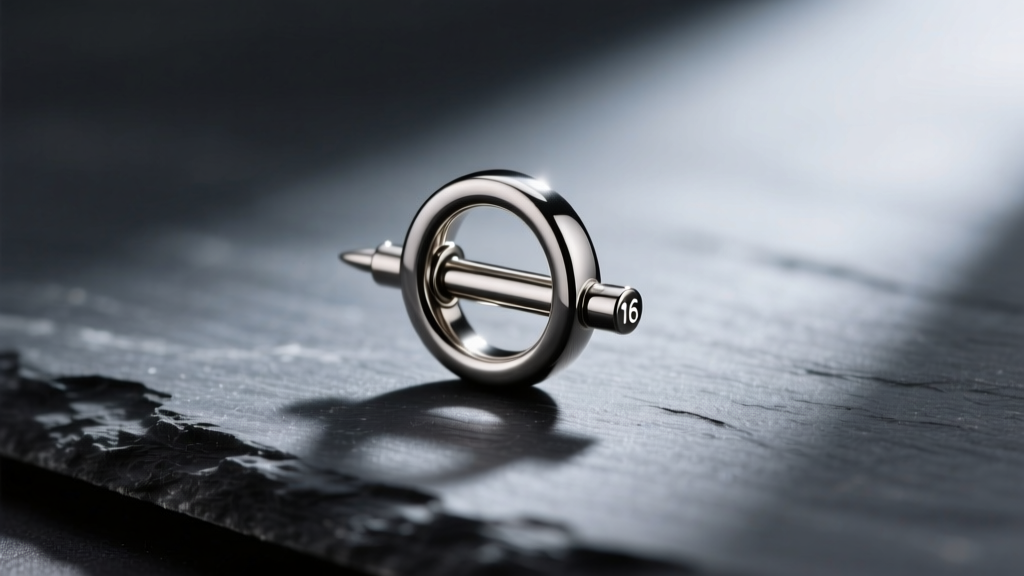
When enthusiasts and collectors search for bull earrings, the intent typically splits into two distinct jewelry categories: the iconic 'bull ring' septum clicker (often mimicking a bovine nose ring) and bovine motif earrings featuring bull horns, skulls, or steer silhouettes. While both styles project a bold, alternative aesthetic, their maintenance protocols are vastly different. A 16-gauge titanium septum ring requires strict sanitization and mechanical hinge care, whereas a brass or sterling silver horn motif demands chemical tarnish management and oxidation control.
As of 2026, the body jewelry market has seen a massive influx of hybrid materials and intricate hinge mechanisms. However, the fundamental metallurgy remains unchanged. Improper cleaning not only ruins the aesthetic finish of your jewelry but can also lead to contact dermatitis, localized infections, and permanent mechanical failure of clicker segments. This comprehensive guide breaks down the exact E-E-A-T certified protocols for maintaining both interpretations of bull earrings.
Material Breakdown and Vulnerability Matrix
Before applying any cleaning solution, you must identify the exact material grade of your earrings. Using an acidic cleaner on porous stones or an abrasive paste on high-polish titanium will cause irreversible micro-scratches. Below is a vulnerability matrix for the most common materials used in bull-themed ear and septum jewelry.
| Material Grade | Common Style | Primary Vulnerability | Recommended Cleaner |
|---|---|---|---|
| ASTM F136 Titanium | Septum Bull Ring Clicker | Sebum buildup in barrel hinge | Sterile Saline / Ultrasonic |
| 316L Surgical Steel | Septum Clicker / CBR | Nickel leaching if scratched | Mild Unscented Soap |
| 925 Sterling Silver | Horn Motif Studs / Cuffs | Sulfur tarnishing (blackening) | Silver Polishing Cloth |
| Raw Brass / Bronze | Skull / Horn Dangles | Copper oxidation (green skin) | Lemon Juice & Baking Soda |
| Gold Vermeil (18k over Silver) | Minimalist Bull Horn Studs | Plating degradation | Warm Water & Microfiber |
Protocol A: Sanitizing Septum 'Bull Ring' Clickers
The septum 'bull ring' is traditionally worn in 14g (1.6mm) or 16g (1.2mm) sizes. The most popular variant is the segment clicker, which features a microscopic barrel hinge that allows the ring to snap shut seamlessly. This hinge is a notorious trap for dead skin cells, sebum, and cosmetic products.
The Ultrasonic Method (For Titanium and Steel)
If your septum ring is made of solid implant-grade titanium (ASTM F136) or 316L surgical steel without porous gemstones, an ultrasonic cleaner is your best investment. According to the Association of Professional Piercers (APP), mechanical agitation is often required to dislodge microscopic debris from jewelry crevices.
- Frequency: Use a 40kHz ultrasonic cleaner. Higher frequencies (like 80kHz) are too gentle for body oils, while lower frequencies can pit softer metals.
- Solution: Fill the tank with warm distilled water and a single drop of unscented, non-antibacterial liquid soap (such as Dr. Bronner's Baby Unscented).
- Duration: Run the cycle for exactly 3 minutes. Prolonged exposure to vibration can weaken the tension pin inside the clicker hinge.
- Drying: Rinse thoroughly with sterile saline (0.9% sodium chloride) and pat dry with a lint-free paper towel. Never use cloth towels, as micro-threads can catch on the hinge seam.
Manual Hinge Flushing
If you do not own an ultrasonic machine, you must manually flush the hinge. Submerge the 16g clicker in a shot glass filled with warm water and a dash of baby soap for 10 minutes. Use a soft-bristled infant toothbrush to gently agitate the seam where the segment meets the barrel. Open and close the clicker while submerged to force the soapy water through the internal mechanism.
Protocol B: Polishing Brass and Silver Horn Motifs
Bovine motif earrings—such as sprawling bull horn ear cuffs or geometric bull skull studs—are frequently crafted from 925 sterling silver or raw brass to keep costs accessible while maintaining a heavy, premium feel. However, these reactive metals require specific chemical interventions.
Combating Sterling Silver Sulfur Tarnish
Sterling silver contains 7.5% copper, which reacts with atmospheric sulfur and hydrogen sulfide to create silver sulfide (the black tarnish on your jewelry). The Gemological Institute of America (GIA) strongly advises against using liquid 'silver dips' on textured or oxidized jewelry, as these harsh thiourea-based chemicals will strip intentional antiquing from the crevices of a bull skull design.
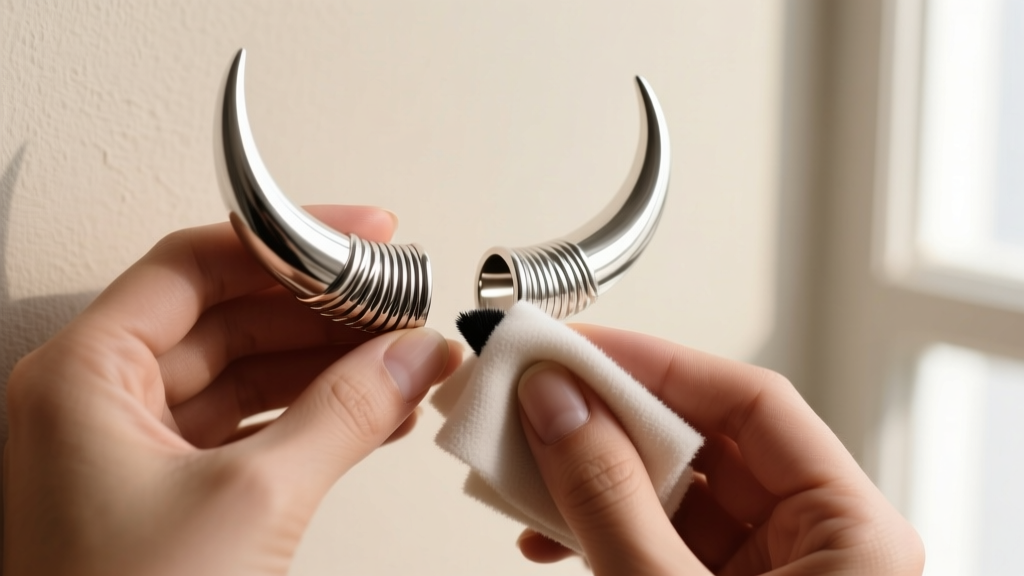
Instead, use a treated microfiber silver polishing cloth. Rub the cloth in long, unidirectional strokes rather than circles to prevent micro-scratching. For deep crevices in horn textures, use a wooden toothpick wrapped in a thin layer of the polishing cloth to gently lift the tarnish without abrading the silver.
Neutralizing Brass Oxidation (The 'Green Skin' Fix)
Raw brass is an alloy of copper and zinc. When copper reacts with the acids and salts in your sweat, it produces copper chloride—a green compound that transfers to your skin. To restore raw brass bull horn earrings:
- Create a paste using equal parts baking soda and fresh lemon juice.
- Apply the paste to the brass using a cotton swab, avoiding any glued-in gemstones or enamel fills.
- Let it sit for no more than 3 minutes. The citric acid will dissolve the copper oxide layer.
- Rinse thoroughly with distilled water and immediately dry. Any residual moisture will accelerate future oxidation.
Dangerous Cleaning Myths to Avoid
Expert Warning: Never use toothpaste to clean silver or brass bull earrings. Toothpaste contains hydrated silica and calcium carbonate with a Relative Dentin Abrasivity (RDA) value often exceeding 70. This will permanently scratch high-polish finishes and leave a dull, matte haze on your jewelry.
Additionally, avoid rubbing alcohol (isopropyl) on gold vermeil or plated brass earrings. Alcohol degrades the microscopic lacquer coatings often applied to plated jewelry to prevent tarnishing, leading to rapid flaking and base metal exposure.
Troubleshooting Common Mechanical and Chemical Issues
Stuck Septum Clicker Hinges
If your 14g titanium bull ring refuses to snap open or closed, the internal tension pin is likely bound by calcified sebum. Do not use pliers. Pliers will crush the delicate 1.2mm or 1.6mm wire gauge. Instead, boil a cup of distilled water, remove it from the heat, and submerge the ring for 5 minutes. The thermal expansion combined with the heat will melt the trapped lipids, allowing the hinge to move freely once cooled.
Skin Irritation and Contact Dermatitis
If you experience itching or flaking around your cartilage or lobe when wearing brass or surgical steel motif earrings, you are likely reacting to nickel or copper. For a temporary fix, coat the post or ear cuff wire in a thin layer of clear, non-toxic nail polish to create a biocompatible barrier. For a permanent solution, upgrade to ASTM F136 titanium or solid 14k gold pieces.
Long-Term Storage and Preservation
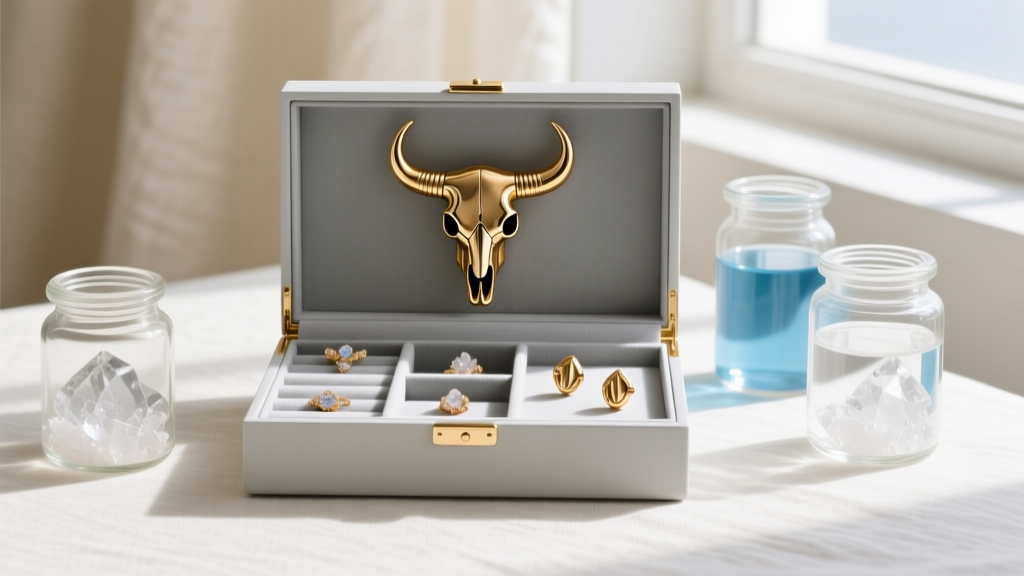
Proper storage is just as critical as the cleaning process itself. Leaving sterling silver or brass bull earrings exposed to ambient humidity guarantees oxidation within weeks.
- Anti-Tarnish Strips: Store silver horn motifs in airtight ziplock bags alongside 3M anti-tarnish strips, which absorb atmospheric sulfur.
- Silica Gel Packets: Drop a small silica gel desiccant packet into your jewelry box to control ambient moisture, particularly if you live in a high-humidity climate.
- Segregation: Never store titanium septum clickers in the same compartment as raw brass or silver. The friction will cause the softer metals to scratch, and galvanic corrosion can occur if moisture is present.
The Expert Verdict
Maintaining bull earrings requires a bifurcated approach. Treat your septum clickers as medical-grade body jewelry, relying on sterile saline, ultrasonic agitation, and gentle mechanical brushing to preserve the hinge integrity. Conversely, treat your brass and silver horn motifs as delicate metallurgical art pieces, utilizing targeted acid-base reactions and specialized polishing textiles to combat environmental tarnish. By matching the cleaning protocol to the specific alloy and mechanical design, your collection will remain striking, hygienic, and structurally sound for decades.


