How to Choose & Style Orange Earrings: 2026 Buyer's Guide
Discover how to choose the perfect orange earrings in 2026. Compare carnelian, fire opal, and garnet, plus learn metal pairings and gauge sizes.

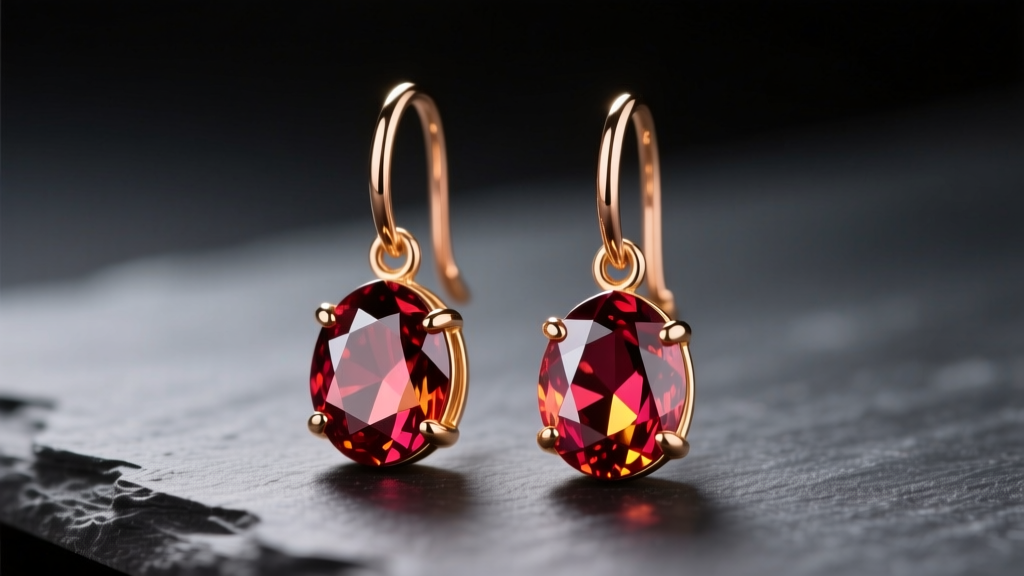
Orange earrings have firmly cemented their place in the upper echelon of fine jewelry trends for 2026. Moving beyond the basic amber and coral pieces of the past decade, today's discerning collectors are seeking out vibrant spessartite garnets, ethically sourced carnelian, and masterfully crafted vitreous enamel. Whether you are hunting for a subtle terra-cotta stud for the office or a show-stopping fire opal drop for evening wear, navigating the market requires a keen understanding of gemology, metal pairing, and structural integrity.
This comprehensive buying guide cuts through the marketing fluff. We will explore the exact material grades, gauge requirements, and pricing tiers you need to know before investing in high-quality orange earrings. By understanding the Mohs hardness and specific failure modes of these unique stones, you can build a collection that is as durable as it is breathtaking.
The Gemological Matrix: Decoding Orange Stones
Not all orange gemstones are created equal. The market is flooded with dyed agates masquerading as premium carnelian, and heat-treated amethysts sold as rare citrines. When shopping for fine orange earrings, you must evaluate the stone's origin, treatment, and inherent durability. According to the Gemological Institute of America (GIA), natural carnelian should exhibit slight color zoning and a cloudy translucency, whereas dyed versions often show concentrated color along fracture lines.
For those seeking brilliance, spessartite garnet—specifically the highly prized 'Mandarin' variety from Namibia—offers a refractive index that rivals sapphire. However, this comes at a premium. Below is a buyer's matrix to help you evaluate the top orange gemstones used in contemporary earring design.
| Gemstone | Mohs Hardness | Est. Price per Carat | Ideal Earring Style | Durability & Care Notes |
|---|---|---|---|---|
| Spessartite Garnet | 7.0 - 7.5 | $300 - $2,500+ | Prong-set Drops & Studs | Excellent durability. Avoid hard knocks. Clean with warm soapy water. |
| Carnelian | 6.5 - 7.0 | $5 - $40 | Cabochon Studs & Hoops | Prone to scratching if stored with diamonds. Beware of dyed agate fakes. |
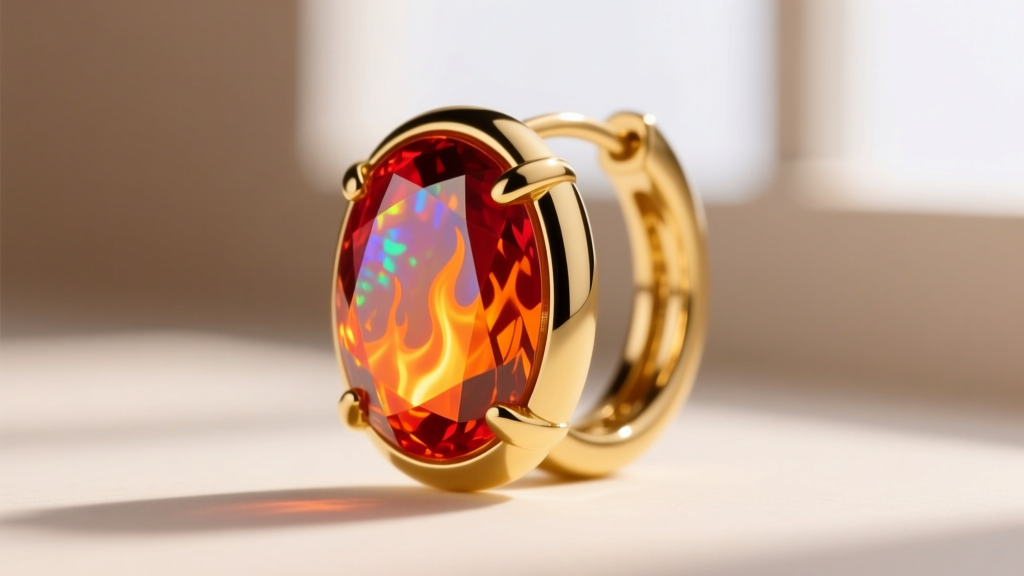
| Mexican Fire Opal | 5.5 - 6.5 | $50 - $350 | Bezel-set Dangles | High risk of crazing (cracking) if exposed to heat or ultrasonic cleaners. |
| Precious Citrine | 7.0 | $15 - $60 | Faceted Huggies & Drops | Very durable. Ensure it is natural citrine, not heat-treated amethyst. |
Enamel and Resin: The Alternative Orange Earrings
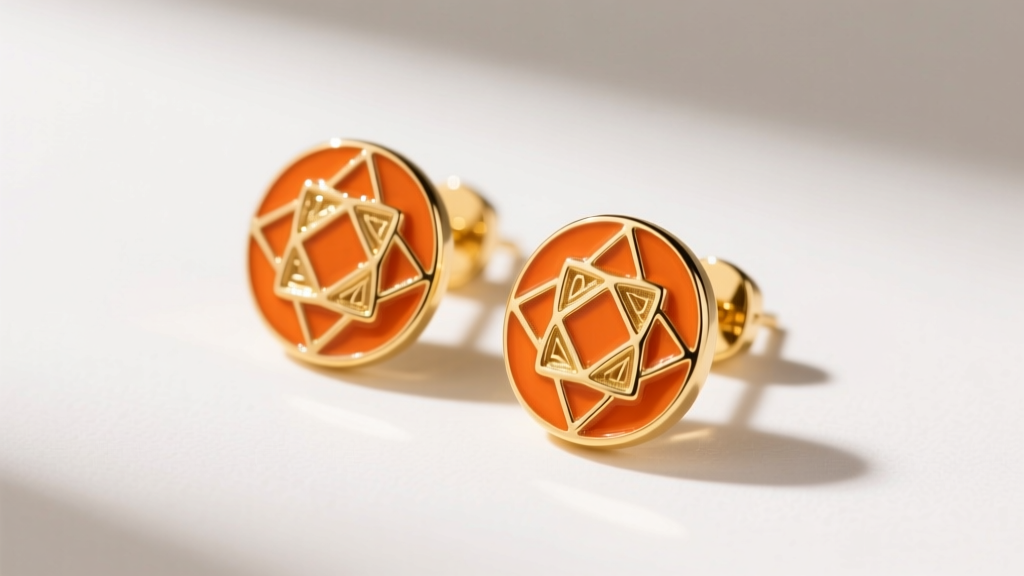
If gemstones aren't your preference, 2026 has seen a massive resurgence in artisanal enamel work. When buying orange enamel earrings, it is critical to distinguish between cold enamel (essentially tinted epoxy resin) and vitreous enamel (fused glass powder). Vitreous enamel, particularly the guilloché technique where transparent orange glass is fused over an engine-turned metal base, offers a luminous depth that resin simply cannot replicate.
Resin-based orange earrings are perfectly fine for fashion jewelry under $50, but they will yellow and degrade under UV exposure over time. If you are paying fine jewelry prices (upwards of $300), demand vitreous enamel. Be aware that vitreous enamel is essentially glass; while it resists scratching and fading, it will shatter if dropped on a hard tile floor. Always store enamel earrings in individual soft pouches.
Metal Pairings: Maximizing Warmth and Contrast
The metal you choose will drastically alter the visual temperature of your orange earrings. Here is a strategic framework for pairing metals with specific orange hues:
- 14k or 18k Rose Gold: The copper alloy in rose gold harmonizes beautifully with peachy, terra-cotta, and salmon-colored stones like padparadscha sapphire or light carnelian. It creates a monochromatic, sunset-inspired aesthetic that is highly sought after in 2026.
- 18k Yellow Gold: The classic choice for deep amber, spessartite garnet, and fire opal. The rich yellow tones amplify the warmth of the stone, making it look 'juicier' and more vibrant.
- Platinum or 18k White Gold: Use this for high-contrast, modern designs. A bright tangerine enamel or a vivid mandarin garnet set in white gold creates a striking, icy-warm juxtaposition that makes the orange color visually 'pop' from across the room.
Sizing, Gauge, and Placement: Structural Considerations
A common failure mode in heavy gemstone earrings is the 'cheese-cutter effect,' where a thin post slices through the earlobe due to the weight of the stone. When buying orange earrings featuring large cabochons or dense garnets, you must pay attention to the post gauge and the earring's center of gravity.
Lobe Piercings
Standard lobe piercings accommodate 20-gauge (0.81mm) or 18-gauge (1.02mm) posts. If your orange carnelian drops weigh more than 4 grams per earring, insist on an 18-gauge or even 16-gauge (1.29mm) post. Additionally, look for earrings with a 'basket' setting or a wide, flat butterfly back (or better yet, a secure screw-back or locking clutch) to distribute the weight evenly and keep the earring facing forward rather than drooping.
Cartilage and Helix Placements
Cartilage piercings are typically done at 16-gauge (1.29mm) or 14-gauge (1.63mm). If you are buying orange huggies or flat-back studs for the helix, ensure the post is made of implant-grade titanium (ASTM F136) or 14k/18k solid gold. Cartilage is highly prone to irritation bumps, and nickel-heavy white gold alloys can trigger severe contact dermatitis in these sensitive areas. For cartilage, a bezel setting is mandatory for fire opals to prevent the stone's fragile girdle from catching on hair or clothing.
Face Shape and Styling Framework
Orange is an inherently loud, advancing color. It draws the eye immediately. Therefore, the silhouette of the earring must balance your facial geometry:
Round faces benefit from elongated, linear orange drop earrings (such as a baguette-cut citrine or a long carnelian teardrop) to create verticality. Avoid large, round orange hoops, which will only emphasize facial width.
Square and angular jawlines are softened by curved orange huggies or circular cabochon studs. The warmth of a round spessartite garnet stud in rose gold will draw attention to the cheekbones while softening the lower face. Heart-shaped faces should opt for teardrop or chandelier orange earrings that are wider at the bottom, adding visual weight to a narrower chin.
Final Pre-Purchase Checklist
Before you finalize your purchase, run the earrings through this quick E-E-A-T verification checklist:
- Verification: Has the seller disclosed any treatments? (e.g., 'dyed' carnelian, 'heat-treated' citrine). The GIA's Spessartite Garnet profile notes that while garnets are typically untreated, other orange stones are frequently enhanced.
- Hardware Check: Is the post gauge thick enough to support the stone's weight without drooping?
- Setting Security: Are fragile stones like fire opal protected by a bezel or half-bezel setting?
- Metal Purity: Is the metal stamped (e.g., 750 for 18k, 585 for 14k), and is it nickel-free for sensitive cartilage piercings?
By prioritizing structural integrity and gemological authenticity over fleeting fast-fashion trends, your orange earrings will remain a vibrant, enduring staple in your jewelry rotation for decades to come.


