Earring That Helps With Headaches: Cost & Value Analysis
Assessing the true value of an earring that helps with headaches. We compare daith piercing jewelry costs, magnetic studs, and material grades.

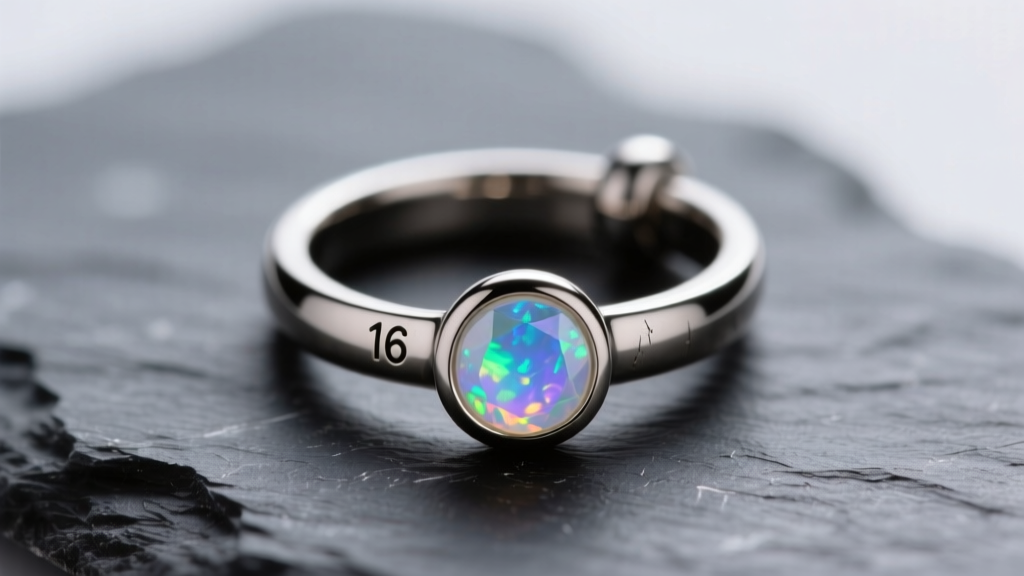
The Search for Relief: Separating Hype from Hardware
When chronic tension or migraines strike, consumers often search for an earring that helps with headaches, hoping to find a non-pharmaceutical solution hidden in their jewelry box. In 2026, the market is dominated by two distinct camps: the surgical route (daith piercings targeting the vagus nerve) and the non-invasive route (magnetic therapy earrings). But as a jewelry investment, do these pieces offer genuine material value, or are you simply paying a 'placebo tax'?
At Jewel Style Radar, we evaluate jewelry not just on aesthetics, but on material integrity, longevity, and cost-per-wear. In this comprehensive budget and value assessment, we break down the exact pricing, material grades, and hidden failure modes of headache-relief earrings to help you decide where your money is best spent.
The Daith Piercing: A High-Investment Anatomical Gamble
The daith piercing passes through the innermost cartilage fold of the ear. Proponents claim it stimulates a branch of the vagus nerve, mimicking the effects of acupuncture to reduce migraine frequency. While the American Migraine Foundation notes that clinical evidence remains largely anecdotal, the demand for high-quality daith jewelry has skyrocketed, turning it into a premium body modification investment.
Procedure and Jewelry Costs
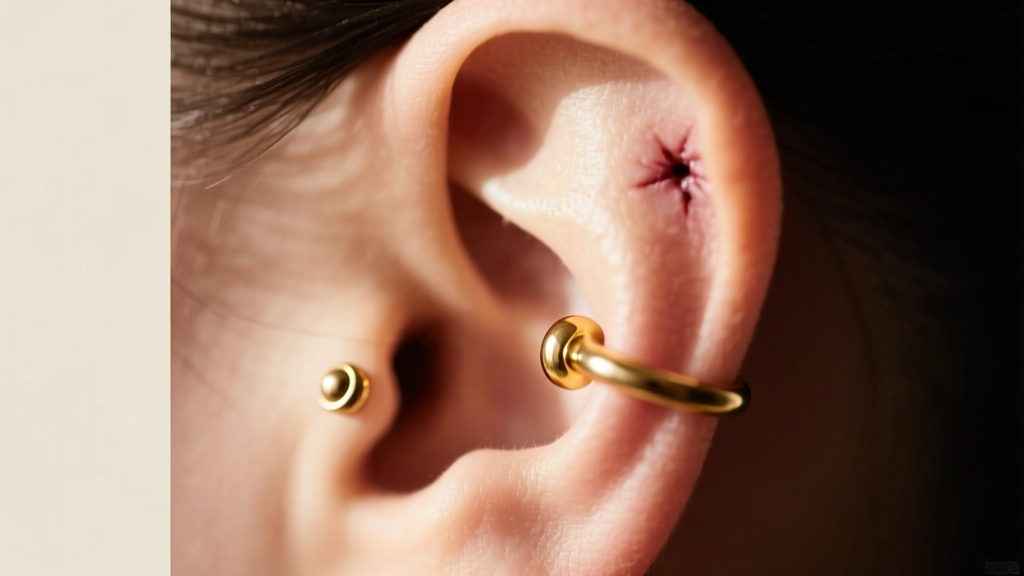
If you do not already have a daith piercing, the upfront cost is substantial. A reputable, APP-certified piercer will charge between $60 and $120 for the procedure. However, the true value lies in the jewelry. You should budget an additional $50 to $250 for the initial piece. Cheap, mall-kiosk jewelry is a false economy here; low-grade metals in fresh cartilage piercings lead to irritation bumps, prolonging healing from the standard 6-9 months to over a year.
Material Grades: What You Must Demand
When buying a daith earring for therapeutic or aesthetic reasons, material science is non-negotiable. You must look for ASTM F136 implant-grade titanium. This specific alloy is nickel-free and highly biocompatible. Alternatively, solid 14k or 18k nickel-free gold (often alloyed with palladium) is acceptable for healed piercings. Avoid 'surgical steel' (often 316L), which contains up to 14% nickel and can cause allergic contact dermatitis, completely ruining the value of your investment.
- Threadless Ends: Opt for threadless (press-fit) titanium ends. They offer superior security compared to threaded balls, ensuring you don't lose a $80 gemstone end in your hair.
- Anodizing: Titanium can be anodized to create vibrant colors without using toxic paints or platings, adding aesthetic value without compromising biocompatibility.
Magnetic Therapy Earrings: The Budget Alternative
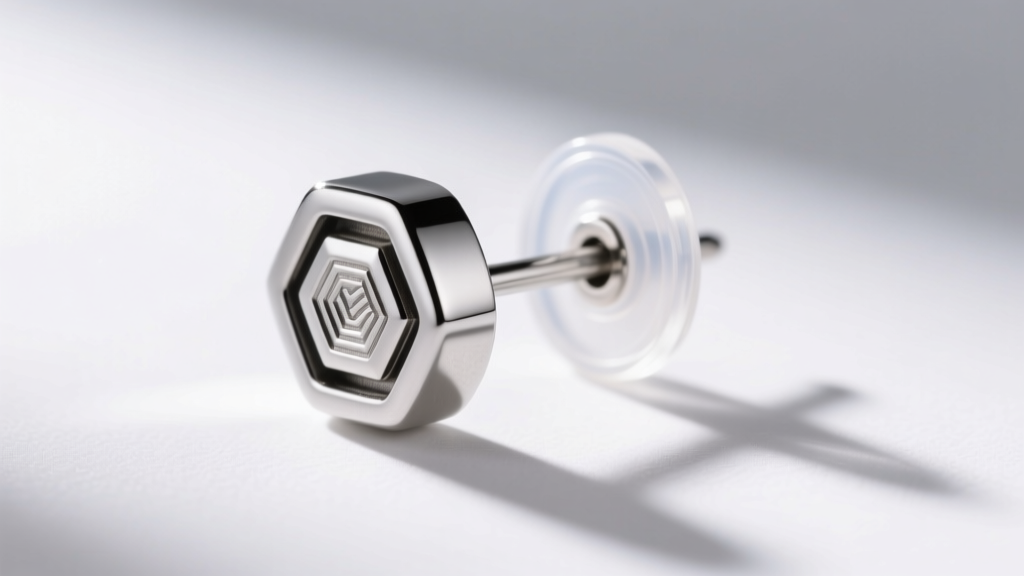
For those unwilling to commit to a permanent cartilage puncture, magnetic earrings offer a non-invasive alternative. These typically consist of a stud with a neodymium magnet on the front and a corresponding magnetic backing that clamps the earlobe. The theory relies on magnet therapy to improve localized blood flow and relieve tension.
Neodymium Grades and Pricing
Magnetic earrings are significantly cheaper, generally ranging from $15 to $60 per pair. The value here depends entirely on the magnet grade and the protective coating. High-end therapeutic earrings use N52 grade neodymium magnets, the strongest commercially available. However, strength is a double-edged sword. According to the National Center for Complementary and Integrative Health, magnetic therapy lacks robust scientific backing for pain relief, meaning you are primarily paying for the hardware, not a guaranteed medical outcome.
The Coating Failure Mode
The greatest financial risk with magnetic earrings is material degradation. Raw neodymium magnets oxidize rapidly and contain nickel. Therefore, they must be coated. Budget brands use cheap epoxy resin, which chips and degrades when exposed to sweat and skin oils within a few months. Once the coating fails, the raw magnet touches your skin, causing severe allergic reactions and necrosis from excessive clamping pressure. For better value, seek out magnets with Parylene coating or triple-layered Ni-Cu-Ni (Nickel-Copper-Nickel) plating, which extends the lifespan of the earring significantly.
Cost vs. Value Comparison Matrix
To visualize the budget assessment, we have compared the three most common 'headache relief' ear options available on the market today.
| Feature | Daith Piercing (Titanium) | Magnetic Therapy Studs | Auriculotherapy Ear Seeds |
|---|---|---|---|
| Upfront Cost | $110 - $370 (Procedure + Jewelry) | $15 - $60 | $10 - $25 |
| Material Grade | ASTM F136 Titanium / Solid Gold | N42-N52 Neodymium + Epoxy | Vaccaria Seeds + Adhesive |
| Lifespan | Lifetime (Jewelry is permanent) | 3 - 8 Months (Coating degrades) | 3 - 5 Days (Disposable) |
| Resale Value | High (Precious metals retain value) | Zero | Zero |
| Risk Factor | Infection, Migration, Rejection | Skin Necrosis, Allergic Dermatitis | Mild Adhesive Irritation |
Hidden Costs and Long-Term Value
When assessing the budget for an earring that helps with headaches, you must factor in the hidden costs of failure modes.
The Cost of Complications
A daith piercing that migrates or rejects due to poor jewelry quality or improper placement (the Association of Professional Piercers warns against using rings in fresh cartilage) will leave you with a permanent scar and a sunken investment. Furthermore, treating a cartilage infection can incur medical copays and the cost of specialized saline aftercare solutions. Conversely, the hidden cost of magnetic earrings is replacement frequency. Because the epoxy coatings on budget magnets break down, you will likely need to repurchase them two to three times a year, effectively negating their initial 'budget' appeal.
The Placebo Tax vs. Aesthetic Value
If we strip away the unproven medical claims, we must evaluate these items purely as jewelry. A high-quality titanium or gold daith clicker ring holds immense aesthetic and intrinsic value. It is a beautiful, durable piece of body art that happens to sit on an acupuncture point. Magnetic earrings, however, often look bulky and utilitarian. Once the therapeutic novelty wears off, you are left with a piece of hardware that lacks aesthetic elegance and intrinsic material worth.
Final Verdict: Where Should You Put Your Money?
If you are seeking an earring that helps with headaches and want the best long-term value, invest in a professional daith piercing with ASTM F136 titanium jewelry. While the initial capital output is high ($200+), the jewelry lasts a lifetime, retains resale value if made of precious metals, and serves as a stunning aesthetic addition to your ear curation. The potential acupressure benefits are merely a bonus to a sound jewelry investment.
If you are on a strict budget under $30 and simply wish to test the acupressure theory without committing to a needle, skip the magnetic earrings entirely. Instead, purchase auriculotherapy ear seeds (vaccaria seeds on adhesive pads). They cost less than $20, carry virtually zero risk of tissue damage, and allow you to target specific ear points accurately without the heavy, damaging clamping force of cheap neodymium magnets.


