The Ultimate Care Guide for Heart Shape Earrings
Discover expert cleaning methods and maintenance tips to keep your heart shape earrings tarnish-free, sparkling, and in perfect condition for years.

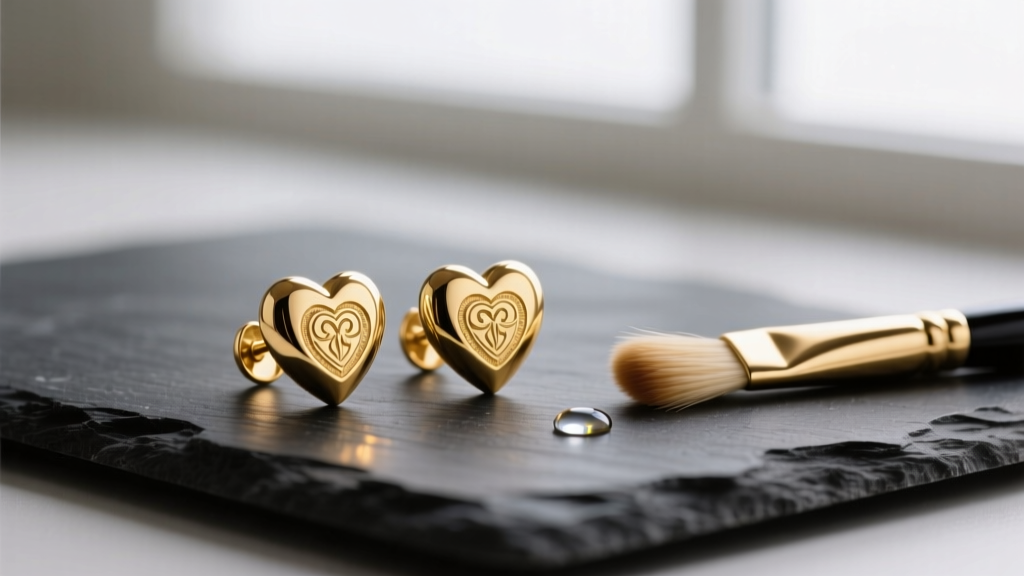
Heart shape earrings are universally flattering, symbolizing love, individuality, and timeless style. However, their distinct geometry presents unique maintenance challenges that standard jewelry guides often overlook. Unlike simple round studs or smooth hoops, the inner cleft and sharp bottom vertex of a heart silhouette create microscopic traps for sebum, cosmetics, and environmental pollutants. If you want your heart shape earrings to maintain their brilliance and structural integrity, a generic jewelry wipe won't suffice. This comprehensive guide delves into the metallurgy, gemology, and practical cleaning protocols required to care for these specific silhouettes.
The Anatomy of Heart Shape Earrings: Where Dirt Hides
To properly maintain your jewelry, you must first understand its structural vulnerabilities. The heart silhouette is defined by three critical areas that require targeted attention:
- The Cleft (Top Indentation): This sharp inward curve is a magnet for silicone-based makeup primers, foundation, and dead skin cells. Because silicone is hydrophobic, water alone will not dislodge it; a mild degreasing surfactant is mandatory.
- The Vertex (Bottom Point): The lowest point of the heart rests against the neck or collarbone. This area suffers the most friction, making it the primary site for rhodium plating wear on white gold or silver pieces. It is also highly susceptible to impact damage and snagging on knitwear.
- The Solder Joints: Where the earring post or jump ring attaches to the top lobes of the heart, microscopic gaps can trap lotions and hairspray, leading to localized corrosion if not agitated properly during cleaning.
Material-Specific Cleaning Protocols
The cleaning agent you choose must be matched to the specific metallurgy and gemstone composition of your heart shape earrings. Using the wrong chemical can cause irreversible damage.
Solid Gold (14k and 18k)
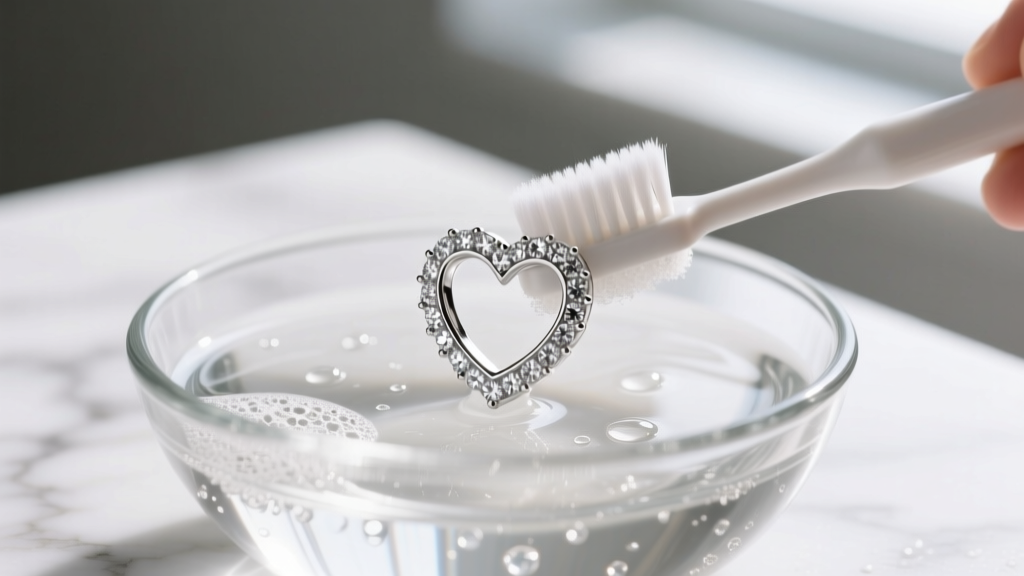
Gold is a relatively soft metal. 18k gold (75% pure gold) is particularly prone to micro-scratching. Never use stiff-bristled brushes or abrasive pastes. A pH-neutral dish soap (such as Dawn) mixed with lukewarm water and an extra-soft baby toothbrush is the gold standard. The soft bristles can easily navigate the tight inner cleft of the heart without marring the high-polish finish.
Sterling Silver and Rhodium Plating
Sterling silver (925) reacts with sulfur in the air to form silver sulfide, commonly known as tarnish. For solid silver heart earrings without gemstones, an electrochemical bath using aluminum foil, boiling water, and baking soda safely reverses tarnish without removing metal. However, if your silver earrings are coated in rhodium (common for white gold and some silver pieces to prevent tarnish and add shine), avoid the foil method. Instead, use a dedicated, non-ammonia silver polishing cloth, paying special attention to the bottom vertex where friction naturally wears the plating down over time.
Gemstone-Embellished Hearts
Diamonds are oleophilic, meaning they attract and hold onto grease and oils from your skin, which severely dulls their sparkle. According to the Gemological Institute of America (GIA), a mild solution of warm water and a few drops of mild dish soap is the safest way to degrease diamonds. Conversely, if your heart shape earrings feature pearls, opals, or emeralds, they must never be submerged. These porous or heavily included stones require only a gentle wipe with a damp, lint-free microfiber cloth.
Step-by-Step Deep Cleaning Method
Follow this precise protocol for a safe, thorough deep clean of your metal and diamond heart shape earrings:
- Prep the Area: Always plug your sink drain or work over a rubber mat. Dropping a small earring down an open drain is a common and costly mistake.
- The Soak: Mix 1 cup of lukewarm distilled water with 3 drops of pH-neutral dish soap. Let the earrings soak for 5 to 10 minutes. This softens hardened sebum in the cleft and under the gallery (the underside basket holding the stone).
- Agitate: Using an extra-soft baby toothbrush, gently brush the earring. Focus on the inner cleft and the underside of the setting. Brush in circular motions, never aggressively back-and-forth, to avoid bending delicate prongs.
- The Rinse: Rinse the earrings under a gentle stream of distilled water. Tap water contains calcium and magnesium, which can leave hard water spots that mimic a cloudy gemstone.
- Dry and Polish: Pat dry with a lint-free microfiber cloth. Avoid paper towels or tissues, as their wood-pulp fibers can leave microscopic scratches on high-polish gold or silver.
Common Maintenance Mistakes to Avoid
Even well-intentioned jewelry owners frequently make errors that degrade the lifespan of their pieces. Avoid these critical failures:
- Using Toothpaste: Toothpaste contains hydrated silica, an abrasive meant for tooth enamel. On jewelry, it acts like sandpaper, creating a matte, scratched finish on precious metals and dulling faceted gemstones.
- Overusing Ultrasonic Cleaners: While ultrasonic cleaners are excellent for solid diamond and gold pieces, the high-frequency vibrations can shatter fracture-filled diamonds, loosen glued settings, and completely destroy the internal structure of opals or emeralds. The Jewelers of America strongly advises checking your specific gemstone's durability before using sonic waves.
- Ignoring the Friction Backs: The butterfly clutch on a standard 20-gauge (0.8mm) or 18-gauge (1.0mm) post accumulates a dense plug of dead skin and lotion. Soak the backs separately in 91% isopropyl alcohol for 5 minutes, then use a wooden toothpick to dislodge the debris from the tiny metal loops.
Storage Solutions to Prevent Tarnish and Scratching
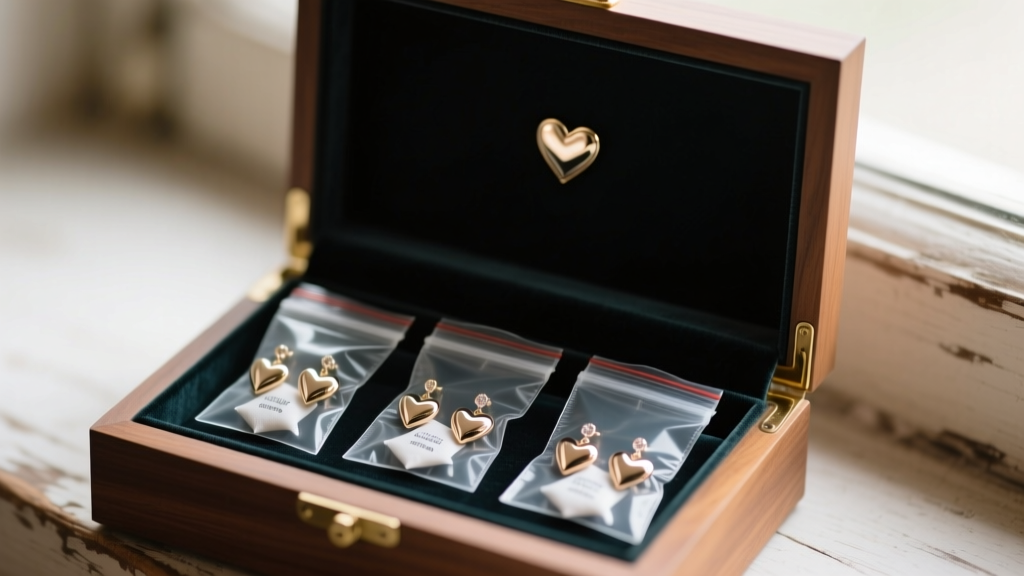
Proper storage is 50% of the maintenance battle. The sharp bottom point of a heart earring can easily scratch the face of a neighboring piece if tossed loosely into a jewelry box. Furthermore, storing jewelry in the bathroom exposes it to high humidity and aerosolized hairspray, accelerating tarnish and creating a sticky film that is difficult to remove.
Store each pair of heart shape earrings in its own small, airtight polyethylene ziplock bag. Squeeze out excess air before sealing. For silver pieces, drop a 3M anti-tarnish strip or a small packet of activated charcoal into the bag to absorb ambient sulfur and moisture. Always store your earrings in a cool, dry bedroom drawer rather than a bathroom vanity.
Quick Reference: Cleaning Agents by Material
| Material / Stone | Safe Cleaning Agent | Agents to Avoid | Recommended Frequency |
|---|---|---|---|
| 14k / 18k Solid Gold | pH-neutral dish soap & warm water | Bleach, chlorine, toothpaste | Every 2-3 weeks |
| Sterling Silver (No Stones) | Aluminum foil + baking soda bath | Harsh silver dips on oxidized finishes | Monthly (or as tarnish appears) |
| Diamonds & CZ | Mild degreasing soap & soft brush | Thick lotions, oils before wearing | Weekly for daily wear |
| Pearls & Opals | Damp microfiber cloth only | Ammonia, ultrasonic, submersion | After every wear |
| White Gold (Rhodium Plated) | Mild soap, gentle wiping | Abrasive polishing cloths, silver dips | Every 2 weeks |
By respecting the unique geometry and material science of your heart shape earrings, you ensure they remain a brilliant, flawless staple in your collection for decades to come. Consistent, gentle care will always outperform aggressive, infrequent cleanings.


