Herringbone Earrings: The Beginner's Guide to Styling & Care
Discover everything about herringbone earrings. Learn how to style these fluid chain and geometric pattern designs, plus essential care tips.

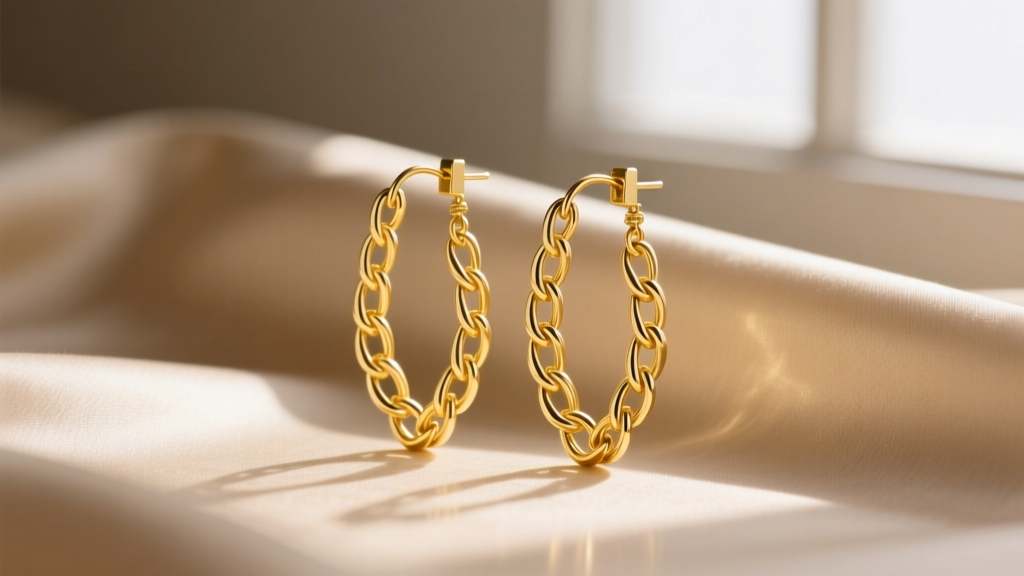
When building a versatile and sophisticated jewelry collection, understanding the nuances of different chain styles and metalwork patterns is essential. As we look at the liquid-metal trends defining 2026, herringbone earrings have emerged as a staple for both minimalist enthusiasts and maximalist stylists. But what exactly makes this design so captivating, and more importantly, how do you care for it? Whether you are looking at a delicate herringbone chain drop earring or a structured geometric herringbone stud, this beginner-friendly explainer will break down the metallurgy, styling frameworks, and crucial maintenance routines you need to know.
What Exactly Are Herringbone Earrings?
The term 'herringbone' in jewelry refers to two distinct design elements. The first, and most common in drop and dangle styles, is the herringbone chain. This chain is constructed from short, flat, parallel links that are set in a V-shaped pattern, creating a fluid, ribbon-like drape that mimics the bones of a herring fish. The second interpretation is the herringbone pattern (or chevron), which is a geometric zigzag design often engraved, enameled, or cast into rigid metal studs and hoops.
For beginners, it is vital to distinguish between the two. A herringbone-patterned stud is rigid, highly durable, and requires standard jewelry care. A herringbone chain earring, however, is a marvel of flexible metalwork that requires specialized handling due to its unique structural vulnerabilities.
The Anatomy and Metallurgy of a Herringbone Chain
To truly appreciate herringbone chain earrings, you must understand how they are manufactured. Unlike cable or rolo chains that feature interlocking round or oval links with a clear core, herringbone chains are created by weaving flat links together and then passing them through a rolling mill. This process flattens the links into a seamless, multi-strand ribbon.
Because the links lie completely flat against one another without a central support wire, the chain possesses an unparalleled 'liquid' drape. However, this lack of a core wire is also its Achilles' heel. According to metallurgical guidelines from the Gemological Institute of America (GIA), the tensile strength and malleability of the gold alloy used heavily dictate the chain's lifespan.
'While 24k gold offers the richest color, its inherent softness makes it entirely unsuitable for herringbone chains. 14k gold (58.5% pure gold alloyed with copper, silver, and zinc) provides the optimal balance of rich hue and structural rigidity required to resist permanent deformation in flat-link chains.'
When shopping for herringbone chain earrings, always look for 14k gold or high-quality sterling silver. Avoid gold-plated brass if you have sensitive ears, as the friction of the flat links can wear down the plating rapidly, exposing the base metal.

Styling by Face Shape: A Beginner's Matrix
Herringbone earrings are incredibly reflective. The flat surface area of the chain catches light from multiple angles, acting almost like a mirror. This high-reflectivity makes them excellent for drawing attention to the jawline and neck. Use the following matrix to select the right silhouette for your face shape.
| Face Shape | Recommended Herringbone Style | Chain Width / Length | Styling Rationale |
|---|---|---|---|
| Round | Long Herringbone Dangles | 2mm - 3mm width, 2+ inches | The elongated, fluid lines create a vertical illusion, slimming and lengthening the facial profile. |
| Square / Angular | Herringbone Pattern Studs or Medium Drops | 1.5mm width, 1 inch or geometric studs | Softens strong jawlines without adding excessive vertical drag; the zigzag pattern complements angular bone structure. |
| Heart | Teardrop Herringbone Dangles | 2mm width, 1.5 inches | Adds visual weight to the lower half of the face, balancing a wider forehead and narrower chin. |
| Oval | Any Style (Huggies, Studs, Long Drops) | Any gauge or width | Oval faces are proportionally balanced and can carry off both the rigid geometric patterns and the long fluid chains. |
Material Grades, Gauges, and Pricing Tiers
Understanding pricing and specifications will protect you from overpaying for fashion jewelry disguised as fine jewelry. Here is what you should expect when shopping for herringbone earrings in the current market.
- Fashion / Gold Vermeil ($40 - $90): Typically features a sterling silver base with a thick layer of 14k or 18k gold. The earring posts are usually standard 20-gauge (0.81mm). Ensure the vermeil is at least 2.5 microns thick to prevent the herringbone links from tarnishing at the friction points.
- Solid 14k Gold ($150 - $450): The sweet spot for durability and value. These earrings will feature 18-gauge (1.02mm) or 20-gauge posts for secure lobe piercing placement. The herringbone chain itself will range from a delicate 1.2mm to a statement 4mm width.
- Solid 18k Gold & Designer ($600 - $1,500+): While 18k gold is more luxurious, remember that it is softer than 14k. If buying 18k herringbone chains, opt for shorter, thicker designs (3mm+) to minimize the risk of kinking.
The Durability Dilemma: How to Prevent Kinking
The most common complaint among first-time herringbone chain owners is kinking. Because the links are flattened and lack a core, bending the chain backward against its natural V-pattern grain will cause the links to buckle. Once a herringbone chain kinks, the structural integrity of that specific section is permanently compromised, and it will always remain a weak point.
The Jewelers of America organization consistently ranks herringbone and snake chains as the most high-maintenance chain styles due to this exact vulnerability. To protect your investment, you must adopt a strict care protocol.
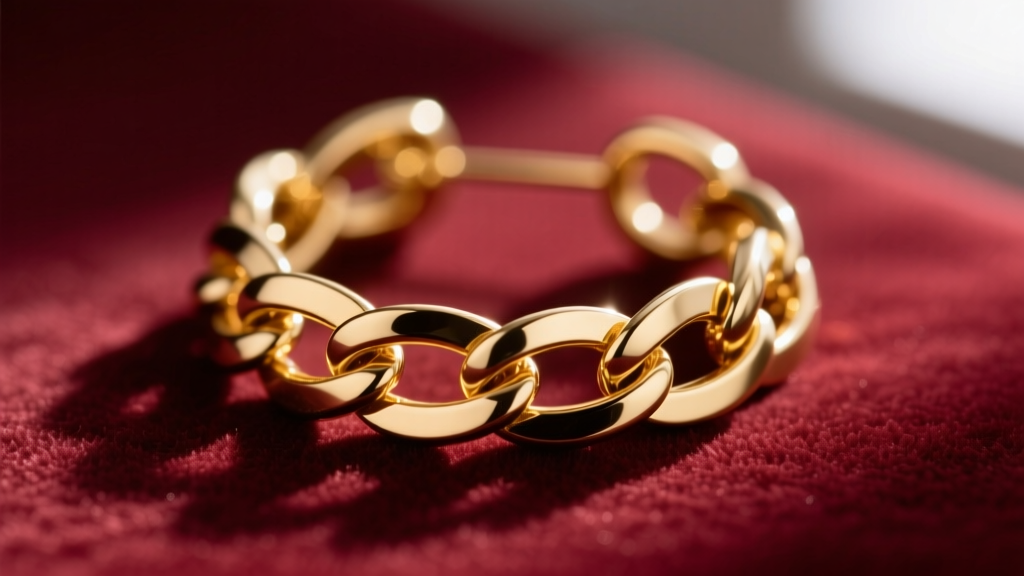
Step-by-Step Untangling and Storage Rules
If you are purchasing herringbone drop earrings, commit to the following maintenance rules to ensure they last a lifetime:
- Never Sleep in Them: The pressure of your head against a pillow is the number one cause of herringbone kinks. Always remove them before bed.
- The Flat Storage Rule: Never toss herringbone earrings into a communal jewelry box where they can be crushed by heavier items. Store them laid completely flat in a dedicated, fabric-lined compartment or a soft pouch.
- Avoid High-Collar Friction: The flat links act like tiny hooks when dragged against rough textiles. Be cautious when wearing them with wool sweaters, sequins, or high-collared jackets, as a snag can instantly snap the delicate links.
- Safe Untangling: If your herringbone dangles become tangled with each other, do not pull. Lay them flat on a hard surface, apply a microscopic drop of baby oil or jewelry lubricant to the knot, and use two fine sewing needles to gently coax the flat links apart.
Final Thoughts for First-Time Buyers
Herringbone earrings offer a level of liquid elegance that very few other jewelry designs can replicate. The way a 14k gold herringbone chain catches the light as you move creates a dynamic, high-end aesthetic that elevates even the simplest outfit. By understanding the difference between the geometric pattern and the fluid chain, selecting the correct face-shape silhouette, and rigorously following the flat-storage care rules, you can confidently integrate this stunning style into your daily rotation. Start with a mid-weight 14k gold pair in a 2mm width, and you will have a versatile, timeless accessory that bridges the gap between everyday minimalism and evening glamour.


