Hippies Earrings Value Guide: Budget vs. Quality Breakdown
Discover if your hippies earrings are worth the price. We break down boho jewelry materials, stone authenticity, gauge sizes, and true market value.

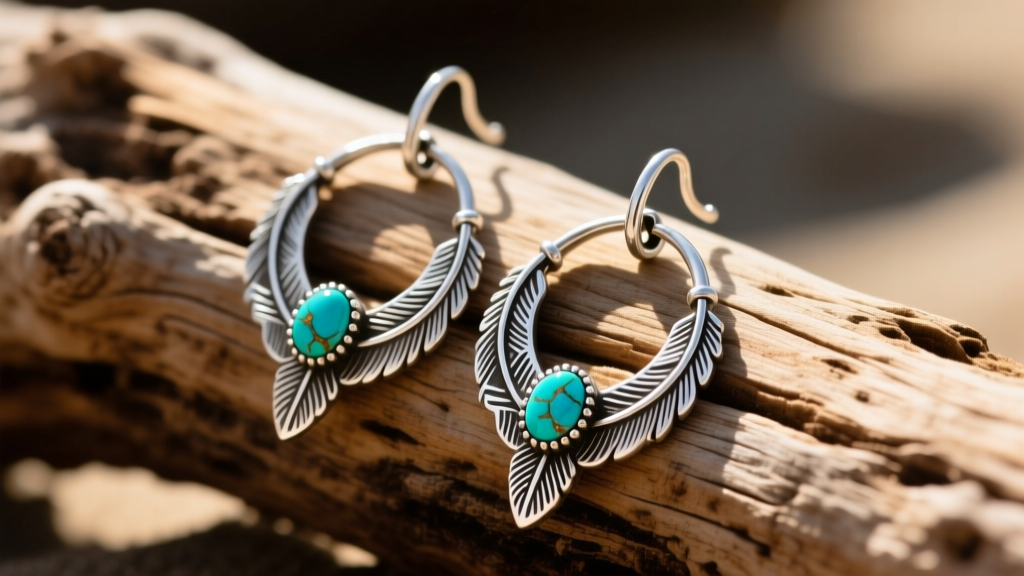
The market for bohemian and festival-inspired jewelry has exploded, but not all pieces are created equal. When shopping for hippies earrings in 2026, consumers are faced with a massive price spectrum ranging from $5 gas-station trinkets to $200 artisan-crafted silversmithing. The aesthetic—characterized by hammered metals, turquoise inlays, macrame, and feather motifs—is timeless, but the structural integrity and material safety vary wildly.
As a senior jewelry analyst, I frequently see buyers overpaying for mass-produced alloy disguised as 'handmade,' or worse, suffering from contact dermatitis due to unregulated base metals. This comprehensive value assessment will break down exactly what you should pay for bohemian earrings, how to identify genuine materials, and the specific gauge requirements needed to protect your earlobes from irreversible damage.
The Material Science of Boho Jewelry
The foundation of any earring dictates its longevity, skin safety, and baseline value. The 'hippie' aesthetic heavily relies on warm, earthy metals and oxidized finishes, which often masks cheap manufacturing shortcuts.
The Brass and Copper Conundrum
Raw brass and copper are staples in bohemian jewelry due to their warm, sun-kissed tones and affordability. However, raw brass is an alloy of copper and zinc. When exposed to the natural acids and salts in human sweat, the copper reacts to form copper chloride, resulting in the notorious 'green skin' effect.
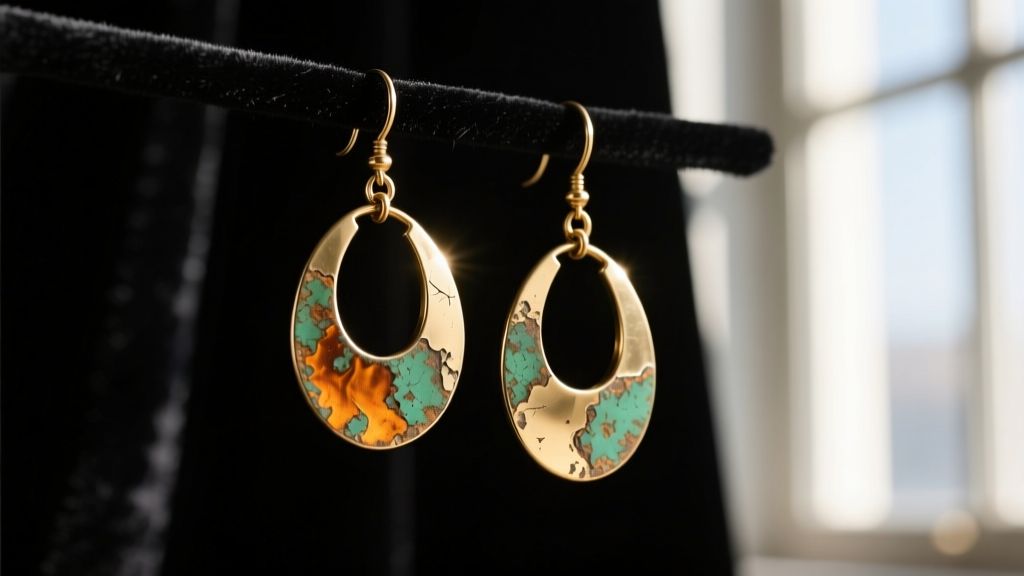
To combat this, mid-tier brands apply an e-coating or clear lacquer. While this prevents oxidation temporarily, the friction of putting on and taking off the earrings will wear the coating away within 3 to 6 months, exposing the raw brass underneath. If you are paying over $40 for brass earrings, ensure they are heavily gold-plated (at least 2.5 microns of 14k gold vermeil) or sealed with a jeweler-grade epoxy resin. Otherwise, you are paying a premium for a temporary finish.
The Hidden Nickel Threat in Fast Fashion
Cheap festival earrings (typically priced under $15) are often cast from 'Tibetan silver' or mystery white metals. These are rarely silver; they are usually zinc alloys heavily laced with nickel to increase hardness and lower melting points. According to the American Academy of Dermatology, nickel allergy is the most common cause of allergic contact dermatitis, affecting up to 36% of women. If your boho dangles leave your lobes itching, red, or weeping, discard them immediately. True value in hippies earrings requires a minimum standard of surgical steel, titanium, or 925 sterling silver for the posts and ear wires.
Stone Authenticity: Turquoise vs. Imitations
No stone is more synonymous with the bohemian aesthetic than turquoise. Unfortunately, it is also the most frequently faked gemstone in the jewelry industry. Genuine, untreated turquoise is porous, rare, and commands a high price per carat.
When evaluating turquoise in bohemian earrings, look for the 'matrix'—the brown or black host rock veining. In genuine stones, the matrix is organic and asymmetrical. In dyed howlite, the veining often looks printed, uniform, or unnaturally deep.
Mass-market brands frequently use dyed howlite or magnesite. These are cheap, white, porous stones that absorb turquoise-colored dye easily. While visually similar to the untrained eye, howlite lacks the waxy luster and structural density of real turquoise. The Gemological Institute of America (GIA) notes that most commercial turquoise is also 'stabilized' with clear epoxy to prevent crumbling, which is an acceptable and disclosed industry practice. However, paying fine-jewelry prices ($100+) for dyed howlite is a complete failure of value assessment. Always demand a certificate of authenticity or a written guarantee of natural, stabilized turquoise from the seller.
Value Assessment Matrix: Price vs. Longevity
To help you budget accurately, I have categorized the 2026 market for hippies earrings into three distinct tiers based on material integrity and craftsmanship.
| Tier | Price Range | Materials & Stones | Longevity & Value |
|---|---|---|---|
| Fast Fashion / Festival | $5 - $18 | Zinc alloy, nickel, dyed howlite, plastic feathers | Low. High risk of allergic reactions, rapid tarnishing, and stone fading. |
| Mid-Tier Artisan | $35 - $75 | 925 Sterling silver, solid brass (e-coated), genuine stabilized turquoise | High. Excellent daily wear, safe for sensitive skin, retains aesthetic value. |
| Fine Boho / Heirloom | $120 - $300+ | 14k/18k Gold, Sleeping Beauty turquoise, hand-forged, custom lapidary | Lifetime. Investment pieces that appreciate or hold intrinsic metal value. |
Gauges, Weight, and Ear Lobe Health
A critical, often overlooked aspect of assessing earring value is the physical mechanics of the ear wire. Bohemian dangles, dreamcatchers, and heavy macrame pieces exert significant downward force on the earlobe.
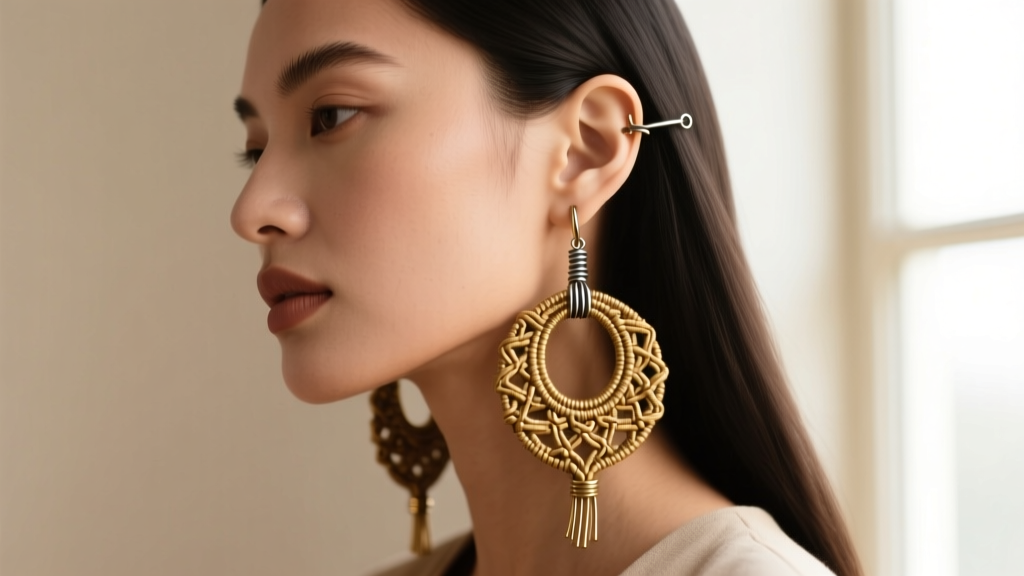
Standard lobe piercings are done at 20-gauge (0.81mm) or 18-gauge (1.02mm). Many budget manufacturers use flimsy 22-gauge (0.64mm) or 24-gauge wire to save on silver costs. When a heavy brass or stone-laden earring hangs from a 22-gauge wire, it creates a 'cheese-cutter effect.' Over time, the thin wire will slowly slice through the tissue of your earlobe, causing irreversible stretching, tearing, and migration of the piercing hole.
The Gauge Rule for Heavy Boho Earrings
- Under 10 grams: 20-gauge wire is perfectly safe and comfortable.
- 10 to 25 grams: Requires a minimum of 18-gauge (1.02mm) wire to distribute weight safely.
- Over 25 grams: Must utilize 16-gauge (1.29mm) French wires, or ideally, a lever-back or huggie-style clasp that supports the weight across a broader surface area of the cartilage and lobe.
If you are evaluating a pair of heavy, artisan-crafted hippies earrings and notice the ear wire is dangerously thin, factor in the $15-$20 cost of having a local jeweler solder on heavier 18-gauge sterling silver French wires. A true artisan will already have accounted for this structural necessity.
The Buyer's Inspection Checklist
Before finalizing your purchase, run the piece through this rapid value-assessment checklist to ensure you are getting what you pay for:
- The Magnet Test: Bring a small neodymium magnet. Sterling silver, brass, copper, and gold are non-magnetic. If the earring post or clasp snaps to the magnet, it contains cheap steel or iron and is not worth a premium price.
- The Hallmark Check: Look for '925', 'Sterling', or a maker's mark stamped on the post or the back of the clasp. Unmarked metal is almost always base alloy.
- The Stone Temperature Test: Genuine turquoise and quartz feel cold to the touch and take a few seconds to warm up against your skin. Dyed howlite, resin, and plastic will feel room-temperature or warm instantly.
- The Clasp Mechanism: For heavy dangles, avoid simple fish-hook wires without silicone stoppers. Look for secure lever-backs or saddle-backed clasps that prevent the heavy piece from falling out in a crowd or windy festival environment.
Final Verdict: Allocating Your Boho Budget
The allure of hippies earrings lies in their free-spirited, handcrafted aesthetic, but that doesn't mean you should accept poor craftsmanship. For everyday wear, the sweet spot for value lies in the $40 to $75 range, where you can secure solid 925 sterling silver, safe hypoallergenic posts, and genuine stabilized stones. Avoid the ultra-cheap festival bins where nickel and mystery alloys lurk, and be highly skeptical of 'bargain' turquoise that is likely just dyed howlite. By prioritizing structural integrity—specifically correct wire gauges and safe metal grades—you ensure your bohemian collection remains a beloved staple rather than a drawer full of green-skinned regrets.


