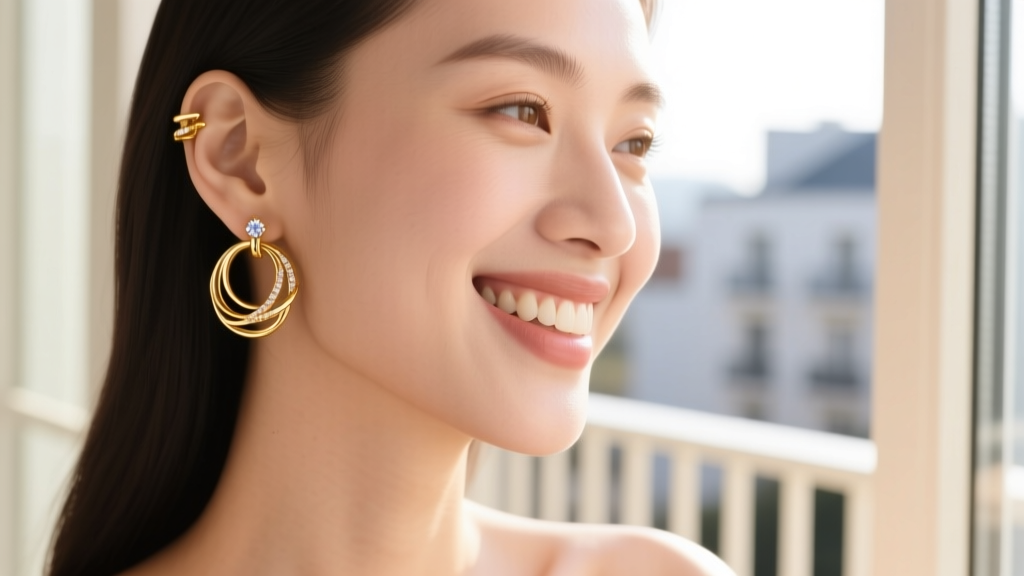
Orange Beaded Earrings: Material Grades & Dye Stability Guide
An expert technical guide to orange beaded earrings, covering carnelian vs. dyed howlite, wire gauge selection, dye fastness, and structural integrity.

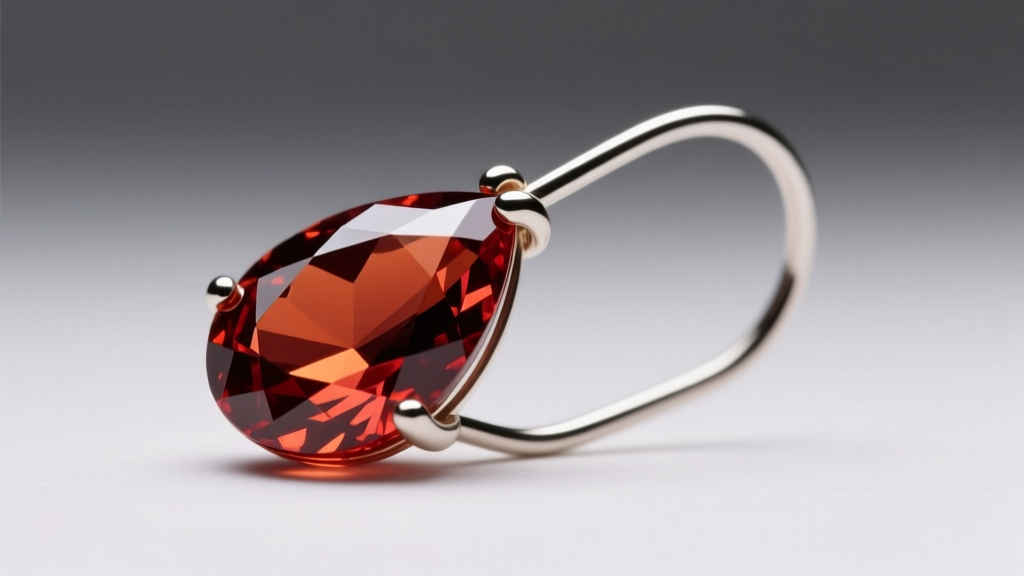
When evaluating orange beaded earrings, the untrained eye sees only a vibrant pop of color. However, for jewelry artisans, gemologists, and discerning collectors, the technical reality of these pieces involves a complex matrix of mineralogy, chemical dye stability, and metallurgical stress points. Whether you are sourcing components for a bespoke collection or analyzing the longevity of a finished piece, understanding the material science behind orange beads is critical. In this expert deep dive, we dissect the structural and chemical properties that dictate the performance, safety, and lifespan of orange beaded earrings.
The Material Science of Orange Beads
The term 'orange bead' encompasses a vast spectrum of materials, ranging from durable crystalline gemstones to porous organics and synthetic polymers. The physical properties of these materials—specifically their Mohs hardness, specific gravity, and porosity—directly influence how they must be drilled, mounted, and worn.
Natural Gemstones: Carnelian and Sunstone
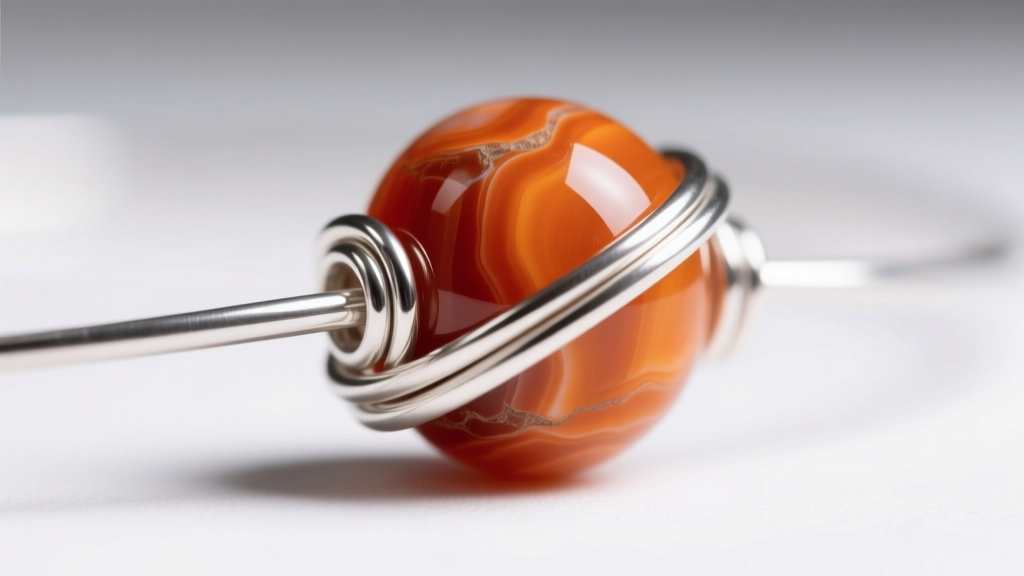
Carnelian, a variety of chalcedony (microcrystalline quartz), is the gold standard for opaque to translucent orange beads. According to the Gemological Institute of America (GIA), carnelian registers between 6.5 and 7 on the Mohs scale, making it highly resistant to everyday abrasion. Its color is derived from iron oxide impurities, which are inherently stable against UV degradation. Sunstone, a plagioclase feldspar, offers a glittering 'aventurescence' due to microscopic copper or hematite platelets. With a Mohs hardness of 6 to 6.5, sunstone requires slightly more care to prevent surface scratching during storage.
Organics: Amber and Copal
Amber provides a lightweight, warm orange alternative, but it presents significant structural challenges. As fossilized tree resin, amber is exceptionally soft (Mohs 2-2.5) and sensitive to heat and solvents. The GIA notes that amber can be easily damaged by standard jewelry cleaning chemicals. Copal, a younger and less polymerized resin, is even more unstable and will often craze or crack if subjected to the friction of a poorly fitted ear wire.
Porous Substrates: Dyed Howlite and Magnesite
A massive segment of the commercial market utilizes howlite or magnesite dyed to imitate carnelian or orange turquoise. These stones are highly porous (Mohs 3.5) and are subjected to vacuum-assisted dye baths. While cost-effective, their structural integrity and colorfastness are heavily dependent on the chemical binders used during manufacturing.
| Material | Mohs Hardness | Specific Gravity | UV Resistance | Typical Bead Cost (8mm) |
|---|---|---|---|---|
| Carnelian | 6.5 - 7.0 | 2.60 | Excellent | $1.50 - $4.00 |
| Sunstone | 6.0 - 6.5 | 2.62 | Good | $3.00 - $8.00 |
| Baltic Amber | 2.0 - 2.5 | 1.08 | Poor (Darkens) | $2.00 - $6.00 |
| Dyed Howlite | 3.5 | 2.53 | Poor (Fades) | $0.15 - $0.50 |
| Epoxy Resin | 2.5 (Varies) | 1.15 | Moderate | $0.20 - $1.00 |
Dye Stability and Color Fastness in 2026
Color degradation is the most common failure mode in commercial orange beaded earrings. The human body produces sebum and sweat, the latter having a pH ranging from 4.5 to 7.0. This mildly acidic environment, combined with the alkaline nature of many commercial soaps, creates a hostile chemical landscape for dyed beads.
The Chemistry of Fading
In dyed howlite and magnesite, manufacturers typically use acid dyes or direct dyes. If the beads are not properly sealed with a cross-linking fixative or a micro-crystalline wax, the acidic nature of human sweat will break the ionic bonds of the dye molecules. This results in 'color bleeding,' where the orange dye transfers onto the wearer's skin or clothing, and the bead itself fades to a mottled gray or chalky white.
Resin Yellowing and UV Degradation
For synthetic orange beads made from UV-cured or epoxy resins, the challenge is not dye bleeding, but polymer degradation. Even in 2026, with advanced HALS (Hindered Amine Light Stabilizers) added to jewelry-grade resins, prolonged exposure to direct sunlight causes the polymer chains to oxidize. An opaque orange resin bead will gradually shift toward a brownish-rust hue as the underlying yellowing of the resin matrix compounds with the orange pigment.
Wire Wrapping and Structural Integrity
The method used to suspend the bead is just as critical as the bead itself. Wire wrapping requires a precise understanding of metallurgy, specifically wire gauge and temper.
Selecting the Right Wire Gauge
For standard 8mm to 12mm orange beads, the internal drill hole usually ranges from 0.8mm to 1.0mm. This accommodates up to a 20-gauge (0.81mm) wire. However, using a single 20-gauge wire for a wrapped loop can result in a bulky, aesthetically displeasing top. The professional standard is to use a 20-gauge half-hard wire for the structural frame and ear wire, and a 24-gauge (0.51mm) dead-soft wire for the decorative wrapping and securing coils.
Work-Hardening and Failure Modes
Wire temper dictates how the metal behaves under stress. 'Dead-soft' wire is easily manipulated but lacks the tensile strength to hold a heavy carnelian teardrop securely. If a jeweler fails to 'work-harden' the wire—either by tumbling the finished piece or mechanically hammering the loops—the earring will slowly pull open under the pendulum effect of daily wear, leading to bead loss. Always inspect the primary suspension loop for a tight, flush closure; a gap of even 0.5mm is a structural vulnerability.
Hardware and Biocompatibility
The ear wire or post is the sole point of contact with the wearer's biology. Given that the earlobe is highly vascular and prone to contact dermatitis, material selection for the hardware must prioritize biocompatibility over cost.
- ASTM F136 Titanium: The absolute benchmark for hypoallergenic ear wires. It contains zero nickel and is highly resistant to corrosion from sweat.
- Niobium: An excellent alternative that can be anodized to match the orange beads. It is inherently hypoallergenic but softer than titanium, meaning 20-gauge niobium ear wires may bend if subjected to lateral pressure.
- Sterling Silver (925): Contains 7.5% copper, which can oxidize and cause green discoloration on sensitive skin. If using sterling silver, ensure the ear wire is rhodium-plated or coated with a clear biocompatible sealant.
- Brass and Base Metals: Frequently used in fast-fashion earrings. These contain high levels of zinc, copper, and occasionally trace nickel, making them unsuitable for prolonged wear, especially when paired with heavy beads that cause micro-abrasions in the piercing fistula.
Weight Distribution and Lobe Health
Orange gemstone beads, particularly dense materials like carnelian and sunstone, can quickly accumulate mass in a multi-bead dangle design. A pair of earrings exceeding 14 grams per side will cause the earlobe to droop, stretching the piercing over time.
Mitigating Piercing Elongation
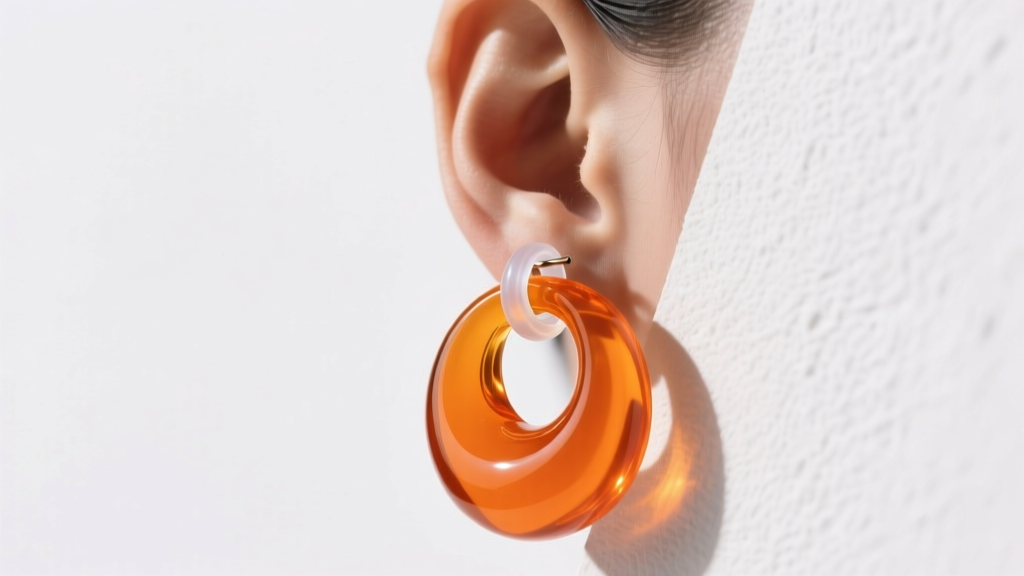
To counteract the pendulum effect and static load of heavy beaded dangles, experts recommend utilizing silicone O-ring earring backers. Unlike standard butterfly clutches or plastic stoppers, a wide-gauge silicone O-ring (typically 10mm to 12mm in diameter) distributes the downward force across a broader surface area of the posterior earlobe. For French ear wires, adding a small, 4mm clear silicone disc behind the lobe prevents the wire from sliding forward and tearing the tissue.
Expert Care and Maintenance Protocol
Proper maintenance extends the life of orange beaded earrings, but the protocol varies wildly depending on the bead material.
- Carnelian and Sunstone: Safe for ultrasonic cleaning (3-5 minutes in a mild, non-ammoniated solution). Can be steamed.
- Amber and Copal: Never use ultrasonic cleaners or steam. The high-frequency vibrations will shatter internal stress fractures, and heat will melt the surface. Wipe only with a damp microfiber cloth.
- Dyed Howlite: Avoid prolonged water exposure. Clean with a slightly damp cloth and immediately dry. Do not use alcohol or acetone, as these solvents will strip the dye and the surface sealant.
- Resin: Clean with mild soap and water. Avoid any alcohol-based sanitizers, which will cause the resin surface to cloud and micro-craze.
Final Thoughts on Sourcing and Design
Creating or purchasing high-quality orange beaded earrings requires looking past the initial visual appeal. By verifying the Mohs hardness of the bead material, testing the colorfastness of dyed stones, and ensuring the structural integrity of work-hardened wire and biocompatible ear wires, you guarantee a piece that is not only beautiful but engineered for longevity. Whether you are working with premium carnelian or experimenting with modern 2026 resin formulations, respecting the material science of your components is the hallmark of true jewelry expertise.