Honora Collection Pearl Earrings: Technical Grading & Review
An expert technical review of Honora collection pearl earrings, analyzing freshwater grading, nacre thickness, metal settings, and dye treatments.

The Anatomy of Honora's Freshwater Cultured Pearls
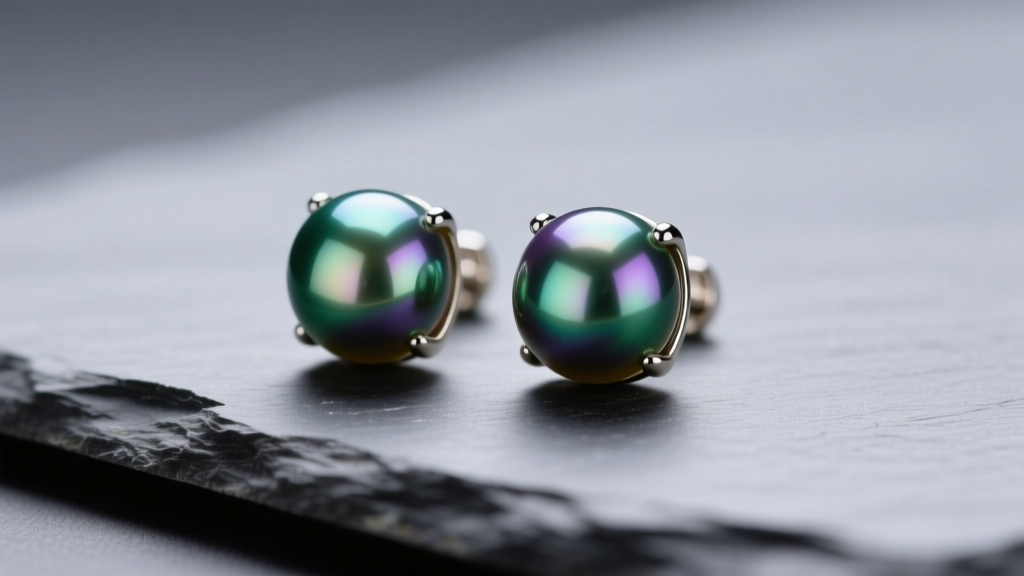
When evaluating the Honora collection pearl earrings, it is imperative to look past the vibrant aesthetics and examine the gemological architecture of the pearls themselves. Honora primarily utilizes tissue-nucleated freshwater cultured pearls. Unlike traditional bead-nucleated Akoya pearls, which feature a large mother-of-pearl bead surrounded by a relatively thin layer of nacre, modern tissue-nucleated freshwater pearls are composed almost entirely of solid nacre. This structural difference fundamentally alters the earring's durability, luster potential, and long-term wearability.
According to the Gemological Institute of America (GIA), pearl quality is assessed across seven distinct value factors. In the context of Honora's signature studs and drops, three factors demand rigorous scrutiny: luster, surface quality, and nacre thickness. Because Honora's freshwater pearls are solid nacre, the nacre thickness factor is inherently maximized, eliminating the risk of 'peeling' or nacre flaking that plagues poorly cultured saltwater variants. However, the trade-off often lies in the surface cleanliness and the precision of the spherical shape, as tissue-nucleated pearls naturally lean toward baroque or off-round morphologies without the guiding structure of a spherical bead.
Luster and Orient Evaluation
Honora's premium lines exhibit what gemologists classify as 'Excellent' to 'Very Good' luster. The sharpness of light reflections on the pearl's surface indicates a highly organized aragonite platelet structure within the nacre. Furthermore, Honora's 'Peacock' and 'Aubergine' selections showcase exceptional orient—the iridescent play of colors that appears to shift just beneath the pearl's surface. This optical phenomenon is caused by the diffraction of light through the microscopic layers of aragonite crystals, a hallmark of high-quality freshwater cultivation.
Metal Metallurgy: Sterling Silver vs. Gold Vermeil Settings
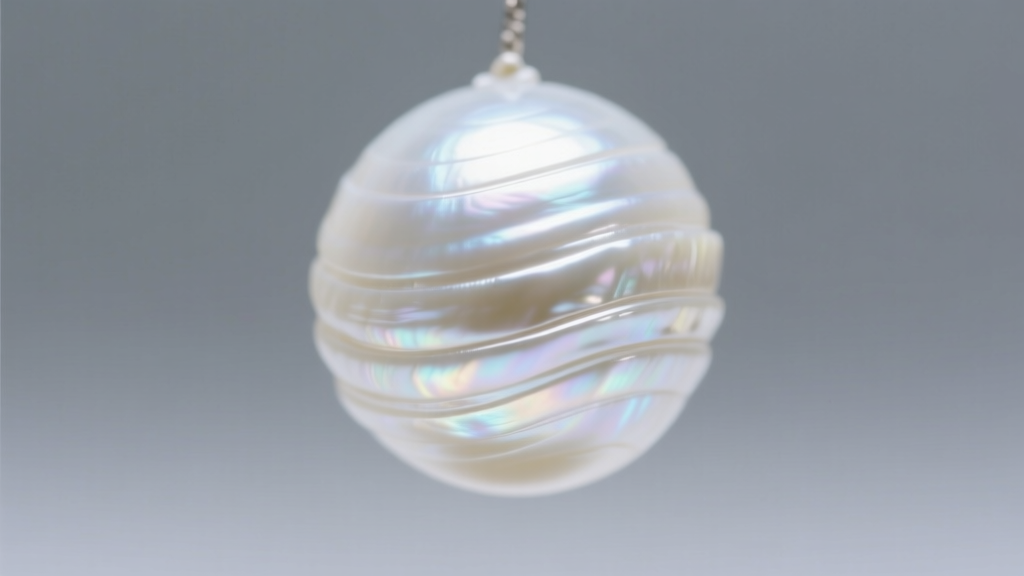
The longevity of any pearl earring is inextricably linked to its metal setting. Honora predominantly crafts their earring settings in 925 sterling silver, frequently finishing them with either rhodium plating or 14k/18k gold vermeil. Understanding the metallurgical realities of these finishes is critical for assessing long-term value and allergen risks.
The Federal Trade Commission (FTC) strictly regulates the use of the term 'vermeil.' To be legally classified as vermeil, the base metal must be sterling silver, and the gold plating must be at least 10 karat fineness with a minimum thickness of 2.5 microns. Honora's gold vermeil settings generally adhere to these standards, providing a substantial layer of gold that significantly outlasts standard 'gold-plated' brass or copper alternatives. However, the friction of hair, skin oils, and environmental pollutants will eventually wear through the 2.5-micron layer over years of daily use.
| Metal Finish | Base Material | Plating Thickness | Tarnish Resistance | Primary Failure Mode |
|---|---|---|---|---|
| Rhodium-Plated Silver | 925 Sterling Silver | 0.75 - 1.0 microns | Exceptional | Micro-abrasions exposing silver to sulfur |
| 14k Gold Vermeil | 925 Sterling Silver | 2.5+ microns | High | Friction wear revealing silver underlayer |
| Unplated 925 Silver | 925 Sterling Silver | N/A | Low | Rapid oxidation (silver sulfide formation) |
Rhodium, a platinum-group metal, is exceptionally hard and highly resistant to tarnish. Honora's rhodium-plated silver settings offer a brilliant, white-metal finish that perfectly complements their classic white and cream pearls. The primary failure mode here is not chemical tarnish, but mechanical micro-abrasion. Once the rhodium wears thin at high-friction contact points, the underlying copper alloy in the 925 silver can react with sulfur in the air or skin acids, leading to localized blackening.
Post Mechanics and Backing Security
A frequently overlooked aspect of earring engineering is the post gauge and backing tension. The Honora collection pearl earrings typically utilize standard 20-gauge (0.81mm) posts for their stud and lightweight drop designs. This gauge is industry-standard, ensuring compatibility with a wide variety of replacement backs and accommodating the average pierced earlobe fistula without causing excessive stretching.
Friction Backs vs. La Pousette Security
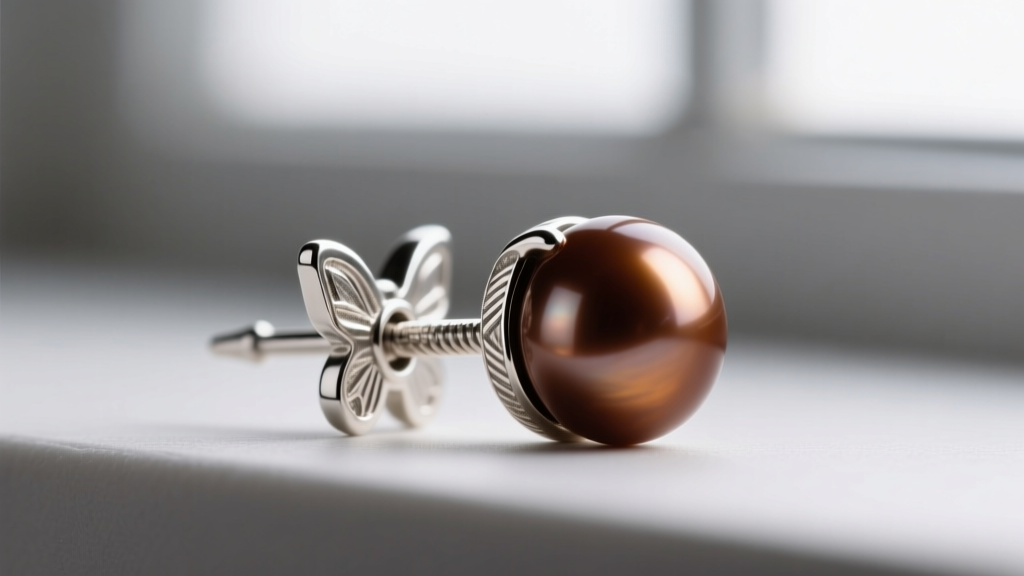
Honora generally pairs their 20-gauge posts with standard sterling silver friction backs (butterfly clutches). While cost-effective and easy to manipulate, friction backs suffer from a well-documented mechanical failure: the gradual loss of spring tension in the metal loops. Over time, the repeated compression and release of the butterfly back's wings cause metal fatigue, leading to a loose fit and a high risk of losing the earring.
"For heavy freshwater pearl drops or valuable signature studs, upgrading to La Pousette locking backs or silicone O-rings is a non-negotiable security protocol. The weight of a 10mm+ freshwater pearl creates a pendulum effect that easily dislodges fatigued friction backs."
Furthermore, if the sterling silver post is exposed to sulfur and develops a layer of silver sulfide tarnish, the microscopic increase in surface friction can cause the backing to seize or, conversely, degrade the smooth glide required for secure insertion. Regular polishing of the post with a specialized silver cloth is a mandatory maintenance step to preserve the mechanical integrity of the closure.
The Science Behind Honora's Signature Color Treatments
Honora is perhaps best recognized for its dramatic, saturated pearl colors—most notably 'Chocolate', 'Pistachio', and 'Black'. From a gemological standpoint, it is vital to understand that these colors are the result of advanced post-harvest treatments rather than natural biological variations. The GIA notes that the vast majority of dark or vibrantly colored freshwater pearls on the commercial market undergo irradiation or organic dyeing processes.
Honora's 'Chocolate' pearls are typically achieved through a combination of gamma irradiation and gentle heating. This process alters the manganese content within the pearl's aragonite structure, darkening the body color without introducing foreign chemical dyes. Because the color change is structural, it is generally stable and will not fade with UV exposure. Conversely, colors like 'Pistachio' or vibrant 'Pink' often rely on safe, proprietary organic dyes. When inspecting dyed pearls under magnification, an expert will look for dye concentration in the drill holes or along surface-reaching blemishes. Honora's quality control ensures that their dyeing processes are highly even, preventing the 'spotty' appearance characteristic of low-grade treated pearls.
Expert Verdict and Care Protocols
The Honora collection pearl earrings represent a masterclass in accessible luxury, bridging the gap between high-end gemological standards and commercial viability. By leveraging the solid-nacre durability of tissue-nucleated freshwater pearls and pairing them with FTC-compliant vermeil and rhodium settings, Honora delivers a product that punches well above its price point in terms of structural longevity.
To maintain the optical and metallurgical integrity of these earrings, strict adherence to the following care protocol is required:
- Chemical Isolation: Pearls rank at a mere 2.5 to 3.0 on the Mohs hardness scale and are highly susceptible to acidic degradation. Never expose Honora earrings to perfume, hairspray, or chlorine, as these will permanently etch the nacre and destroy the luster.
- Ultrasonic Avoidance: Never place these earrings in an ultrasonic cleaner. The high-frequency cavitation can shatter the nacre layers and strip the gold vermeil or rhodium plating from the sterling silver settings.
- Post-Use Protocol: After every wear, wipe the pearls with a clean, untreated microfiber cloth to remove sebum and environmental acids. Store them in a breathable cotton pouch, completely isolated from harder gemstones or diamond jewelry that could easily scratch the pearl's surface.
By understanding the technical nuances of nacre formation, metal plating thickness, and post-harvest color treatments, collectors and consumers can confidently evaluate and preserve the enduring beauty of Honora's pearl earring collections.


