How Do You Spell Earrings? The Ultimate 2026 Gift Guide
Wondering how do you spell earrings? Now that it's settled, explore our 2026 expert gift guide for occasion-matched, hypoallergenic earrings.

The Spelling, The Search, and The Strategy
Every holiday season and birthday rush, search engines log thousands of queries for a surprisingly common linguistic hurdle: how do you spell earrings? Now that we have settled the spelling—it is E-A-R-R-I-N-G-S, plural, with that crucial double 'r' in the middle—we can pivot to the actual challenge. Finding the perfect pair of earrings as a gift is far more complex than spelling the word. Unlike rings, which require precise finger sizing, or necklaces, which sit uniformly on the collarbone, earrings demand an intimate understanding of the recipient's anatomy, piercing history, and lifestyle.
As we navigate the 2026 jewelry market, the shift toward curated, multi-piercing aesthetics and hyper-sensitive material awareness means you can no longer simply walk into a mall jeweler and grab a generic pair of butterfly-back studs. Whether you are shopping for a partner's milestone anniversary, a teenager's graduation, or a best friend's birthday, this guide decodes the exact specifications, gauge sizes, and material grades required to gift earrings that will actually be worn and cherished.
Decoding the Recipient's Piercing Profile
Before you even consider gemstones or gold tones, you must identify where the recipient wears their jewelry. The anatomy of the ear dictates the hardware required for comfort and safety.
Standard Lobe Piercings
The standard earlobe piercing is typically done at 20-gauge (0.81mm) or 18-gauge (1.02mm). If your recipient primarily wears standard lobe studs or lightweight drop earrings, you have the widest variety of gift options. However, if they frequently wear heavy statement pieces, look for earrings with wider posts or silicone earring lifters to prevent the dreaded 'drooping lobe' effect.
Cartilage and Curated Ears
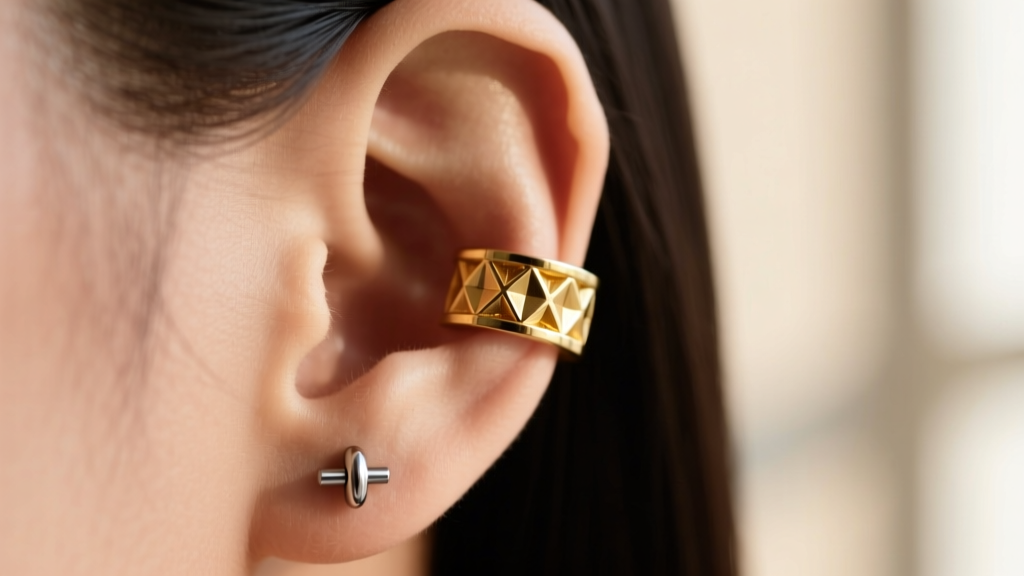
If your recipient has a helix, tragus, conch, or forward helix piercing, standard earring posts will not fit. Cartilage piercings are almost universally pierced at 16-gauge (1.29mm) or 14-gauge (1.63mm). Furthermore, cartilage requires flat-back labrets rather than traditional friction posts. Brands like BVLA and Maria Tash specialize in threadless or internally threaded 14k gold flat-backs that sit flush against the ear, preventing hair snagging and sleeping discomfort.
Occasion-Matched Earring Guide
Matching the earring style to the gravity of the occasion is crucial. Below is a strategic framework to help you align your budget, material choice, and style with the specific milestone you are celebrating.
| Occasion | Ideal Style | Material Recommendation | Estimated Budget |
|---|---|---|---|
| Milestone Anniversary | Diamond Studs (0.5ct - 1.0ct TW) | 14k or 18k Solid Gold | $800 - $4,500+ |
| College Graduation | Pearl Drops or Thick Huggies | 14k Gold Vermeil or Solid | $150 - $400 |
| Significant Birthday | Birthstone Huggies or Ear Cuffs | Recycled 14k Gold | $120 - $350 |
| Valentine's Day | Heart Motif Threaders or Drops | Rose Gold (Solid or Plated) | $90 - $250 |
| 'Just Because' | Minimalist Titanium Clickers | ASTM F136 Titanium | $45 - $120 |
Milestone Anniversaries & Weddings
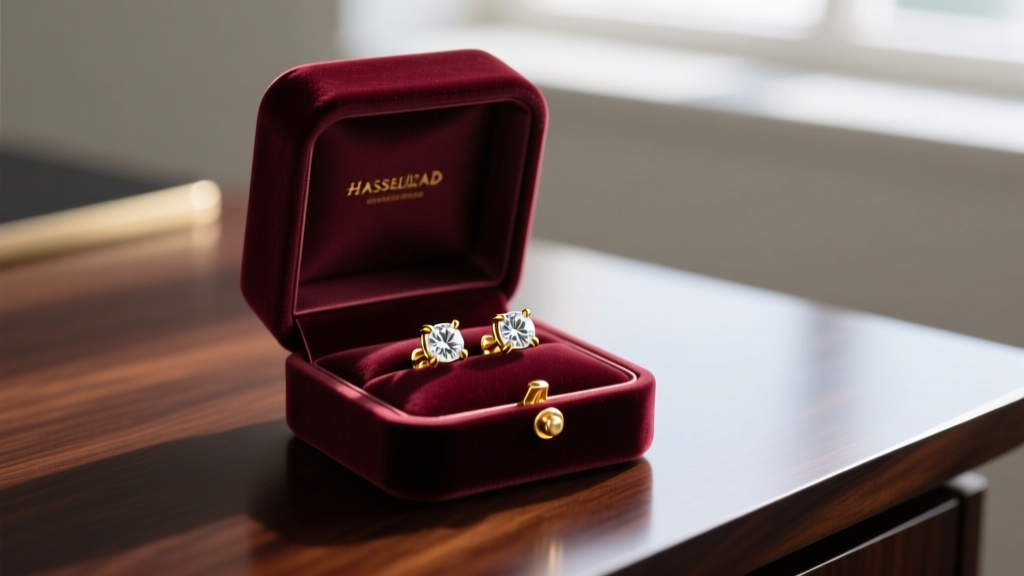
For major milestones, diamond stud earrings remain the undisputed champion. According to the Gemological Institute of America (GIA), when gifting diamond studs, prioritize cut quality over flawless clarity. Because the diamonds are viewed from a distance and set in profile, a Very Good or Excellent cut will provide the necessary brilliance, while you can safely drop to SI1 or SI2 clarity to maximize carat weight within your budget. Always opt for 4-prong martini settings in 14k or 18k gold to minimize metal visibility and maximize light return.
Graduations & First Jobs
Graduations call for versatility. The recipient is likely transitioning into professional environments where jewelry must be polished but understated. Huggie hoops (typically 10mm to 12mm in diameter) with a subtle pavé diamond or sapphire accent are ideal. They hug the lobe tightly, meaning they won't catch on clothing during commutes or office work, and they transition seamlessly from boardroom presentations to evening networking events.
Birthdays & Personal Milestones
Birthdays allow for personalization. In 2026, the trend has shifted away from cheap, glued-in birthstone chips toward bezel-set, lab-grown gemstone huggies. Lab-grown emeralds, rubies, and sapphires offer identical chemical and optical properties to mined stones but at a fraction of the cost, allowing you to gift a larger, more vibrant stone set in solid 14k gold rather than settling for plated brass.
Material Grades: Don't Gift an Allergic Reaction
Nothing ruins a thoughtful gift faster than a severe contact dermatitis flare-up. Nickel allergies affect roughly 10-20% of the population, and many commercial jewelry brands use nickel as a hardening agent in white gold or as a base metal beneath thin gold plating.
The Golden Rule of Gifting: Never gift gold-plated or gold-filled earrings to someone with a history of sensitive ears. The plating will eventually wear down, exposing the reactive brass or nickel base metal beneath.
To guarantee biocompatibility, look for these specific material grades:
- ASTM F136 Implant-Grade Titanium: The gold standard for sensitive ears and fresh piercings. It is entirely nickel-free and highly polished. Brands like Neometal offer incredible titanium options that won't break the bank.
- Niobium: A highly reactive metal that is anodized to create vibrant colors without using dyes or plating. Excellent for cartilage hoops and clickers.
- 14k or 18k Solid Yellow Gold: Yellow gold is alloyed with silver and copper, making it generally safer than white gold, which is frequently alloyed with nickel or palladium. If gifting white gold, ensure the recipient does not have a known nickel allergy, or seek out brands that use palladium-based white gold alloys.
For a comprehensive breakdown of safe body jewelry materials, the Association of Professional Piercers (APP) provides the most rigorous, medically sound guidelines in the industry.

Sizing, Gauges, and the Hidden Pitfalls of Hardware
The hardware—the part of the earring that actually secures it to the body—is just as critical as the decorative front. When gifting, you must consider the recipient's dexterity and lifestyle.
Friction Backs (Butterfly Backs)
The most common and affordable backing. However, they harbor bacteria in their crevices, can easily fall off (and be lost in carpets or bedsheets), and often dig into the neck during sleep. Only gift friction backs for occasional-wear drop or dangle earrings.
Screw Backs
The ultimate secure option for valuable diamond or gemstone studs. The post is threaded, and the backing screws on, making it nearly impossible to lose. The drawback? They require patience and good eyesight to thread correctly. If your recipient has long acrylic nails or limited fine motor dexterity, screw backs might become a source of frustration.
Threadless (Push-Pin) & Internally Threaded
For cartilage and curated ear projects, threadless jewelry (where a slightly bent pin is pushed into a hollow post, creating tension) is the modern standard. It is incredibly secure, easy to insert once you know the technique, and eliminates the risk of cross-threading. If you are buying from a high-end body jewelry brand, ensure you are buying the correct post length (usually 6mm or 8mm for healed lobes and cartilage) alongside the decorative end.
Final Checklist Before You Checkout
Before you finalize your purchase, run through this quick E-E-A-T diagnostic checklist to ensure your gift is a triumph:
- Piercing Check: Do I know if this is for a lobe (18g/20g) or cartilage (16g/14g)?
- Material Check: Is it solid 14k/18k gold, platinum, or ASTM F136 titanium? (No plated brass!)
- Hardware Check: Does the backing match the value of the earring and the dexterity of the wearer?
- Lifestyle Check: Will they sleep in these? (If yes, avoid long dangles and sharp prongs; opt for bezel settings or huggies).
Now that you know exactly how to spell earrings—and more importantly, how to select, size, and source them—you are fully equipped to bypass the generic mall displays and gift a piece of jewelry that demonstrates true thoughtfulness and anatomical expertise. Happy gifting!


