How Do You Clean Your Earring Hole? A Metal & Material Guide
Discover how do you clean your earring hole based on jewelry materials. Compare titanium, gold, and silver to prevent odor and irritation.

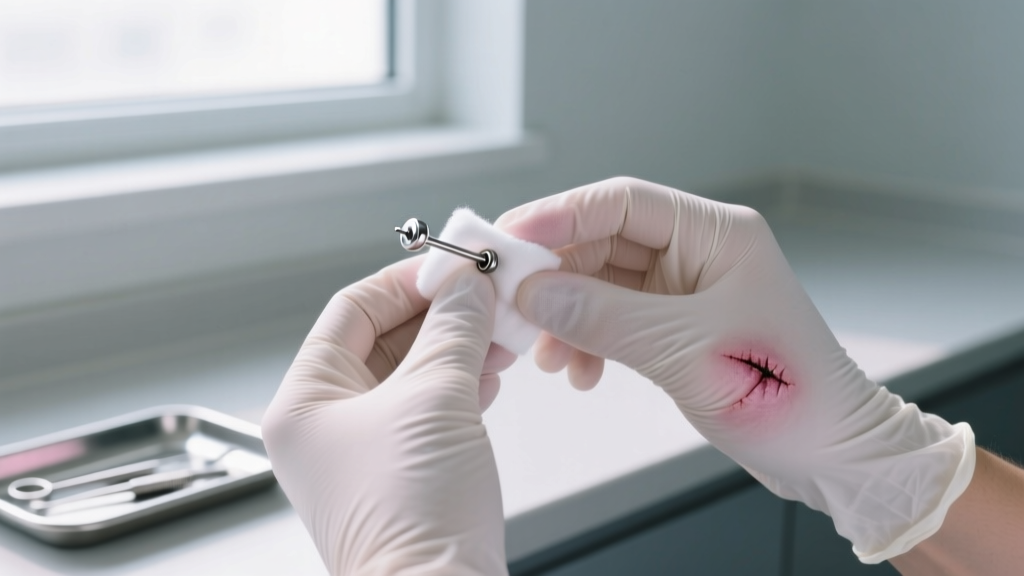
The Science of Piercing Buildup and Material Reactions
When searching for advice on how do you clean your earring hole, most generic guides focus solely on hygiene products like soap or alcohol. However, as a domain expert in jewelry materials, I can tell you that the health of your fistula (the healed tube of tissue forming the piercing channel) is inextricably linked to the metallurgical properties of the jewelry resting inside it. The notorious "ear cheese"—a combination of sebum, dead skin cells, and trapped moisture—is often exacerbated by microscopic metal oxidation, porous surfaces, and alloy-induced contact dermatitis.
If you have ever wondered why your earlobes smell or feel itchy despite regular washing, the culprit is likely the metal grade of your earrings. Understanding material porosity, oxidation rates, and biocompatibility is the true key to maintaining a clean, odor-free, and healthy earring hole. In this comprehensive guide, we will break down exactly how to clean your piercing based on the specific metals you wear, moving beyond basic hygiene into the material science of body jewelry.
Material Porosity: Why Your Metal Choice Dictates Cleaning
Not all metals are created equal at a microscopic level. While a metal may look perfectly smooth to the naked eye, lower-quality alloys and plated metals harbor microscopic scratches and pores. These imperfections act as breeding grounds for bacteria and trap dead skin cells, making the earring hole impossible to fully clean without removing the jewelry. According to the Association of Professional Piercers (APP), only a few specific metals are considered truly biocompatible for long-term wear in the body.
| Material | Porosity & Surface | Oxidation Risk | Recommended Cleaning Agent |
|---|---|---|---|
| Implant-Grade Titanium (ASTM F136) | Non-porous, mirror polish | None | 0.9% Sterile Saline |
| Niobium | Non-porous, anodized | None | 0.9% Sterile Saline |
| 14k / 18k Solid Gold (Nickel-Free) | Low porosity | Very Low | Mild Glycerin Soap |
| Sterling Silver (925) | High (Micro-scratches) | High (Tarnish) | Avoid in healing holes |
| Surgical Steel (316L) | Moderate | Moderate | Saline / Mild Soap |
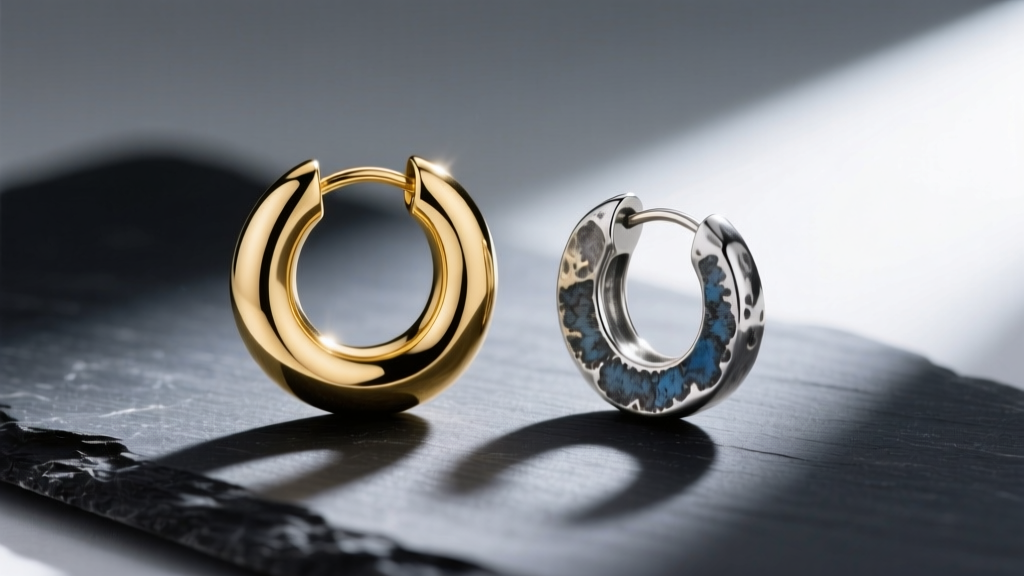
Step-by-Step: How Do You Clean Your Earring Hole by Material?
The method you use to clean your earring hole must adapt to the chemical properties of your jewelry. Using harsh chemicals on reactive metals can actually accelerate tarnishing and push toxic oxides into your piercing channel.
For Implant-Grade Titanium & Niobium
Implant-grade titanium (specifically ASTM F136) and Niobium are the gold standards for body jewelry. Because they are entirely nickel-free and non-porous, they do not harbor bacteria in microscopic grooves. To clean your earring hole while wearing these metals, use a 0.9% sterile sodium chloride solution (commonly sold as sterile wound wash). Spray the saline directly onto the front and back of the fistula. Allow it to soak for 30 seconds to soften any sebum buildup, then gently wipe away debris with a non-woven gauze pad. Avoid cotton swabs, as they leave microscopic fibers behind that can irritate the tissue.
For Solid Gold (14k, 18k, and 24k)
Solid gold is highly biocompatible, provided it is alloyed without nickel (look for palladium or silver alloys). However, gold is a softer metal than titanium, meaning it can develop micro-scratches over time where dead skin accumulates. For solid gold earrings, sterile saline is not always enough to break down the oils that cling to the metal. Instead, use a mild, glycerin-based liquid soap. Lather the soap in your hands, gently massage it around the earring post and the earring hole, and rinse thoroughly with warm water. The Mayo Clinic recommends avoiding antibacterial soaps, as they can disrupt the natural microbiome of your skin and lead to dryness and cracking around the piercing site.
For Sterling Silver & Plated Metals (The Danger Zone)
Sterling silver is 92.5% silver and 7.5% copper. When exposed to the moisture, salts, and acids naturally present in your earring hole, the copper rapidly oxidizes, creating silver sulfide (tarnish). This black residue can leach into the fistula, causing a condition known as localized argyria, which permanently stains the skin grey or black. Furthermore, gold-plated or silver-plated earrings eventually wear down, exposing base metals like brass or nickel to the raw tissue inside the hole. If you must wear these materials, you must clean the earring hole daily with mild soap and water, and remove the jewelry before sleeping or showering to minimize moisture exposure. Ideally, reserve sterling silver for fully healed, older piercings and never wear it in a fresh or irritated hole.
Troubleshooting: Irritation, Smell, and Metal Allergies
If you are meticulously cleaning your earring hole but still experiencing a foul odor, itching, or clear fluid discharge, you are likely dealing with a material incompatibility rather than a hygiene failure.
Expert Insight: Up to 20% of the population has a nickel allergy, which can develop at any point in life. Many commercial "surgical steel" earrings contain 8-12% nickel. When sweat and sebum mix with nickel, it creates nickel salts that trigger severe contact dermatitis inside the earring hole. If your hole is constantly itchy, switch to ASTM F136 titanium immediately.
Another common issue is the "cheese-cutter effect." Many inexpensive fashion earrings use ultra-thin 22-gauge (0.6mm) or 20-gauge (0.8mm) wire posts. This thin wire puts excessive pressure on the bottom of the earring hole, causing the tissue to stretch, micro-tear, and trap bacteria. To resolve this, upgrade to earrings with a minimum thickness of 18-gauge (1.0mm) or 16-gauge (1.2mm). The thicker post distributes weight evenly, allowing the fistula to heal properly and making the channel significantly easier to flush clean with saline.
When to Downsize or Change Your Jewelry Profile
The physical shape of your earring also impacts how easy it is to clean the hole. Traditional butterfly-back earrings are notorious for trapping dead skin and moisture between the backing and the earlobe. This creates a dark, damp environment where anaerobic bacteria thrive, leading to persistent odors.
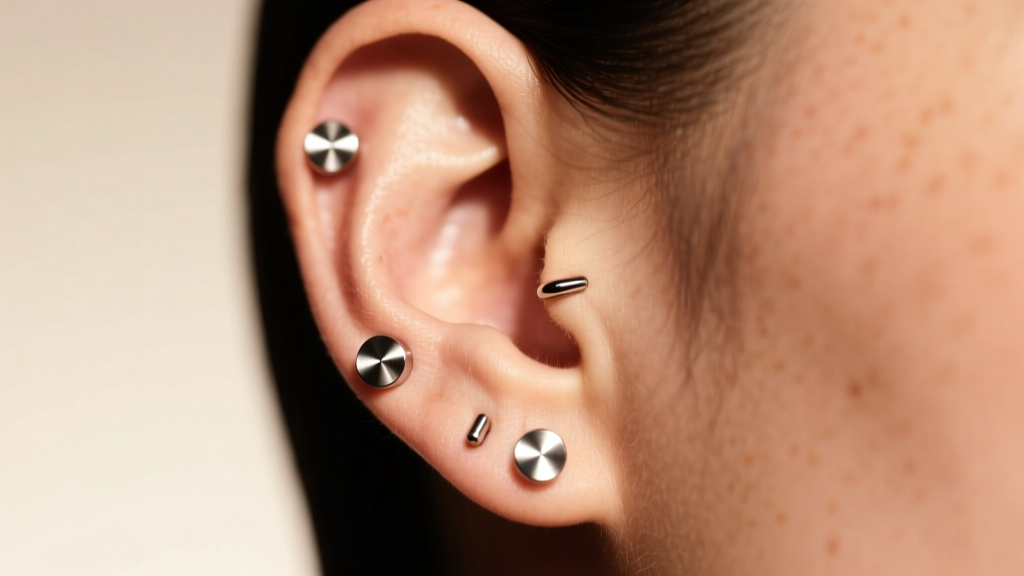
To solve this, transition to flat-back labret studs made of implant-grade titanium. The flat disc sits flush against the back of the ear, eliminating the gap where debris accumulates. For cartilage piercings, ensure your post is properly downsized. A post that is too long (e.g., a 1/4 inch post in a healed 16-gauge helix piercing) will move excessively, introducing surface bacteria deep into the earring hole and causing irritation bumps. A professional piercer can measure your healed fistula and swap the jewelry for a custom-fitted post, drastically improving the cleanliness and health of your piercing.
Final Thoughts on Piercing Hygiene
Ultimately, knowing how do you clean your earring hole is only half the battle; the other half is curating a jewelry collection that supports your body's natural biology. By investing in high-quality, non-porous metals like implant-grade titanium and nickel-free solid gold, and by utilizing the correct cleaning agents for those specific materials, you can permanently eliminate odor, irritation, and allergic reactions. Treat your piercings with the material respect they deserve, and your fistulas will remain healthy, clean, and ready to showcase your favorite styles for a lifetime.


