How to Make Earrings From Beads: Material Sourcing Guide
Learn how to make earrings from beads by sourcing the right wire gauges, hypoallergenic findings, and quality gemstones for professional results.

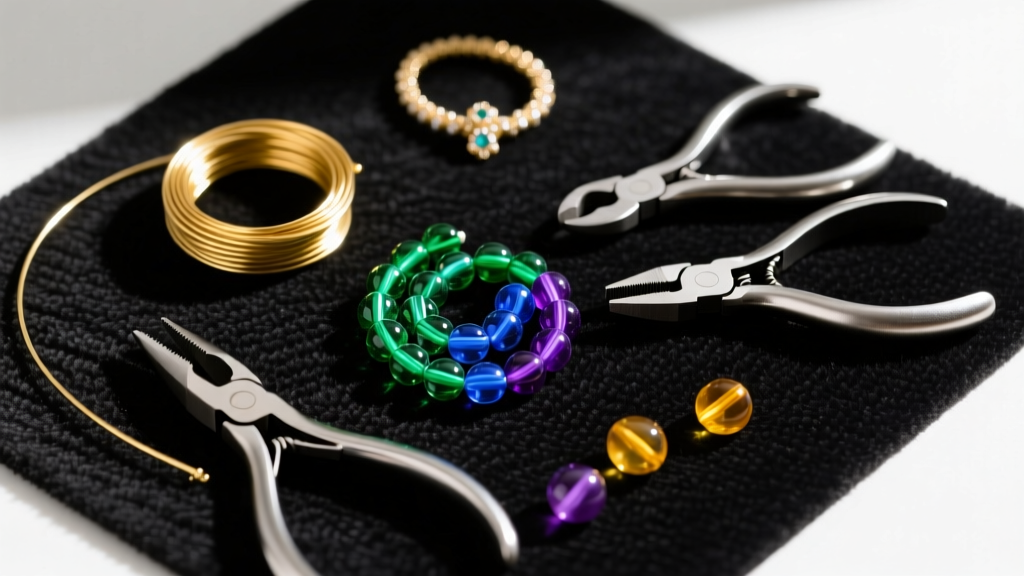
When jewelry enthusiasts search for how to make earrings from beads, they are often met with basic tutorials focusing solely on bending wire. However, as a senior buyer and designer, I can tell you that the secret to professional, retail-quality beaded earrings lies entirely in the sourcing phase. Understanding the metallurgy of your findings, the exact tolerances of bead drill holes, and the structural integrity of wire hardness will elevate your designs from amateur crafts to boutique-ready pieces.
As we navigate the jewelry market in 2026, there is a massive consumer shift toward traceable materials and strict hypoallergenic standards. This buying guide will break down exactly what to look for when purchasing components for your beaded earring projects.
Decoding Wire Gauges and Hardness
The backbone of any beaded dangle or drop earring is the wire. Buying the wrong wire gauge or hardness is the most common failure point for beginners. Wire is measured in American Wire Gauge (AWG); the higher the number, the thinner the wire.
Matching Gauge to Bead Hole Tolerances
- 26-Gauge (0.40mm): Essential for micro-pearls, turquoise, and high-end gemstone briolettes with laser-drilled holes. This wire is fragile and must be handled with nylon-jaw pliers to prevent marring.
- 24-Gauge (0.51mm): The workhorse for freshwater pearls and most semi-precious stone beads (like amethyst or rose quartz) which typically feature 0.5mm to 0.6mm drill holes.
- 22-Gauge (0.64mm): Ideal for standard glass beads, crystals, and metal spacer beads. It provides enough rigidity to hold a wrapped loop without collapsing.
- 20-Gauge (0.81mm): Reserved for heavy lampwork glass, large ceramic beads, or structural ear wires. Most standard gemstone beads will not accommodate 20-gauge wire without reaming.
Wire Hardness: Dead Soft vs. Half-Hard
When sourcing wire from suppliers like Halstead Bead, you will encounter hardness ratings. Dead soft wire is pliable and excellent for wire-wrapping or weaving, but it will not hold a structural loop under the weight of a heavy bead. Half-hard wire has been drawn and slightly work-hardened, making it the absolute best choice for creating wrapped loops and simple eye pins that must support the swinging motion of an earring.
The Bead Sourcing Matrix
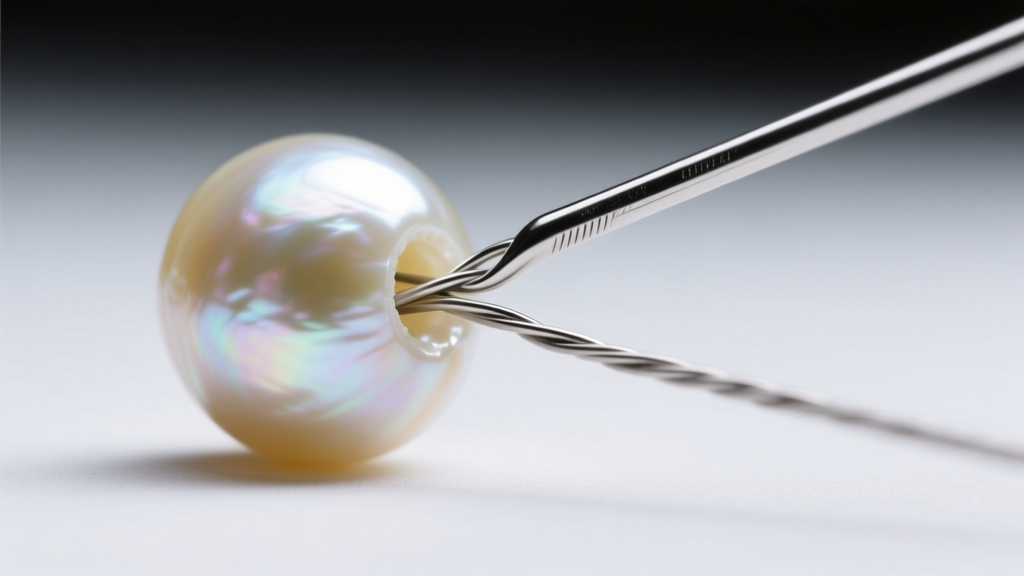
Not all beads are created equal. The origin, cutting method, and drilling technique drastically affect how they interact with your findings. According to the Gemological Institute of America (GIA), natural gemstones often have variable drill holes that may require reaming with a bead reamer tool before stringing.
| Bead Material | Avg. Hole Size | Recommended Wire | Sourcing Insight |
|---|---|---|---|
| Freshwater Pearls | 0.5mm - 0.7mm | 24g or 26g | Look for AAA grade with thick nacre; avoid bleached, chalky specimens. |
| Swarovski/Preciosa Crystal | 0.8mm - 1.0mm | 22g or 24g | Buy from authorized distributors to avoid counterfeit glass. |
| Lampwork Glass | 1.5mm - 2.5mm | 20g or 18g | Ensure beads are kiln-annealed to prevent shattering from stress. |
| Seed Beads (Miyuki) | 0.3mm - 0.8mm | 26g or 28g | Use flexible beading wire (e.g., 49-strand Accu-Flex) for fringe. |
Flexible Wire vs. Thread for Bead Fringes
When designing beaded chandelier earrings or hoop wraps, rigid wire is not always the answer. For fluid movement, you must source flexible beading wire. Look for 49-strand micro-fused stainless steel cables coated in nylon, such as Soft Flex or Accu-Flex. A 0.015-inch diameter is perfect for seed beads and small crystals, while a 0.024-inch diameter is required for heavy gemstone drops. Always use sterling silver or gold-filled crimp tubes (not base metal crimp beads) and secure them with a crimping tool to ensure the bead fringe never unravels.
Selecting Hypoallergenic Findings and Ear Wires
The earring finding—the component that actually pierces the ear—is where you cannot afford to cut costs. In 2026, consumers are hyper-aware of contact dermatitis and heavy metal exposure. When learning how to make earrings from beads for sale or gifts, always prioritize biocompatible metals.
Expert Rule of Thumb: Never use cheap brass or mystery-metal 'surgical steel' for the post or wire that enters the ear. 'Surgical steel' is an unregulated marketing term that often contains nickel. Always opt for verified implant-grade materials.
Top Metal Grades for Earring Findings
- ASTM F136 Titanium: The gold standard for sensitive ears. It is lightweight, completely nickel-free, and used in medical implants. Sourcing titanium French hooks or ball studs ensures maximum wearability.
- Niobium: A reactive metal that can be anodized into vibrant colors. It is inherently hypoallergenic and an excellent choice for statement beaded hoops.
- 14/20 Gold-Filled: Unlike gold-plated wire (which has a microscopic flash of gold that wears off), 14/20 gold-filled wire contains exactly 5% solid 14k gold by weight, mechanically bonded to a brass core. It is durable, tarnish-resistant, and safe for most sensitive ears.
Mechanical Security: Leverbacks vs. French Hooks
When designing heavy beaded drops, the mechanical security of the finding is paramount. French hooks (shepherd's hooks) rely on gravity and the forward weight of the earring to stay in the ear, making them prone to falling out if the wearer removes a scarf or mask. Leverback findings, however, feature a hinged closure that snaps securely into a catch. When buying leverbacks, check the tension of the hinge; a high-quality leverback will snap shut with an audible click and feature a reinforced soldered loop at the bottom for attaching your beaded dangles.
Essential Tools for Professional Finishes
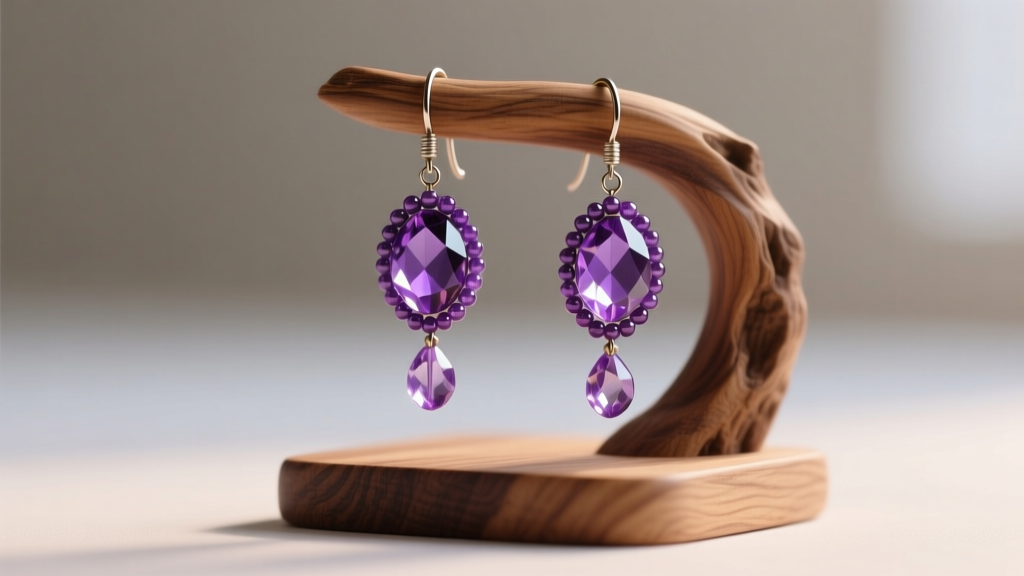
To execute your designs flawlessly, your toolkit must be precise. Buying cheap, stamped steel pliers will result in marred wire and uneven loops. Invest in carbon steel or stainless steel tools with polished jaws.
- Flush Cutters: Look for a cutter that leaves a completely flat edge, not a 'pinch' or 'V' cut. The Tronex or Lindstrom brands offer precision micro-cutters ideal for 24g and 26g wire.
- Chain-Nose Pliers: Essential for gripping wire and closing jump rings. Ensure the inside of the jaws are completely smooth (no serrated teeth) to prevent scratching your gold-filled or silver wire.
- Round-Nose Pliers: Used exclusively for forming loops. The Lindstrom RX series features ergonomic handles that reduce hand fatigue during long beading sessions.
- Nylon-Jaw Pliers: A must-have for straightening wire that has kinked off the spool without marring the metal's finish.
Where to Source Components in 2026
For wholesale quantities and verified material authenticity, bypass general craft stores. Platforms like Fire Mountain Gems offer extensive catalogs of gemstone beads and specialized findings, complete with certification data for natural stones. For high-end, US-manufactured gold-filled and sterling silver findings, Halstead Bead remains an industry benchmark. By prioritizing the quality of your raw materials over the complexity of your wire-wrapping techniques, your beaded earrings will achieve a premium, heirloom-quality finish that stands the test of time.


