Are Keshi Pearl Earrings Worth It? 2026 Value Guide
Discover if keshi pearl earrings are worth your investment in 2026. We break down pricing, grading, and value assessment for smart jewelry buyers.

The Anatomy of Value: What Exactly is a Keshi Pearl?
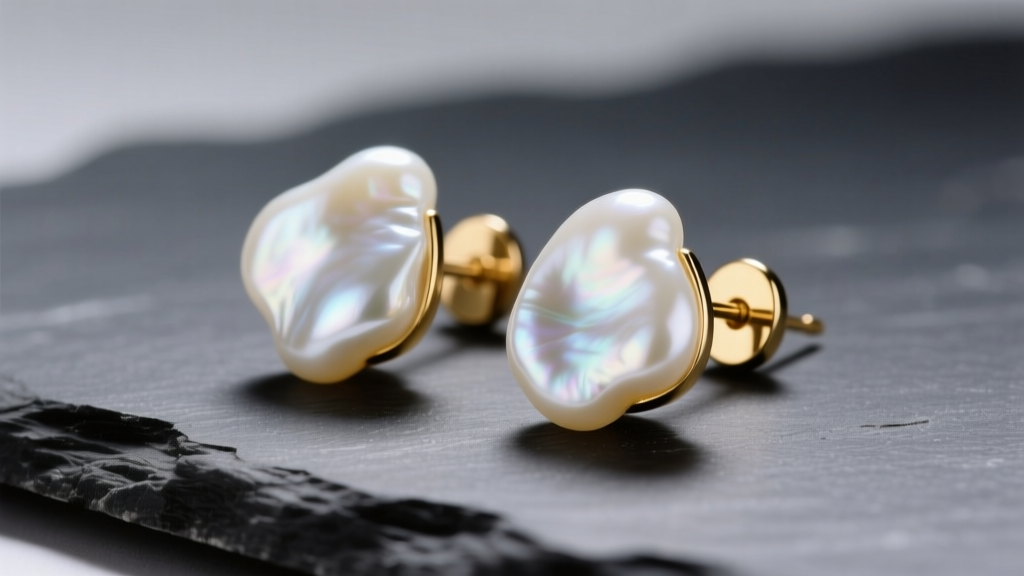
In the crowded market of pearl jewelry, keshi pearl earrings occupy a fascinating middle ground between organic rarity and accessible luxury. But before you allocate your jewelry budget, you need to understand what you are actually buying. The word "keshi" translates to "poppy seed" in Japanese, originally referring to the tiny, accidental pearls found inside Akoya oysters. Today, the term applies to any seedless pearl that forms when an oyster rejects the implanted bead nucleus but continues to secrete nacre around the microscopic mantle tissue.
According to the Gemological Institute of America (GIA), because keshi pearls lack a bead nucleus, they are composed of 100% solid nacre. This is the single most important value driver for budget-conscious buyers. Unlike bead-nucleated pearls that can peel or flake if the nacre layer is too thin (a common issue with sub-$100 Akoya strands), keshi pearls are incredibly durable. Their solid nacre structure means they will not degrade over decades of wear, making them a superior long-term value proposition despite their irregular, baroque-like shapes.
The 2026 Keshi Pearl Earrings Pricing Matrix
Pricing keshi pearl earrings can be highly opaque. Because no two keshi pearls are exactly alike, traditional standardized pricing charts often fail. However, based on 2026 market data from wholesale auctions and direct-to-consumer pearl farms, we have constructed a reliable fair-market pricing matrix. Use this table to ensure you are not overpaying for mislabeled inventory.
| Pearl Origin | Typical Earring Size | Recommended Metal Pairing | 2026 Fair Market Range (USD) |
|---|---|---|---|
| Freshwater Keshi | 3mm - 8mm | 925 Sterling Silver / Gold Vermeil | $25 - $95 |
| Akoya Keshi | 2mm - 6mm | 14k Solid Gold | $120 - $380 |
| Tahitian Keshi | 4mm - 9mm | 14k or 18k Gold | $250 - $850 |
| South Sea Keshi | 5mm - 12mm | 18k Gold / Diamond Accents | $600 - $2,800+ |
Note: If you see "Tahitian Keshi" earrings selling for $40 on a fast-fashion site, they are almost certainly dyed freshwater pearls. True saltwater keshi commands a premium due to the higher mortality rate of the oysters and the longer cultivation time.
Grading the "Accident": How to Spot Overpriced Seconds
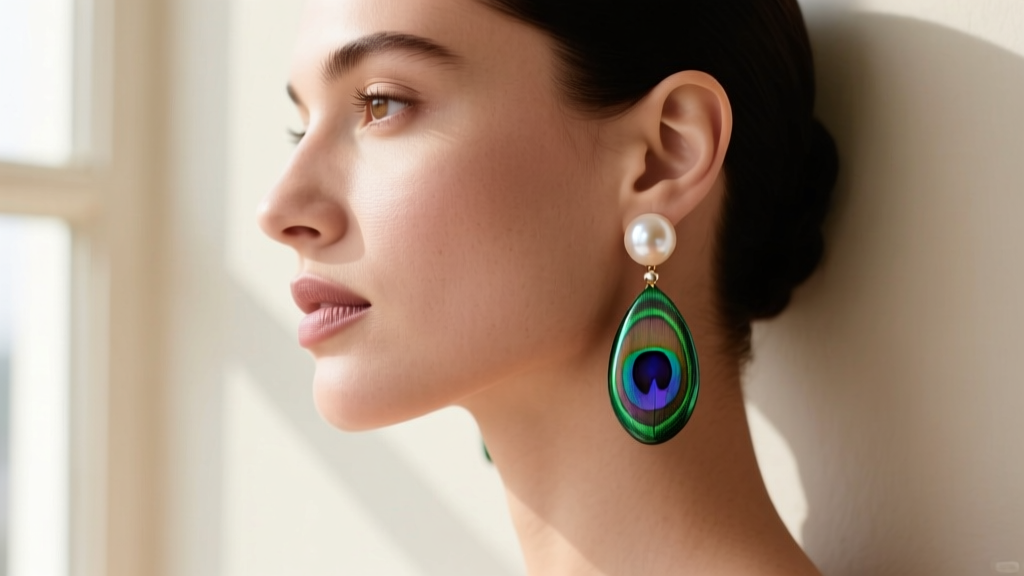
A common trap for jewelry buyers is assuming that all irregularly shaped pearls are keshi. Many budget brands intentionally mislabel cheap "potato" or "rice" pearls as keshi to justify a 300% markup. True keshi pearls are defined by their luster, not just their shape.
Luster and Orient: The True Value Drivers
Because keshi pearls are solid nacre, their luster should be exceptionally sharp, almost mirror-like. When evaluating keshi pearl earrings, look for "orient"—the iridescent play of colors that dances just beneath the surface. The Pearl Paradise education guide notes that high-quality keshi will exhibit a deep, glowing luster that makes the pearl look almost metallic. If the pearl looks chalky, dull, or matte, it is likely a low-grade freshwater baroque pearl, not a true keshi, and should be priced accordingly (under $30).
Surface Blemishes vs. Character
Do not pay top dollar for flawless keshi. By definition, keshi pearls are organic accidents. Minor surface ripples, grooves, and asymmetrical bumps are expected and actually serve as a certificate of authenticity. However, avoid pearls with deep cracks, chalky spots, or drill holes that are chipped at the exit point. A chipped drill hole indicates poor manufacturing and will cause the pearl to eventually split along its nacre layers.
Hardware Assessment: Where Budget Brands Cut Corners
When assessing the budget and value of keshi pearl earrings, the pearl is only half the equation. The hardware dictates the lifespan of the earring. Because keshi pearls are often small and dense, they require specialized micro-drilling (typically 0.6mm to 0.8mm drill holes). Budget manufacturers often use cheap, thick posts that require widening the drill hole, which compromises the pearl's structural integrity.
- Post Gauge: Look for 20-gauge (0.81mm) or 18-gauge (1.02mm) posts. Anything thicker than 18G risks cracking a small Akoya keshi.
- Metal Purity: Avoid "gold-plated brass." Brass oxidizes over time, and the acidic runoff can permanently stain the nacre around the drill hole. Insist on solid 14k gold (stamped 585) or heavy rhodium-plated 925 silver.
- Backings: Standard butterfly friction backs are acceptable for lightweight freshwater keshi studs. However, for heavier Tahitian or South Sea keshi drops, demand silicone O-ring backs or screw-backs to prevent loss.
Keshi vs. Baroque vs. Coin Pearls: A Value Comparison
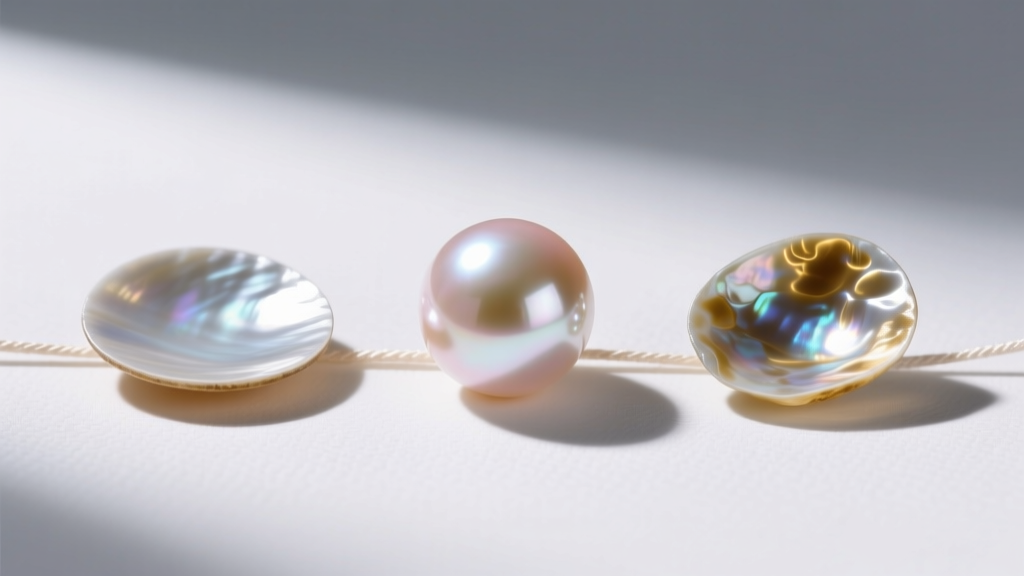
To truly understand the value of keshi pearl earrings, you must compare them to their closest visual cousins. Here is a quick decision framework for buyers:
1. Keshi Pearls (Seedless, 100% Nacre): Best for buyers who want maximum durability and high luster in an organic shape. They are the most "fine jewelry" of the irregular pearls.
2. Baroque Pearls (Bead-Nucleated, Irregular Shape): These have a bead inside, meaning the nacre layer is thinner. They are larger and more dramatic but carry a risk of peeling if the nacre is under 0.4mm thick. Generally more expensive than freshwater keshi, but less durable.
3. Coin Pearls (Tissue-Nucleated, Flat Shape): Cultivated using flat nuclei to create a coin-like shape. They offer a modern, geometric look but lack the deep, 3D orient of a keshi pearl. Usually the most budget-friendly option.
Final Verdict: Are Keshi Pearl Earrings a Smart Buy?
From a strict budget and value assessment perspective, keshi pearl earrings represent one of the smartest purchases in the 2026 jewelry market. You are essentially paying for the premium luster and durability of top-tier round pearls, but receiving a steep discount because the shape is asymmetrical.
Expert Sourcing Tip: To maximize your budget, look for "second harvest" keshi. After a Tahitian or South Sea oyster produces its primary round pearl, farmers sometimes leave it in the water to produce keshi. These second-harvest keshi pearls often feature incredible, deeply saturated colors and complex overtones that rival primary harvests, but they sell for 40% to 60% less due to their small, irregular shapes.
If you prioritize longevity, unique aesthetics, and solid nacre construction over perfectly symmetrical spheres, investing in a pair of genuine, well-set keshi pearl earrings is an undeniable win for your jewelry wardrobe.


