Buying Guide for the Man With Earrings: Styles & Fit
Discover the ultimate buying guide for the man with earrings. Learn about gauge sizes, implant-grade metals, threading types, and face-shape styling.


The modern man with earrings has moved far beyond the generic, mass-produced silver hoops of the early 2000s. Today, men's ear jewelry is an exercise in personal curation, anatomical precision, and high-end metallurgy. Whether you are stepping into a professional piercing studio for a new cartilage placement or upgrading a healed lobe piercing with fine jewelry, understanding the mechanics of what you are buying is critical. A poorly chosen earring can lead to migration, allergic contact dermatitis, or torn fistulas. This guide breaks down the exact specifications, material grades, and structural designs you need to look for when investing in men's ear jewelry.
The Anatomy of Men's Ear Jewelry: Beyond the Basic Stud
Before selecting a style, you must understand the physical dimensions of your piercing. The jewelry market is saturated with pieces that look good on a display card but fail in practice due to incorrect gauge or post length. The "gauge" refers to the thickness of the jewelry post or wire, and wearing the wrong size is the leading cause of the dreaded "cheese-cutter effect," where a thin wire slowly slices through the tissue.
Lobe vs. Cartilage: Gauge and Healing Dynamics
Standard lobe piercings done with a needle are typically 18-gauge (1.0mm) or 16-gauge (1.2mm), though mall kiosks using piercing guns often force 20-gauge (0.81mm) posts. Cartilage piercings—such as the helix, tragus, or conch—are almost universally pierced at 16-gauge or 14-gauge (1.6mm) to provide stability and accommodate swelling. If you attempt to wear a flimsy 20-gauge earring in a 16-gauge helix piercing, the thin wire will shift constantly, causing irritation bumps and potential tissue rejection.
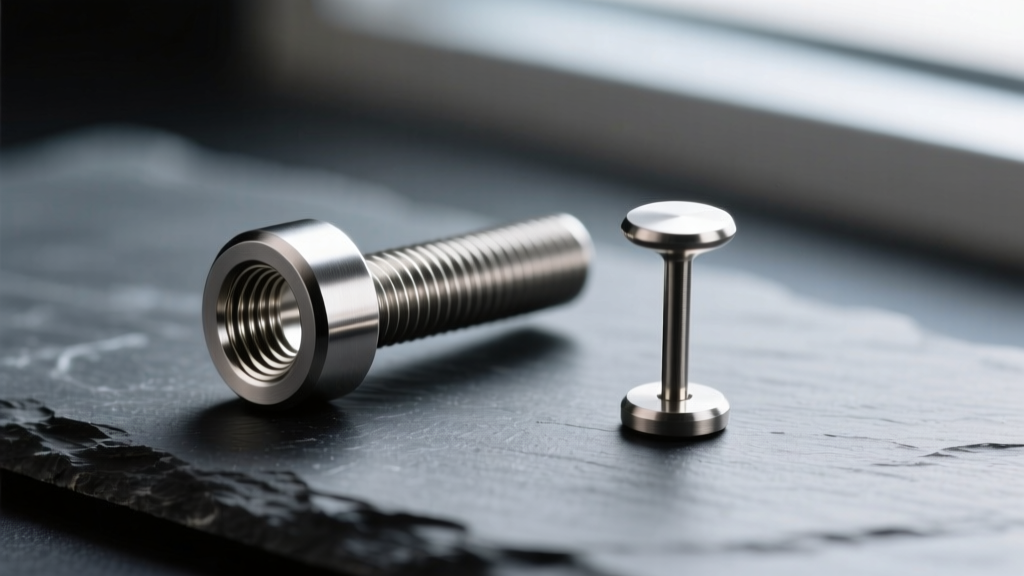
Material Grades: What to Actually Look For
The most critical mistake buyers make is trusting the term "surgical steel." In the jewelry industry, 316L surgical steel contains up to 10% nickel, a known allergen that causes weeping, itching, and localized rashes in sensitive individuals. When shopping for high-quality body jewelry, you must look for specific, verifiable metallurgical standards.
| Material | Grade / Standard | Nickel-Free? | Price Range | Best Application |
|---|---|---|---|---|
| Titanium | ASTM F136 (Implant-Grade) | Yes | $30 - $85 | Fresh piercings, sensitive skin, everyday wear |
| Gold | 14k or 18k Solid (Nickel-Free Alloy) | Yes | $120 - $400+ | Healed lobes and cartilage, fine jewelry collections |
| Niobium | Commercially Pure (CP) | Yes | $25 - $60 | Hypoallergenic alternative to titanium, anodized colors |
| Surgical Steel | 316L or 316LVM | No | $10 - $30 | Strictly for fully healed, non-sensitive lobes |
According to the Association of Professional Piercers (APP), implant-grade titanium (ASTM F136) is the gold standard for initial piercings and long-term wear due to its biocompatibility and lack of nickel. When opting for gold, the Gemological Institute of America (GIA) notes that 14k and 18k gold must be specifically alloyed without nickel to remain safe for prolonged skin contact; always verify the alloy composition with the jeweler.
Threading and Mechanics: The Hidden Failure Points
The way the decorative end attaches to the post dictates both the comfort and the longevity of the earring. There are three primary threading mechanisms on the market, and knowing the difference will save your piercing from unnecessary trauma.
- Externally Threaded: The screw pattern is on the post itself. This design forces sharp, jagged threads through the delicate fistula (the piercing channel) every time you insert it, causing micro-tears. Avoid these entirely.
- Internally Threaded: The screw pattern is inside the decorative end, leaving the post completely smooth. This is the minimum acceptable standard for high-quality body jewelry.
- Threadless (Push-Pin): The decorative end features a slightly bent pin that slides into a hollow post, using tension to stay locked in place. This is widely considered the superior mechanism for secure, seamless wear.
Threadless jewelry is particularly advantageous for men's cartilage piercings, such as the tragus or conch, where fumbling with tiny screw-on backing balls behind the ear is frustrating and often results in dropped jewelry.

Style Matching: Face Shape and Proportions
Earrings alter the visual geometry of the face. For men, the goal is usually to complement the jawline and facial hair without overwhelming the natural features. Here is a structural framework for matching earring styles to face shapes.
Square and Angular Jawlines
Men with strong, square jawlines should avoid heavy, geometric drop earrings or sharp, angular studs, which can make the face look overly rigid. Instead, opt for rounded shapes. Medium-sized seamless hoops (10mm to 12mm) or curved huggies soften the angles of the jaw. A simple, round bezel-set diamond or black onyx stud in the lobe provides a refined contrast to sharp facial contours.
Round and Soft Features
To add definition to a rounder face, introduce vertical lines and angular geometry. Elongated drop earrings, geometric barbell shields, or structured ear cuffs draw the eye downward, creating the illusion of a longer, more chiseled face. Avoid large, chunky hoops that echo the roundness of the face.
Oval and Diamond Face Shapes
Oval faces are highly versatile and can carry almost any style. This is where you can experiment with mixed-metal curation, combining a threadless titanium stud in the helix with a textured gold huggie in the lobe. For diamond-shaped faces (narrow forehead and chin, wide cheekbones), keep the jewelry close to the head. Flat-back labret studs and tight-fitting clicker hoops work best to avoid adding unwanted width at the cheek level.
Budgeting: Real Pricing Tiers
When building a curated ear, it is essential to allocate your budget toward materials that will last a lifetime rather than fast-fashion pieces that will tarnish or cause infections.
- Entry-Level Safe ($25 - $50): ASTM F136 Titanium flat-back labrets with basic PVD coatings (like black or rose gold) or synthetic gemstones. Brands like NeoMetal or Junipurr offer excellent threadless titanium options in this tier.
- Mid-Tier Fine ($80 - $200): Solid 14k gold threadless ends, small seamless gold hoops, and genuine semi-precious stone inlays. This is the sweet spot for everyday luxury that won't degrade with exposure to sweat and grooming products.
- High-End Bespoke ($250 - $1,000+): Custom 18k gold ear cuffs, diamond-pavé clickers, and large-gauge solid gold plugs or tunnels for stretched lobes. Brands like BVLA and Maria Tasha dominate this space with lifetime warranties and unparalleled gemstone setting quality.
Final Checklist Before You Buy
Before completing your purchase, run the earring through this quick diagnostic checklist to ensure it meets professional standards:
- Verify the Metal: Is it explicitly stamped or certified as ASTM F136 Titanium or Nickel-Free 14k/18k Gold?
- Check the Threading: Is it internally threaded or threadless? (Reject anything externally threaded).
- Confirm the Gauge: Does the post thickness match your specific piercing placement (e.g., 16G for helix, 18G for standard lobe)?
- Assess the Profile: If buying a flat-back stud for a helix or tragus, is the post length appropriate for your tissue thickness (usually 6mm or 8mm for healed piercings)?
Investing in the correct anatomy-specific, high-grade jewelry ensures that your piercings remain healthy, comfortable, and visually striking for decades.


