How to Polish Silver Earrings: A Step-by-Step Tarnish Removal Guide
Learn how to polish silver earrings safely. Our step-by-step guide covers tarnish removal, gemstone protection, and restoring 925 sterling silver shine.

The Science of Tarnish: Why Your Silver Earrings Turn Black
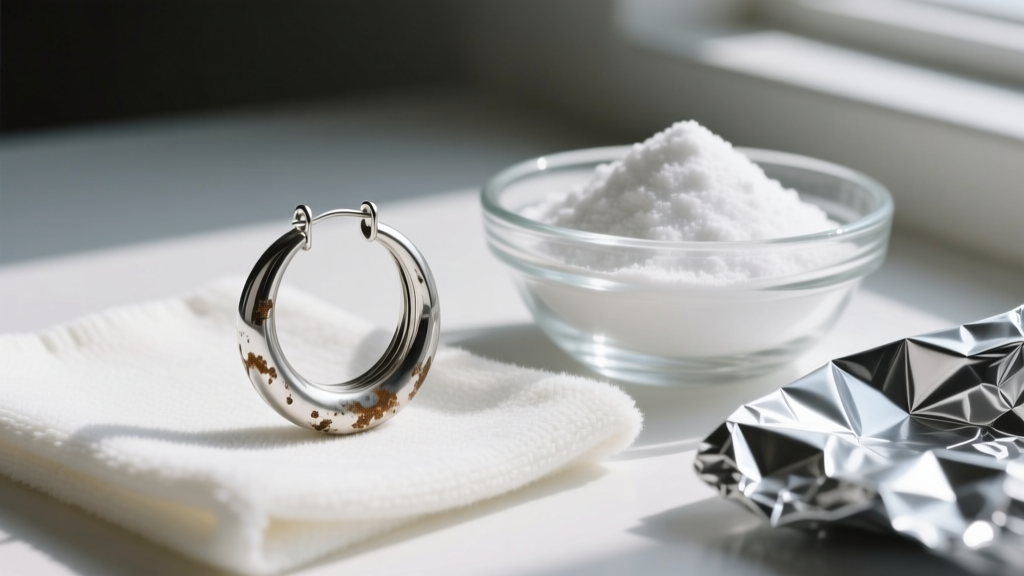
Before learning how to polish silver earrings, it is crucial to understand what you are actually removing. Silver tarnish is not dirt, and it is not rust. It is a chemical reaction. Pure silver (999 fine silver) is highly resistant to tarnish, but it is too soft for durable jewelry. Therefore, most earrings are crafted from 925 sterling silver, which contains 92.5% silver and 7.5% alloy metals, usually copper.
When the copper in sterling silver is exposed to sulfur compounds in the air, humidity, or everyday products like lotions and perfumes, it forms silver sulfide (Ag2S). This manifests as a yellowish, brown, or black film on the surface of your earrings. According to the Gemological Institute of America (GIA), this tarnish layer is superficial and can be safely reversed without removing the underlying precious metal, provided you use the correct techniques.
The Electrochemical Bath: Best for Plain 925 Sterling Silver
If you are cleaning plain silver hoops, studs, or huggies without gemstones, enamel, or intentional oxidation, the electrochemical aluminum bath is the most efficient method. This process uses a galvanic reaction to convert silver sulfide back into pure silver, meaning you lose zero metal mass compared to abrasive polishing.
Step-by-Step Electrochemical Cleaning
- Prepare the Vessel: Line a glass or ceramic bowl with aluminum foil, shiny side up. The aluminum acts as the sacrificial anode.
- Add the Catalysts: Add 1 tablespoon of baking soda (sodium bicarbonate) and 1 tablespoon of non-iodized salt per cup of water. The salt increases the electrical conductivity of the water.
- Pour Boiling Water: Carefully pour boiling water into the bowl to dissolve the powders. You will immediately notice a sulfurous, rotten-egg smell—this is the sulfur leaving the silver.
- Submerge the Earrings: Using plastic or wooden tongs (never metal, which will disrupt the reaction), lower your silver earrings into the bath. Ensure they are physically touching the aluminum foil.
- Wait and Rinse: Let them sit for 2 to 5 minutes. Remove, rinse thoroughly under warm distilled water, and dry immediately with a lint-free microfiber cloth.
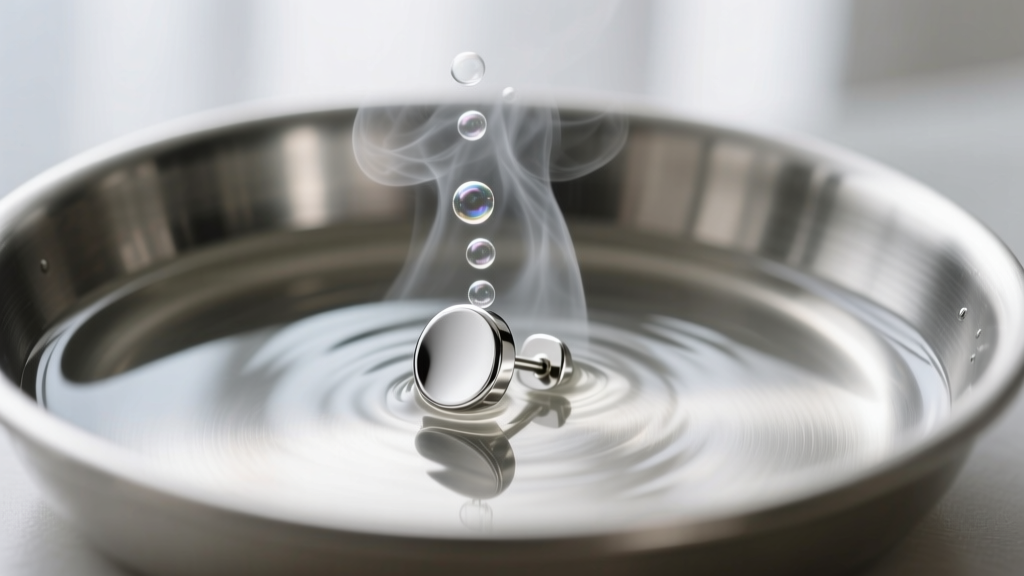
Expert Warning: Never use the electrochemical bath on earrings with porous gemstones (like turquoise, opal, pearl, or lapis lazuli). The boiling water and alkaline baking soda will permanently damage their structure and strip their natural luster.
Manual Polishing: How to Polish Silver Earrings with Gemstones
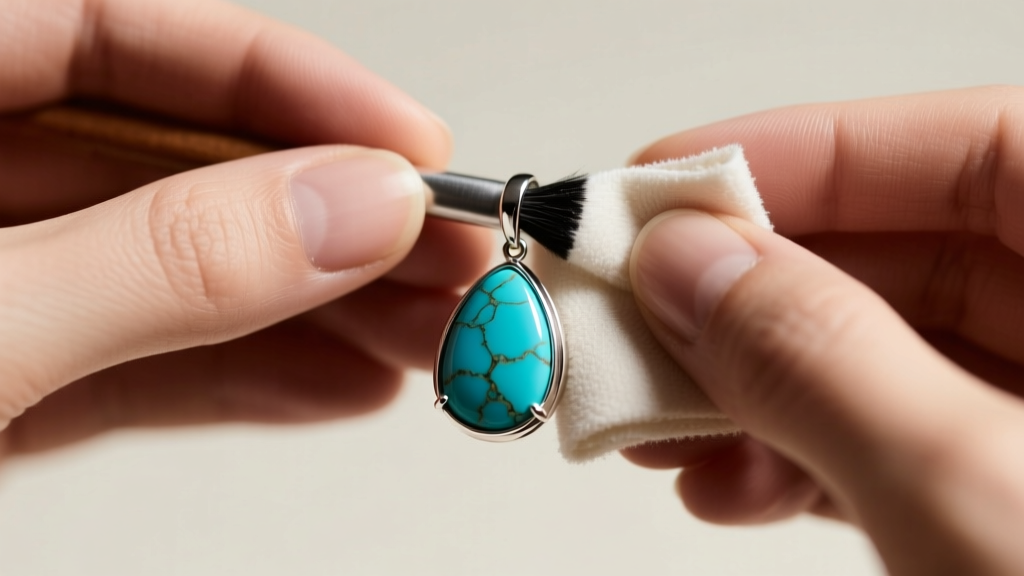
When dealing with gemstone-set earrings, enamel work, or pieces with intentional blackened patinas (oxidized silver), you must abandon chemical baths and rely on careful manual polishing. The goal here is to remove tarnish from the metal settings without scratching the stones or stripping the dark contrast from the silver crevices.
Choosing the Right Polishing Agents
For light to medium tarnish, a treated silver polishing cloth (such as a Cape Cod cloth or a Sunshine cloth) is your best tool. These cloths are impregnated with microscopic jeweler's rouge and mild anti-tarnish agents. Wrap the cloth around your index finger and gently buff the silver bezels and prongs.
For heavy tarnish on intricate settings, use a specialized silver polish cream like Wright's Silver Cream. Apply a pea-sized amount to a damp, ultra-soft sponge. Work it into the silver using circular motions, avoiding the gemstones entirely. Rinse with lukewarm water and a soft-bristled baby toothbrush to clear the paste from under the gallery wire, then dry completely.
Navigating Earring Mechanics and Crevices
Different earring styles present unique cleaning challenges that require specific attention:
- Friction Posts and Butterfly Backs: Tarnish and skin oils accumulate heavily on the grooved posts of stud earrings. Use a cotton swab dipped in isopropyl alcohol to clean the post grooves before polishing the decorative face.
- Huggie Hinges: The tiny hinge mechanisms on huggie hoops can seize if tarnish and debris build up inside. Apply a single drop of mineral oil to the hinge after polishing to ensure smooth opening and closing.
- Threader Earrings: The delicate chains on silver threader earrings are prone to kinking and trapping tarnish. Lay the chain flat on a polishing cloth and gently drag the cloth down the length of the chain rather than rubbing back and forth.
Method Selection Guide: Matching the Clean to the Earring
Choosing the wrong cleaning method can ruin expensive jewelry. Use the table below to determine the safest approach for your specific pair of earrings.
| Earring Type / Material | Recommended Cleaning Method | Methods to Strictly Avoid |
|---|---|---|
| Plain 925 Sterling Silver (Hoops, Studs) | Electrochemical Aluminum Bath | Stiff wire brushes, toothpaste |
| Silver with Porous Gems (Turquoise, Pearl) | Mild soap, water, and soft cloth | Ultrasonic cleaners, chemical dips, baking soda |
| Silver with Hard Gems (Diamond, Sapphire) | Ultrasonic cleaner or silver dip (briefly) | Abrasive pastes that can scratch metal settings |
| Oxidized (Blackened) Silver | Gentle wipe with a dry microfiber cloth | Electrochemical bath, liquid silver dips, polishing cloths |
| Silver with Enamel or Resin | Damp microfiber cloth, mild dish soap | Boiling water, ammonia-based cleaners |
For more comprehensive guidelines on jewelry maintenance, the Jewelers of America strongly advises against using liquid "dip" cleaners on any jewelry where the gemstone settings are glued rather than prong-set, as the harsh chemicals (often containing thiourea) can dissolve the adhesives, causing stones to fall out.
Proactive Maintenance: Keeping Silver Earrings Tarnish-Free
Knowing how to polish silver earrings is useful, but preventing tarnish in the first place saves time and preserves the metal's lifespan. Tarnish is an environmental reaction, meaning you can control it by managing your earrings' microclimate.
Strategic Storage Solutions
Never store silver earrings in humid environments like bathroom vanities. Instead, keep them in an airtight container. For maximum protection, line your jewelry box with Pacific Silvercloth, a specialized flannel embedded with microscopic silver particles that absorb sulfur gases before they reach your earrings.
Alternatively, place 3M Anti-Tarnish Strips inside your storage bags or jewelry boxes. These strips absorb airborne sulfides and chlorides, remaining effective for up to six months in a sealed environment. Do not use rubber bands to bundle silver jewelry or secure storage bags; rubber contains high levels of sulfur and will cause rapid, severe blackening of the silver.
The Benefit of Daily Wear
Ironically, one of the best ways to keep silver earrings polished is to wear them frequently. The natural, gentle friction of your skin and clothing, combined with the natural oils your body produces, acts as a continuous, mild polishing agent that prevents silver sulfide from establishing a thick layer on the metal's surface. By understanding the chemistry of your jewelry and applying these targeted polishing techniques, your silver earrings will maintain their brilliant luster for decades.


