How to Style, Clean, and Wear Intricate Fly Earrings
Learn how to style, clean, and securely wear intricate fly earrings. Our step-by-step guide covers weight distribution, enamel care, and styling tips.

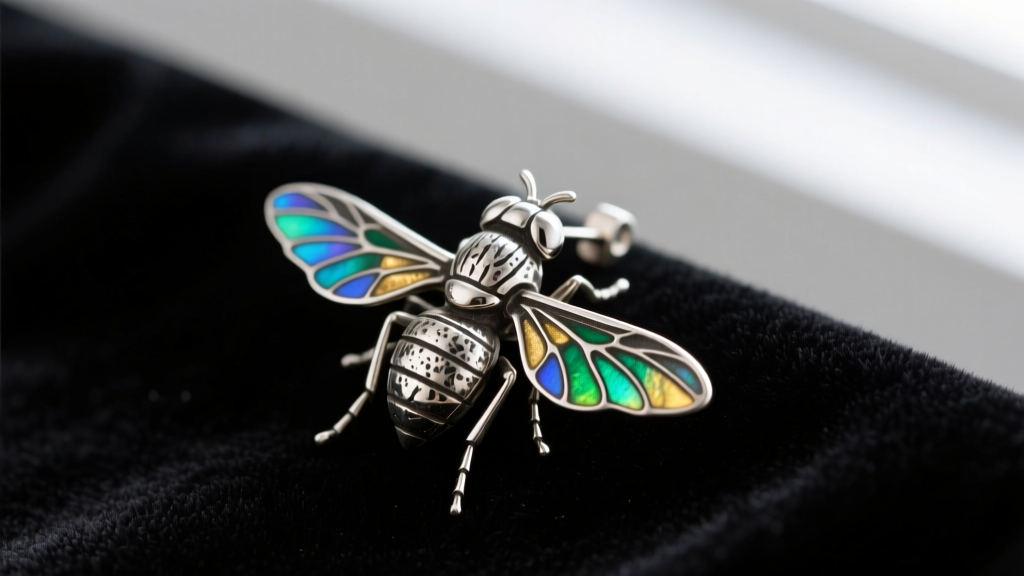
Insect-inspired jewelry has transcended its Victorian novelty roots to become a staple in modern wardrobes, particularly within dark academia, cottagecore, and avant-garde aesthetics. Among these, fly earrings—encompassing houseflies, dragonflies, and moths—offer unparalleled intricacy. However, their asymmetrical shapes, delicate enamel wings, and uneven weight distribution present unique challenges for everyday wear. This comprehensive, step-by-step guide will teach you how to properly secure, clean, and style your fly earrings to ensure they remain a striking focal point without damaging your earlobes or the jewelry itself.
The Anatomy of Fly Earrings: Materials and Mechanics
Before diving into maintenance, it is crucial to understand the structural realities of insect motif jewelry. Fly earrings are rarely uniform. A dragonfly earring, for instance, features a long, tail-heavy drop, while a moth earring is often wide and top-heavy.
Common Materials and Their Vulnerabilities
- Oxidized 925 Sterling Silver: Frequently used for housefly and gothic moth motifs to highlight crevices and wing textures. Vulnerable to chemical stripping.
- Plique-à-jour and Guilloché Enamel: Found in high-end dragonfly wings ($800–$2,500+). This glass-like finish is highly susceptible to thermal shock and ultrasonic shattering.
- Micro-Pavé Gemstones: Often set along the thorax or wing edges. Prongs can snag on textiles if not bezel-set or flushed.
Furthermore, pay attention to the post gauge. Standard fly earrings use a 20-gauge (0.8mm) post. However, heavy brass or solid gold moth earrings should ideally feature an 18-gauge (1.0mm) post to prevent the 'cheese-cutter effect,' where a thin wire slowly slices through the earlobe tissue under the weight of the jewelry.
Step-by-Step Guide to Securing Asymmetrical Fly Earrings
The most common failure mode for fly earrings is drooping or falling out entirely due to a shifted center of gravity. Standard butterfly friction backs are rarely sufficient for intricate insect designs. Follow these steps to secure them properly.
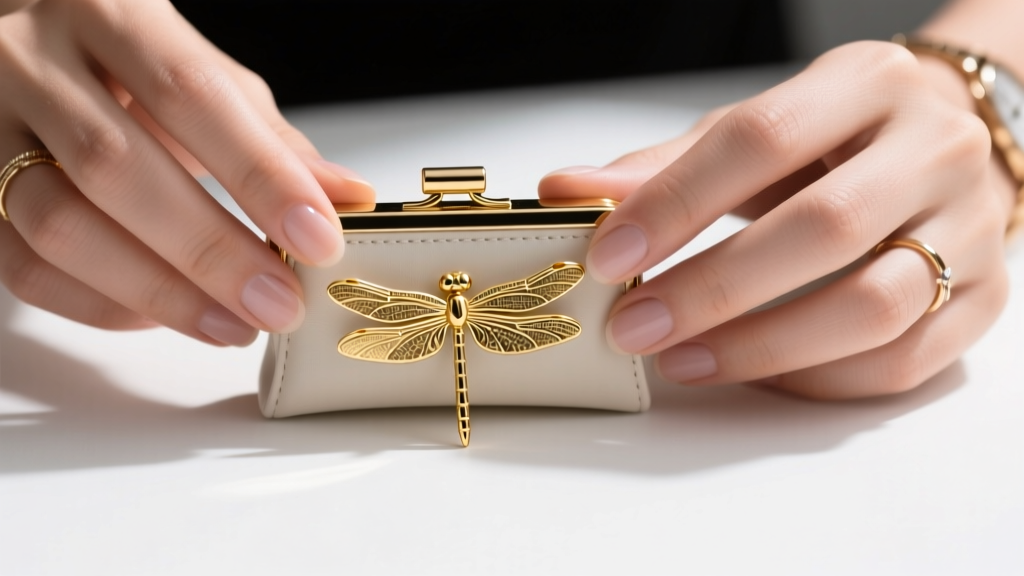
Step 1: Assess the Center of Gravity
Hold the earring by the post horizontally. If the head (the insect body) dips downward, it is top-heavy. If the wings or tail pull it backward, it is back-heavy. Top-heavy flies require a backing that sits flush against the earlobe, while back-heavy designs need a wider backing to act as a counterweight.
Step 2: Select the Correct Clutch
- La Pousette Locking Clutches: Best for 18G and 20G posts on valuable or heavy fly earrings. They feature a mechanical locking mechanism that clicks into a groove on the post, making it impossible for the earring to slide off.
- Jumbo Silicone O-Rings: Ideal for wide-winged moth earrings. The broad surface area distributes the weight across a larger portion of the earlobe, preventing localized pressure necrosis.
- Monster Backs (Metal & Silicone Hybrid):strongspan> Provide the grip of silicone with the structural rigidity of metal, perfect for elongated dragonfly drops.
Step 3: The Two-Finger Insertion Method
Never force a fly earring post from the front while blindly pushing a backing on from the rear. Instead, support the decorative front of the fly earring with your thumb and index finger to prevent bending the delicate wing appendages. Insert the post through the lobe, and slide the chosen secure backing on with your opposite hand until you feel a firm, flush resistance.
How to Clean Delicate Enamel and Oxidized Silver Wings
Cleaning fly earrings requires a departure from standard jewelry maintenance. According to the Victoria and Albert Museum's conservation guidelines, antique and intricate enameled pieces should never be subjected to harsh chemicals or mechanical vibration. Furthermore, the Gemological Institute of America (GIA) warns against using ultrasonic cleaners on any jewelry with porous stones, enamel, or intentional oxidation.
'The beauty of a Victorian or modern artisan fly earring lies in its shadows. Stripping the oxidation from the silver crevices destroys the three-dimensional illusion of the insect's anatomy.' — Master Bench Jeweler
The Safe Cleaning Protocol
- Prepare a Mild Bath: Mix three drops of phosphate-free, mild dish soap (like Dawn) into a bowl of lukewarm—not hot—distilled water. Hot water can cause the metal to expand and crack cold enamel.
- Targeted Agitation: Dip an extra-soft baby toothbrush into the solution. Gently brush the pavé stones and the flat surfaces of the enamel wings. Do not scrub the oxidized silver crevices; simply let the soapy water flow over them.
- The Rinse: Submerge the earring briefly in a separate bowl of clean, lukewarm distilled water to remove soap residue. Avoid tap water, as chlorine and minerals can leave a cloudy film on enamel.
- Drying: Pat dry with a lint-free microfiber cloth. Use a can of compressed air (held at least six inches away) to blow moisture out of the microscopic prongs and wing joints.
Styling Frameworks: Matching Fly Earrings to Your Aesthetic
Because fly earrings are inherently bold, styling them requires balancing their visual weight with your outfit. Below is a decision matrix to help you pair your insect motifs with the correct aesthetic and wardrobe choices.
| Aesthetic | Ideal Fly Motif | Best Material | Styling Rule & Pairing |
|---|---|---|---|
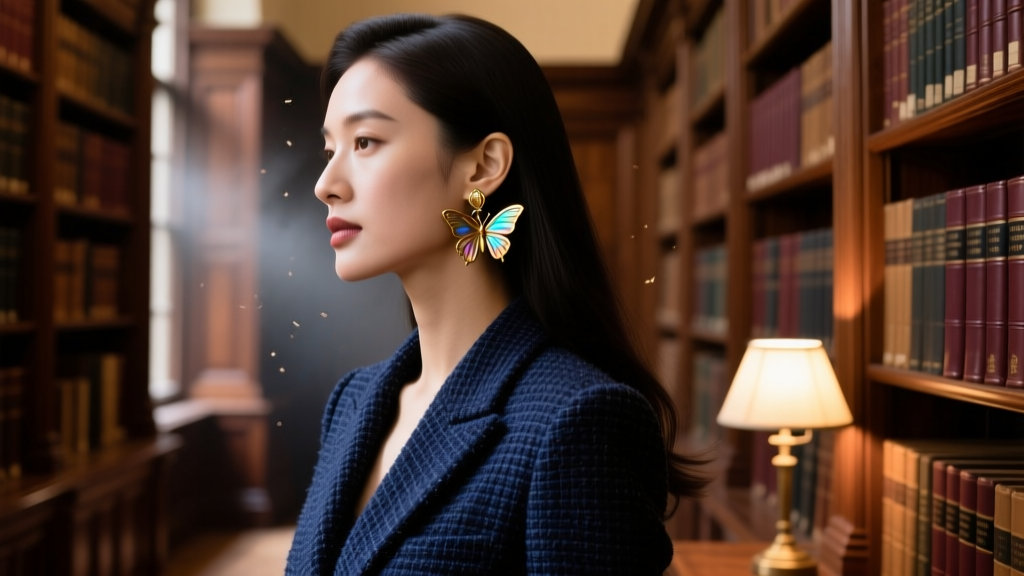
| Dark Academia | Housefly or Moth | Oxidized Silver, Brass | Pair with tweed, wool, and high collars. Let the earring rest against the fabric to highlight the dark metal. |
| Cottagecore | Dragonfly | Enamel, Rose Gold | Wear with linen or floral cotton. Choose drop styles that mimic the movement of nature. |
| Avant-Garde | Asymmetrical Flies | Black Rhodium, Diamonds | Wear a single, oversized fly earring on one side. Keep the opposite ear completely bare or styled with a minimalist cuff. |
| Minimalist Edge | Micro Housefly | Yellow Gold, Black Onyx | Use as a secondary or tertiary piercing accent. Pairs perfectly with geometric gold hoops in the primary lobe piercing. |
Troubleshooting Common Fly Earring Issues
Even with proper care, the complex geometry of fly earrings can lead to specific wear-and-tear issues. Here is how to troubleshoot them like a professional.
Issue 1: The Earring Constantly Droops Forward
The Cause: The insect's body is too heavy for the earlobe to support, causing the post to angle downward.
The Fix: Apply an invisible earring support patch (such as BlingDots) to the back of your earlobe before inserting the earring. The patch reinforces the tissue, providing a rigid anchor that keeps the fly facing straight ahead.
Issue 2: Snagging on Hair and Sweaters
The Cause: Micro-prongs holding wing-tip stones have lifted, or the wire wrapping on the antennae has unspooled.
The Fix: Run a piece of silk thread or a nylon stocking lightly over the earring. If it catches, a prong is loose. Do not wear the earring until a jeweler can re-tip the prong or apply a small drop of jeweler's epoxy to the wire wrap.
Issue 3: Loss of Enamel Vibrancy
The Cause: Oils from the skin and hairspray buildup have created a microscopic film over the glass-like enamel wings.
The Fix: Wipe the enamel gently with a jewelry polishing cloth designed specifically for gemstones and glass (avoid silver polishing cloths, as the embedded abrasives will scratch the enamel over time).
Final Thoughts on Insect Jewelry Care
Fly earrings are more than just accessories; they are miniature sculptures that require an informed approach to wear and maintenance. By understanding the physics of their asymmetrical designs, utilizing mechanical locking backs, and adhering to strict, non-abrasive cleaning protocols, you can preserve the intricate beauty of your insect jewelry for decades. Whether you are drawn to the gothic allure of an oxidized silver housefly or the delicate elegance of an enameled dragonfly, treating these pieces with horological care will ensure they continue to take flight.


