Baroque Pearl Earring Value Guide: 2026 Pricing & Budget Tips
Discover how to assess the true value of a baroque pearl earring in 2026. Compare freshwater vs. saltwater pricing, hardware grades, and nacre tips.

The Shift to Organic: Why Baroque Pearls Dominate 2026
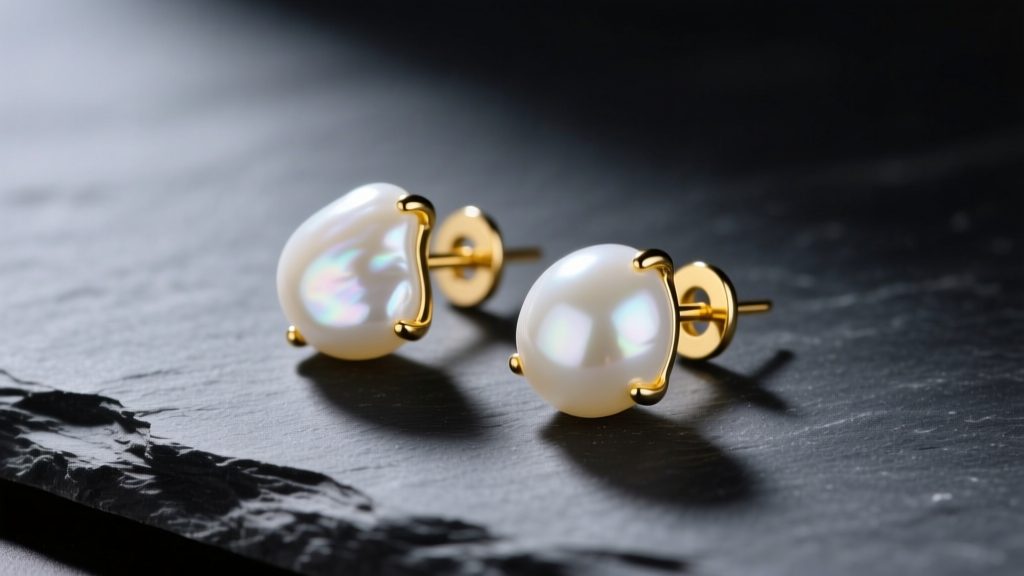
The jewelry market has seen a definitive shift away from perfectly spherical gems, with collectors and casual wearers alike embracing the unpredictable beauty of organic shapes. When evaluating a baroque pearl earring, the traditional rules of spherical perfection go out the window. Instead, value is determined by a complex interplay of luster, nacre thickness, surface character, and structural hardware. In 2026, understanding these nuances is the difference between securing a generational heirloom and overpaying for a coated shell bead.
Baroque pearls are defined simply as any pearl that is not perfectly round. They can be symmetrical or wildly asymmetrical, teardrop-shaped, coin-like, or heavily ridged. Because they are more common in nature than perfect rounds, they often present a superior budget option—but only if you know how to grade them correctly. This comprehensive value assessment will break down exactly what you should pay, what hardware to demand, and how to spot deceptive treatments.
The Anatomy of Baroque Pearl Value
According to the Gemological Institute of America (GIA), pearl value is assessed across seven distinct factors. For baroque specimens, three of these factors carry the most weight in determining a fair market price:
- Luster (The Ultimate Multiplier): Luster refers to the sharpness and intensity of light reflecting off the pearl's surface. A high-luster freshwater baroque will always command a higher price than a dull, chalky saltwater baroque. Look for reflections where you can clearly see the outline of the light source.
- Nacre Thickness: Nacre is the crystalline substance secreted by the mollusk. In saltwater pearls (which are bead-nucleated), nacre thickness is critical. Anything below 0.8mm is considered too thin and risks peeling or flaking over time. Freshwater pearls are typically solid nacre, making them inherently more durable for daily wear.
- Surface Quality: While baroque pearls are prized for their unique shapes, the surface should still be relatively clean. Minor bumps and ridges are expected and add character, but deep cracks, chalky dead spots, or concentric splitting are structural flaws that drastically reduce the value.
2026 Pricing Matrix: Freshwater vs. Saltwater Baroque
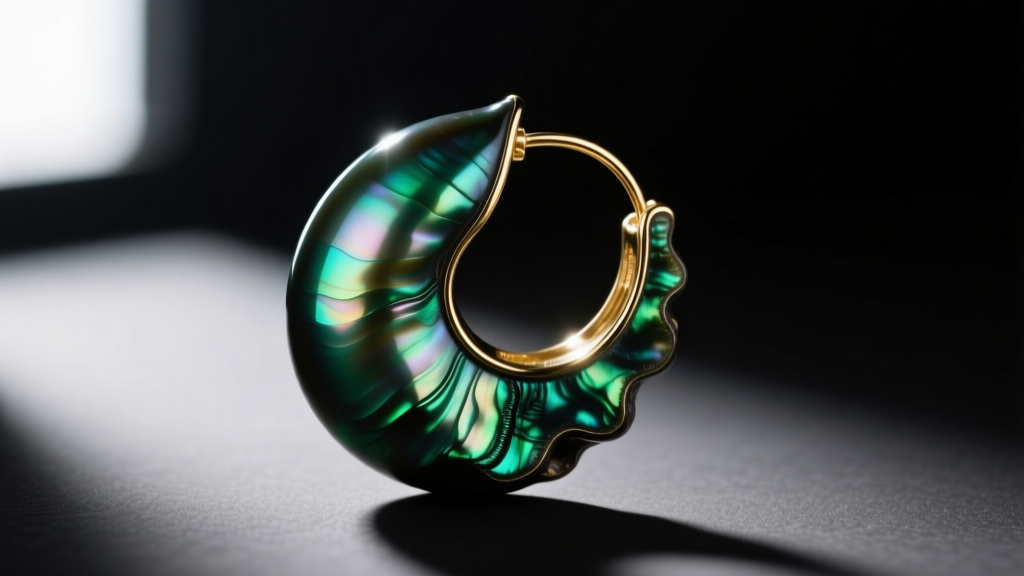
Budgeting for a baroque pearl earring requires understanding the origin species. Below is the 2026 market pricing matrix for a standard pair of drop-style baroque earrings (10mm - 14mm), set in basic 14k gold hardware.
| Pearl Type | Typical Size | 2026 Price Range (Pair) | Nacre Type | Best Budget Use |
|---|---|---|---|---|
| Freshwater Baroque | 9mm - 13mm | $45 - $180 | Solid Nacre | Everyday wear, high durability |
| Akoya Baroque | 7mm - 9mm | $150 - $400 | Bead-Nucleated | Mirror-like luster, formal events |
| Tahitian Baroque | 10mm - 15mm | $300 - $950 | Bead-Nucleated | Dark exotic colors, statement pieces |
| South Sea Baroque | 13mm - 18mm | $800 - $3,500+ | Bead-Nucleated | Investment grade, luxury gifting |
Note: Prices fluctuate based on luster grade and exact color overtones. Peacock Tahitian and golden South Sea baroques sit at the absolute top of these ranges.
Hardware & Setting: Where Budgets Bleed
A common failure mode in budget jewelry is pairing a heavy, valuable pearl with cheap, inadequate hardware. A 15mm South Sea baroque pearl can weigh upwards of 4 grams. If this is mounted on a standard 20-gauge (0.81mm) sterling silver post, the metal will inevitably bend under the weight, causing the earring to droop forward and the pearl to rub against the earlobe. This friction degrades the drill hole over time, eventually leading to the pearl snapping off and being lost.
The Gauge Rule for Heavy Baroques
When inspecting a premium baroque pearl earring, always check the post thickness:
- Under 10mm (Lightweight): Standard 20-gauge (0.81mm) posts are perfectly acceptable.
- 10mm to 13mm (Medium): Look for 18-gauge (1.02mm) posts or reinforced French wire hooks.
- 14mm and above (Heavy): Demand 16-gauge (1.29mm) posts or a custom saddle-back setting. If the vendor uses thin wire for a massive pearl, walk away.
Adhesives: Epoxy vs. Cyanoacrylate
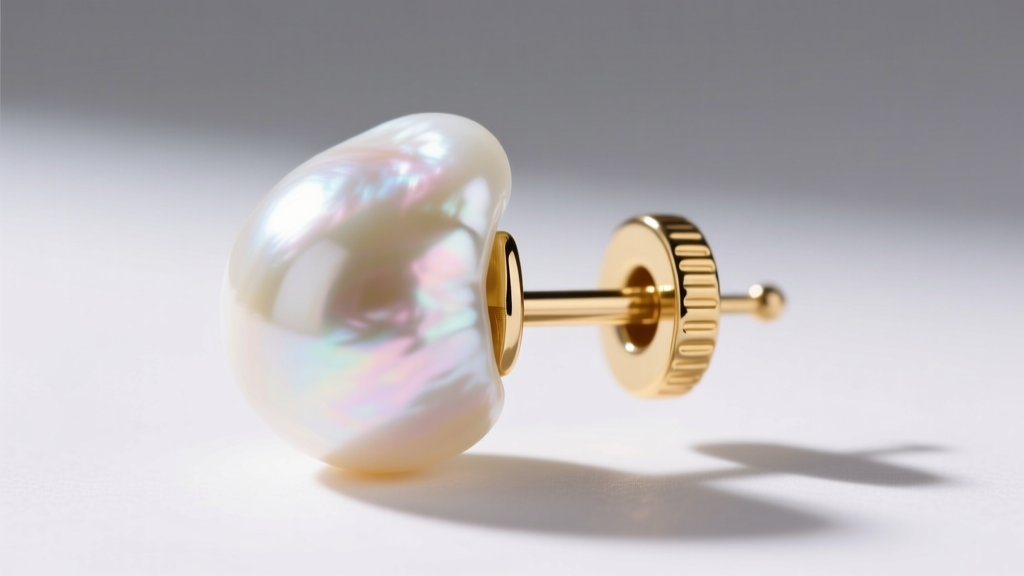
Peg-set baroque earrings rely on a metal post glued into a drilled hole. High-end jewelers use a two-part jeweler's epoxy resin, which cures with a slight flexibility that absorbs shock. Budget manufacturers often use cyanoacrylate (super glue), which dries brittle. Over time, body heat and minor impacts cause super glue to crystallize and shatter, resulting in the pearl popping off the peg. Always ask the vendor about their setting adhesive before purchasing premium pieces.
Smart Shopping Framework: Spotting Overpriced Treatments
The Federal Trade Commission (FTC) mandates that any permanent treatment altering a gemstone's appearance must be disclosed. However, in the wild west of online marketplaces, disclosures are frequently buried or omitted entirely. Here is how to protect your budget from treated baroque pearls:
The Flash Test: To detect dye in drilled baroque pearls, examine the drill hole under a 10x jeweler's loupe. If you see a dark concentration of color pooling right at the edge of the drill hole, or if the interior of the hole looks significantly darker than the surface, the pearl has likely been artificially dyed.
Common Treatments to Watch For
- Irradiation: Used to darken freshwater pearls to mimic expensive Tahitian colors. Irradiated pearls often have a uniform, metallic grey appearance lacking the complex, multi-colored overtones of natural Tahitian baroques.
- Coating: A clear or tinted lacquer applied to hide surface blemishes and artificially boost luster. Coated pearls feel slightly plastic to the tooth-test (real pearls feel like fine sandpaper when gently rubbed against the edge of your front tooth) and will eventually peel.
- Maeshori: A traditional Japanese pre-treatment involving mild heating and tightening of the nacre before processing. Unlike dyeing, Maeshori is generally accepted in the Akoya market and does not negatively impact long-term value, provided it isn't combined with heavy bleaching.
Styling ROI: Matching Baroque Shapes to Face Shapes
Maximizing the value of your purchase also means ensuring the earrings actually flatter your features. The asymmetrical nature of baroque pearls offers unique styling advantages:
- Round Faces: Opt for elongated, teardrop, or heavily ridged vertical baroques. The downward visual line creates a lengthening effect, providing a slimming contour to the jawline.
- Long/Oval Faces: Choose wide, coin-shaped, or horizontally oriented baroques. Cluster settings featuring multiple small baroques also add necessary width and volume to the sides of the face.
- Square Faces: Soft, curved, organic baroques with rounded edges help soften sharp jawlines and prominent cheekbones. Avoid geometric or heavily angular baroque shapes.
Final Verdict: Where to Allocate Your Budget
If you are working with a strict budget under $200, your highest ROI will always come from high-luster freshwater baroque pearls set in solid 14k gold vermeil or recycled sterling silver. You get solid-nacre durability, incredible organic shapes, and enough budget left over for a high-quality jewelry box and proper cleaning supplies.
However, if your budget exceeds $500, pivot immediately to saltwater Tahitian or South Sea baroques. At this price point, you are paying for the deep, complex overtones and the massive size that freshwater mollusks simply cannot replicate. Just remember to verify the post gauge, inspect the drill holes for dye, and demand a certificate of authenticity detailing the nacre thickness. By applying these strict value assessments, your baroque pearl earring collection will remain both financially sound and aesthetically breathtaking for decades to come.


