How to Authenticate and Style Vintage Weiss Clip On Earrings
Learn how to authenticate, comfortably wear, and style vintage Weiss clip on earrings with our expert step-by-step guide for collectors.

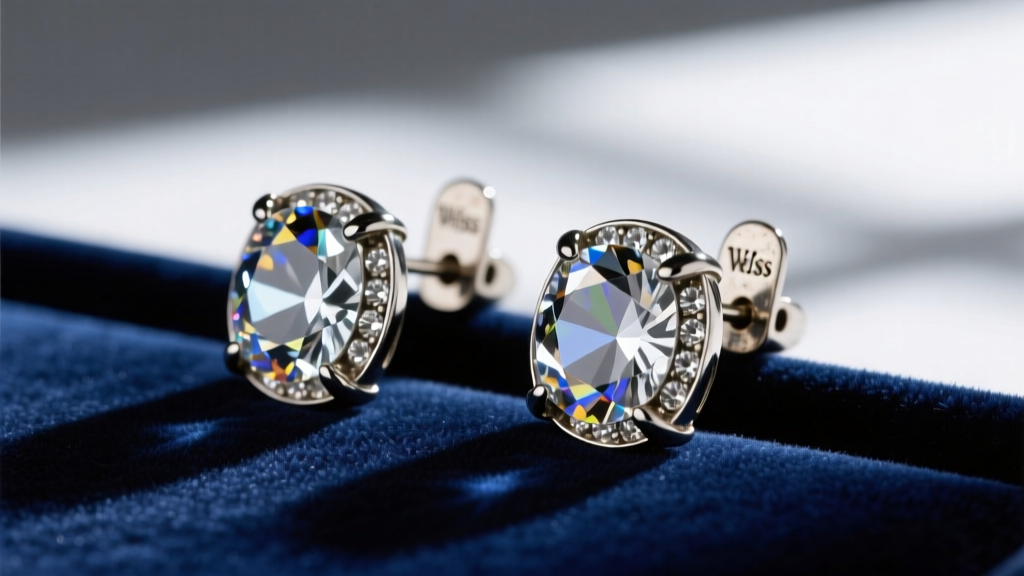
The Enduring Allure of Vintage Weiss Jewelry
As the vintage jewelry market continues to surge in 2026, mid-century costume pieces remain highly sought after by collectors and fashion enthusiasts alike. Among the most celebrated names of this era is Albert Weiss, a master designer who founded his eponymous company in New York City in 1942 after a successful tenure at Coro. Weiss was renowned for his meticulous attention to detail, high-quality Austrian and Swarovski rhinestones, and elegant floral and geometric motifs. Because Weiss clip on earrings were designed for an era when ear piercing was less common, they feature robust, meticulously engineered hardware. However, buying vintage requires a discerning eye. This step-by-step guide will teach you how to authenticate, adjust, style, and preserve your vintage Weiss clip on earrings.
Step 1: Authenticating Your Weiss Clip On Earrings
The secondary market is flooded with unmarked vintage pieces and outright reproductions. To verify that your earrings are genuine Weiss, you must examine the hallmarks, hardware, and stone quality.
Identifying the Hallmarks
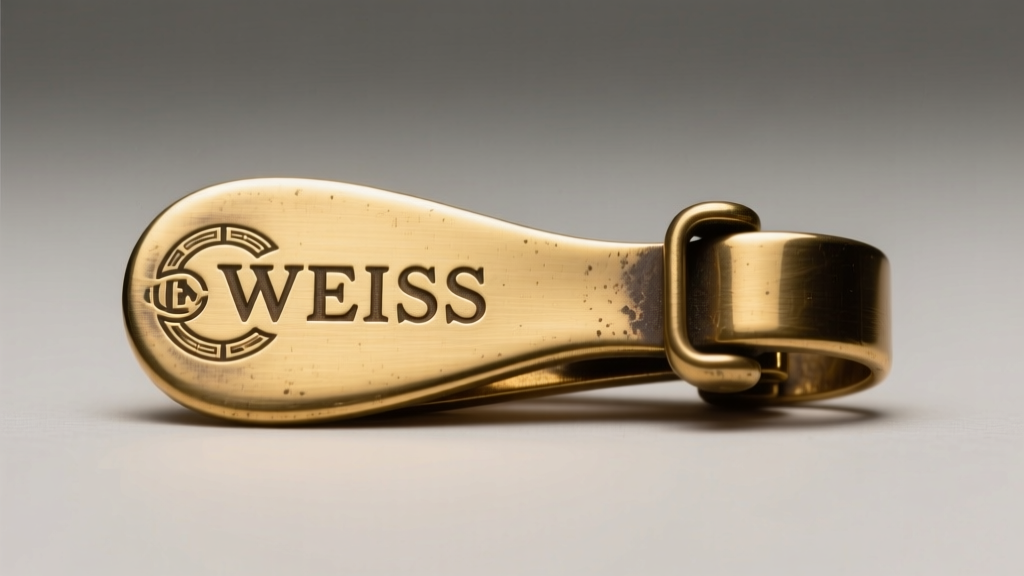
Genuine Weiss pieces are almost always signed. Look closely at the back of the clip mechanism or the flat metal plate behind the stones. You should see one of the following stamps:
- WEISS: The most common mark, usually stamped in block capital letters.
- A.W.: Used on some of the earliest pieces from the 1940s.
- WEISSCO: A rarer mark used on specific mid-century collections.
If the piece is entirely unmarked, it may be a Weiss design that lost its hangtag, but without a signature, it cannot command premium collector pricing.
Examining the Hardware and Stones
Weiss utilized heavy base metals plated in rhodium, gold, or japanned (dark oxidized) finishes. The clip mechanisms are typically "paddle" clips or screw-backs, characterized by thick, comfortable metal pads rather than thin, sharp wires. Furthermore, Weiss stones exhibit exceptional brilliance. According to Collectors Weekly, Weiss frequently used chaton-cut and baguette-cut rhinestones, often prong-set rather than glued, which is a major indicator of high-end mid-century costume jewelry.
Step 2: Dating Your Earrings by Decade
Understanding the era of your earrings not only aids in authentication but also helps in styling them appropriately. Here is a quick framework for dating Weiss pieces based on materials and design trends.
1940s: The Retro Era
Pieces from the 1940s often feature heavy rhodium plating and clear, unfoiled rhinestones. Designs were influenced by the Art Deco movement and wartime restrictions, leading to bold, three-dimensional ribbon and bow motifs. Screw-back earrings were highly prevalent during this decade.
1950s: The Aurora Borealis Revolution
In 1955, Swarovski introduced the Aurora Borealis (AB) finish. Weiss was quick to adopt this iridescent coating, which gave stones a rainbow-like shimmer. If your clip-ons feature AB stones alongside delicate floral or starburst designs, they likely date to the late 1950s.
1960s: Mod and Bold
The 1960s saw Weiss experimenting with larger, brightly colored glass cabochons, marquise-cut stones, and more abstract, geometric "Mod" designs. The company closed its doors in 1971, meaning any genuine piece is at least half a century old.
Step 3: Adjusting the Tension for Modern Comfort
Vintage clip-on earrings were engineered for the thicker earlobes of the mid-20th century, and decades of wear can cause the metal clips to loosen or, conversely, clamp down with painful force. Here is how to adjust them safely without damaging the plating.
Tools Required
- Nylon-jaw looping pliers (never use bare metal pliers, as they will strip the rhodium or gold plating).
- Silicone earring cushions (available from brands like Comfort Earrings).
The Adjustment Process
- Assess the Tension: Gently open the clip. If it snaps shut with aggressive force, it needs loosening. If it barely closes, it needs tightening.
- Loosening: Grip the base of the clip (where it meets the earring body) with your nylon-jaw pliers. Gently push the top of the clip backward to widen the gap. Do this in millimeter increments.
- Tightening: Grip the clip and gently squeeze the top and bottom together to reduce the gap.
- Add Cushions: For heavy Weiss chandelier drops, apply a self-adhesive silicone pad to the inner paddle. This distributes the weight and prevents the metal from pinching the cartilage.
Step 4: Styling Weiss Clip-Ons for Contemporary Wardrobes
Styling vintage costume jewelry in 2026 is all about juxtaposition. Pairing ornate, mid-century glamour with modern, minimalist silhouettes creates a striking visual balance. Below is a styling matrix to help you integrate your Weiss collection into everyday wear.
| Weiss Earring Style | Best Outfit Pairing | Ideal Occasion |
|---|---|---|
| Floral Motif Clips (1950s) | Crisp white button-down, high-waisted wide-leg denim | Brunch, daytime gallery visits |
| Geometric Mod Clips (1960s) | Solid color turtleneck, structured wool blazer | Office wear, creative meetings |
| Rhinestone Chandelier Drops | Silk slip dress, slicked-back updo | Evening galas, formal dinners |
| Japanned Black & Clear Clips | Leather moto jacket, little black dress | Cocktail parties, theater nights |

Step 5: Cleaning and Preserving Foil-Backed Stones
The most critical mistake new collectors make is cleaning vintage rhinestones with water or commercial jewelry dips. Many Weiss earrings utilize foil-backed rhinestones to maximize light refraction. If moisture seeps beneath the stone setting, the delicate silver foil will oxidize, turn black, and permanently ruin the stone's brilliance.
The Dry-Clean Method
Never submerge vintage costume jewelry in liquid. Always opt for targeted, dry cleaning methods to protect the foil backing and metal plating.
- Dust Removal: Use a clean, dry, soft-bristled makeup brush to gently sweep away dust and skin oils from the crevices and prongs.
- Surface Grime: Dampen a cotton swab with a tiny amount of isopropyl alcohol (70% or higher). Wring it out so it is barely damp. Carefully wipe the metal settings, avoiding direct contact with the edges of the stones.
- Polishing the Metal: Use a dry microfiber cloth to buff the rhodium or gold-plated brass. Avoid silver polish, which contains harsh abrasives that will strip mid-century plating.
Troubleshooting Common Vintage Issues
Even well-cared-for Weiss earrings may require minor restoration after 60+ years. Here is how to handle the most common issues.
Missing Rhinestones
If your earrings are missing stones, you can replace them. Use digital calipers to measure the empty prong setting in millimeters. Weiss typically used standard Swarovski chaton sizes, such as ss16 (4.0mm) or ss20 (5.0mm). You can source vintage New Old Stock (NOS) Swarovski stones from specialized suppliers on platforms like Ruby Lane or Etsy. Use a jeweler's wax pencil to pick up the stone and a tiny drop of E6000 jewelry adhesive to secure it, ensuring the glue does not seep over the girdle of the stone.
Green Skin Discoloration
If the base metal (often brass or copper alloy) reacts with your skin's acidity, it can leave a green residue. To prevent this without altering the vintage integrity, apply a thin coat of clear, hypoallergenic nail polish to the parts of the clip that touch your skin. Alternatively, the silicone cushions mentioned in Step 3 will create a complete physical barrier between the metal and your earlobe.
Final Thoughts on Collecting Weiss
Owning a pair of vintage Weiss clip on earrings is akin to wearing a piece of mid-century art. By taking the time to properly authenticate the hallmarks, carefully adjust the tension for modern comfort, and meticulously clean the foil-backed stones, you ensure these masterpieces of American costume jewelry will continue to sparkle for generations to come. Whether you are hunting for the perfect 1950s floral clips at an estate sale or styling a bold 1960s mod pair for a night out, Weiss remains a testament to the golden age of glamour.


