How to Style and Maintain Novelty Pickle Earrings
Learn how to style, clean, and upgrade the hardware on novelty pickle earrings. A complete guide to resin, enamel, and polymer clay food jewelry.

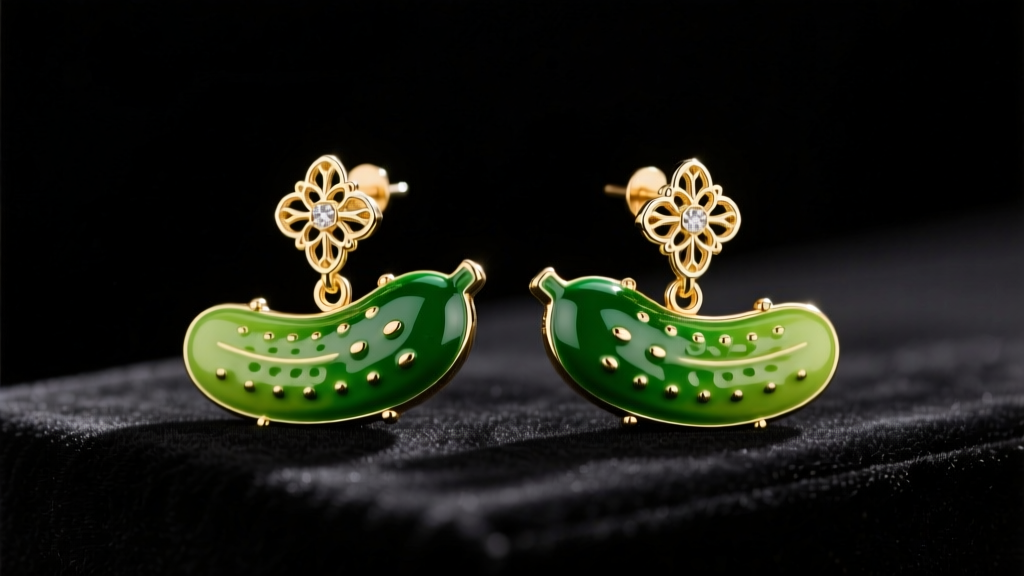
Food-themed jewelry has officially graduated from quirky novelty status to a staple of modern accessory styling. At the forefront of this playful movement are pickle earrings—a fun, expressive choice that aligns perfectly with the 'dopamine dressing' trend. Whether crafted from glossy UV resin, hand-sculpted polymer clay, or vibrant hard enamel, these tiny brined charms offer a unique way to inject personality into your daily rotation. However, novelty jewelry often presents unique challenges regarding styling, material longevity, and hardware quality. In this comprehensive guide, we will break down exactly how to style pickle earrings for various face shapes, upgrade cheap factory hooks for sensitive ears, and maintain the vibrant finishes of your favorite food-themed accessories.
The Appeal of Dopamine Dressing
Dopamine dressing is the psychological practice of wearing clothes and accessories that evoke joy, nostalgia, or humor. Pickle earrings fit seamlessly into this framework. Unlike traditional fine jewelry, which often relies on the intrinsic value of precious metals and gemstones, novelty earrings derive their value from artistic expression and conversational charm. They serve as an instant icebreaker and a subtle rebellion against minimalist fashion norms. When styled correctly, they transition from costume jewelry to intentional, curated statement pieces.
Step-by-Step: How to Style Pickle Earrings
The key to pulling off novelty food jewelry is balancing the whimsy of the charm with the structure of your outfit and your natural features. Here is a practical framework for styling pickle earrings in 2026 and beyond.
Face Shape Pairings
- Round Faces: Opt for elongated, dangling pickle earrings. A long, slender resin pickle charm suspended from a delicate chain helps draw the eye downward, creating an illusion of length and balancing wider cheekbones.
- Square Faces: Choose chunky, curved designs. A pair of oversized acrylic hoops featuring embedded pickle charms or thick, rounded polymer clay pickle studs will soften a strong, angular jawline.
- Heart-Shaped Faces: Top-heavy styles or short, wide drop earrings work best. A clustered 'pickle jar' stud design adds visual weight to the lower half of the ear, balancing a narrower chin.
- Oval Faces: You have the versatility to pull off any style, from micro-enamel pickle studs to shoulder-duster novelty chains.
Aesthetic Integration
For streetwear and festival aesthetics, lean into maximalism. Pair oversized, translucent green resin pickle hoops with graphic tees, layered silver chains, and bold makeup. For a subtle office or 'quirky professional' look, scale it down. Micro-enamel pickle studs (under 10mm) in muted olive or dark forest green tones paired with a crisp blazer offer a hidden layer of personality without violating conservative dress codes.

Material Breakdown: Resin vs. Clay vs. Enamel
Not all pickle earrings are created equal. The material dictates the weight, durability, and care requirements of the piece. Below is a comparative breakdown of the three most common materials used in novelty food jewelry.
| Material | Average Weight | Durability | Best For | Price Range |
|---|---|---|---|---|
| UV Resin | 3g - 6g | High (Shatter-resistant, may yellow over time) | Chunky hoops, transparent 'glass-like' designs | $15 - $35 |
| Polymer Clay | 1g - 3g | Medium (Flexible but can snap if bent sharply) | Intricate, hand-painted, matte-finish studs | $20 - $45 |
| Hard Enamel | 4g - 8g | Very High (Scratch-resistant, metal base) | Crisp lines, gold/silver plated borders, classic dangles | $12 - $25 |
According to jewelry crafting experts at The Spruce Crafts, polymer clay remains a favorite for independent artisans due to its lightweight nature, which prevents earlobe stretching during all-day wear. However, UV resin offers a glossy, dimensional depth that mimics real pickles suspended in brine, making it ideal for statement pieces.
How to Upgrade Earring Hooks for Sensitive Ears
One of the most common issues with novelty earrings purchased from fast-fashion or independent online marketplaces is the use of cheap, base-metal ear wires. These often contain nickel or lead, which can cause severe contact dermatitis. The American Academy of Dermatology notes that nickel allergy is one of the most common causes of allergic contact dermatitis. Fortunately, upgrading your pickle earrings to hypoallergenic hardware is a simple, inexpensive DIY process.
Tools and Materials Needed
- Chain-nose pliers (smooth jaw to prevent scratching)
- Flush wire cutters
- Replacement ear wires: 20-gauge or 22-gauge Niobium or Grade 23 Titanium (available from suppliers like Rio Grande Jewelry Supplies)
- 4mm or 5mm stainless steel or niobium jump rings
Step-by-Step Hardware Swap
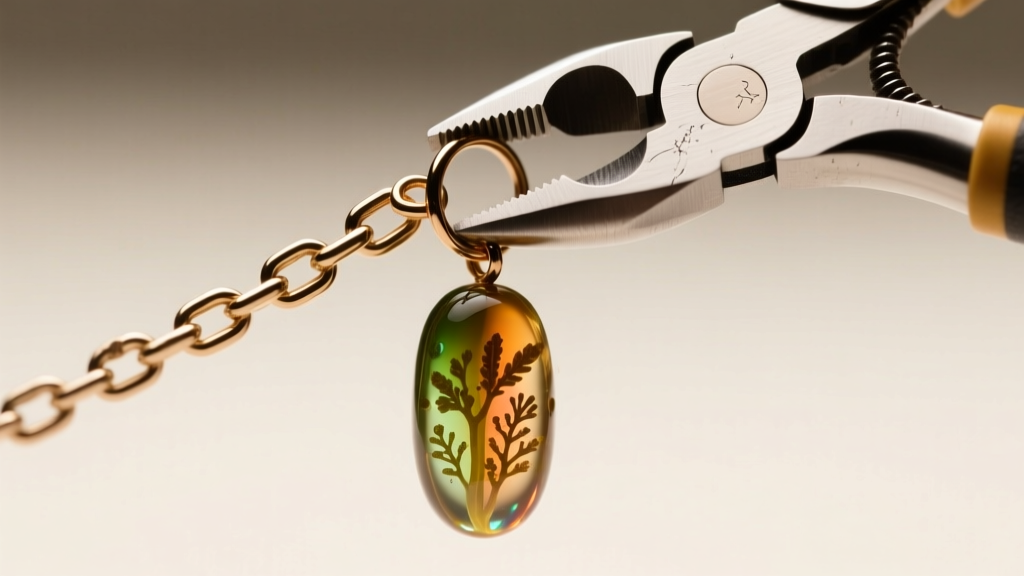
- Secure the Charm: Hold the jump ring connecting the pickle charm to the factory earring hook with your chain-nose pliers.
- Twist, Don't Pull: Use a second pair of pliers (or your fingers) to twist the jump ring open laterally. Never pull the ends apart outward, as this warps the metal and weakens the ring.
- Remove and Replace: Slide off the cheap factory hook. Slide on your new 20-gauge niobium ear wire. Ensure the loop of the ear wire is oriented correctly so the charm hangs facing forward.
- Close Flush: Twist the jump ring closed until you feel a slight 'click' or friction point, ensuring the ends are perfectly flush so they don't catch on your hair or clothing.
Cleaning and Long-Term Maintenance
Because pickle earrings feature vibrant greens and intricate textures, improper cleaning can ruin their finish. Treat your novelty jewelry with the same care you would offer fine pieces, adjusting your methods based on the material.
UV Resin Care
Resin is highly susceptible to UV degradation, which can cause vibrant greens to yellow or become cloudy over time. Store resin pickle earrings in a dark jewelry box or drawer. To clean, simply wipe them with a dry, clean microfiber cloth. Never use isopropyl alcohol or acetone on resin, as these solvents will eat away the glossy topcoat and leave a permanent hazy film.
Polymer Clay Care
Polymer clay is slightly porous. If your matte-finish clay pickle earrings accumulate dust or makeup, use a soft-bristled makeup brush to gently sweep the surface. If they require a deeper clean, use a barely damp cloth with a drop of mild dish soap, then dry immediately. Avoid submerging them in water, as moisture can seep into the scoring and cause the clay to separate from the metal post backing.
Hard Enamel Care
Enamel is essentially glass fused to metal, making it highly durable and easy to clean. You can safely wash enamel pickle earrings under warm running water with a gentle soap. Use a soft toothbrush to clean out the recessed metal lines (cloisons). To keep the gold or silver plating on the borders shining, buff the metal gently with a treated jewelry polishing cloth, taking care not to snag the cloth on the charm's jump ring.
Final Thoughts
Pickle earrings are more than just a fleeting internet trend; they are a testament to the evolving landscape of personal style, where humor and aesthetics coexist. By understanding the material properties of your jewelry, styling them to complement your unique features, and taking the time to upgrade the hardware for your ear health, you can ensure your favorite novelty pieces remain a staple in your collection for years to come.