How to Style and Source Traditional Japanese Earrings
Learn how to style, source, and care for traditional Japanese earrings. Discover authentic metalwork, motifs, and step-by-step tips.

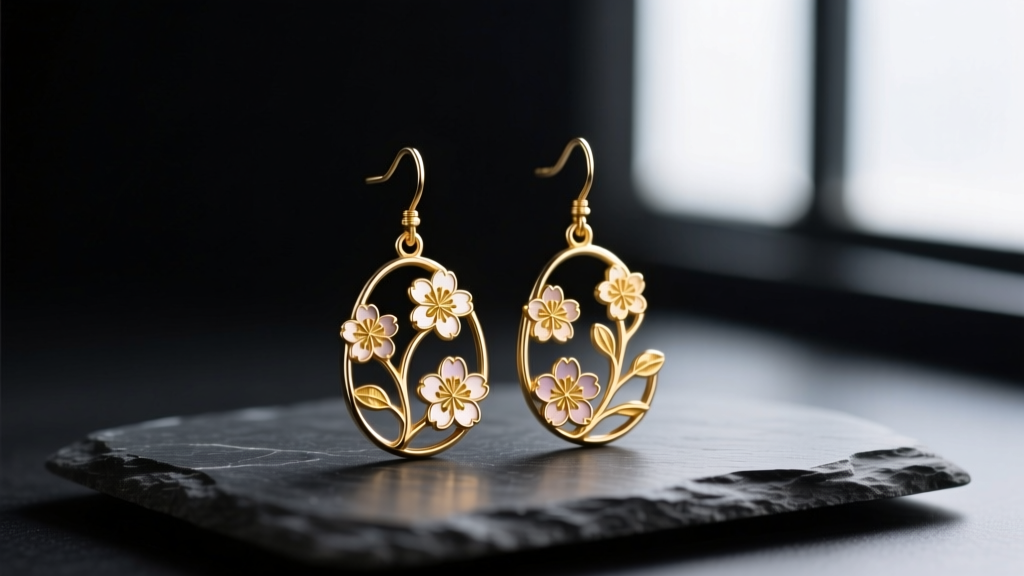
When building a curated jewelry collection, few pieces offer the historical depth and artisanal mastery of traditional Japanese earrings. However, navigating this niche requires a deep understanding of East Asian metallurgical history. Unlike Western jewelry traditions that heavily favored earlobe adornments, Edo-period Japan focused its decorative arts on hair ornaments, known as kanzashi, and garment fasteners. Therefore, when you search for authentic traditional Japanese earrings today, you are generally looking at two distinct categories: modern master artisans applying centuries-old techniques to contemporary earring silhouettes, or vintage/antique hairpins and toggles that have been masterfully converted into wearable ear pieces.
This guide will walk you through the exact metallurgical markers of authentic Japanese metalwork, how to source genuine pieces in 2026, and the precise care routines required to preserve their delicate chemical patinas.
The Historical Nuance: Converted Antiques vs. Modern Artisans
Before making a purchase, it is vital to understand what you are actually buying. True antique earrings from the Meiji or Edo periods are exceptionally rare because ear piercing was not a widespread cultural practice among Japanese women until the late 20th century. According to the archives at the Victoria and Albert Museum, the pinnacle of Japanese decorative metalwork was reserved for sword fittings (tsuba) and hairpins.
Today, the market for traditional Japanese earrings is dominated by:
- Converted Kanzashi: Antique hairpins where the decorative face is carefully removed and soldered or glued to a modern surgical steel or titanium post.
- Contemporary Artisan Pieces: Modern earrings forged by certified craftsmen in regions like Kyoto and Kanazawa, utilizing historical iro-kin (colored metal) techniques but designed from the ground up as earrings.
Decoding Iro-Kin: The Alloys of the Samurai
To authenticate or appreciate traditional Japanese metalwork, you must understand iro-kin, the art of creating colored metal alloys that develop rich patinas when treated with a boiling chemical bath called rokusho (a mixture of copper acetate and alum). The Association for the Promotion of Traditional Craft Industries recognizes these specific alloys as the foundation of Japanese metal artistry.
Shakudo (The Purple-Black Alloy)
Shakudo is composed of approximately 95% copper and 5% gold. When untreated, it looks like dull copper. However, after boiling in rokusho, it develops a lustrous, raven-black or deep purple-black patina. It is almost always used as a canvas for intricate gold or silver inlay work (zogan), depicting motifs like koi fish, dragons, or cherry blossoms.
Shibuichi (The Silver-Grey Alloy)
Meaning 'one-fourth', Shibuichi is traditionally 75% copper and 25% silver. The rokusho treatment turns this alloy into a range of soft, organic greys, olive greens, and muted browns. It is highly prized for its subtle, understated elegance and is often used to carve delicate botanical motifs like pine needles or bamboo.
Step-by-Step Guide to Sourcing Genuine Pieces
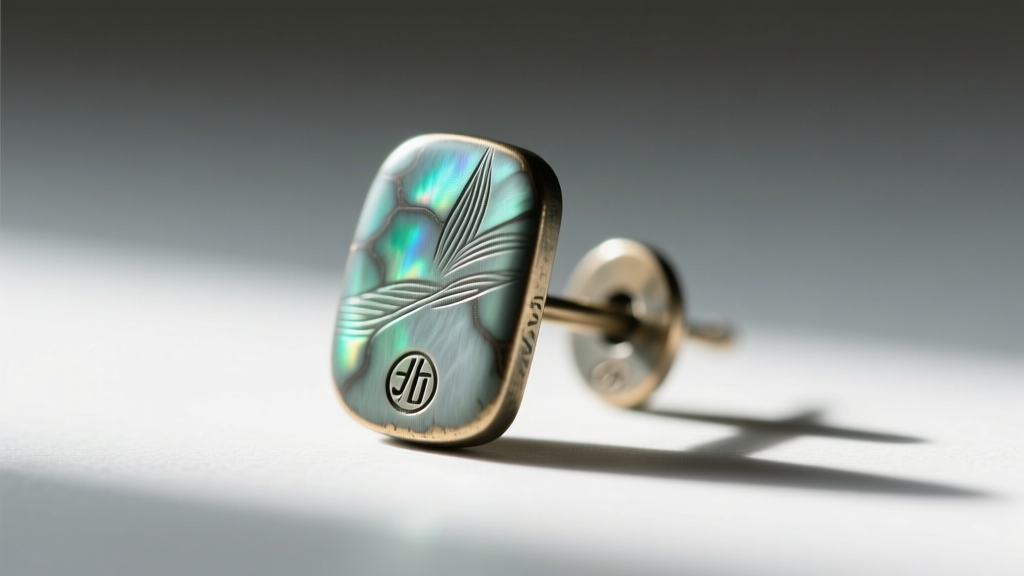
Sourcing authentic pieces requires a meticulous eye. Follow this step-by-step checklist when evaluating traditional Japanese earrings, whether buying from a Kyoto boutique, an online auction, or an antique dealer.
- Inspect the Patina Depth: Authentic Shakudo and Shibuichi patinas are not painted or plated; they are a chemical conversion of the metal's surface. Look for microscopic variations in color. If the black or grey finish looks perfectly uniform, plastic-like, or is flaking off to reveal bright yellow brass underneath, it is a mass-produced imitation.
- Examine the Zogan (Inlay): In genuine pieces, the gold or silver inlay is hammered into an undercut channel in the base metal. Run a soft cotton swab over the design. If the inlay catches or feels raised like glue, it is likely a modern epoxy faux-damascene.
- Check the Findings and Gauge: Because traditional alloys are dense and heavy, artisan earrings typically require thicker posts for structural integrity. Expect to see 18-gauge (1.0mm) or 16-gauge (1.2mm) posts. If a heavy Shakudo face is attached to a flimsy 22-gauge wire, it is a red flag for poor conversion work.
- Look for the Chisel Marks: Turn the earring over. Hand-carved Shibuichi will show microscopic, directional tool marks on the backplate, whereas cast imitations will appear perfectly smooth or exhibit mold lines.
How to Style Traditional Japanese Earrings for Modern Wear
Styling these intricate pieces requires balancing their visual weight and cultural significance with modern aesthetics. Because traditional Japanese earrings often feature asymmetrical, nature-inspired motifs, they serve as excellent statement pieces that require minimal accompanying jewelry.
| Motif | Cultural Meaning | Best Styling Context | Ideal Face Shape Pairing |
|---|---|---|---|
| Sakura (Cherry Blossom) | Transience, renewal, spring | Daytime wear, linen or silk blouses | Heart and Oval faces |
| Tsuru (Crane) | Longevity, good fortune | Formal events, elegant updos | Round and Square faces (adds verticality) |
| Koi (Carp) | Perseverance, strength | Edgy streetwear, asymmetrical styling | Long and Diamond faces |
| Matsu (Pine) | Endurance, winter resilience | Corporate wear, structured tailoring | All face shapes (subtle and geometric) |
Proportion and Placement
When wearing heavy Shakudo drop earrings, opt for a sleek, pulled-back hairstyle to allow the intricate gold inlay to catch the light. If you are wearing converted antique pieces, ensure the earring backings are secure; the weight of the copper-gold alloy can easily pull on standard friction backs. Always upgrade to heavy-duty silicone ear nuts or locking screw-backs to prevent loss.
The Patina Preservation Care Routine
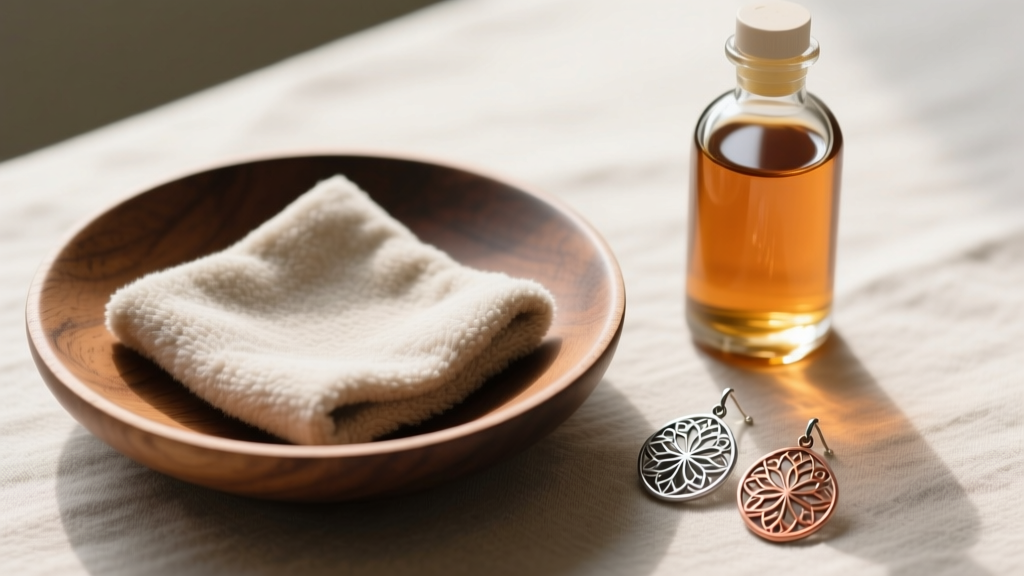
The most common mistake collectors make is treating Japanese alloys like standard sterling silver. Never use silver dip, polishing cloths, or ultrasonic cleaners on Shakudo or Shibuichi. These methods will strip the niiro (patina) and ruin the piece. Follow this exact maintenance routine:
- Dust Removal: Use a clean, dry, ultra-soft makeup brush to gently sweep away dust and skin cells from the crevices of the inlay.
- Surface Wiping: Dampen a microfiber cloth with distilled water (never tap water, as chlorine can react with the copper). Gently dab the surface to remove skin oils.
- Hydration and Protection: Apply a single drop of pure Tsubaki (camellia) oil to a cotton pad. Lightly buff the metal. This traditional Japanese oil prevents the copper alloys from drying out and protects the patina from the acidic pH of human sweat.
- Storage: Store in a breathable cotton pouch. Avoid airtight plastic bags, which can trap humidity and cause unintended verdigris (green copper corrosion) on the untreated edges.
Pricing Guide and Investment Tiers
Understanding the pricing landscape is crucial for avoiding overpriced tourist traps or underpriced fakes. In 2026, the market for authentic Japanese metalwork earrings is segmented as follows:
| Category | Material / Technique | Estimated Price Range (USD) | Where to Source |
|---|---|---|---|
| Mass-Produced Imitations | Brass with black enamel/paint | $15 - $45 | Fast fashion, generic online marketplaces |
| Vintage Conversions | Authentic Meiji/Showa era Kanzashi tops on modern posts | $80 - $250 | Etsy, specialized antique dealers, Kyoto flea markets |
| Contemporary Artisan | Certified Shakudo/Shibuichi with Zogan inlay | $300 - $800 | Direct from Kanazawa/Kyoto studios, high-end galleries |
| Master Craftsmen (Living National Treasures) | Museum-grade Iro-kin, bespoke ear fittings | $1,500 - $5,000+ | Private commissions, elite Japanese craft exhibitions |
Investing in traditional Japanese earrings is an exercise in wearable history. By understanding the alchemy of iro-kin, respecting the cultural origins of the motifs, and adhering to strict, oil-based care routines, you ensure these miniature masterpieces endure for generations.