Hypoallergenic Earring Gift Guide: Prevent an Infected Earring
Discover the ultimate hypoallergenic earring gift guide to prevent an infected earring. Learn safe metals, gauge sizes, and aftercare tips.

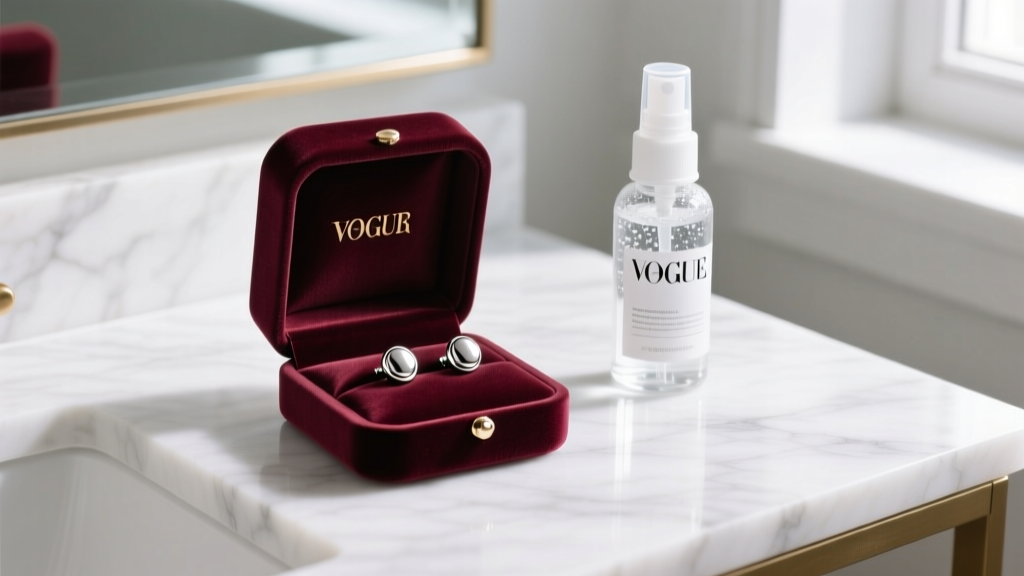
Gifting earrings is a timeless gesture for birthdays, graduations, and holidays. However, the joy of unwrapping a beautiful piece of jewelry can quickly turn into a painful ordeal if the recipient develops an infected earring site or a severe allergic reaction. In 2026, consumers are more educated than ever about metal sensitivities, making it crucial for gift-givers to understand the metallurgy behind their purchases. This comprehensive guide will help you select safe, high-quality earrings for every occasion while ensuring your gift promotes healing and comfort rather than irritation.
The Hidden Risk: Metal Allergies vs. True Infections
Before selecting a gift, it is vital to distinguish between a true bacterial infection and contact dermatitis. According to the Mayo Clinic, nickel allergy is one of the most common causes of allergic contact dermatitis. When a recipient wears cheap, nickel-containing alloys, their immune system reacts, causing redness, itching, and clear weeping fluid. This is frequently misdiagnosed by the wearer as an infected earring, leading them to prematurely remove the jewelry, which can cause the piercing channel to close or trap bacteria.
A true bacterial infection, conversely, presents with localized heat, swelling, thick yellow or green pus, and occasionally a systemic fever. To prevent both scenarios, the secret lies in gifting biocompatible metals and proper aftercare tools.
The Ultimate Safe-Metal Gift Guide by Occasion
Not all piercings are created equal. A fresh lobe piercing requires different care and jewelry than a fully healed cartilage placement. Here is how to match the metal to the milestone.
First Piercings & Graduations: Implant-Grade Titanium
If you are gifting jewelry for a newly pierced ear or a recent graduate stepping into a professional environment, ASTM F-136 implant-grade titanium is the gold standard. This specific alloy is completely nickel-free and boasts a mirror-polished surface that prevents bacteria from adhering to microscopic scratches.
- Best Styles: Flat-back labret studs (16G or 14G for cartilage; 18G for lobes).
- Pricing Range: $35 to $90 for high-quality, gem-set titanium ends from brands like Intrinsic Body or BVLA.
- Pro-Tip: Ensure the post is internally threaded or threadless (push-pin). Externally threaded posts have microscopic ridges that tear the delicate fistula (healing tissue) upon insertion, drastically increasing the risk of an infected earring.
Anniversaries & Milestones: Solid 14k or 18k Gold
For major milestones, gold is the traditional choice. However, you must gift solid 14k or 18k gold. Avoid 24k gold, as it is too soft and easily scratches, creating porous pockets where bacteria can thrive. More importantly, never gift gold-plated, gold-filled, or vermeil earrings for sensitive or healing ears; the thin outer layer of gold will eventually wear off, exposing the reactive brass or copper base metal underneath.
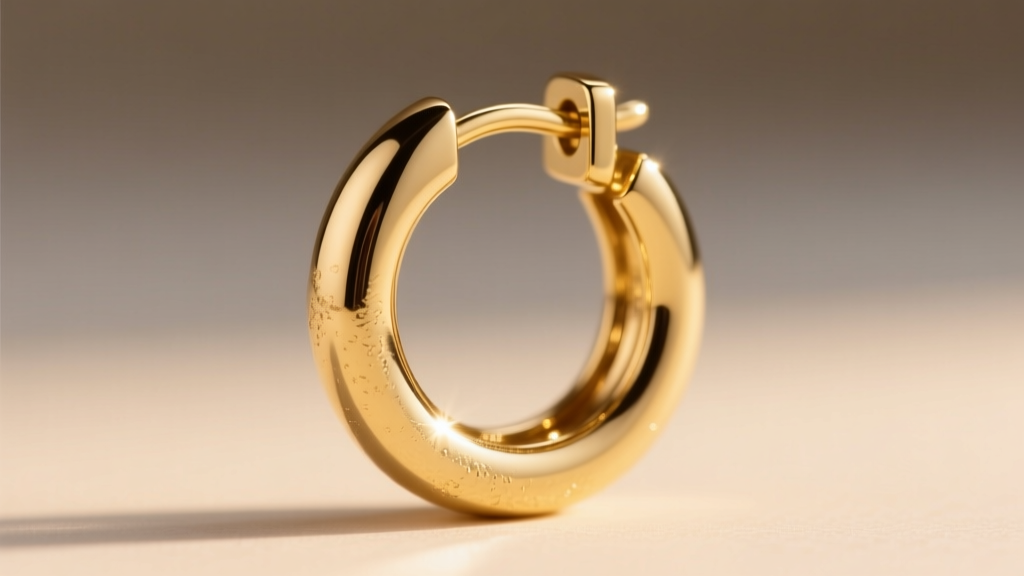
- Best Styles: Seamless huggie hoops or delicate threadless florals.
- Pricing Range: $150 to $600+ depending on gemstone accents.
- Alloy Warning: Ensure the gold is alloyed with silver or palladium, not nickel. Reputable fine jewelry piercers will provide metallurgical certificates upon request.
Everyday Office & Casual: Pure Niobium
Niobium is an elemental metal, meaning it is not an alloy and contains absolutely zero nickel. It is highly biocompatible, lightweight, and can be safely anodized into vibrant colors without using paints or dyes that could flake off into a piercing channel.
- Best Styles: Colorful captive bead rings (CBRs) or lightweight drop earrings.
- Pricing Range: $20 to $60.
Metals to Avoid: The Usual Suspects Behind an Infected Earring
To protect your loved ones from painful complications, avoid gifting earrings made from the following materials, especially if the recipient has a history of sensitivities.
| Metal / Material | Nickel Risk | Failure Mode |
|---|---|---|
| Surgical Steel (316L) | Moderate to High | Contains 8-10% nickel; can cause severe contact dermatitis in sensitive individuals. |
| Sterling Silver (925) | Low | Contains copper; tarnishes easily and can cause argyria (permanent gray staining of the skin). |
| Gold-Plated / Vermeil | High (over time) | Plating wears off quickly, exposing reactive base metals to the open wound. |
| Mystery Fashion Alloys | Extremely High | Unregulated pot metals that harbor bacteria and guarantee allergic reactions. |
The 'Aftercare Add-On': Gifting the Tools for Healing
If you are gifting jewelry for a fresh piercing, the most thoughtful addition to your gift is a proper aftercare kit. The Association of Professional Piercers (APP) strongly recommends using only sterile, 0.9% sodium chloride (NaCl) wound wash with no additives, fragrances, or preservatives.
Build a 2026 Healing Kit:
- Two cans of sterile saline spray (e.g., NeilMed Piercing Aftercare or H2Ocean).
- Non-woven sterile gauze pads (avoid cotton balls, which shed fibers that can wrap around the jewelry post and cause irritation).
- A travel-sized bottle of jojoba oil (for massaging healed piercing channels to prevent buildup).
Troubleshooting: What to Do if the Gift Causes an Infected Earring
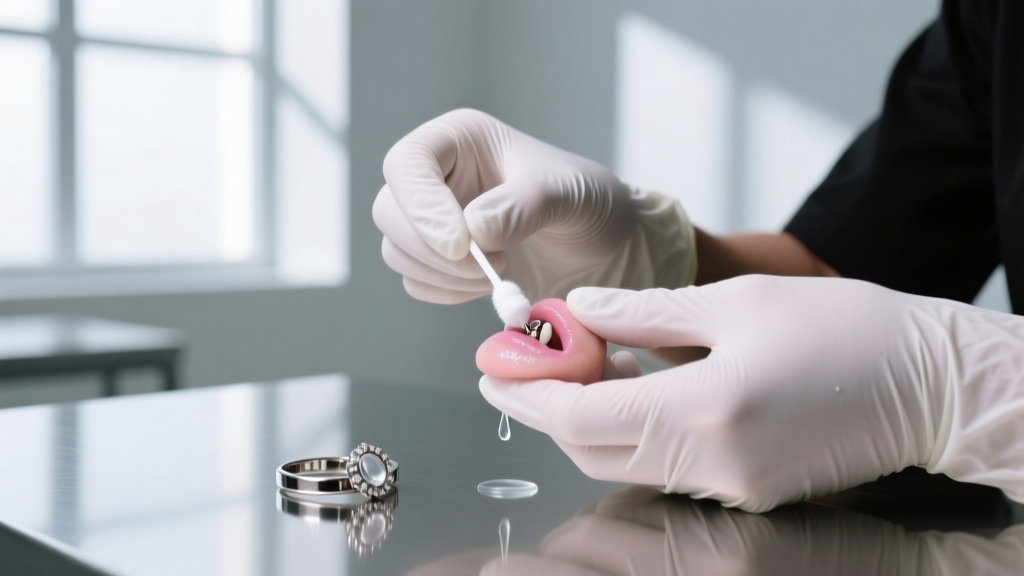
Despite your best efforts, the recipient may reach out complaining of an infected earring. As a knowledgeable gift-giver, you can offer the following expert advice to prevent them from making the situation worse:
1. Do Not Remove the Jewelry
The most common mistake people make when they suspect an infection is taking the earring out. If a bacterial infection is present, removing the jewelry allows the surface holes to close, trapping the abscess inside the tissue. This can lead to severe complications requiring surgical drainage. The jewelry must stay in to allow the wound to drain.
2. Assess the Symptoms Objectively
Help the recipient determine if it is an allergy or an infection. If the ear is intensely itchy, flaky, and weeping clear fluid, it is likely a nickel allergy. The solution is to immediately swap the jewelry for implant-grade titanium. If the ear is hot, throbbing, and producing foul-smelling green pus, it is a bacterial infection requiring a doctor's visit and potentially antibiotics.
3. Avoid Harsh Chemicals
Advise them to throw away any rubbing alcohol, hydrogen peroxide, or tea tree oil. These harsh chemicals destroy the fragile, newly formed epithelial cells trying to heal the piercing channel, delaying recovery and increasing the likelihood of hypertrophic scarring.
Final Thoughts on Gifting with Care
When you choose to gift fine, biocompatible jewelry, you are giving more than just an accessory; you are giving the gift of safety and comfort. By prioritizing ASTM F-136 titanium, solid 14k/18k gold, and pure niobium, you ensure that your beautiful present will be worn with pride rather than sitting in a drawer due to an adverse reaction. Remember to always verify the threading style, match the gauge to the specific piercing, and pair your jewelry gift with sterile saline for the ultimate, expert-approved presentation.


