Allen Iverson Earrings: Guide to the Iconic Solitaire Diamond Stud
Discover how to style and buy Allen Iverson earrings. Our beginner guide covers diamond grades, gauge sizes, and metal choices for the iconic solitaire stud.

The Legacy of the Single Solitaire: Why Iverson's Style Endures
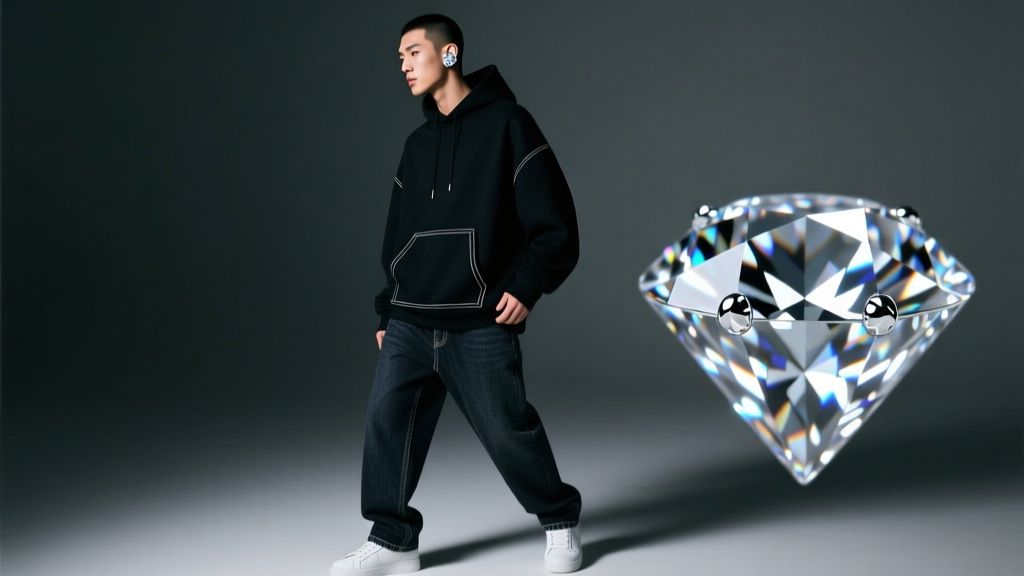
When discussing the intersection of sports, hip-hop culture, and high jewelry, few imagery is as enduring as Allen Iverson earrings. During his MVP-caliber 2001 season and throughout the early 2000s, the Philadelphia 76ers point guard popularized a look that defied the maximalist 'bling era' of his peers. While other athletes and rappers were draped in heavy Cuban links and tennis chains, Iverson often opted for a single, massive solitaire diamond stud in his left ear. This minimalist yet unapologetically loud choice became a cultural touchstone, symbolizing individuality, swagger, and a departure from traditional NBA dress codes.
Today, the 'AI3' single stud remains a highly sought-after aesthetic. It bridges the gap between vintage Y2K streetwear and modern, elevated minimalism. However, pulling off a 3-to-5-carat solitaire stud requires more than just a large budget; it demands a deep understanding of diamond grading, earlobe anatomy, and structural jewelry engineering. In this beginner-friendly explainer, we will break down exactly how to source, structure, and style the iconic Allen Iverson earring look for the modern era.
Decoding the Stone: What Makes an 'Iverson' Diamond?
To replicate the sheer visual impact of Iverson’s signature earring, you cannot rely on standard jewelry store grades. A single, massive stone has nowhere to hide—every flaw, tint, and poorly angled facet is magnified. According to the Gemological Institute of America (GIA), the 4Cs (Cut, Color, Clarity, and Carat) must be carefully balanced to maximize light return, which is the true secret to a diamond that 'pops' in low-light environments like arenas or nightclubs.
Carat Weight and Visual Spread
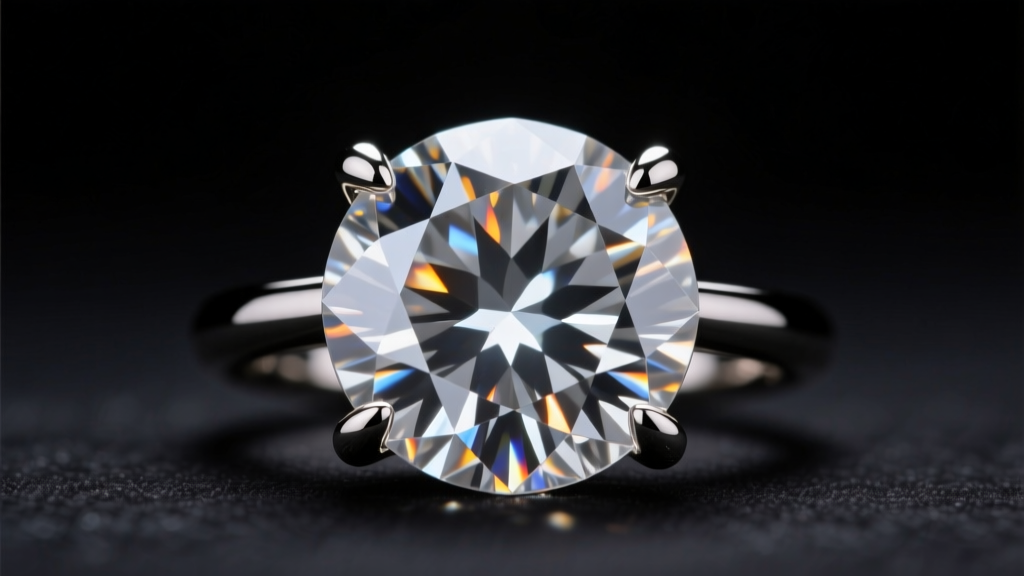
Iverson was frequently spotted wearing stones estimated between 4 and 8 carats. For a beginner looking to capture the essence of the style without the overwhelming weight, a 2.50 to 3.50-carat round brilliant is the sweet spot. A well-cut 3-carat round diamond measures approximately 9.1mm to 9.3mm in diameter. This provides the necessary 'face-up' spread to command attention from across a room while remaining physically manageable for daily wear.
Clarity and Color: The Hip-Hop Standard
In hip-hop jewelry culture, the standard for diamonds leans heavily toward high color and eye-clean clarity. You want a stone that faces up completely white and lacks visible carbon inclusions.
- Color: Target the D-F (Colorless) range. Because the stone is set in white metal (usually), any yellow or brown tint in a G-J stone will be highly visible against the skin.
- Clarity: VS1 or VS2 is mandatory. SI1 stones might be 'eye-clean' in a smaller 0.50ct diamond, but in a 3.00ct stone, SI-level inclusions become easily visible to the naked eye.
- Cut: Never compromise here. Only accept 'Excellent' or 'Ideal' cut grades. The cut dictates the diamond's fire and scintillation.
Structural Integrity: Gauge, Backings, and Heavy Stone Support
The most common mistake beginners make when buying large solitaire studs is ignoring the physics of the earlobe. The human lobule is composed of areolar and adipose connective tissues; it lacks the rigid cartilage found in the upper ear. While it has decent tensile strength, it has very low shear strength.
A 3-carat diamond weighs roughly 0.6 grams. Add a heavy platinum 4-prong basket setting, and the total weight approaches 2.5 grams. While that sounds light, the center of gravity extends 5mm to 7mm away from the piercing hole. This creates a lever effect. Every time you turn your head, the stone's momentum pulls downward and outward, leading to 'earlobe droop,' fistula stretching, and eventual tearing if the hardware is inadequate.
The Gauge Size Matrix
Standard fashion earrings use 20-gauge (0.81mm) or 18-gauge (1.02mm) posts. These will bend under the torque of a 3-carat stone. For the Allen Iverson earring look, you must upgrade to heavy-duty posts.
| Post Gauge | Thickness (mm) | Max Recommended Carat Weight | Best Use Case |
|---|---|---|---|
| 18 Gauge | 1.02mm | Up to 1.00ct | Standard everyday studs |
| 16 Gauge | 1.29mm | 1.00ct - 2.00ct | Medium solitaires, light hoops |
| 14 Gauge | 1.63mm | 2.00ct - 3.50ct | Large statement studs (Ideal) |
| 12 Gauge | 2.05mm | 3.50ct - 5.00ct+ | Massive hip-hop stones, heavy drops |
Securing the Stone: Beyond the Butterfly Back
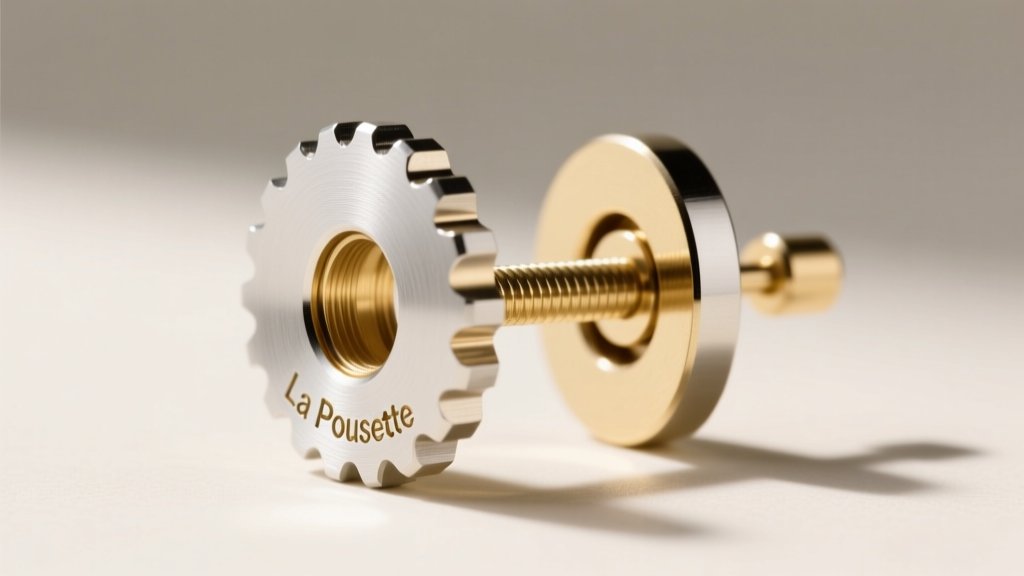
Standard friction backs (butterfly backs) rely on a tiny metal scroll that grips the post via tension. Under the weight of a 3-carat stone, this tension fails, and the earring will eventually slide off and be lost. For stones over 2 carats, you must use a La Pousette backing (a locking clutch mechanism that clicks securely into a grooved post) or a custom screw-back with a silicone o-ring for added friction.
Metal Matters: Platinum vs. White Gold vs. Yellow Gold
The metal you choose for the basket and post affects both the security of the diamond and the overall aesthetic of the earring.
- Platinum (950 Pt): The undisputed king of heavy stone settings. Platinum is dense, hypoallergenic, and its prongs are highly malleable yet incredibly strong, meaning they won't snap under stress. The downside is the cost; a custom 14g platinum setting can add $800 to $1,500 to your total bill.
- 14k or 18k White Gold: The most common choice for modern solitaires. It is lighter than platinum and less expensive. However, white gold is alloyed with nickel or palladium and plated with rhodium to achieve its bright white color. Over time, the rhodium wears off, revealing a slightly yellowish undertone, requiring re-plating every 12 to 18 months.
- 14k Yellow Gold: If you want a more authentic, vintage 1990s/early 2000s hip-hop aesthetic, yellow gold is the way to go. It provides a striking, warm contrast against a high-color (D-F) diamond, making the stone appear even more vibrant. Furthermore, yellow gold does not require rhodium plating, making it lower maintenance.
Modernizing the Look: Lab-Grown vs. Natural Diamonds in 2026
The diamond market has shifted dramatically over the last decade. As noted by Forbes in their recent market analyses, lab-grown diamonds have completely disrupted the large-carat sector, offering consumers the ability to wear massive, flawless stones without the exorbitant markup of mined diamonds.
'For statement pieces like the single 3-carat solitaire, lab-grown diamonds offer identical optical, chemical, and physical properties to mined stones, allowing buyers to allocate their budget toward superior cut quality and heavier gold settings rather than paying a premium for geological rarity.'
Here is a realistic pricing breakdown for a 3.00-carat Round Brilliant (F Color, VS1 Clarity, Ideal Cut) in today's market:
- Natural Mined Diamond: $42,000 – $58,000+
- CVD / HPHT Lab-Grown Diamond: $1,200 – $2,200
For beginners looking to capture the Allen Iverson aesthetic, a high-quality lab-grown diamond set in a heavy 14k gold setting is the smartest financial and stylistic move. You get the exact same visual 'fire' and scintillation on the basketball court or at a concert, while retaining the capital to invest in other wardrobe staples.
Maintenance and Styling the Single Stud
Because the single solitaire stud is the sole focal point of your facial jewelry, maintenance is critical. Diamonds are lipophilic, meaning they naturally attract and hold onto oils, lotions, and sebum from your skin. A dirty 3-carat diamond will look like a dull, cloudy piece of glass. Clean your earring weekly using a soft-bristled baby toothbrush, warm water, and a few drops of mild, ammonia-free dish soap. Rinse thoroughly and dry with a microfiber cloth.
When styling the single stud today, avoid pairing it with other heavy facial jewelry. The power of the Iverson look lies in its asymmetry and isolation. Let the single stone speak for itself. Pair it with modern, elevated streetwear—a well-fitted heavyweight hoodie, a structured bomber jacket, or even a sharp, unbuttoned collar shirt for a high-low fashion contrast. The single massive diamond is no longer just a relic of the 2001 NBA playoffs; it is a timeless badge of confidence that transcends eras.