Infected Earring Hole: The True Cost of Cheap Metals & Healing
Discover the true cost of an infected earring hole. Compare budget vs. implant-grade metals and learn how to save money on healing and aftercare.

The Hidden Financial Drain of Fast-Fashion Jewelry
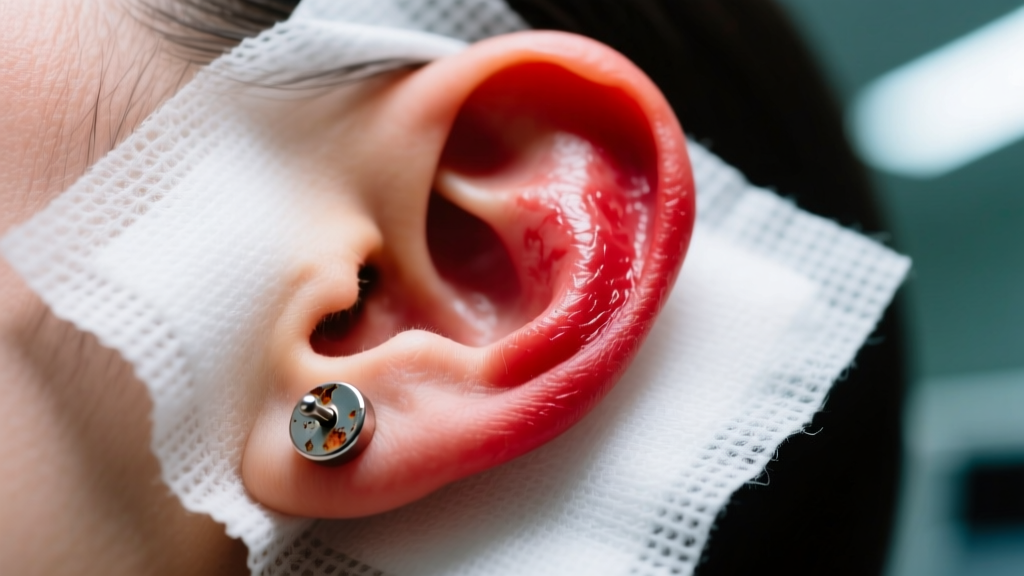
When a new piercing flares up, the immediate assumption is often a bacterial invasion. However, what most consumers diagnose as an infected earring hole is frequently a severe allergic reaction or mechanical irritation caused by low-budget jewelry. From a financial perspective, the initial savings of purchasing $8 fast-fashion earrings from a mall kiosk are quickly obliterated by the downstream costs of urgent care visits, prescription antibiotics, and replacement jewelry. Understanding the material science behind ear piercings is not just a matter of health; it is a critical budget and value assessment for anyone building a jewelry wardrobe.
In this guide, we break down the true economics of piercing aftercare, material grades, and medical interventions, proving that investing in high-quality, implant-grade metals is the most cost-effective strategy for long-term ear health.
The Financial Breakdown: Cheap Alloys vs. Implant-Grade Metals
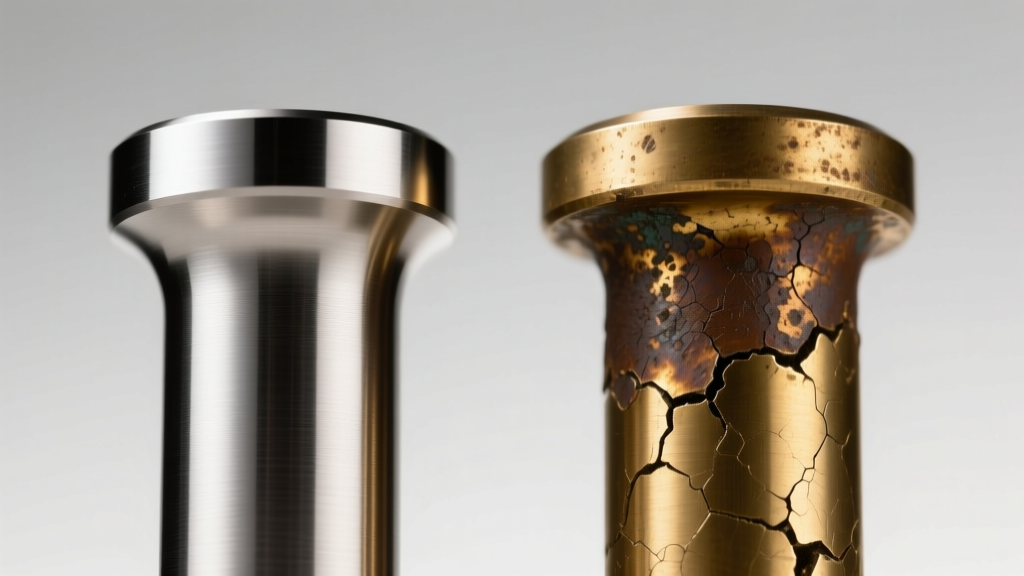
The primary culprit behind the dreaded infected earring hole is nickel exposure. Many budget-friendly earrings are made from brass or low-grade surgical steel that leaches nickel salts when exposed to the body's natural moisture and lymphatic fluids. To assess the true value of your jewelry purchases, we must compare the upfront cost against the long-term biological and financial risks.
| Material Grade | Avg. Price (Per Pair) | Nickel Release Rate | Infection/Irritation Risk | Long-Term Value |
|---|---|---|---|---|
| Fast-Fashion Brass/Alloy | $5 - $15 | High (Unregulated) | Very High (Contact Dermatitis) | Poor (Tarnishes, causes tissue damage) |
| Surgical Steel (ASTM F138) | $15 - $35 | Low to Moderate | Moderate (Contains 8-12% Nickel) | Fair (Okay for healed lobes, poor for fresh) |
| Implant-Grade Titanium (ASTM F136) | $30 - $60 | Zero (Nickel-Free) | Extremely Low (Biocompatible) | Excellent (Lifetime durability, safe for healing) |
| 14k Solid Gold (Nickel-Free) | $80 - $250+ | Zero | Low (If alloyed with silver/copper) | Excellent (Heirloom quality, high resale value) |
According to the Association of Professional Piercers (APP), only materials that meet specific ASTM (American Society for Testing and Materials) standards should be worn in healing or compromised tissue. Paying $45 for a pair of ASTM F136 titanium studs is a one-time investment that prevents the cascade of expenses associated with treating a chronically irritated or infected earring hole.
Allergy vs. Infection: Avoiding the OTC Money Pit
One of the most common budget mistakes consumers make is misdiagnosing their symptoms and purchasing the wrong over-the-counter (OTC) treatments. When an earlobe becomes red, itchy, and swollen, the instinct is to buy a $12 tube of triple-antibiotic ointment. However, if the root cause is Allergic Contact Dermatitis (ACD) rather than a bacterial infection, the ointment will not resolve the issue, and the earring hole will continue to weep and swell.
The Cost of Misdiagnosis
- Allergic Reaction (ACD): Characterized by intense itching, clear fluid weeping, and localized redness exactly where the metal touches the skin. The Mayo Clinic notes that nickel allergy is one of the most common causes of allergic contact dermatitis. Treatment requires removing the offending metal and applying a $15 OTC hydrocortisone cream.
- Bacterial Infection: Characterized by throbbing pain, excessive heat, opaque yellow/green pus, and potentially a fever. This requires a doctor's visit and prescription antibiotics like Mupirocin.
By correctly identifying the issue, you save money on useless antibacterial creams and avoid the tissue maceration that occurs when heavy ointments trap moisture inside the piercing fistula.
Budgeting for Aftercare: Saline Math vs. Brand Gimmicks
The aftercare market is saturated with expensive, branded "healing sprays" that promise to cure an infected earring hole overnight. From a strict value assessment perspective, these products are a poor allocation of your budget.
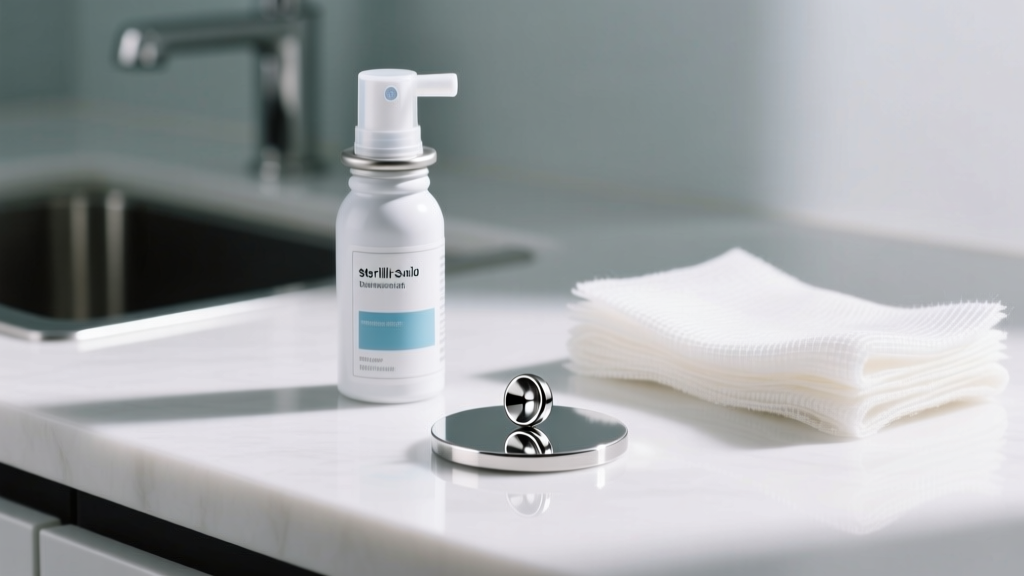
The gold standard for piercing aftercare, endorsed by dermatologists and professional piercers alike, is sterile 0.9% sodium chloride solution. Here is the cost breakdown:
The Aftercare Price Index:
• Branded "Piercing Aftercare Spray" (4 oz): $12.00 to $18.00 ($3.00 - $4.50 per oz)
• Generic Sterile Wound Wash (8 oz): $4.50 to $6.00 ($0.56 - $0.75 per oz)
By purchasing a generic sterile wound wash from a pharmacy, you save up to 80% on aftercare costs. The APP aftercare guidelines explicitly recommend sterile saline without additives. Avoid products containing tea tree oil, benzalkonium chloride, or alcohol; these harsh chemicals destroy newly forming epithelial cells, prolonging the healing process and increasing the window of vulnerability for actual bacterial infections.
Mechanical Damage: The Hidden Cost of Externally Threaded Jewelry
Budget jewelry manufacturers often cut costs by using external threading, where the screw pattern is carved into the post of the earring. When you push an externally threaded post through a standard 20-gauge or 18-gauge lobe piercing, the sharp threads act like a tiny file, micro-tearing the delicate fistula lining.
This mechanical trauma causes localized swelling and bleeding, which consumers frequently mistake for an infected earring hole. The financial remedy here is not medical; it is mechanical. Upgrading to internally threaded or threadless (push-pin) jewelry ensures a smooth post passes through the tissue. While a threadless titanium end and post may cost $35 upfront, it eliminates the chronic micro-trauma that leads to hypertrophic scarring (irritation bumps), saving you from eventually needing a $150 dermatological steroid injection to flatten the scar tissue.
When to See a Doctor: Assessing Medical Costs
While most piercing complications can be managed at home by upgrading to implant-grade titanium and using sterile saline, true bacterial infections (often caused by Staphylococcus aureus or Pseudomonas aeruginosa) require professional medical intervention.
From a budgeting standpoint, delaying medical care for a true infection can result in cartilage necrosis or systemic spread, turning a $150 urgent care copay into a multi-thousand-dollar emergency room visit. Seek immediate medical attention if you experience:
- Red streaks radiating from the earring hole.
- Foul-smelling, thick green or brown discharge.
- Fever, chills, or swollen lymph nodes in the neck.
- The earring backing becomes embedded in the swelling tissue.
Value-Driven Purchasing: Building a Safe Starter Wardrobe
To maximize your jewelry budget while completely eliminating the risk of an infected earring hole caused by cheap metals, adopt a modular purchasing strategy. Invest heavily in high-quality, implant-grade titanium or 14k gold posts and threadless ends for your primary, everyday wear. For fashion-forward, trend-based pieces that you only wear for a few hours at a time, you can safely allocate a smaller budget to gold-vermeil or coated brass, provided your piercings are fully healed and you do not have a known nickel sensitivity. Ultimately, protecting the structural integrity of your piercing fistula is the highest-yield investment you can make in your jewelry collection.


