Kate Middleton Royal Wedding Earrings: The Complete Style Guide
Discover the history of Kate Middleton's royal wedding earrings, the diamond specs, and how to recreate the iconic leaf drop look today.

Beyond the Tiara: The True Story of the Earrings
When Catherine, Princess of Wales, stepped out of the Rolls-Royce Phantom VI at Westminster Abbey in 2011, the world's attention was immediately drawn to her Alexander McQueen gown and the breathtaking Cartier Halo tiara. However, for jewelry enthusiasts and style historians, the true sartorial triumph lay in a more personal accessory: the kate middleton royal wedding earrings. While the tiara was a historic loan from Queen Elizabeth II (fulfilling the "something borrowed" tradition), the diamond drop earrings were a deeply personal gift from her parents, Carole and Michael Middleton.
Commissioned specifically for the occasion, these earrings were not pulled from a royal vault but were custom-designed by the London-based fine jewelry house Robinson Pelham. Understanding the provenance of these earrings offers a masterclass in how bespoke jewelry can tell a family's story while adhering to the strictest codes of royal elegance.
Decoding the Middleton Family Crest Motif
To truly appreciate the design of the kate middleton royal wedding earrings, one must look at the Middleton family coat of arms, which was officially granted by the Garter King of Arms just weeks before the wedding. As reported by BBC News, the crest features three white acorns and oak leaves on a red and blue background.
- The Acorns: Represent the three Middleton children (Kate, Pippa, and James). The oak tree is a symbol of strength and longevity, while the acorns signify potential and new growth.
- The Oak Leaves: A nod to the family's roots in West Berkshire, an area historically known for its dense oak forests.
- The Gold Chevron: Added to the crest to represent the family's maternal ancestors, the Goldsmiths.
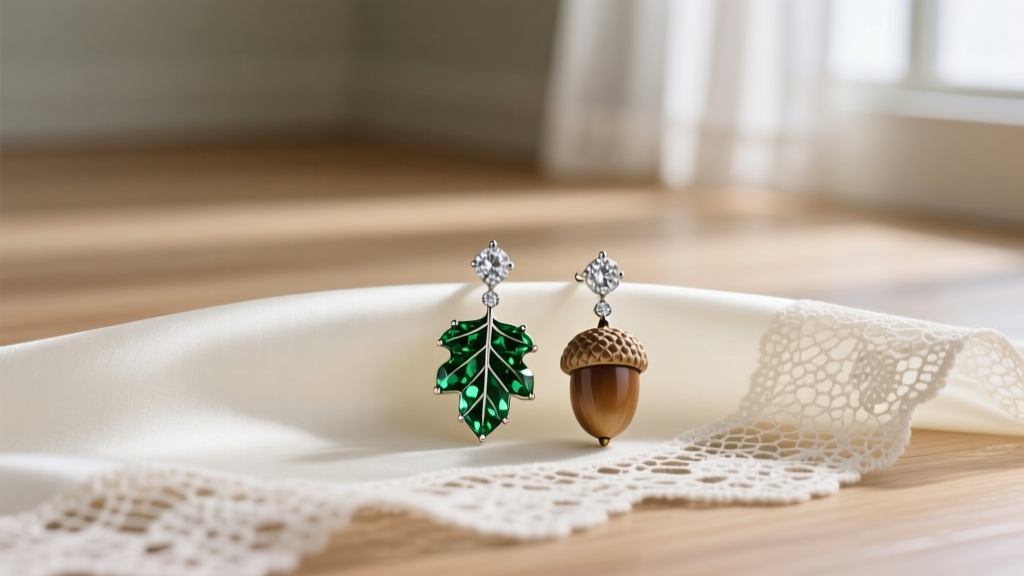
Robinson Pelham translated this heraldry into a stunning pair of diamond drops. The design features a central pear-shaped diamond suspended from a marquise-cut diamond leaf, capped with a small diamond acorn. This botanical motif perfectly complemented the intricate lace appliqué of her wedding bodice, creating a cohesive, nature-inspired bridal aesthetic.
Gemological Anatomy: Marquise and Pear Diamonds
The brilliance of the royal wedding earrings relies heavily on the specific diamond cuts chosen by the jewelers. According to the Gemological Institute of America (GIA), the marquise cut (also known as the navette cut) is an elongated shape with pointed ends, designed to maximize carat weight and create the illusion of a larger stone.
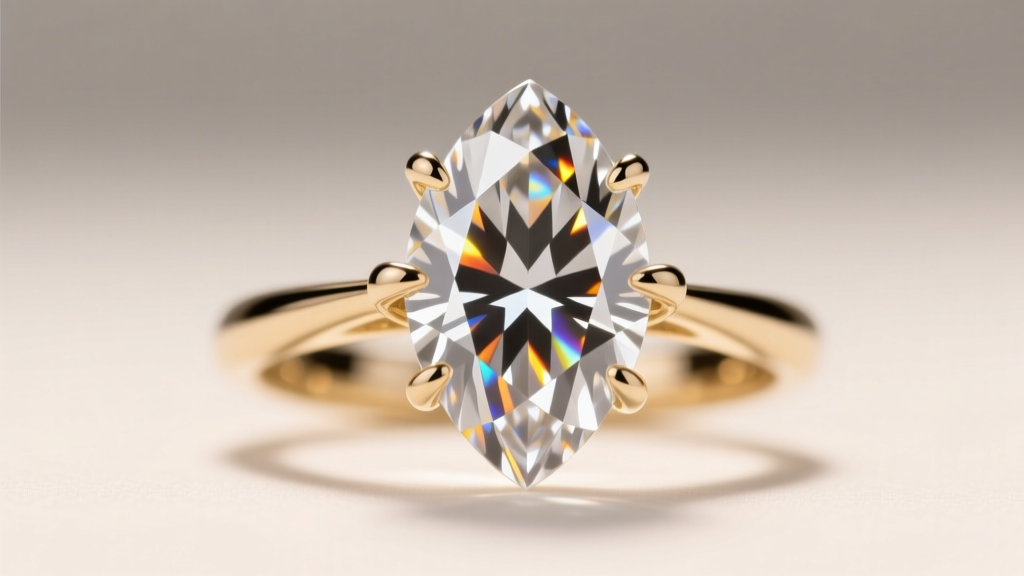
In the context of the leaf motif, the marquise cut is the undisputed champion. Its curved sides and tapered points mimic the natural geometry of an oak leaf far better than a round brilliant or emerald cut could. The pear-shaped diamond, which forms the lower drop, provides a weighted, teardrop silhouette that catches the light dynamically as the wearer moves. Together, these modified brilliant cuts offer exceptional scintillation, ensuring the earrings sparkled brilliantly even in the dim, historic lighting of Westminster Abbey.
Metal Matters: 18k White Gold vs. Platinum
The kate middleton royal wedding earrings were crafted in 18-karat white gold. For beginners looking to invest in heirloom-quality drop earrings, understanding the metal choice is crucial.
Why 18k White Gold?
18k white gold is an alloy of 75% pure gold mixed with white metals like palladium or nickel, and it is typically rhodium-plated to achieve a bright, mirror-like finish. It is slightly more malleable than platinum, making it easier for master jewelers to execute the intricate, delicate prong settings required for marquise and pear diamonds. Furthermore, it is lighter on the earlobe, which is essential for elongated drop earrings that could otherwise cause lobe fatigue over a long wedding day.
The Platinum Alternative
If you are recreating this look today, platinum is a viable, albeit more expensive, alternative. Platinum is naturally white (requiring no rhodium plating) and highly durable. However, its density makes it heavier. If opting for platinum leaf drops, ensure the earring posts are slightly thicker (e.g., 18-gauge instead of the standard 20-gauge) to support the weight without bending.
How to Recreate the Royal Wedding Earring Look
Because the exact kate middleton royal wedding earrings were a one-off custom commission, they are not available for retail purchase. However, the "botanical diamond drop" silhouette is a highly sought-after style. Below is a strategic framework for acquiring a similar pair, categorized by budget and sourcing method.
| Budget Tier | Sourcing Strategy | Material & Stone Specifications | Estimated Price Range (USD) |
|---|---|---|---|
| High-End Bespoke | Commission a custom jeweler using CAD design to replicate the oak leaf and acorn motif. | 18k White Gold, Natural VVS Marquise & Pear Diamonds (Total 2.00 - 3.00 ctw). | $8,000 - $15,000+ |
| Mid-Range Vintage | Search estate jewelry dealers for Art Deco or Victorian botanical drop earrings. | 14k or 18k White Gold, Antique Mine-Cut or Rose-Cut Diamonds. | $2,500 - $6,000 |
| Accessible Modern | Buy from contemporary fine jewelry brands specializing in nature-inspired bridal lines. | 14k Gold, Lab-Grown Marquise/Pear Diamonds (Excellent cut grade). | $800 - $2,000 |
| Budget-Friendly | High-end fashion jewelry using premium diamond simulants. | Gold Vermeil or Rhodium-Plated Sterling Silver, High-Grade Cubic Zirconia or Moissanite. | $80 - $250 |
Pro Tip: When shopping for lab-grown or natural marquise diamonds, always check for the "bow-tie effect"—a dark shadow across the center of the stone caused by poor light return. A well-cut marquise will have a minimal bow-tie, ensuring the "leaf" looks bright and lively.
Styling Drop Earrings for Your Face Shape
The kate middleton royal wedding earrings are a masterclass in proportional styling. Catherine has an oval face shape, which is universally flattering for most earring silhouettes. However, if you are adopting this botanical drop style, you must adapt the length and width to your specific facial geometry.
Round and Square Faces
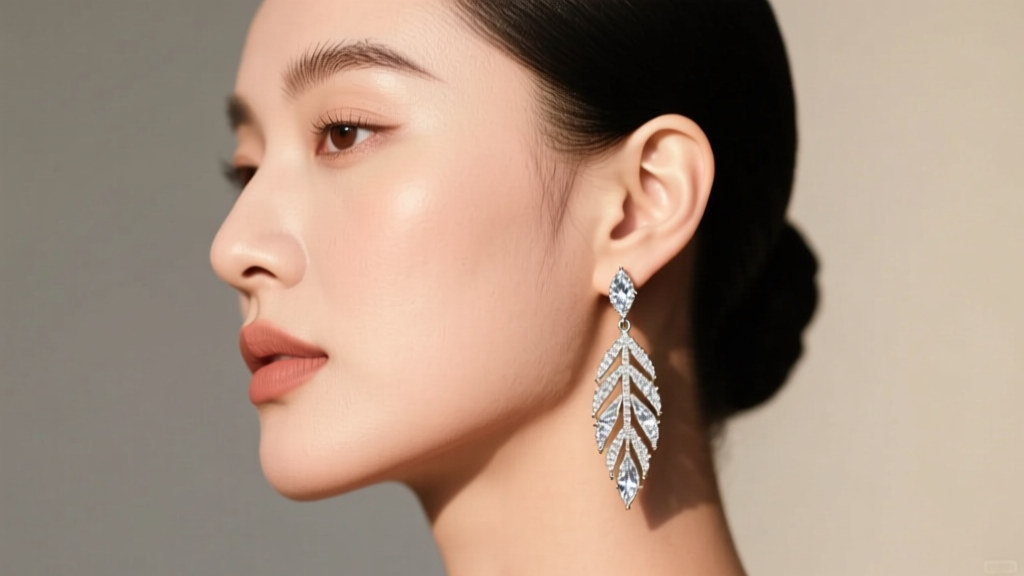
If you have a round or square jawline, the goal is to create vertical elongation. Opt for leaf drop earrings that fall at least 1.5 to 2 inches below the earlobe. Avoid wide, clustered botanical designs that sit flush to the ear, as these will emphasize facial width. A slender, elongated marquise-and-pear combination will draw the eye downward, softening angular jaws and lengthening round cheeks.
Long and Oval Faces
For those with longer face shapes, extreme length can over-elongate your features. Look for a more compact interpretation of the royal wedding earring. A design where the acorn and leaf are clustered closer to the stud base (dropping no more than 1 inch) will add necessary width and balance to your profile without dragging your features down.
Heart-Shaped Faces
Heart-shaped faces feature a broader forehead and a narrow, pointed chin. Teardrop and pear-shaped drops are incredibly flattering here, as the wider bottom of the pear diamond visually fills out the narrower lower half of the face, creating harmonious symmetry.
Caring for Heirloom-Quality Diamond Drops
Whether you are wearing a $15,000 natural diamond replica or a $150 moissanite homage, maintaining the brilliance of intricate drop earrings requires a disciplined care routine. The complex prong settings used for marquise and pear cuts are notorious for trapping lotions, hairspray, and natural skin oils, which quickly dull the diamond's fire.
"The secret to royal-level sparkle isn't just the carat weight; it's the meticulous cleanliness of the pavilion facets. A dirty diamond, regardless of its clarity grade, will look like cloudy glass." — Master Gemologist Appraiser
The Weekly Cleaning Protocol
- Prepare a Solution: Mix a few drops of mild, ammonia-free dish soap in a bowl of lukewarm water. Avoid hot water, which can cause thermal shock to certain treated stones or damage delicate enamel accents.
- Soak: Let the earrings sit in the solution for 15 to 20 minutes to loosen debris trapped in the gallery (the underside of the setting).
- Brush Gently: Use a baby-soft toothbrush to gently sweep the bristles over the marquise points and the pear tip. Never scrub aggressively near the prongs, as you risk loosening them.
- Rinse and Dry: Rinse under a gentle stream of lukewarm water (ensure the drain is plugged!) and pat dry with a lint-free microfiber cloth.
Finally, always store your drop earrings in a dedicated compartment of a fabric-lined jewelry box. Because marquise and pear diamonds have sharp, pointed tips, they can easily scratch adjacent gold pieces or even other diamonds if tossed loosely into a communal jewelry dish. Treat them with the same reverence as the royal vaults, and they will remain a timeless staple in your bridal and formal wardrobe for decades to come.