Kate Spade Emerald Earrings: Material & Gemstone Guide
Discover the material properties of Kate Spade emerald earrings. We compare simulated stones, base metals, and fine jewelry alternatives.

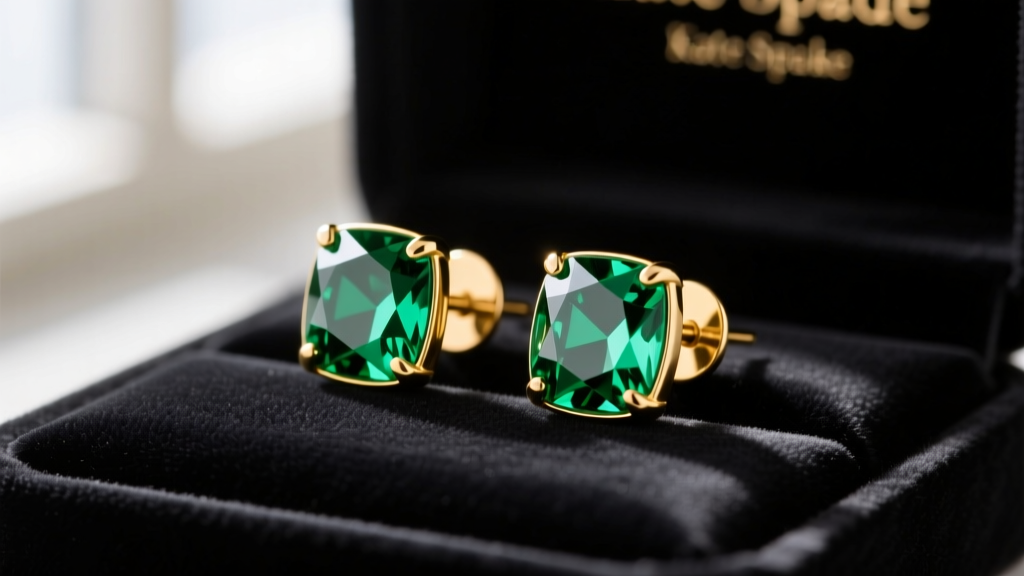
The Gemstone Illusion: Natural Beryl vs. Fashion Crystal
When shopping for accessible luxury, kate spade emerald earrings frequently catch the eye of consumers looking for a pop of vibrant green without the five-figure price tag of fine jewelry. However, as a discerning buyer in 2026, it is crucial to understand the material science behind these popular accessories. The term 'emerald' in the fashion jewelry sector rarely refers to natural beryl. Instead, brands like Kate Spade New York utilize high-quality simulated stones—typically faceted lead-free crystal, colored glass, or synthetic spinel—to achieve that signature lush green hue.
Natural emeralds are a variety of the mineral beryl, colored by trace amounts of chromium or vanadium. According to the Gemological Institute of America (GIA), natural emeralds possess a refractive index (RI) of 1.577 to 1.583 and a specific gravity of 2.72. In contrast, the advanced crystals used in contemporary fashion earrings boast an RI of approximately 1.52. While the optical dispersion of fashion crystal is brilliant and highly reflective, it lacks the deep, velvety 'jardin' (internal inclusions) that gives natural emeralds their unique depth. Understanding this distinction is the first step in evaluating the true material value and expected lifespan of your earrings.
Base Metal Breakdown: Plated Brass vs. Solid Settings
The structural integrity of any earring relies heavily on its base metal. Kate Spade fashion earrings are predominantly crafted from brass (an alloy of copper and zinc) or spelter, which is then finished with a gold-tone or silver-tone plating. It is vital to differentiate between 'gold-tone' and 'gold-plated' or 'vermeil'.
The Federal Trade Commission (FTC) Jewelry Guides strictly regulate these terms. Gold vermeil requires a base of sterling silver with a gold plating of at least 2.5 microns thick. Most fashion jewelry, including many Kate Spade designs, utilizes flash plating—a process that deposits a microscopic layer of gold (often less than 0.1 microns) over brass. This provides a beautiful initial luster but presents specific failure modes over time.
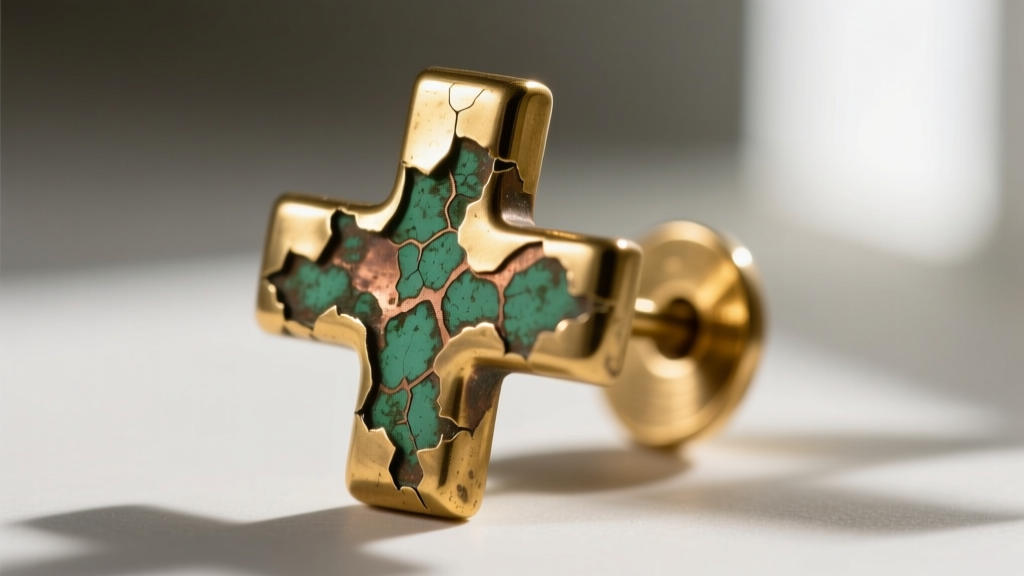
The Chemistry of Tarnish and Skin Reactions
Because the underlying metal is brass, wearers with acidic skin pH or those who frequently wear their earrings in high-humidity environments may experience 'green skin.' This is not an allergic reaction to gold, but rather a chemical oxidation process. The copper in the brass reacts with oxygen, sweat, and lotions to form copper chloride or copper carbonate (verdigris). To mitigate this, we recommend applying a thin layer of clear nail polish to the earring posts and backing butterflies, creating an inert barrier between the reactive base metal and your skin.
Durability and the Mohs Scale: What to Expect in Daily Wear
Gemstone durability is measured using the Mohs scale of mineral hardness, which dictates how well a material resists scratching. This is a critical property for earrings, which are frequently handled, dropped, or stored haphazardly in jewelry boxes.
| Material Property | Natural Emerald (Beryl) | Fashion Crystal (Lead-Free Glass) | Epoxy Resin / Enamel |
|---|---|---|---|
| Mohs Hardness | 7.5 - 8.0 | 5.0 - 6.0 | 2.0 - 3.0 |
| Refractive Index | 1.577 - 1.583 | ~1.52 | ~1.45 |
| Cleavage / Brittleness | Highly brittle, prone to chipping | Conchoidal fracture, chips on hard impact | Flexible but scratches easily |
| Ultrasonic Cleaning Safe? | No (oils will be stripped) | No (can loosen adhesives) | No (will cloud the finish) |
While natural emeralds are harder than fashion crystals, they are notoriously brittle due to natural inclusions. Ironically, the synthetic crystals used in kate spade emerald earrings are more structurally uniform, meaning they are less likely to shatter from a minor drop onto a bathroom counter, even though they are more susceptible to surface micro-scratches from dust (which contains quartz, Mohs 7).
Prong Settings vs. Adhesive Mounts: A Structural Analysis
How the 'emerald' is secured to the brass base is just as important as the materials themselves. Fine jewelry relies on precision-cast prongs or bezels to hold the stone. In fashion jewelry, you will frequently encounter a hybrid approach: a glued flat-back crystal seated into a decorative metal bezel, or faux prongs that are cast directly over the stone's girdle.
Expert Insight: When inspecting crystal-set fashion earrings, gently run a microfiber cloth over the prongs. If you feel snagging, the metal casting is rough and will eventually wear down the cotton fibers of your clothing or catch on your hair. A quick fix is to use a jeweler's polishing cloth to gently buff the prong tips smooth.
Adhesive failure is the most common reason simulated stones fall out of fashion settings. Exposure to heat (like leaving your earrings on a sunny windowsill or wearing them in a sauna) softens the industrial epoxies used in manufacturing, leading to stone loss.
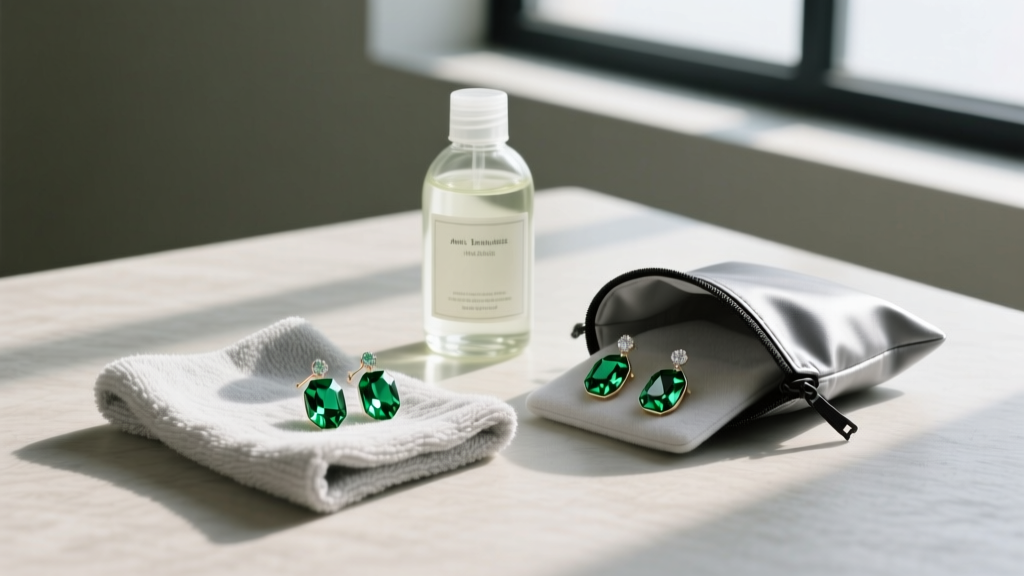
Longevity and Care: Preserving Your Fashion Emeralds
To maximize the lifespan of gold-plated brass and crystal jewelry, you must adopt a care routine that respects the limitations of these materials. Here is a strict, actionable maintenance protocol for 2026:
- The 'Last On, First Off' Rule: Always put your earrings on after applying perfume, hairspray, and lotions. The alcohol and volatile organic compounds (VOCs) in cosmetics can degrade the reflective backing of foil-set crystals and accelerate the wear of flash plating.
- Proper Cleaning Solutions: Never use commercial silver dips or ultrasonic cleaners. Instead, mix a few drops of pH-neutral dish soap (like Dawn) into lukewarm water. Dip a soft-bristled baby toothbrush into the solution and gently agitate the stone. Rinse quickly and pat dry immediately with a lint-free cloth to prevent water spots on the crystal.
- Anti-Tarnish Storage: Store your earrings in individual ziplock bags with a 3M anti-tarnish tab. The tab absorbs sulfur compounds in the air that cause the underlying brass to oxidize and bleed through the porous gold-tone plating.
Final Verdict: Who Should Buy Fashion Emeralds?
Kate Spade emerald earrings are an excellent choice for trend-driven styling, seasonal color-coordination, and gifting. They offer the vibrant, eye-catching aesthetics of precious gems at a fraction of the cost and with less anxiety regarding loss or theft. However, from a strict material science perspective, they are not heirloom pieces. The flash plating will eventually wear, and the crystal simulants will accumulate micro-abrasions over years of heavy use. By understanding the metallurgical and gemological realities of these pieces, you can set realistic expectations, care for them properly, and enjoy their brilliant green sparkle for many seasons to come.


