Teal Sapphire Earrings: What to Look For When Buying
Discover what to look for when buying teal sapphire earrings. Learn about color grading, cuts, metal pairings, and pricing in our expert guide.

The Rise of the Teal Sapphire in Fine Jewelry
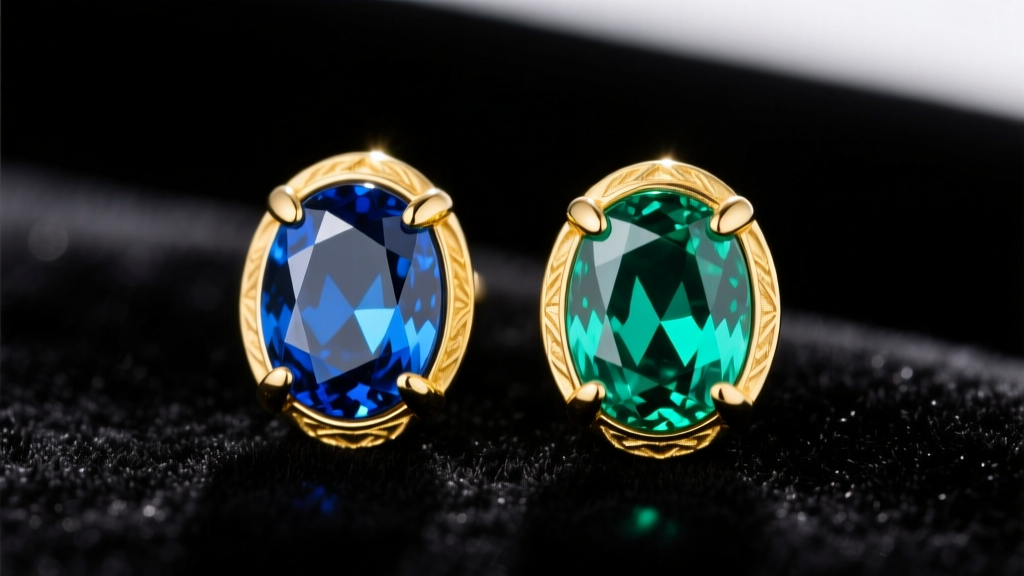
Teal sapphires have rapidly transitioned from a niche collector's secret to one of the most sought-after gemstones in contemporary fine jewelry. As a variety of corundum (aluminum oxide), teal sapphires boast an exceptional Mohs hardness of 9, making them incredibly durable and ideal for everyday wear in earrings. Unlike traditional blue sapphires that derive their color primarily from iron and titanium, teal sapphires—often classified as parti-color or bi-color sapphires—feature a unique crystalline structure that exhibits both blue and green color zoning.
When shopping for teal sapphire earrings, the market can be overwhelming. Prices vary wildly based on origin, treatment, and the specific ratio of blue to green. This comprehensive buying guide will equip you with the gemological knowledge needed to evaluate quality, select the right hardware for your ear lobes, and avoid common pitfalls in the current market.
Color, Cut, and Clarity: Grading Teal Sapphires
Evaluating a teal sapphire requires a different approach than grading a standard royal blue sapphire. The appeal lies in the stone's dichroism—the ability to show different colors when viewed from different crystallographic angles.
The Color Matrix: Blue vs. Green
The most prized teal sapphires exhibit a balanced color distribution, typically a 50/50 or 60/40 split between oceanic blue and forest green. According to the Gemological Institute of America (GIA), color zoning is common in parti-sapphires. When examining earrings, look for stones where the color shift is visible face-up. Avoid stones that appear overly dark or "muddy" in the center, a phenomenon known as extinction, which occurs when the cutter prioritizes carat weight over light return.
Cut Styles for Maximum Brilliance
Because teal sapphires rely on light to activate their dual-color nature, the cut is paramount. Brilliant cuts (such as oval, round, and cushion) are highly recommended for earrings because their complex facet arrangements maximize sparkle and blend the blue and green zones seamlessly. Step cuts, like the emerald cut, offer a sophisticated, glassy look and showcase the distinct color banding, but they are less forgiving of inclusions and can sometimes look flat in low lighting.
Clarity Expectations
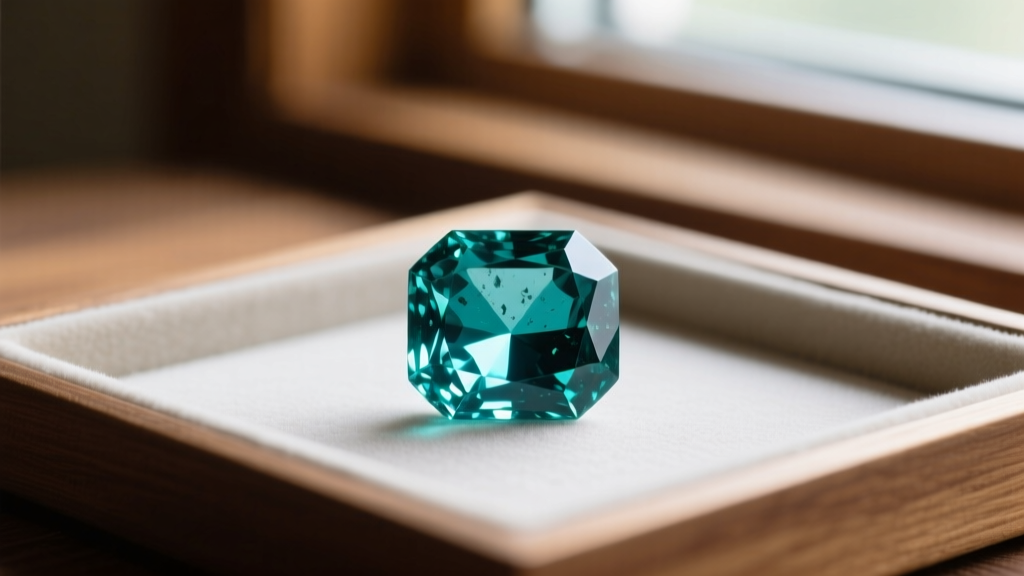
Sapphires are classified as Type II gemstones, meaning they typically form with some inclusions. Eye-clean stones are the standard for high-quality teal sapphire earrings. Minor silk (rutile needles) is acceptable and can actually prove the stone's natural origin, but avoid stones with prominent fractures or dark carbon spots directly under the table facet, as these will be highly visible when worn near the face.
Treatments and Origin: What You Must Know
Understanding how a teal sapphire has been treated is the single most important factor in determining its value and longevity.
Expert Warning: Always ask if a teal sapphire has undergone beryllium diffusion. While traditional heat treatment is universally accepted and stable, beryllium diffusion introduces external elements into the crystal lattice to artificially enhance or create the teal color. Diffused stones should be priced significantly lower and must be explicitly disclosed by the seller.
Origin also plays a massive role in pricing and color profiles. Currently, unheated teal sapphires from Montana (specifically the Rock Creek and Missouri River deposits) command a premium due to their natural, untreated state and distinct metallic-blue undertones. Australian sapphires (from regions like Anakie) often display a richer, darker green-blue, while Madagascar and Nigerian stones tend to be lighter and more pastel.
Metal Pairings and Earring Settings
The metal you choose for your teal sapphire earrings will actively influence how the gemstone's color is perceived. Because teal is a secondary color, you can use metal contrast to pull out either the blue or the green.
| Metal Choice | Color Effect on Teal Sapphire | Best Earring Style |
|---|---|---|
| 18k Yellow Gold | Enhances the green and golden undertones, creating a warmer, earthy look. | Bezel-set studs, vintage-inspired drops. |
| Platinum / White Gold | Amplifies the cool blue hues, making the stone look crisper and more aquatic. | Prong-set solitaires, sleek ear cuffs. |
| 14k Rose Gold | Creates a striking complementary contrast, making the teal color pop vividly. | Halo settings, delicate huggie hoops. |
Earring Hardware and Lobe Considerations
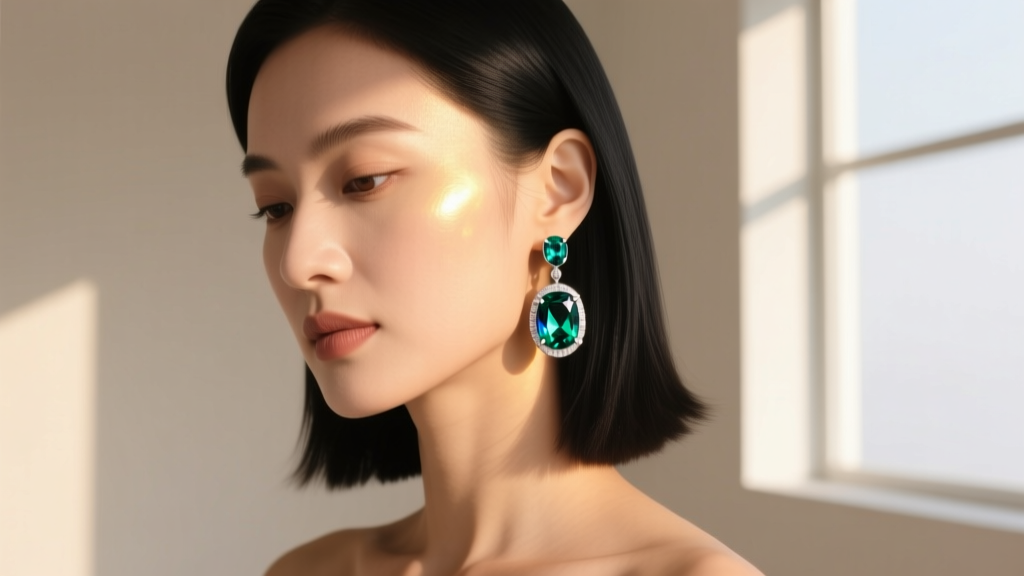
Teal sapphires are dense stones. If you are purchasing dangle or drop earrings featuring stones over 1.50 carats each, standard earring hardware may fail. Standard earring posts are 20-gauge (0.81mm thick). For heavier teal sapphires, insist on 18-gauge (1.02mm) or even 16-gauge (1.29mm) posts to prevent the metal from bending and the earring from drooping on your lobe. Furthermore, upgrade from standard friction backs to La Pousette (locking) backs or screw-backs to secure your investment. The American Gem Society (AGS) frequently highlights the importance of matching hardware security to gemstone weight and value.
Pricing Expectations in the Current Market
The pricing for teal sapphires has shifted significantly as consumer demand for alternative engagement and fine jewelry stones has peaked. While they are generally more affordable than top-tier royal blue or padparadscha sapphires, high-quality teal stones are no longer "bargain" gems.
- 0.50ct - 0.99ct (Standard Studs): $250 - $600 per carat. Ideal for everyday, lightweight studs.
- 1.00ct - 1.99ct (Premium Drops): $600 - $1,200 per carat. Expect excellent color saturation and eye-clean clarity.
- 2.00ct+ (Statement Pieces): $1,200 - $2,500+ per carat. Unheated Montana stones with perfect 50/50 color zoning sit at the top of this range.
Always request a report from a reputable gemological laboratory (such as GIA, AGL, or Lotus) for any teal sapphire earring pair priced over $2,000 to verify the absence of beryllium diffusion and confirm the origin.
Final Checklist Before You Buy
Before finalizing your purchase, run through this quick expert checklist to ensure you are getting a high-quality pair of teal sapphire earrings:
- Check the Lighting: View the earrings in both natural daylight and warm indoor lighting to ensure the stones don't turn black or muddy in low light.
- Verify the Post Gauge: Ensure the post thickness is appropriate for the carat weight (18g or thicker for stones over 1.50ct).
- Confirm Treatments: Get the treatment disclosure in writing. "Heated" is perfectly fine; "Lattice Diffused" or "Beryllium Treated" should drastically lower the price.
- Assess the Setting: Ensure the prongs are flush against the stone. Teal sapphires are hard, but a poorly seated prong can catch on hair or clothing, eventually loosening the gem.
By focusing on the unique dichroic properties, insisting on proper earring hardware, and understanding the nuances of sapphire treatments, you can confidently invest in a pair of teal sapphire earrings that will remain vibrant and secure for a lifetime.


