Kate Spade Flower Earrings: A Technical Material & Fit Guide
An expert technical breakdown of Kate Spade flower earrings, covering metal plating thickness, enamel types, post gauges, and lobe ergonomics.

The Metallurgy of Fashion: Base Alloys and Casting Methods
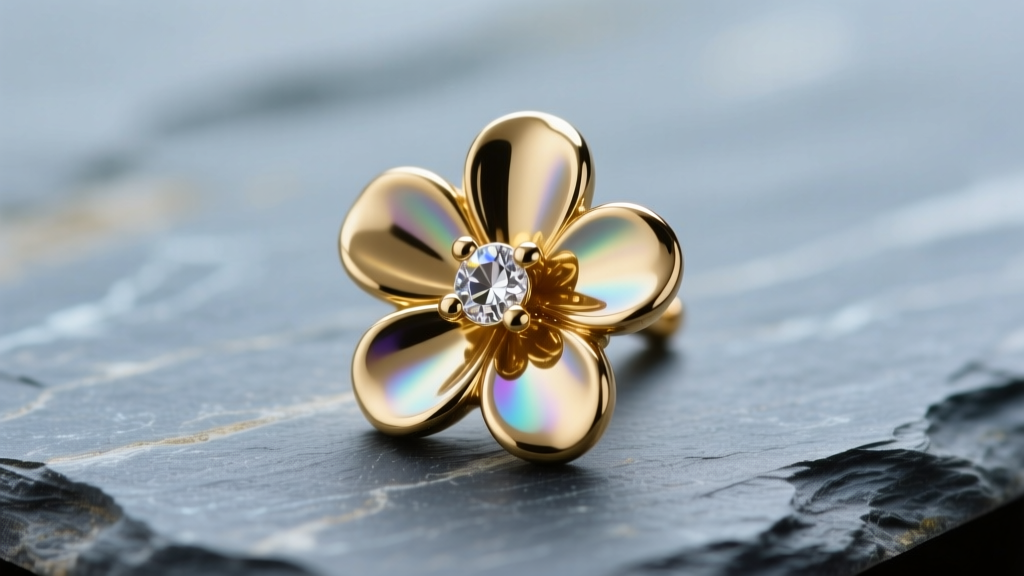
When evaluating iconic fashion jewelry like Kate Spade flower earrings, it is crucial to look past the aesthetic appeal and examine the underlying metallurgy. As of 2026, the vast majority of the brand's floral motifs—including the signature spade flower, daisy, and wild rose collections—are cast using a lead-free brass alloy, typically composed of 60% copper and 40% zinc (CuZn40). This specific brass formulation is favored in fashion jewelry manufacturing because of its excellent fluidity during the lost-wax casting process, allowing for the intricate, high-definition petal textures that define the brand's floral designs.
However, brass is inherently porous and highly reactive to oxygen and sulfur in the environment. To prevent tarnishing and provide a luxurious finish, these brass castings are electroplated. Understanding the plating thickness is vital for predicting the lifespan of your earrings. According to the Federal Trade Commission Jewelry Guides, the term 'gold electroplate' requires a minimum thickness of 0.175 microns (approximately 7 millionths of an inch). Kate Spade's standard fashion lines typically utilize a light electroplating process ranging from 0.5 to 1.0 microns of 12k or 14k gold, often applied over a microscopic flash of nickel or palladium to improve adhesion and brightness. While this provides a brilliant initial luster, daily wear will eventually cause the plating to wear through to the brass base, particularly on high-friction areas like the earring post and the edges of the flower petals.
Enamel Techniques: Cold Epoxy vs. Vitreous Glass
The vibrant, opaque colors found in the petals of Kate Spade floral drops and studs are not achieved through traditional vitreous enameling. Vitreous enamel requires fusing powdered glass to metal at temperatures exceeding 1400°F, a process that would melt the brass base and destroy the glued-in crystal accents. Instead, these earrings utilize 'cold enamel,' which is technically a two-part epoxy resin.
Cold epoxy is poured into the recessed channels of the brass casting and cured at much lower temperatures (usually around 150°F to 200°F). From a materials science perspective, epoxy resin has a Shore D hardness rating of approximately 70 to 80, making it highly resistant to shattering or chipping upon impact—a significant advantage over glass enamel. However, this material comes with specific vulnerabilities. The Ganoksin Enameling Techniques database notes that epoxy resins are susceptible to UV degradation and chemical solvents. Over several years of exposure to direct sunlight, white and blush epoxy enamels can undergo photo-oxidation, resulting in a slight yellowing. Furthermore, the epoxy surface can be permanently clouded by contact with alcohol-based perfumes, hand sanitizers, and acetone.
Post Gauges, Clutches, and Earlobe Ergonomics
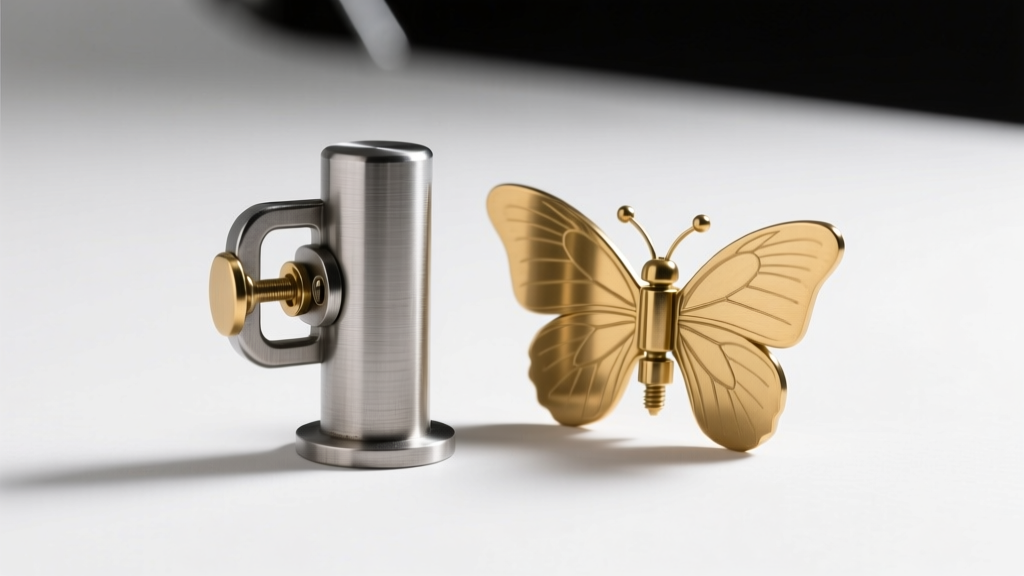
The structural integrity of how an earring sits on the ear is dictated by the post gauge and the clutch mechanism. Kate Spade flower studs and drops predominantly feature 20-gauge (0.81mm) posts, which is the industry standard for fashion jewelry, balancing tensile strength with comfort for standard lobe piercings. Some ultra-lightweight daisy or mini-spade studs may utilize a slightly thinner 22-gauge (0.64mm) post to reduce metal weight, though this increases the risk of bending if pressure is applied while inserting the earring.
The Friction Back Failure Point
The standard butterfly friction backs included with these earrings are typically stamped from brass and plated to match the earring. The mechanical failure point of a butterfly clutch is the loss of tension in the metal springs over time, leading to dropped earrings. For the heavier floral drop styles, we strongly recommend upgrading to a La Pousette clutch (a locking mechanism with a spring-loaded internal disc) or utilizing a medical-grade silicone disc backing to distribute the weight more evenly across the earlobe and prevent sagging.
Weight Distribution and Ergonomic Data
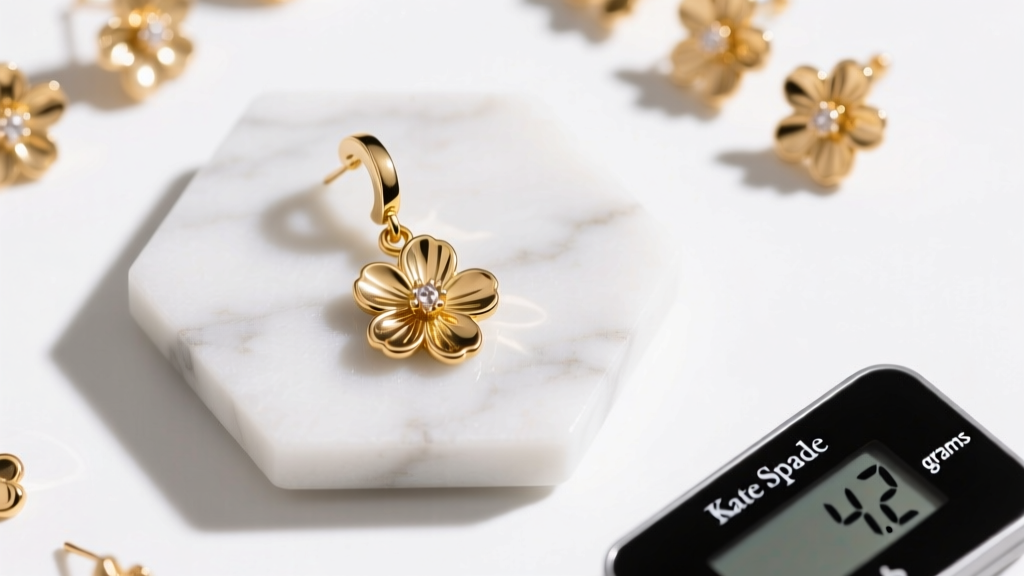
The physical weight of an earring dramatically affects how it wears throughout the day. Flower motifs, especially those featuring multiple layers of brass and glass crystals, can become top-heavy. Below is a technical breakdown of weight classes across the brand's floral categories and the recommended hardware for optimal lobe ergonomics.
| Earring Style | Average Weight (per earring) | Post Gauge | Recommended Clutch Type |
|---|---|---|---|
| Mini Spade / Daisy Studs | 1.2g - 2.5g | 22G or 20G | Standard Butterfly Friction |
| Medium Floral Drops | 3.0g - 4.8g | 20G | Silicone Disc or Jumbo Back |
| Large Crystal Dangles | 5.5g - 8.2g | 20G | La Pousette Locking Clutch |
| Floral Huggie Hoops | 4.0g - 6.0g | N/A (Hinge) | Snap-back Omega Clip |
When an earring exceeds 5 grams, the center of gravity shifts away from the piercing hole, causing the earring to tilt forward. This not only obscures the design but can also stretch the earlobe tissue over time. Using a supportive backing is not merely a security measure; it is an ergonomic necessity for preserving the shape of your piercing.
Longevity, Chemical Degradation, and Care Protocols
Because Kate Spade flower earrings are constructed from a composite of brass, gold electroplating, epoxy resin, and glass crystals, they require a highly specific cleaning protocol. Ultrasonic jewelry cleaners, which use high-frequency cavitation bubbles to remove dirt, are strictly contraindicated for these pieces. The microscopic shockwaves can fracture the epoxy enamel, loosen the adhesive holding the prong-set glass crystals, and strip the thin gold plating from the brass base.
The Expert Cleaning Method
- Solution: Mix 1 part mild, phosphate-free dish soap with 10 parts distilled water. Avoid tap water, as dissolved minerals can leave microscopic calcified spots on the epoxy.
- Agitation: Use a natural horsehair detailing brush (softer than nylon or toothbrush bristles) to gently sweep dirt from the crevices between the metal prongs and the enamel petals.
- Drying: Pat dry with a lint-free microfiber cloth and allow to air dry completely in a low-humidity environment before storage to prevent water spots on the glass crystals.
Furthermore, skin chemistry plays a massive role in the degradation of fashion jewelry. The American Academy of Dermatology notes that acidic sweat can rapidly break down thin metal platings. If you live in a high-humidity climate or have naturally acidic skin, applying a micro-thin layer of carnauba wax (often sold as jewelry sealant) over the brass posts and earring backs can create an impermeable barrier, preventing both metal tarnish and contact dermatitis.
Authenticity Markers and Hardware Details
With the secondary market for vintage and discontinued Kate Spade jewelry expanding significantly in 2026, verifying authenticity through hardware inspection is essential. Authentic Kate Spade flower earrings will feature precise, clean laser etching or deep stamping on the earring back or the flat edge of the post, typically reading 'kate spade new york'. Counterfeit pieces often exhibit shallow, poorly aligned stamping or use a generic '925' stamp, which is incorrect since these pieces are brass, not sterling silver.
Expert Storage Tip: Never store epoxy-enameled flower earrings in direct contact with raw silver or copper, as galvanic reactions can cause permanent staining on the resin. Store each pair individually in an anti-tarnish flannel pouch with a silica gel desiccant packet to control ambient moisture and preserve the gold electroplate.
By understanding the exact materials, weight tolerances, and chemical vulnerabilities of Kate Spade flower earrings, collectors and daily wearers alike can make informed decisions about maintenance, backing upgrades, and long-term preservation, ensuring these iconic floral designs remain vibrant for years to come.


