Keloid Earring Piercing Budget: True Cost and Material Value
Discover the true cost of a keloid earring piercing. Compare material values, gauge specs, and budget for safe, flare-up-free jewelry.

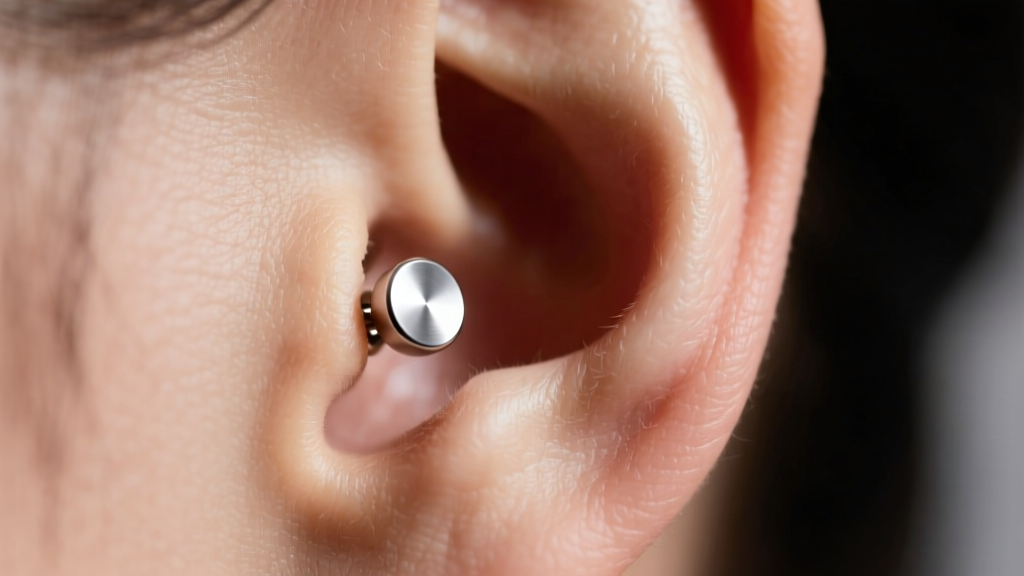
The Financial Reality of Keloid-Prone Piercings
When evaluating a keloid earring piercing budget, most consumers make the critical mistake of only calculating the upfront cost of the jewelry and the piercing service. However, for individuals genetically predisposed to keloids—thick, raised scars caused by an overproduction of collagen during the healing process—the true cost must factor in the long-term biological compatibility of the materials used. Cheap jewelry is not a bargain; it is a financial liability. A single inflammatory reaction from a low-grade alloy can trigger a keloid flare-up, leading to dermatological interventions that vastly outweigh the price of premium body jewelry.
According to the American Academy of Dermatology, treating a fully formed keloid often requires multiple corticosteroid injections, cryotherapy, or surgical excision, with out-of-pocket costs ranging from $150 to over $1,500 per treatment cycle. By contrast, investing in certified, implant-grade jewelry drastically reduces mechanical and chemical irritation, serving as a proactive financial shield against these medical expenses. This guide breaks down the exact material specifications, pricing tiers, and technical requirements necessary to build a cost-effective, keloid-safe jewelry wardrobe.
Material Grades That Prevent Keloid Flare-Ups
The foundation of any keloid earring piercing budget is understanding metallurgical standards. The term "hypoallergenic" is largely unregulated in the jewelry industry and offers no legal or medical guarantee of biocompatibility. Instead, you must look for specific ASTM (American Society for Testing and Materials) designations.
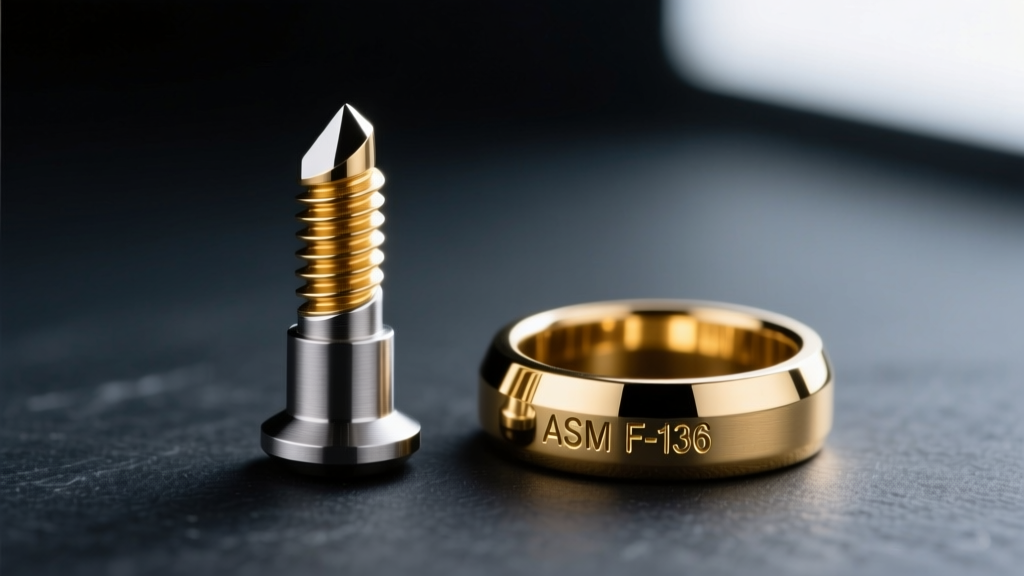
ASTM F-136 Implant-Grade Titanium
This is the gold standard for initial piercings and highly reactive ears. Unlike commercial-grade titanium, ASTM F-136 is strictly regulated for surgical implants, ensuring it contains zero nickel. It is lightweight, highly polished, and completely inert in the human body. For a budget-conscious buyer, titanium offers the highest value-to-safety ratio on the market.
ASTM F-67 Pure Niobium
Niobium is a highly reactive elemental metal that, when anodized, creates a safe, colorful oxide layer without the use of toxic dyes or plating. It is an excellent alternative for those who want color without compromising their keloid earring piercing budget. However, it is softer than titanium and usually reserved for rings or specialized ends rather than structural posts.
Solid 14k and 18k Gold (Nickel-Free)
Gold is a premium investment. However, it must be alloyed for hardness, which introduces the risk of nickel or copper sensitization. You must source jewelry from reputable body jewelers who guarantee nickel-free, cadmium-free, and lead-free alloy mixes. Avoid anything below 14k, as higher karats (like 22k or 24k) are too soft for daily wear and will harbor bacteria in micro-scratches, potentially irritating the piercing channel.
Budget vs. Value: Price Breakdown by Material
To accurately assess the value of your jewelry, we must compare the upfront cost against the longevity and biological safety of the piece. Below is a market analysis of standard flat-back labret studs (the safest style for healing and keloid-prone ears) across different material tiers.
| Material Type | Grade / Standard | Nickel Content | Avg. Price (Per Stud) | Keloid Risk Level |
|---|---|---|---|---|
| "Surgical" Steel | 316L / 316LVM | 8% - 10.5% | $5 - $15 | High (Severe Irritant) |
| Sterling Silver | 925 Silver | 0% (Contains Copper) | $15 - $35 | Medium-High (Tarnish Risk) |
| Commercial Titanium | Unspecified / Grade 2 | Trace / Unknown | $10 - $25 | Medium (Polish Issues) |
| Implant-Grade Titanium | ASTM F-136 | 0% | $25 - $55 | Extremely Low |
| Solid Gold | 14k / 18k (Nickel-Free) | 0% | $90 - $300+ | Extremely Low |
The "Hypoallergenic" Marketing Trap
Many budget shoppers gravitate toward 316L stainless steel because it is labeled "surgical." This is a dangerous misnomer. 316L steel contains up to 10.5% nickel. While the nickel is bound within the alloy, the saline environment of a healing or easily irritated piercing channel can cause ion leaching. For someone managing a keloid earring piercing, this microscopic leaching triggers an immune response, resulting in contact dermatitis, swelling, and ultimately, the mechanical friction that stimulates keloid growth. Saving $30 on a steel stud is a false economy if it initiates a $500 dermatology bill.
Gauge, Threading, and Fit: The Technical Specs That Matter
Material is only half the battle. The physical architecture of the earring dictates how it interacts with your tissue. Mechanical trauma is a primary catalyst for keloid formation, meaning the way your jewelry is assembled and fitted is just as critical as the metal itself.
Threading: Internal vs. Threadless
Never wear externally threaded jewelry. The screw threads on the post act like a file, creating micro-tears in the fistula (the piercing channel) every time the jewelry is moved or rotated. These micro-tears trigger the body's wound-healing cascade, which in keloid-prone individuals leads to excessive scar tissue. Your budget must exclusively accommodate internally threaded jewelry (where the screw is on the decorative end) or threadless (push-pin) systems. Brands like Neometal and Industrial Strength offer threadless titanium ends and posts that snap together via tension, providing a perfectly smooth post that glides through the tissue without causing trauma.
Gauge Sizing and Downsizing
Standard lobe piercings are typically done at 14-gauge (1.6mm) or 16-gauge (1.2mm), while cartilage is usually 16-gauge. Wearing a post that is too thin for the piercing channel allows the jewelry to move excessively. This "pistoning" effect introduces bacteria and causes friction, both of which aggravate keloid scars. Furthermore, if you are getting a new piercing, your initial jewelry will have a longer post to accommodate swelling. Once the swelling subsides (usually within 4 to 8 weeks), you must budget for a "downsize" appointment to swap to a shorter, flush-fitting post. Leaving a long post in place guarantees snagging, which is a leading mechanical cause of keloid flare-ups.
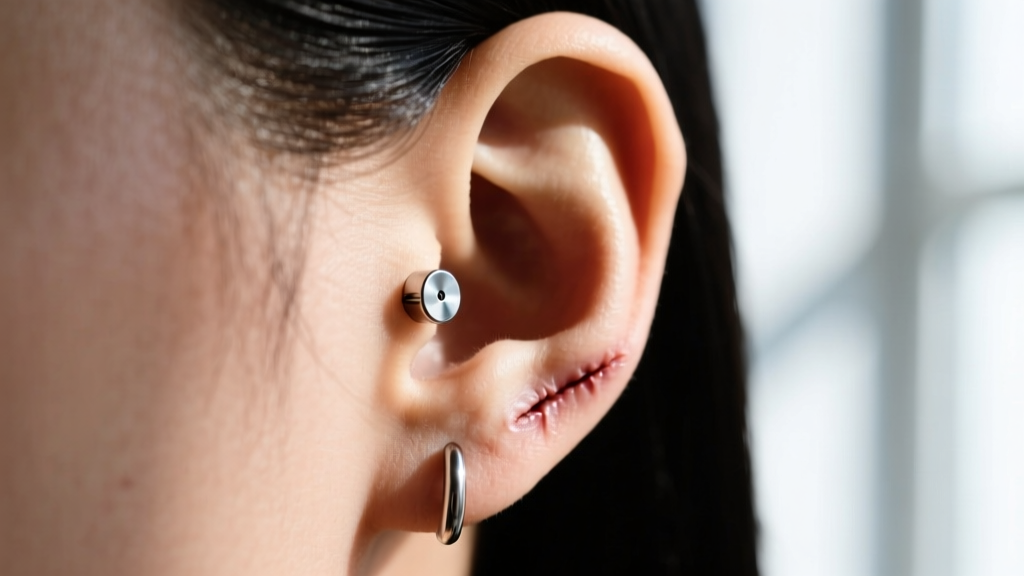
Long-Term Value Assessment: Building a Capsule Wardrobe
Approaching your keloid earring piercing budget as a long-term investment rather than a series of impulse purchases will save you significant money over time. Instead of buying dozens of cheap, reactive fashion earrings that you can never comfortably wear, allocate your funds toward a "capsule wardrobe" of high-quality, interchangeable body jewelry.
Because threadless and internally threaded systems separate the decorative "end" from the structural "post," you can purchase a few high-quality titanium posts for your specific gauge and length requirements, and then slowly invest in interchangeable ends. A plain titanium bezel-set opal end might cost $45, while a solid 14k gold floral end might cost $120. By swapping these ends between your existing titanium posts, you achieve the look of a brand-new earring for a fraction of the cost, all while maintaining a 100% biocompatible barrier against your skin.
Final Verdict: Protecting Your Piercing and Your Wallet
Successfully managing a keloid earring piercing requires a paradigm shift in how you view jewelry shopping. The initial price tag of implant-grade titanium or solid gold is undeniably higher than mall-kiosk alternatives, but the value proposition is undeniable when weighed against the physical pain, aesthetic compromise, and financial burden of keloid treatments. By strictly adhering to ASTM F-136 standards, demanding internal or threadless mechanisms, and ensuring proper post downsizing, you create an environment where your piercing can thrive. Ultimately, the most budget-friendly earring is the one that allows your body to heal in peace.


