Princess Earrings: A Beginner's Guide to Princess-Cut Studs
Discover everything about princess earrings. Learn about princess-cut diamond studs, setting styles, metal grades, and how to choose the perfect pair.

What Exactly Are Princess Earrings?
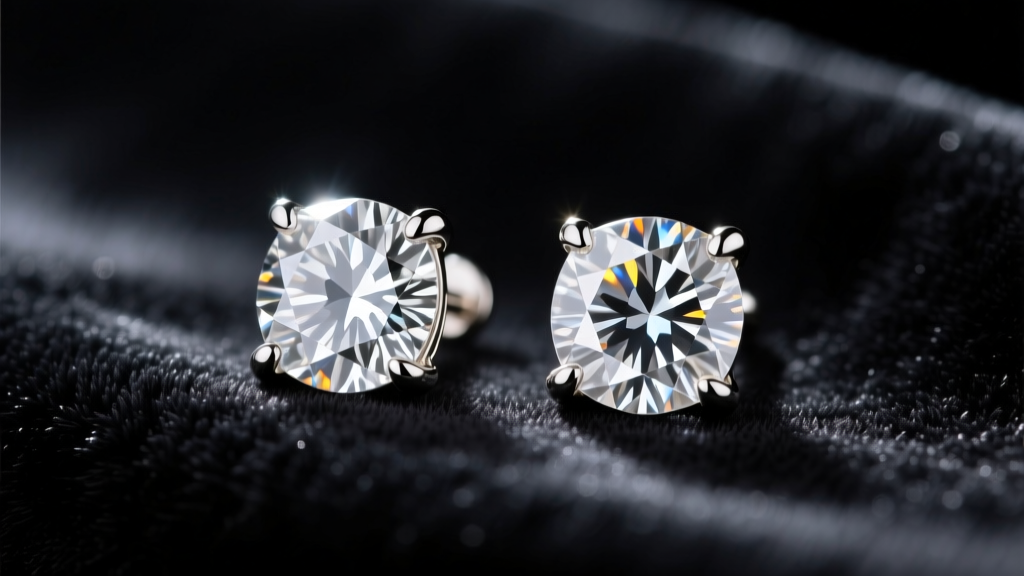
When you begin exploring fine jewelry, the terminology can feel like a foreign language. If you have been searching for princess earrings, you might be picturing tiaras, royal crests, or fairy-tale motifs. However, in the gemological world, the term almost exclusively refers to earrings featuring the princess-cut diamond or gemstone. Characterized by a sharp, square silhouette and brilliant faceting, princess-cut studs are a cornerstone of modern jewelry design. They offer the fiery sparkle of a round brilliant diamond but with a contemporary, geometric edge that appeals to minimalist and modern aesthetics alike.
As we navigate the 2026 jewelry market, square-cut stones continue to dominate bridal and everyday luxury collections. This beginner-friendly guide will break down the anatomy, settings, and pricing of princess-cut studs so you can make an informed, confident purchase.
The Anatomy of a Princess-Cut Stone
Unlike the classic round brilliant, which has been mathematically perfected over centuries, the princess cut is a relatively modern invention, gaining massive popularity in the late 20th century. A standard princess-cut diamond features 58 facets. The crown (top) typically has chevron-shaped facets, while the pavilion (bottom) utilizes a series of V-shaped facets that bounce light aggressively back to the eye.
Because of its large, flat "table" (the top surface), a princess cut retains more of the original rough diamond crystal than a round cut. This makes them inherently more affordable per carat, but it also means that inclusions (internal flaws) are much easier to see with the naked eye.
Navigating the 4Cs for Square Stones
When buying princess earrings, the traditional 4Cs (Cut, Color, Clarity, Carat) require a slightly different approach than they do for round diamonds:
- Cut: The GIA does not issue an official cut grade for princess cuts, though the American Gem Society (AGS) does. Look for a length-to-width ratio between 1.00 and 1.05 to ensure the stone is perfectly square.
- Color: The sharp corners of a princess cut tend to trap and show color. Stick to a minimum of H or I color grades to ensure the stone faces up white in a white gold or platinum setting.
- Clarity: Because of the open table, aim for VS2 or higher. SI1 stones may have visible black carbon spots right in the center of the stone.
Why the Setting Matters More Here
The most critical vulnerability of a princess-cut stone is its four sharp 90-degree corners. These points are highly susceptible to chipping if bumped against a hard surface. Therefore, the setting is not just an aesthetic choice; it is a structural necessity.
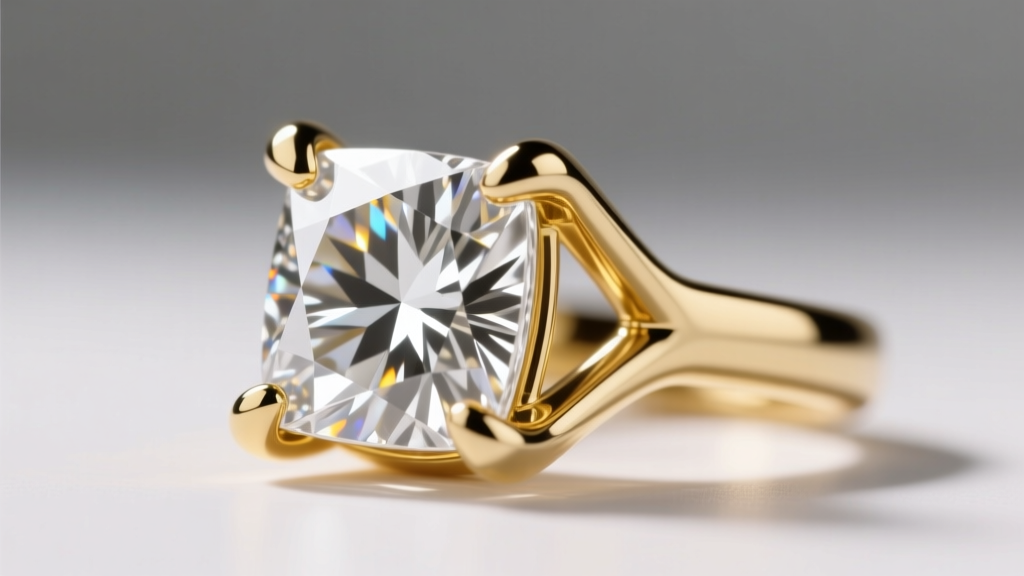
The V-Prong Setting: This is the gold standard for princess earrings. Instead of a standard rounded claw resting on the corner, a V-prong wraps around the sharp point like a metal shield, protecting it from impact.
The Bezel Setting: For maximum security and a sleek, modern look, a full bezel encircles the entire perimeter of the stone in a thin rim of metal. This completely eliminates the risk of corner chipping and prevents the prongs from snagging on hair or clothing.
Avoid standard 3-prong "martini" settings for princess cuts, as they leave the corners entirely exposed and unbalanced.
Metal Choices and Post Gauge Sizes
The metal you choose for your princess earrings dictates both the longevity of the piece and the health of your earlobes. Here is a breakdown of the most common options for 2026:
| Metal Type | Purity / Grade | Pros & Cons for Daily Wear |
|---|---|---|
| 14K Gold | 58.5% Pure Gold | Highly durable and scratch-resistant. Best for active lifestyles, though slightly less rich in color than 18K. |
| 18K Gold | 75.0% Pure Gold | Rich, warm color and hypoallergenic. Softer than 14K, meaning prongs may need re-tipping after a decade of wear. |
| Platinum | 95.0% Pure (Pt950) | Naturally white, extremely dense, and hypoallergenic. The ultimate choice for securing high-value diamonds. |
Understanding Earring Post Gauges
Beginners often overlook the thickness of the earring post, known as the gauge. For standard lobe piercings, you will typically encounter two sizes:
- 20-Gauge (0.81mm): The industry standard for most fine jewelry studs. It is thin enough to slide effortlessly through healed piercings without causing discomfort.
- 18-Gauge (1.02mm): Slightly thicker, often used for heavier carat weights (1.50 CTW and above) to prevent the earring from drooping or bending under the weight of the stone.
Additionally, always opt for screw-backs over standard friction "push" backs for any princess earrings valued over $1,000. Friction backs can loosen over time due to hair brushing and clothing changes, while threaded screw-backs lock securely onto the post.
2026 Pricing Breakdown: What to Expect
Pricing for diamond studs is based on Carat Total Weight (CTW), which is the combined weight of both earrings. Below is a realistic market estimate for natural, earth-mined princess-cut diamonds with respectable specs (H-I Color, VS2 Clarity, Very Good Cut).
| Total Carat Weight (CTW) | Approximate Size (mm) | Estimated Price Range (USD) |
|---|---|---|
| 0.50 CTW | 3.5mm x 3.5mm | $800 - $1,400 |
| 1.00 CTW | 4.5mm x 4.5mm | $2,200 - $3,800 |
| 2.00 CTW | 6.0mm x 6.0mm | $6,500 - $11,000+ |
Note: Lab-grown princess-cut diamonds of identical quality will cost approximately 70% to 85% less than the natural prices listed above, making them a highly popular choice for buyers wanting maximum size on a budget.
How to Style Them for Your Face Shape
Because princess earrings are distinctly geometric, they interact with your facial structure in specific ways. According to styling principles endorsed by the Gemological Institute of America (GIA) and professional stylists, contrast and harmony are your two main tools.
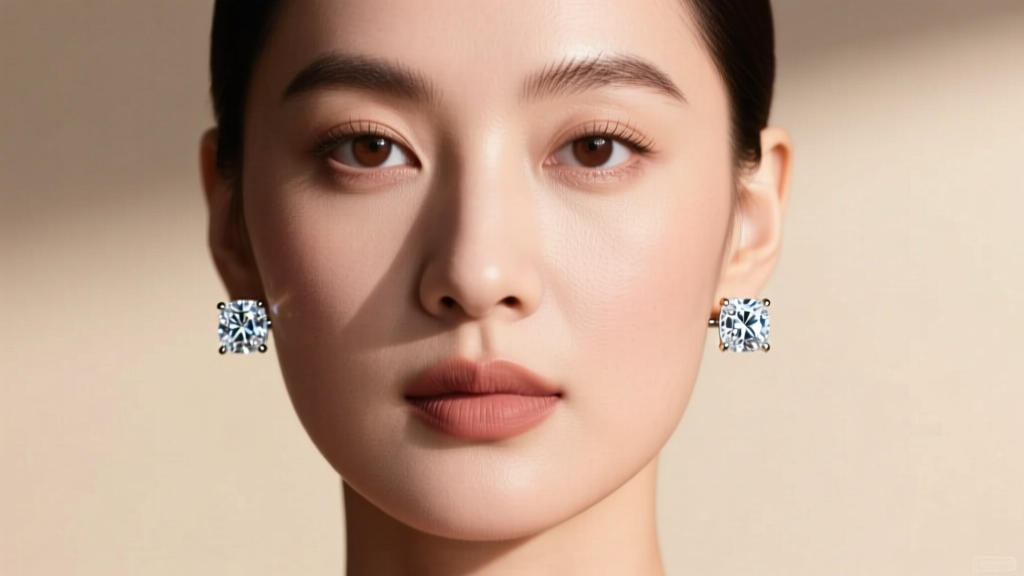
- Round Faces: Princess earrings are your best friend. The sharp, angular lines of the square cut provide a striking, flattering contrast to soft, curved jawlines, adding structure to your profile.
- Oval Faces: Highly versatile. You can pull off the geometric edge of a princess cut effortlessly, balancing the length of your face with the horizontal width of the square stone.
- Square Faces: Proceed with caution. Wearing square studs on a strongly angular, square jawline can sometimes look overly harsh. If you love the princess cut, opt for a bezel setting to soften the edges, or choose a smaller carat weight (0.50 CTW) to keep the look subtle.
Common Beginner Mistakes to Avoid
"The biggest mistake I see first-time buyers make is prioritizing carat weight over cut quality and corner protection. A poorly proportioned princess cut will look dark and lifeless in the center, and an unprotected corner will eventually chip during daily wear."
To ensure your investment lasts a lifetime, avoid these three pitfalls:
- Ignoring the Certificate: Never buy princess earrings over $1,500 without a grading report from a top-tier lab like GIA, AGS, or IGI (for lab-grown stones).
- Sleeping in Your Studs: The sharp corners of the stone can scratch your skin, and the pressure of your pillow can bend the earring post or loosen the V-prongs over time. Always remove them before bed.
By understanding the unique geometry, setting requirements, and pricing structures of princess-cut stones, you can confidently select a pair of earrings that will provide brilliant, geometric fire for decades to come.


