Earring Magic Ken Barbie Movie Styles & Care Guide
Discover expert care tips for acrylic, turquoise, and vermeil jewelry inspired by cinematic trends. Keep your statement pieces pristine.

The Lasting Impact of Cinematic Jewelry Trends
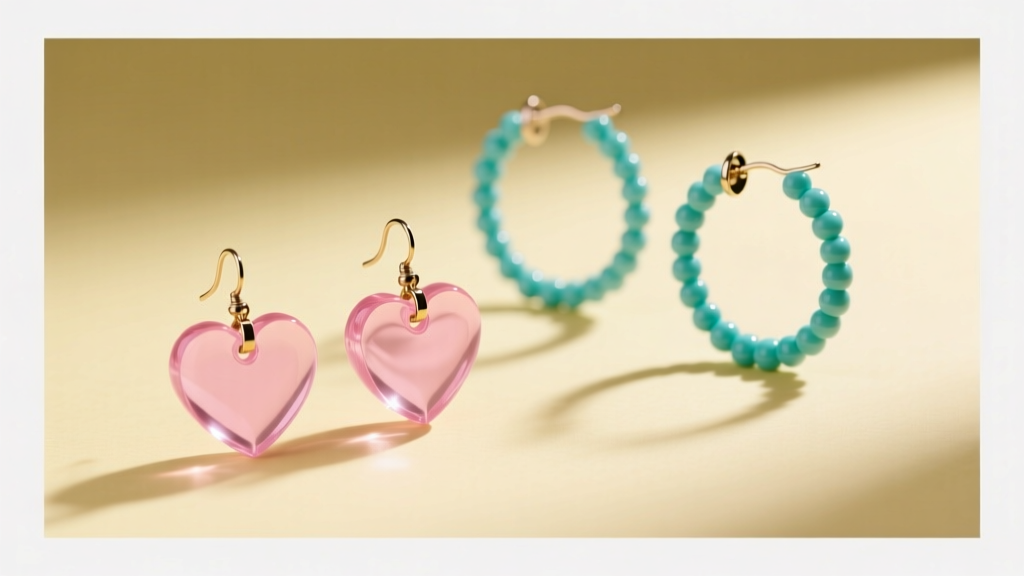
When jewelry historians and trend forecasters analyze the cultural shifts of the early 2020s, the earring magic ken barbie movie audiences experienced in theaters will undoubtedly stand out as a pivotal moment for playful, avant-garde accessories. By 2026, these hyper-feminine and nostalgic styles have transitioned from fleeting viral trends into permanent staples of statement jewelry wardrobes. However, the materials that make these pieces so visually striking—vibrant acrylics, porous turquoise, and delicate gold vermeil—require highly specialized maintenance protocols. Standard jewelry cleaning methods can easily destroy these novelty and mixed-material pieces. This guide provides a masterclass in preserving the structural and aesthetic integrity of your favorite cinematic-inspired earrings.
Caring for "Malibu Ken" Turquoise and Silver
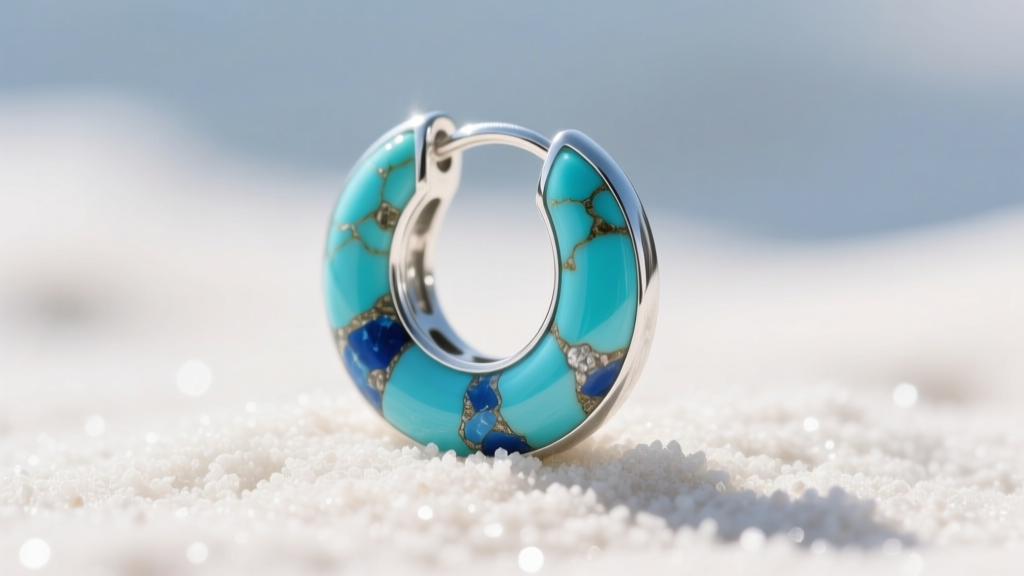
The laid-back, beach-inspired aesthetic popularized by the "Ken" character brought a massive resurgence in turquoise and sterling silver hoop earrings. While visually stunning, this material pairing is notoriously difficult to maintain due to the contrasting physical properties of the metal and the gemstone.
Turquoise is a hydrous phosphate of copper and aluminum, ranking between 5 and 6 on the Mohs hardness scale. More importantly, it is highly porous. Natural turquoise will absorb skin oils, lotions, and environmental pollutants, which can permanently alter its color matrix over time. Furthermore, sterling silver (925) is prone to tarnishing when exposed to hydrogen sulfide in the atmosphere.
The Golden Rules of Turquoise Maintenance
- Never Use Ultrasonic Cleaners: The 40kHz vibrations and heated chemical baths used in standard ultrasonic cleaners will cause stress fractures in natural turquoise and can completely dissolve the stabilization resins used in treated stones.
- Avoid Liquid Cleaners: Do not submerge turquoise in water or commercial silver dips. The liquid will seep into the stone's pores and degrade the matrix from the inside out.
- Dry Polishing Only: Use an untreated, microfiber silver polishing cloth to gently buff the metal components. Avoid rubbing the turquoise directly; instead, use a soft, dry makeup brush to gently sweep away dust and skin cells from the stone's surface.
For a deeper understanding of porous gemstone conservation, the Gemological Institute of America (GIA) strongly recommends keeping turquoise away from all cosmetics and applying your perfume and hairspray before putting your earrings on.
Preserving "Barbiecore" Acrylic and Resin Pieces
The hyper-pink, sculptural acrylic earrings that dominated the "Barbiecore" movement are crafted from Polymethyl methacrylate (PMMA). Acrylic is lightweight, allowing for massive, oversized statement pieces that won't tear the earlobe. However, PMMA ranks at a mere 2 to 3 on the Mohs scale, making it incredibly susceptible to micro-scratches and chemical degradation.
The Danger of Stress Crazing
The most common failure mode for acrylic earrings is "stress crazing"—a network of microscopic fractures that turn the plastic cloudy and brittle. This is almost always caused by exposure to alcohols. Never clean acrylic earrings with rubbing alcohol, hand sanitizer, or alcohol-based glass cleaners. The solvents break down the polymer chains on a molecular level.
The Safe Cleaning Protocol
- Blow Off Dust: Because acrylic scratches easily, never wipe it dry. Use a manual air blower (like those used for camera lenses) to remove abrasive dust particles first.
- Mild Surfactant Wash: Mix a few drops of mild, lotion-free dish soap (such as Dawn) into lukewarm water. Submerge the earrings for 3 to 5 minutes.
- Gentle Agitation: Use a baby-hair brush or a very soft cotton swab to gently lift body oils from the crevices of sculptural pieces.
- Air Dry: Pat gently with a lint-free microfiber cloth and allow to air dry completely before storing to prevent water spots.
The Vermeil and Rhinestone Dilemma
Many of the glamorous, chandelier-style drop earrings inspired by the movie's premiere looks utilize gold vermeil and foil-backed rhinestones. Under FTC guidelines, true vermeil must consist of a sterling silver base plated with at least 2.5 microns of 10k or higher gold. This is significantly thicker than standard gold plating, but it is still vulnerable to wear.
Rhinestones in fashion jewelry are typically glass or acrylic with a metallic foil backing glued to the base to create reflectivity. The adhesive used is usually a cyanoacrylate or epoxy resin. If water or chemical cleaners breach the edge of the stone setting, the foil backing will oxidize, turning black and killing the stone's sparkle permanently. Always clean rhinestone vermeil pieces with a barely damp Q-tip, strictly avoiding the base settings, and dry them immediately.
Material Care Matrix and Failure Modes
| Material | Mohs Hardness | Safe Cleaning Agent | Primary Failure Mode |
|---|---|---|---|
| Natural Turquoise | 5.0 - 6.0 | Dry microfiber cloth only | Color alteration via oil absorption; matrix shattering in ultrasonics |
| PMMA (Acrylic) | 2.0 - 3.0 | Mild dish soap & lukewarm water | Stress crazing (clouding) from alcohol; micro-scratching |
| Gold Vermeil | 2.5 (Pure Gold) | Silver polish cloth (avoid stones) | Plating wear exposing silver base; sulfur tarnishing |
| Foil-Back Rhinestones | 5.5 (Glass) | Dry soft-bristle brush | Adhesive failure and foil oxidation from moisture ingress |
Structural Integrity: Gauge Sizes and Lobe Health
While material care is vital, structural care of your earlobes is equally critical when wearing oversized, novelty statement earrings. Standard lobe piercings are typically done at 20-gauge (0.81mm) or 18-gauge (1.02mm). However, the large acrylic and resin statement pieces popularized by recent cinematic trends can easily weigh between 15 and 25 grams per earring.
Preventing Permanent Lobe Elongation
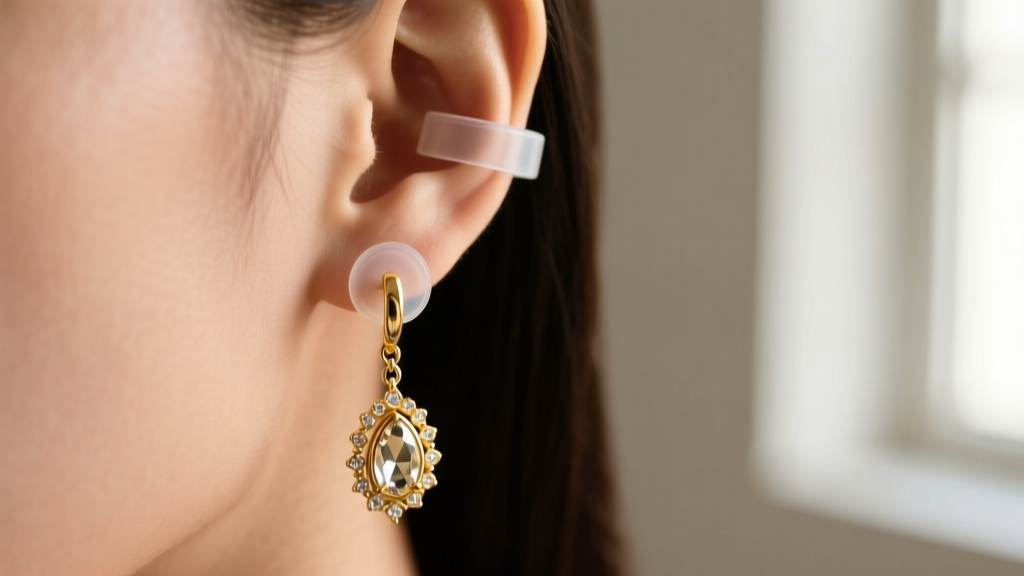
Human earlobe tissue is highly elastic but will permanently stretch and thin out if subjected to continuous downward tension. Wearing 20-gram earrings for an 8-hour day can cause micro-tears in the fistula (the piercing channel). To mitigate this damage without sacrificing the earring magic ken barbie movie aesthetics demand, utilize silicone ear lifters or supportive o-rings. These small, transparent pads sit on the back of the earlobe, distributing the weight of the heavy earring across a wider surface area of tissue. Additionally, always store heavy dangle earrings hanging vertically in a padded jewelry box to prevent the wire or post from bending, which can introduce microscopic jagged edges that will tear the earlobe upon insertion.
"Conservation of novelty fashion jewelry requires unlearning traditional fine jewelry habits. Treating acrylic like diamond or turquoise like sapphire is the fastest way to destroy a beloved statement piece." — Archival Jewelry Conservation Guidelines, 2025
Storage Solutions for Statement Pieces
Proper storage is the final pillar of earring maintenance. Acrylic pieces should be stored away from direct UV sunlight, which can cause yellowing in white and pastel polymers over time. Keep vermeil pieces in anti-tarnish flannel pouches infused with silver nitrate to absorb atmospheric sulfur. Finally, never toss heavy statement earrings into a communal jewelry box where metal clasps can scrape and permanently gouge the surface of softer resin and acrylic components. By treating these playful, culturally significant pieces with the same respect as high fine jewelry, you ensure they remain vibrant and wearable for years to come.


