Kunukku Earrings Value Guide: Pricing & Buying Tips
Evaluate the true cost of Kunukku earrings. Our budget guide breaks down gold weight, Kemp stone grades, and pricing tiers for smart buyers.

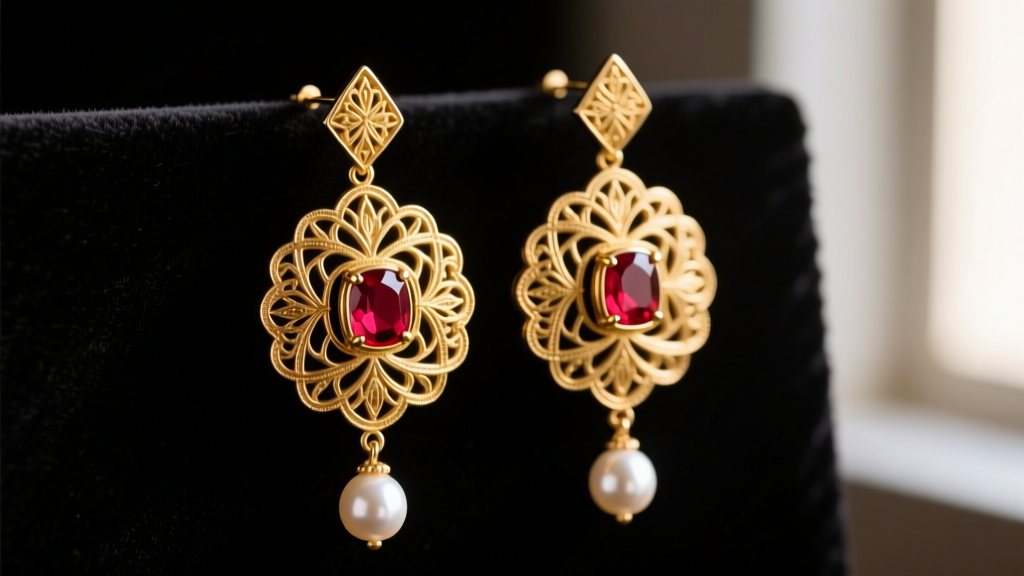
The Allure and Anatomy of Kunukku Earrings
Kunukku earrings are a cornerstone of South Indian temple jewelry, instantly recognizable by their domed, jhumka-like silhouette, intricate goldwork, and vibrant Kemp stone accents. Originating from the heritage traditions of Kerala and Tamil Nadu, these pieces are designed to frame the face with a regal, antique elegance. However, as we navigate the 2026 precious metals market, the pricing of Kunukku earrings varies wildly—from $50 fashion replicas to $5,000+ heirloom investments. Understanding the anatomy of these earrings is the first step in assessing their true value and ensuring your budget is allocated toward genuine craftsmanship rather than inflated retail markups.
A traditional Kunukku consists of four primary value drivers: the base metal (usually 22k or 18k gold), the Kemp stones (red and green cabochons), the pearl drops, and the manufacturing technique (handcrafted Nakshi vs. machine casting). Evaluating each component separately is the only way to accurately appraise a piece before purchase.
Material Breakdown: What Are You Actually Paying For?
Gold Purity and Weight Metrics
The foundation of any fine jewelry Kunukku is its gold content. In the current market, authentic temple jewelry is predominantly crafted in 22-karat gold (91.6% purity) to maintain the rich, yellow hue characteristic of antique designs while providing enough structural integrity to hold heavy stones. When assessing value, you must look beyond the visual size of the earring and demand the exact gram weight. A pair of mid-sized Kunukkus typically weighs between 8 and 15 grams. According to the World Gold Council, tracking the daily spot price of 22k gold is essential; your base cost should always be calculated as: (Weight in Grams × Daily 22k Rate).
Crucially, if you are buying in India or from international Indian jewelers, insist on the BIS Hallmark with a 6-digit HUID (Hallmark Unique Identification) code. This guarantees the gold purity and protects you from the common scam of selling 18k gold at 22k prices.
Kemp Stones and Pearl Grading
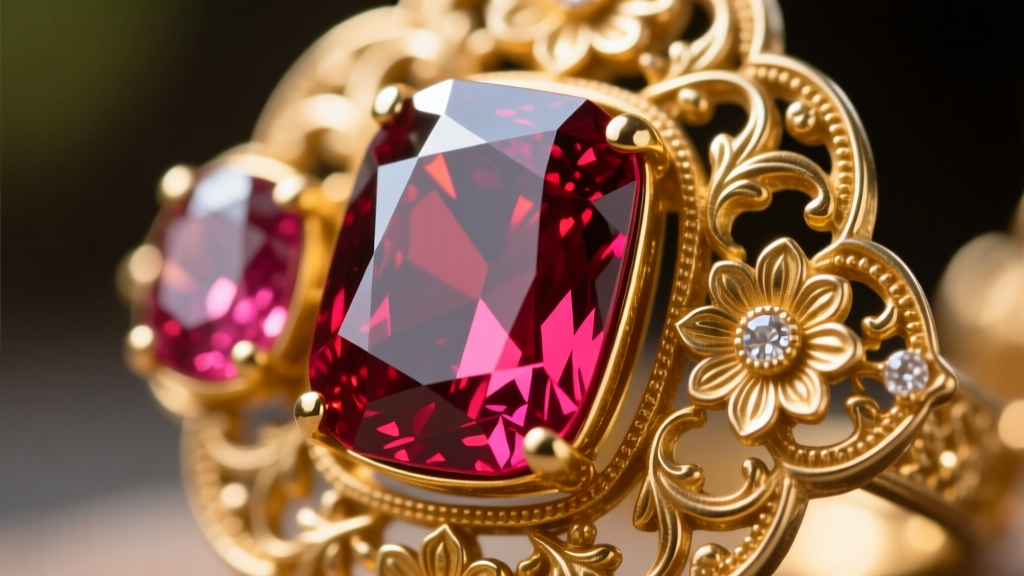
Kemp stones are the vibrant red and green gems that define the Kunukku aesthetic. Historically, these were uncut rubies and emeralds. Today, the market is segmented into three tiers of Kemp stones:
- Glass/Synthetic Spinel (Budget Tier): Found in 85% of commercial pieces. They offer high clarity and vibrant color but hold zero intrinsic gemstone value. You should only pay for the gold weight and labor.
- Lab-Created Corundum (Mid Tier): Chemically identical to natural rubies but grown in a lab. They offer excellent durability and a richer, more authentic 'glow' than glass, justifying a slight premium.
- Natural Uncut Rubies/Emeralds (Heirloom Tier): Extremely rare and expensive. These will feature visible inclusions and a deeper, less uniform color. Always require a gemological certificate from the Gemological Institute of America (GIA) for natural stones.
The pearls dangling from the base are typically cultured freshwater pearls. Value is determined by luster and surface cleanliness. Avoid pieces using synthetic plastic pearls, which will yellow and peel within a few years of regular wear.
The 2026 Kunukku Earrings Pricing Matrix
To help you benchmark retailer quotes, we have compiled a pricing matrix based on current market averages for a standard 10-gram pair of Kunukku earrings. Use this table to identify whether a jeweler's quote aligns with the actual materials being used.
| Material Tier | Base Metal | Stone & Pearl Quality | Estimated Price Range (USD) | Value Retention |
|---|---|---|---|---|
| Fashion / Alloy | Brass/Copper with Gold Plating | Glass stones, plastic pearls | $30 - $90 | Zero (Costume) |
| Silver Vermeil | 925 Sterling Silver, 2.5µm Gold Plating | Glass/Synthetic stones, low-grade freshwater pearls | $120 - $350 | Low (Silver melt value) |
| Lightweight Fine | Solid 22k Gold (5g - 9g) | Synthetic Kemp, decent freshwater pearls | $600 - $1,100 | High (Gold melt + labor) |
| Bridal Heirloom | Solid 22k Gold (15g - 30g+) | Lab/Natural rubies, premium Akoya/Freshwater pearls | $2,500 - $6,000+ | Excellent (Investment grade) |
The Transparency Formula: A reputable jeweler will break down your invoice using this formula: Total Price = (Gold Weight × 22k Rate) + Making Charges (8% to 22%) + Stone/Pearl Cost + 3% GST/Tax. If a retailer offers a single 'lump sum' price and refuses to disclose the exact gold weight or making charge percentage, walk away. This is a common tactic to hide exorbitant labor markups.
Handcrafted Nakshi vs. Cast Manufacturing
The 'making charge' (or V wastage/labor fee) is where jewelers make their profit, and it is entirely dependent on the manufacturing technique. True Nakshi work involves hand-beating and embossing gold sheets to create three-dimensional, granulated patterns. This labor-intensive process requires master artisans and commands a making charge of 18% to 25% over the gold rate.
Conversely, many modern retailers sell 'Nakshi-style' Kunukku earrings that are actually machine-cast using rubber molds. Cast pieces look flat, lack the sharp definition of hand-engraved borders, and are prone to porosity (tiny air bubbles in the metal). Cast pieces should never incur a making charge higher than 8% to 12%. Always inspect the earring under a jeweler's loupe; if the granulation looks perfectly uniform and slightly soft around the edges, it is a cast piece.
Hardware, Ergonomics, and Wearability
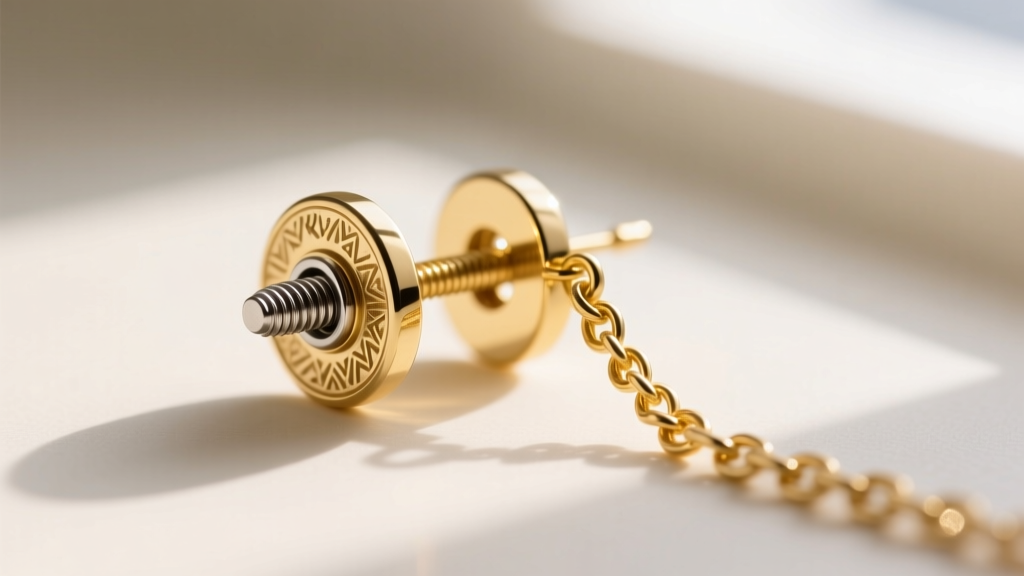
A critical but often overlooked aspect of assessing Kunukku value is the hardware. Because traditional designs are heavily weighted at the bottom dome, a standard push-back post will inevitably lead to stretched earlobes or the earring drooping awkwardly. For any Kunukku earring weighing more than 8 grams per piece, a screw-back mechanism (screw patti) is mandatory. This wide, threaded backing distributes the weight across a larger surface area of the earlobe.
Furthermore, high-value bridal Kunukkus should include an integrated loop at the top to attach a Maatal (a gold chain that hooks into the hair). This transfers the physical burden from the earlobe to the crown of the head. If a jeweler is charging heirloom prices for a heavy pair but only provides a standard friction post, they have cut corners on structural engineering, severely diminishing the functional value of the piece.
Maintenance and Long-Term Value Retention
To protect your investment, proper maintenance is non-negotiable. Kemp stones in traditional temple jewelry are often 'foil-backed'—meaning a thin layer of colored metallic foil is placed behind the stone to enhance its brilliance. Never put foil-backed Kunukku earrings in an ultrasonic cleaner or submerge them in liquid jewelry dips. The moisture will seep under the bezel setting, oxidize the foil, and turn the vibrant red stones dull and black. Clean them only with a dry, soft-bristled brush and store them wrapped in acid-free tissue paper inside a padded wooden box to prevent the gold from scratching the pearls.
By demanding transparency in gold weight, verifying the Bureau of Indian Standards hallmark, and understanding the nuances of Nakshi craftsmanship, you can confidently navigate the market and acquire Kunukku earrings that are both culturally magnificent and financially sound.


