2026 Trends: How to Style Opal Dangle Earrings for Your Face Shape
Discover 2026 styling trends for opal dangle earrings. Learn how to match ethereal opal drops to your face shape, metal grade, and lifestyle.

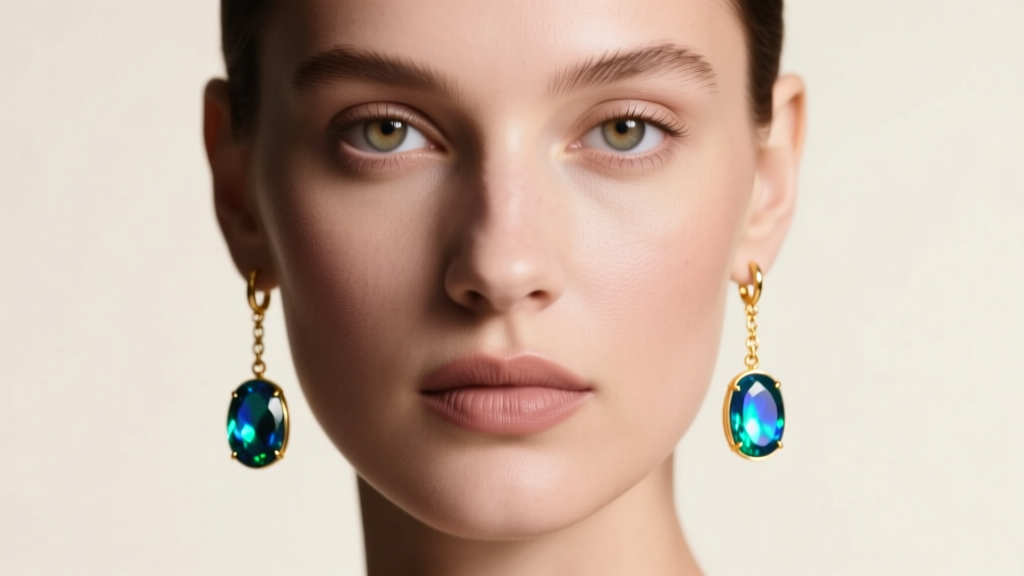
The 2026 Resurgence of Kinetic Opal Silhouettes
The 2026 fine jewelry landscape is defined by a decisive shift away from static, minimalist micro-pavé toward expressive, movement-driven silhouettes. At the forefront of this kinetic revival are opal dangle earrings. Unlike rigid studs or close-fitting huggies, dangles interact with the wearer’s movements, catching ambient light and showcasing the gemstone's signature play-of-color from multiple angles. However, styling these statement pieces requires more than just matching metals; it demands a strategic understanding of facial proportions, gemstone mineralogy, and hardware engineering. This comprehensive guide breaks down the exact specifications, material grades, and styling frameworks you need to master the opal dangle trend this year.
Decoding the Opal: Australian vs. Ethiopian vs. Lab-Created
Before selecting a silhouette, you must understand the structural integrity of the stone. Opals are relatively soft, ranking between 5.5 and 6.5 on the Mohs hardness scale, making them susceptible to scratching and impact fractures. According to the Gemological Institute of America (GIA), the origin of the opal dictates not only its price point but also its long-term durability in a swinging dangle setting.
| Opal Type | Geological Origin | Durability & Traits | 2026 Price Range (per carat) |
|---|---|---|---|
| Australian (Light/White) | Sedimentary | Highly stable, non-porous, resistant to humidity changes. | $150 - $2,500+ |
| Ethiopian (Welo) | Volcanic | Hydrophane (absorbs water). Prone to temporary color loss if wet. | $40 - $400 |
| Lab-Created (Gilson) | Synthetic Silica | Uniform play-of-color, lacks natural inclusions, highly stable. | $20 - $120 |
For dangle earrings, which are prone to accidental bumps against the neck and shoulders, Australian solid opals or high-quality lab-created opals are the safest investments. Ethiopian opals are breathtakingly vibrant but require meticulous care to avoid contact with perfumes, hairsprays, and moisture, which can cause the hydrophane stone to turn cloudy or transparent.
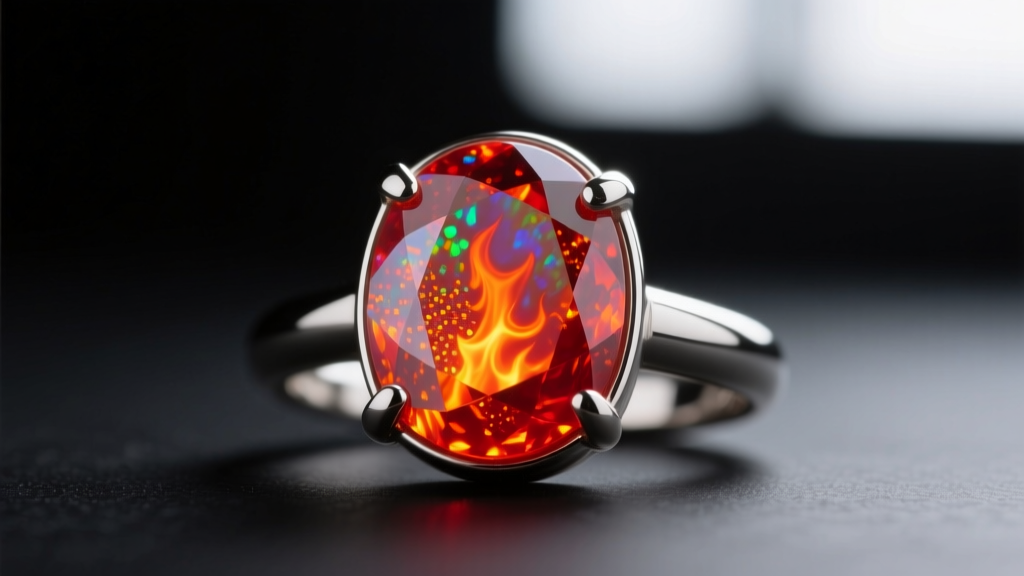
Face Shape Framework: Matching Dangle Lengths & Silhouettes
The primary function of a dangle earring is to manipulate visual weight and elongate or soften the jawline. In 2026, the trend is moving toward hyper-personalized proportions. Use this millimeter-precise framework to select the ideal opal dangle earrings for your specific bone structure.
Round & Square Faces: The Elongation Strategy
If you have a round or square face shape, your goal is to create vertical illusions that draw the eye downward, softening angular jaws or widening cheekbones. Avoid short, wide drops or circular chandelier styles, which will only emphasize facial width.
- Ideal Length: 45mm to 65mm (measured from the base of the earlobe).
- Best Silhouettes: Linear bar drops, geometric Art Deco cascades, and narrow marquise-shaped opals.
- Styling Tip: Choose dangles where the opal is set vertically rather than horizontally. A 50mm 18k gold wire dropping into a single, elongated pear-cut opal provides a striking, slimming effect.
Oval & Heart Faces: The Balancing Strategy
Oval faces are universally versatile, but heart-shaped faces (characterized by a wider forehead and a narrow, pointed chin) require visual weight added to the lower half of the face to achieve balance.
- Ideal Length: 25mm to 40mm.
- Best Silhouettes: Teardrops, inverted triangles, and bottom-heavy chandeliers.
- Styling Tip: For heart-shaped faces, select opal dangles that feature a wider cluster of stones at the bottom. An inverted triangle setting with a large, cabochon-cut opal at the base will beautifully offset a narrow chin without overwhelming the delicate features.
Hardware Specs & Metallurgy: The Engineering of a Safe Dangle
The most common failure mode for opal dangle earrings is not the stone scratching, but the hardware failing or the setting snapping due to the 'swing factor.' Dangles endure constant kinetic stress. Here are the non-negotiable hardware specifications you should demand from jewelers in 2026.
Wire Gauge and Hook Integrity
Standard fashion earrings often use flimsy 22-gauge (0.64mm) wire for French hooks. For opal dangles, especially those exceeding 4 grams in total weight, this is a structural liability. The repetitive swinging motion will slowly bend a 22-gauge hook open, leading to lost earrings. Insist on 18-gauge (1.02mm) or 20-gauge (0.81mm) wire for the ear hook. If the opal is particularly heavy, opt for a lever-back closure or a la pousette (locking clutch) mechanism on a sturdy post to guarantee security.
The Danger of Prong Settings
While four-prong or six-prong settings maximize light entry for diamonds, they are catastrophic for opals in dangle earrings. Opals do not have a crystalline structure; they are composed of microscopic silica spheres. Pressure points from tight metal prongs can cause internal stress fractures, known as 'crazing.' Furthermore, prongs easily catch on hair and knitwear, acting as a lever that can snap the opal clean out of the setting. Always choose bezel, half-bezel, or flush settings for opal dangles to protect the stone's perimeter from impact.
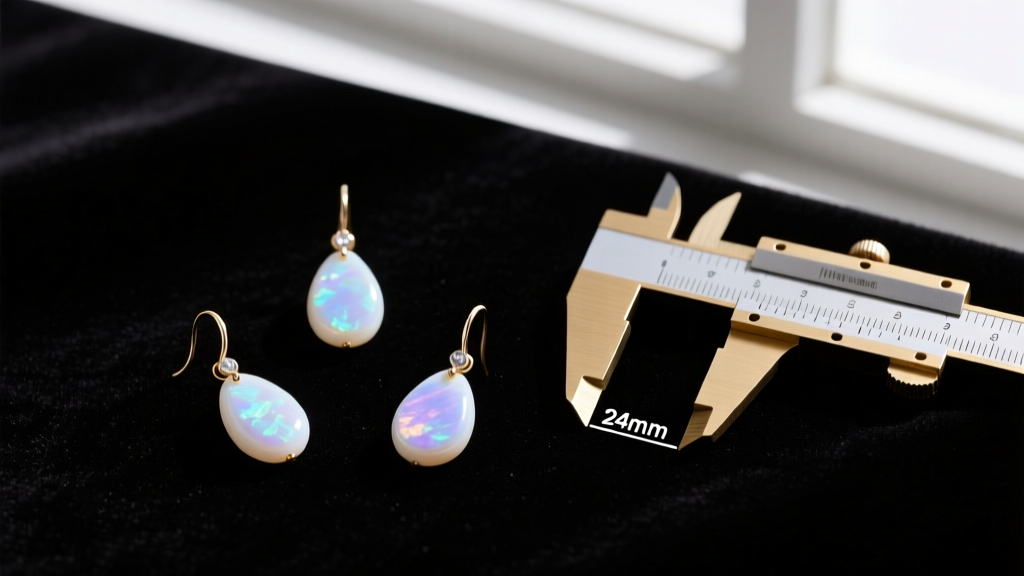
Maintenance & Failure Modes: Protecting Your Investment
Opals require a highly specific maintenance protocol. The GIA's official care guidelines explicitly warn against standard jewelry cleaning methods that are perfectly safe for diamonds or sapphires.
Expert Warning: Never place opal earrings in an ultrasonic cleaner. The high-frequency vibrations will shatter the silica structure. Similarly, avoid steam cleaners and harsh chemical dips, which will strip the stone's natural moisture and cause irreversible crazing.
To clean your opal dangles, use only a soft, untreated microfiber cloth and warm, soapy water (mild dish soap). If you own Ethiopian hydrophane opals, minimize water exposure entirely, as repeated absorption and drying cycles can lead to micro-fractures. Store your dangles in a climate-controlled environment; extreme fluctuations in humidity and temperature are the primary catalysts for opal degradation. The American Gem Trade Association (AGTA) recommends storing opals in a soft pouch with a slightly damp cotton ball if you live in an exceptionally arid climate to prevent the stones from drying out and cracking.
Final Verdict for 2026
Opal dangle earrings are the ultimate intersection of ethereal beauty and kinetic design. By prioritizing bezel settings, upgrading to 18-gauge hardware, and strictly matching the drop length to your facial geometry, you can confidently wear these mesmerizing gems as everyday statement pieces. Whether you opt for the rugged stability of Australian white opals or the fiery, budget-friendly allure of lab-created alternatives, understanding the mechanics behind the jewelry ensures your pieces remain as captivating in 2036 as they are today.


