Leaf Hoop Earrings: The Ultimate Material Comparison Guide
Compare metals for leaf hoop earrings. We analyze solid gold, sterling silver, vermeil, and titanium for durability, pricing, and skin sensitivity.

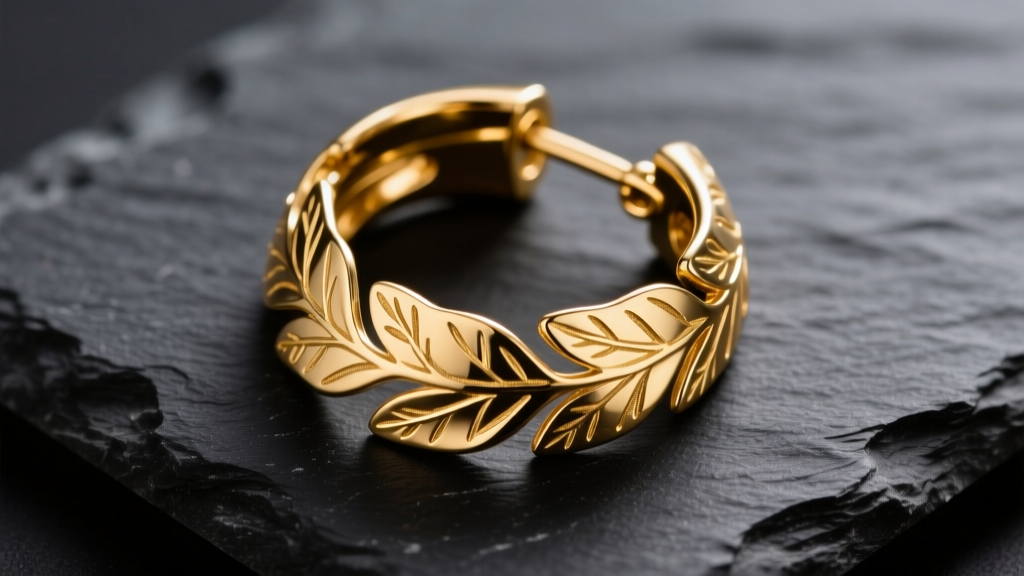
The botanical jewelry trend has cemented nature-inspired motifs as a staple in modern accessories, with leaf hoop earrings emerging as a definitive favorite. Combining the continuous, face-framing geometry of a classic hoop with the organic, intricate detailing of foliage, these earrings offer a versatile aesthetic that transitions seamlessly from daytime casual to evening elegance. However, the intricate veining and curved silhouettes of leaf hoops present unique structural challenges. The material you choose dictates not only the price point but the earring's tensile strength, resistance to tarnish, and long-term wearability.
In this comprehensive metallurgical guide, we break down the exact material properties, gauge requirements, and failure modes of the most common metals used in leaf hoop earrings, helping you make an informed, investment-grade purchase.
The Anatomy of Leaf Hoops: Why Material Dictates Drape
Unlike a simple, smooth wire hoop, a leaf hoop earring is a composite structure. It typically features a foundational hoop wire and an attached or integrated leaf motif. The leaf detailing is often achieved through metal stamping, lost-wax casting, or laser cutting. This dual-structure means the metal must possess two conflicting properties: spring-back memory for the hoop to maintain its circular shape and secure the clasp, and malleability to capture the delicate, microscopic veining of the leaf design.
If a metal is too soft, the hoop will warp into an oval, causing the latch-back or clicker closure to misalign. If the metal is too brittle, the delicate edges of the leaf motif will snap under minor pressure. Understanding the alloy composition is critical to balancing these demands.
Precious Metals: Solid Gold vs. Sterling Silver
14k and 18k Solid Gold: The Tensile Sweet Spot
According to the Gemological Institute of America (GIA), pure 24k gold is far too soft for functional jewelry. To create durable leaf hoop earrings, gold is alloyed with metals like copper, zinc, and silver.
- 14k Gold (58.5% Gold): This is the optimal choice for structural hoops. The higher percentage of alloy metals provides superior tensile strength, ensuring the hoop retains its perfect circle and the clasp remains secure. The leaf motifs cast in 14k gold hold sharp, crisp edges that resist smoothing out over years of friction.
- 18k Gold (75% Gold): While offering a richer, deeper yellow hue, 18k gold is noticeably softer. For leaf hoops with a diameter larger than 25mm, 18k gold risks warping. If you prefer 18k, opt for smaller huggie-style leaf hoops where the structural span is minimal.
Pricing Expectation: Solid 14k gold leaf hoops typically range from $250 to $600, depending on the weight and whether the leaf is hollow-cast or solid.
925 Sterling Silver and the Tarnish Trap
Sterling silver (92.5% silver, 7.5% copper) is a highly popular, accessible option for botanical jewelry. The copper alloy provides the necessary rigidity for the hoop. However, the deep, recessed crevices of a stamped leaf design act as moisture and sulfur traps. When exposed to ambient humidity and skin oils, the copper in the alloy reacts to form silver sulfide—the black tarnish that accumulates in the leaf veins.
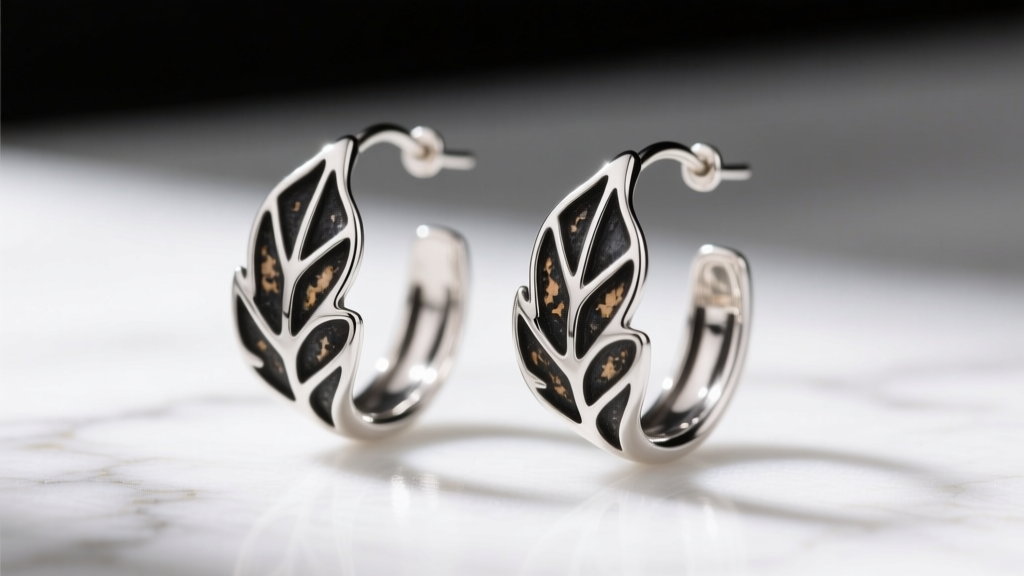
While some collectors appreciate this darkened patina for highlighting the botanical texture, those who prefer a bright finish will find that polishing the deep veins of a silver leaf hoop requires specialized tools, like ultrasonic cleaners or soft-bristled jeweler's brushes, as standard polishing cloths cannot reach the recessed stamping.
Plated and Filled Alternatives: Vermeil, Gold-Filled, and Brass
For those seeking the look of gold without the solid gold price tag, plated and filled metals are the standard market alternatives. However, their manufacturing processes drastically alter their lifespan, especially on high-friction items like hoops.
Gold Vermeil vs. Standard Plating
True gold vermeil requires a base of 925 sterling silver coated with a minimum of 2.5 microns of gold (usually 14k or 18k). This thickness provides a durable barrier against tarnish. Standard gold-plated brass, conversely, often features a "flash plating" of less than 0.5 microns. On leaf hoops, the friction of the clasp mechanism and the bending of the wire will wear through flash plating in a matter of months, exposing the reactive brass core.
The Brass Core Problem
Brass (an alloy of copper and zinc) is the most common base metal for budget botanical jewelry. When the plating wears off, the copper reacts with the acidity in your sweat, resulting in the notorious green oxidation on your earlobes. Furthermore, cheap brass alloys often contain trace amounts of nickel, a primary trigger for contact dermatitis.
| Material Type | Core Base | Surface Layer | Avg. Price Range | Estimated Lifespan |
|---|---|---|---|---|
| Solid 14k Gold | Gold Alloy | N/A | $250 - $600 | Lifetime |
| Gold Vermeil | 925 Silver | 2.5+ Microns Gold | $45 - $95 | 1 - 3 Years |
| Gold-Filled | Brass | 5% Gold by Weight | $35 - $70 | 3 - 5 Years |
| Gold-Plated Brass | Brass | Flash Plating (<0.5μm) | $15 - $30 | 3 - 6 Months |
Hypoallergenic & Alternative Metals for Sensitive Lobes
For wearers with nickel allergies or highly reactive piercings, the metal composition of the hoop wire—which passes directly through the fistula (piercing channel)—is a medical necessity, not just an aesthetic choice.
Implant-Grade Titanium (ASTM F136)
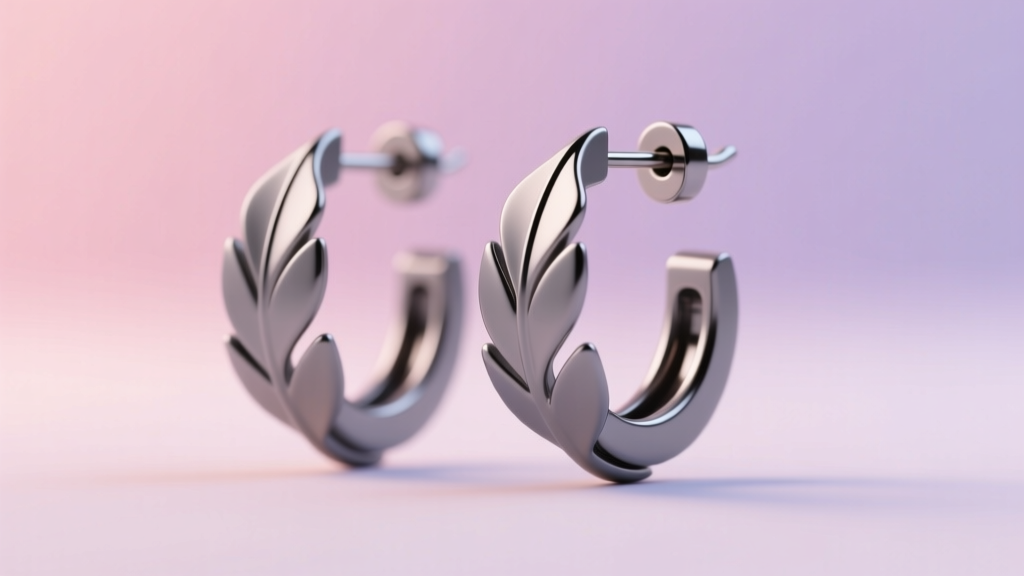
Titanium is the gold standard for hypoallergenic jewelry. Specifically, you should look for ASTM F136 compliant implant-grade titanium. This alloy contains zero nickel and is highly resistant to corrosion. The challenge with titanium leaf hoops is manufacturing: titanium has an extremely high melting point and is difficult to cast into intricate shapes. Therefore, titanium leaf hoops are usually CNC-machined or laser-cut from sheet metal, resulting in a flatter, more modern, geometric leaf silhouette rather than a deeply domed, cast botanical shape.
Niobium and the Surgical Steel Myth
Niobium is another excellent, highly reactive-free metal that can be anodized into stunning colors, though it is heavier than titanium. Conversely, "surgical steel" (often 316L stainless steel) is frequently marketed as hypoallergenic. This is a misnomer. 316L steel contains up to 10% nickel. While the nickel is tightly bound in the alloy, prolonged exposure to the acidic environment of a healing or sensitive piercing can cause leaching, leading to irritation bumps or allergic flare-ups.
Gauge Thickness and Structural Integrity
The visual weight and physical durability of leaf hoop earrings are heavily dictated by the wire gauge. In jewelry manufacturing, the lower the gauge number, the thicker the metal.
- 20-Gauge (0.81mm): Standard for lightweight, delicate lobe hoops. Offers minimal resistance to bending. Best for small-diameter (under 15mm) leaf huggies.
- 18-Gauge (1.02mm): The industry standard for most medium-sized hoops (20mm - 30mm). Provides an excellent balance of lightweight comfort and structural memory.
- 16-Gauge (1.29mm) & 14-Gauge (1.62mm): Reserved for heavy, statement-making botanical hoops or cartilage piercings. The thick wire provides immense durability but adds significant weight, which can stretch older or delicate earlobe piercings over time.
The structural integrity of a leaf hoop earring relies entirely on the tensile strength of its core wire. A beautifully stamped 22-gauge leaf motif will easily crumple if attached to an overly soft, high-karat hoop base.
Care Protocols by Material Type
Maintaining the intricate details of leaf hoops requires material-specific care routines. The Jewelers of America recommends avoiding harsh chemicals that can strip finishes or accelerate oxidation.
- Solid Gold & Titanium: Clean with warm water, a drop of mild dish soap, and a soft baby toothbrush to gently dislodge sebum and lotion from the leaf veins. Dry thoroughly with a microfiber cloth.
- Sterling Silver: Store in an anti-tarnish bag with silica gel packets. Use a specialized silver polishing dip only if the tarnish in the leaf crevices becomes severe, but rinse immediately to prevent chemical residue.
- Vermeil & Gold-Filled: Never use ultrasonic cleaners or abrasive polishing cloths, as these will strip the micron-thick gold layers. Wipe gently with a damp cloth and dry immediately. Always put plated hoops on after applying perfume and hairspray.
By understanding the metallurgical realities behind your jewelry, you can select a pair of leaf hoop earrings that not only captures the beauty of nature but withstands the rigors of daily wear.


