Gamecock Earrings: 2026 Value & Authenticity Guide
Discover the true value of gamecock earrings in 2026. We assess materials, gauge sizes, and licensed vs. artisan pricing for smart jewelry buyers.

The True Cost of Collegiate and Motif Fan Jewelry
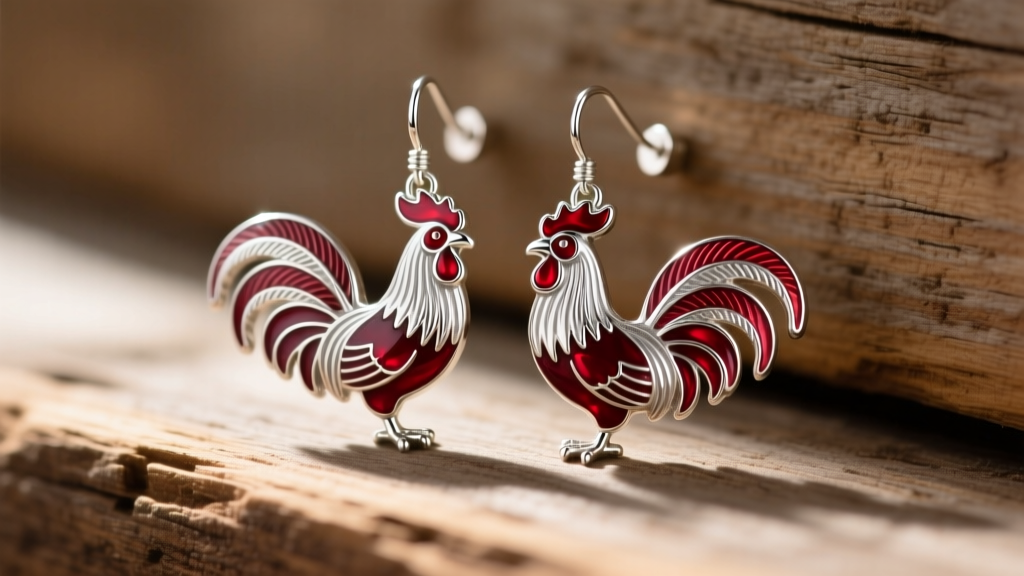
When it comes to expressing team loyalty or a love for bold, avian-inspired motifs, gamecock earrings are a staple accessory. However, the sports jewelry market is notoriously saturated with low-quality, mass-produced items that prioritize flashy logos over material integrity. In 2026, the price gap between authentic, well-crafted gamecock earrings and cheap stadium-kiosk knockoffs has widened significantly. As a buyer, you are often subjected to what industry insiders call the 'fan tax'—an artificial markup applied to officially licensed merchandise that does not always correlate with an upgrade in metallurgical quality.
To make an informed budget and value assessment, we must strip away the branding and examine the raw materials, structural integrity, and manufacturing processes that dictate the true worth of these earrings. Whether you are shopping for University of South Carolina collegiate gear or an artisan-crafted rooster motif, understanding these variables will save your wallet and your earlobes.
Material Breakdown: What Are You Actually Paying For?
The base metal of your earrings determines not only the price but also the biocompatibility and lifespan of the piece. Many budget-friendly gamecock earrings are cast from Zamak (a zinc alloy), which is prone to micro-porosity, tarnishing, and eventual structural snapping. Mid-tier options typically use brass with a rhodium flash, while premium pieces rely on solid .925 sterling silver or 14k gold. According to the Federal Trade Commission Jewelry Guides, manufacturers must adhere to strict metal stamping and plating disclosures, yet many imported fan accessories bypass these regulations entirely.
| Value Tier | Base Metal | Finish / Plating | Average Price Range | Expected Lifespan |
|---|---|---|---|---|
| Budget (Stadium Kiosk) | Zinc Alloy (Zamak) | Paint / Nickel-free wash | $12 - $24 | 1 - 3 Months |
| Mid-Tier (Licensed Retail) | Brass or Copper | Rhodium or Thin Gold Plate | $35 - $60 | 1 - 2 Years |
| Premium (Artisan / High-End) | .925 Sterling Silver | Heavy Gold Vermeil / Solid | $85 - $160+ | Lifetime (with care) |
When assessing value, a $45 pair of brass-based gamecock studs with thin rhodium plating is actually a poor investment compared to a $75 pair of solid sterling silver studs. The brass pair will inevitably oxidize once the plating wears through from contact with skin oils and sweat, leading to the dreaded 'green ear' effect and potential contact dermatitis.
The Enamel Equation: Cold Epoxy vs. Vitreous Glass
The vibrant garnet, black, and gold colors found on gamecock earrings are typically achieved through enamel work. However, not all enamel is created equal, and this is where budget manufacturers cut their most significant corners.
Cold Enamel (Epoxy Resin)
Over 80% of licensed sports earrings utilize cold enamel, which is essentially a hardened epoxy resin tinted with pigments. While cheap to produce and capable of bright, opaque colors, cold enamel is highly susceptible to UV degradation. If you wear your gamecock earrings to daytime tailgates regularly, the garnet resin will fade to a dull brownish-pink within a single season. Furthermore, epoxy shrinks slightly as it cures, often pulling away from the metal bezels and creating pockets where dirt and sweat accumulate.
Vitreous Enamel (Fused Glass)
Premium artisan gamecock earrings use vitreous enamel, a process where finely ground glass is fused to the metal base at temperatures exceeding 1,400°F (760°C). This creates a permanent, scratch-resistant bond that will never fade in the sun. When assessing a high-priced pair of gamecock drop earrings, demand confirmation of vitreous enamel; if the seller cannot verify the process, you are likely overpaying for colored resin.
The Gauge and Post Reality: A Structural Vulnerability
One of the most overlooked aspects of sports jewelry value is the earring post itself. Standard lobe piercings are typically 20-gauge (0.81mm) or 18-gauge (1.02mm). However, to save fractions of a cent per unit, mass-market gamecock earrings frequently use 22-gauge (0.64mm) or even 24-gauge wire for their posts.
Expert Warning: A 22-gauge post is structurally deficient for daily wear. It bends easily when inserting the butterfly backing, creating micro-abrasions inside the fistula (the piercing channel). Over time, this thin wire can cause the 'cheese-wire effect,' slowly migrating through the earlobe and causing permanent tissue tearing.
When evaluating value, physically inspect the post thickness or demand the gauge specification from the jeweler. A premium pair of gamecock earrings will feature an 18-gauge or 19-gauge post, often upgraded to a screw-back mechanism for security during active game-day environments. If the post feels flimsy or bends under light lateral pressure, the earrings fail the value assessment regardless of the brand name stamped on the backing.
Licensed Merchandise vs. Artisan Motifs
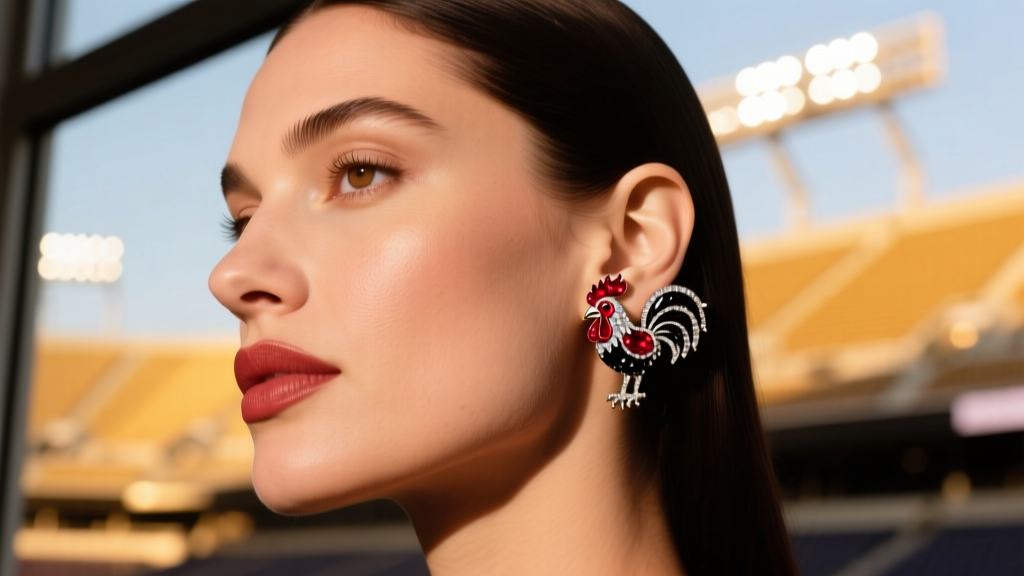
If you are specifically looking for University of South Carolina collegiate jewelry, you must navigate the licensing ecosystem. The Collegiate Licensing Company (CLC) manages these trademarks. Authentic, licensed gamecock earrings will feature a distinct holographic authenticity sticker on the packaging. While licensed goods guarantee trademark accuracy, they do not guarantee jewelry-grade materials. You are paying a 15% to 20% royalty premium that goes directly to the university, not into the quality of the metal.
Conversely, if you simply love the gamecock motif (the fighting rooster) and are not tied to collegiate branding, independent jewelers offer vastly superior value. Artisan metalsmiths on platforms like Etsy or specialized boutique sites frequently cast gamecock motifs in solid 14k gold or oxidized sterling silver, utilizing lost-wax casting techniques that capture intricate feather detailing impossible to achieve in cheap, rubber-molded mass production. For the same $60 price point, an unlicensed artisan piece will yield a heavier, more durable, and metallurgically sound accessory.
2026 Buyer's Checklist for Maximum Value
Before finalizing your purchase, run your prospective gamecock earrings through this strict value-assessment checklist:
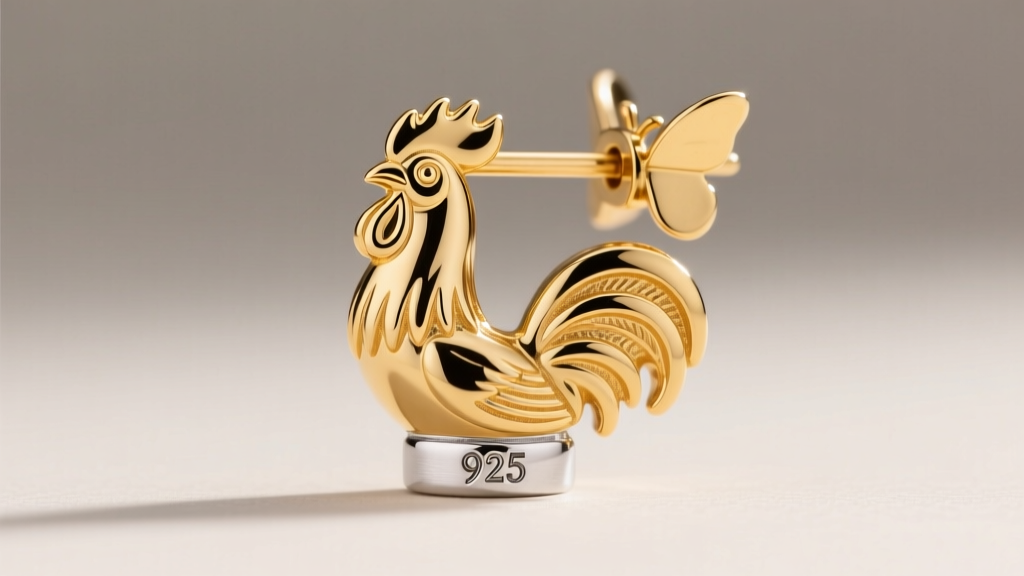
- Hallmark Verification: Look for the '925' stamp for sterling silver or '14k' for gold. If it says 'Tibetan Silver' or 'Alpaca', it is a copper-nickel alloy and holds zero intrinsic melt value.
- Weight Assessment: Quality castings have a distinct heft. If a pair of 1-inch gamecock drop earrings feels virtually weightless, they are hollow-cast or stamped from thin sheet metal, making them prone to crushing.
- Edge Finishing: Run your thumb over the spurs and comb details of the rooster motif. Budget pieces will have sharp, unfinished sprues (casting marks) that will snag on hair and clothing.
- Clasp Security: For dangles and hoops, ensure the ear wires are at least 20-gauge and feature a secure latch-back or silicone stopper, rather than a cheap, easily bent fish-hook wire.
Final Verdict
Gamecock earrings can be a fantastic expression of personal style or team pride, but only if you refuse to compromise on structural and metallurgical integrity. By shifting your budget away from cheap, licensed base-metal accessories and toward solid sterling silver or heavy vermeil pieces with vitreous enamel and 18-gauge posts, you secure a piece of jewelry that will survive countless seasons, tailgates, and daily wear without degrading. True value in fan jewelry is not found in the logo, but in the craftsmanship that carries it.


