Smoky Quartz Earrings Buying Guide: Quality & Style
Discover how to evaluate smoky quartz earrings. Learn about color grading, synthetic vs. natural stones, metal pairings, and setting durability.

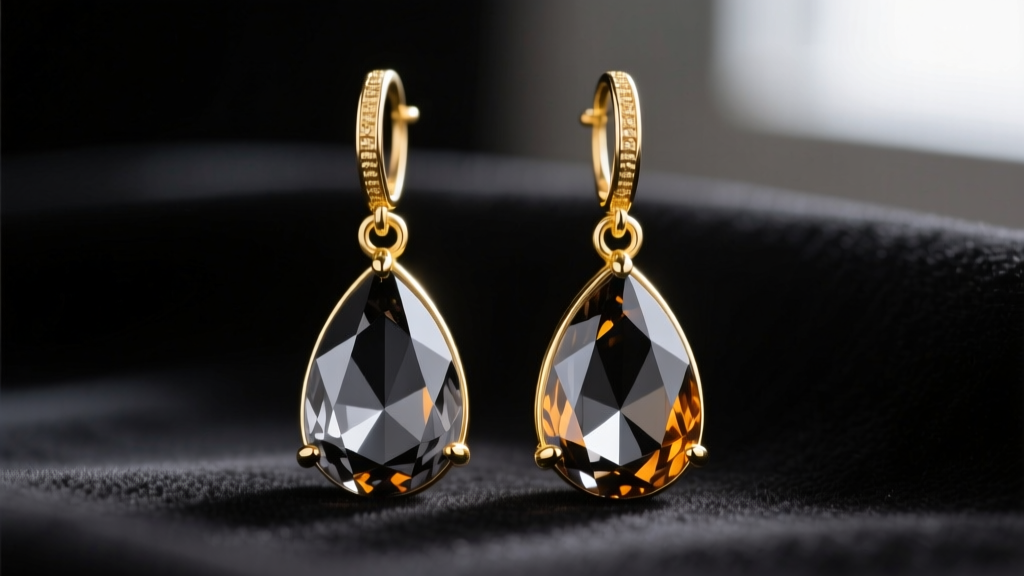
Smoky quartz earrings offer a sophisticated, earthy alternative to traditional clear diamonds or brightly colored gemstones. With their rich, translucent brown hues ranging from light champagne to deep espresso, these earrings provide a versatile elegance that transitions seamlessly from daytime office wear to evening events. However, not all smoky quartz is created equal. As a buyer, understanding the gemological nuances, treatment disclosures, and structural considerations of quartz jewelry is essential for making a sound investment. This comprehensive buying guide will walk you through exactly what to look for when selecting the perfect pair of smoky quartz earrings.
Understanding Smoky Quartz: Natural vs. Treated
The most critical factor when buying smoky quartz earrings is understanding the origin of the stone's color. Natural smoky quartz gets its brownish-black hue from natural irradiation interacting with aluminum impurities within the crystal lattice. However, because natural dark smoky quartz is relatively rare in large, clean sizes, the vast majority of commercial smoky quartz on the market today is actually colorless quartz that has been artificially irradiated in a laboratory.
According to the Gemological Institute of America (GIA), this synthetic gamma irradiation is a stable, permanent treatment that perfectly mimics the natural geological process. It does not make the stone radioactive or unsafe to wear. While treated smoky quartz is widely accepted in the jewelry industry and significantly more affordable, ethical jewelers should always disclose this treatment. If you are specifically seeking untreated, naturally irradiated smoky quartz, look for stones sourced from renowned locales such as the Cairngorm Mountains in Scotland (historically known as Cairngorm stone) or specific mines in Colorado and Brazil, and always request a gemological certificate.
Beware of synthetic hydrothermal quartz. While more common in the market for amethyst and citrine, lab-grown smoky quartz does exist. It will have identical chemical properties to natural quartz but lacks the microscopic natural inclusions that prove its earth-mined origin.
Evaluating Color, Clarity, and Cut
The Color Spectrum
Smoky quartz is pleochroic, meaning it can display different color intensities depending on the viewing angle. When evaluating earrings, look for stones with a rich, saturated brown that doesn't appear muddy or overly gray. The color scale generally falls into three categories:
- Light Champagne: A pale, golden-brown hue that catches the light beautifully and pairs well with rose gold.
- Medium Smoky Brown: The classic, highly sought-after translucent brown that offers the best balance of depth and brilliance.
- Morion: A trade term for smoky quartz that is so dark it appears nearly black and opaque. Morion earrings are striking but lack the internal fire of lighter stones.
Clarity and Inclusions
For faceted smoky quartz earrings, the standard expectation is "eye-clean" clarity, meaning no inclusions are visible to the naked eye. Because quartz is an abundant mineral, you should not have to pay a premium for eye-clean stones. However, if you are purchasing cabochon-cut smoky quartz, inclusions can actually add value.
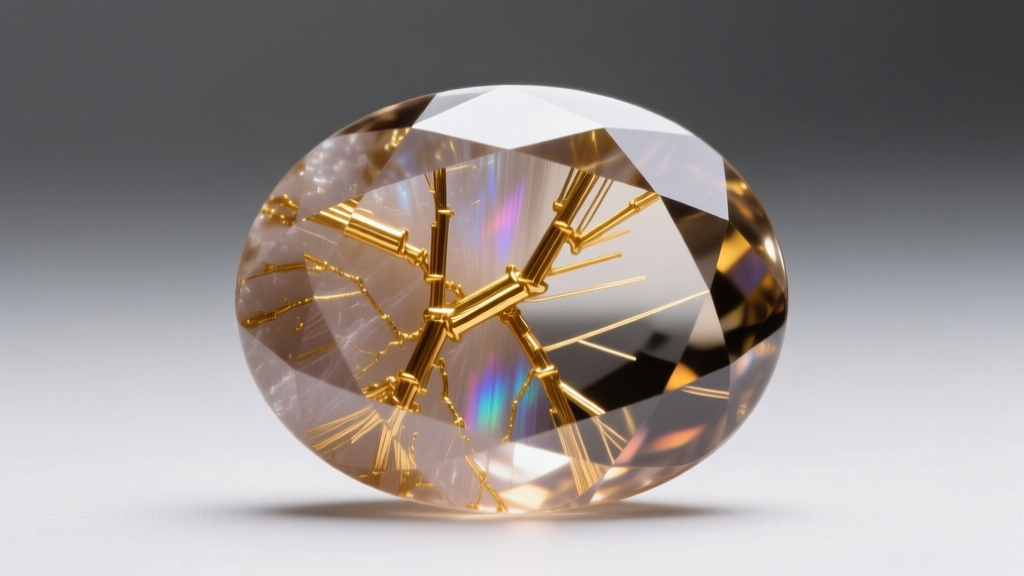 Stones featuring dense, parallel rutile needle inclusions can be cut to display a striking asterism (a star effect) or a cat's eye chatoyancy. As noted by mineralogical databases like Mindat.org, these natural rutile inclusions are highly prized by collectors and make for unique, one-of-a-kind statement earrings.
The Importance of Cut Quality
Because smoky quartz can sometimes absorb light and appear dark, the cut is paramount. Avoid stones with overly deep pavilions, which can cause "extinction" (dark, dead areas where no light returns). Brilliant cuts (like ovals, pears, and rounds) maximize light return and highlight the golden flashes within the brown body color. Step cuts (like emerald or baguette cuts) are excellent for showcasing the deep, moody color saturation of lighter champagne stones.
Best Metal Pairings and Setting Styles
The warm, earthy tones of smoky quartz interact differently with various metals. Choosing the right metal not only enhances the stone but also dictates the longevity of the earring.
| Metal Type | Aesthetic Synergy | Durability & Maintenance |
|---|---|---|
| 14k Yellow Gold | Enhances the warm, golden-brown undertones of champagne and medium smoky quartz. Creates a vintage, luxurious look. | Highly durable. Requires minimal maintenance beyond occasional polishing. |
| Rose Gold | Creates a soft, romantic contrast. The copper tones in rose gold beautifully complement lighter smoky quartz. | Durable, but the copper alloy can cause skin discoloration for those with high acidity sweat. |
| Sterling Silver (925) | Provides a stark, modern contrast that makes dark Morion stones pop. Excellent for bohemian or edgy styles. | Prone to tarnishing. Look for rhodium-plated silver to prevent oxidation and reduce maintenance. |
| Oxidized Silver | Amplifies the moody, gothic, or antique vibe of dark smoky quartz. Ideal for artisan and custom designs. | The dark patina is intentional but can wear off on high-friction areas over time. |
Setting Styles: Smoky quartz ranks at a 7 on the Mohs hardness scale. While this makes it reasonably scratch-resistant, it lacks cleavage and is brittle, meaning it can chip if struck against a hard surface. For everyday stud earrings, a bezel setting is highly recommended as it wraps the metal entirely around the girdle, protecting the vulnerable edges. For occasional-wear drop or dangle earrings, prong settings are acceptable and preferable for maximizing light entry.
Gauge, Weight, and Ear Placement Considerations
One of the most significant advantages of smoky quartz for earring design is its specific gravity. Quartz has a specific gravity of approximately 2.65, making it significantly lighter than cubic zirconia (5.6 to 6.0) or glass. This means jewelers can create large, dramatic, oversized smoky quartz drop earrings that remain comfortable for all-day wear without stretching the earlobe.
Lobe vs. Cartilage Sizing
When purchasing, pay close attention to the post or wire gauge, especially if you have sensitive or newly healed piercings.
- Standard Lobe Piercings: Most smoky quartz studs and lightweight drops will feature a 20-gauge (0.8mm) or 18-gauge (1.0mm) post. If you are buying heavy, oversized smoky quartz dangles, ensure the wire is at least 18-gauge to prevent bending, and always use a secure silicone earring back or a French wire with a sturdy latch.
- Cartilage and Helix Piercings: Cartilage piercings typically require a thicker 16-gauge (1.2mm) post. If you want to wear smoky quartz in your cartilage, look for specialized flat-back labret studs or 16g clicker rings featuring small, bezel-set smoky quartz cabochons. Avoid heavy dangles in cartilage piercings, as the weight can cause migration or tearing.
Pricing Tiers and What to Expect
Smoky quartz is an affordable gemstone, meaning your budget should primarily reflect the quality of the metal and the craftsmanship of the setting rather than the stone itself.
- Budget Tier ($25 - $60): Expect sterling silver settings, standard commercial cuts, and irradiated stones. These are excellent for trendy, seasonal fashion jewelry.
- Mid-Range Tier ($75 - $200): This tier offers solid 10k or 14k gold, intricate custom cuts, and high-quality melee diamond accents. You will find excellent designer pieces and durable everyday earrings in this range.
- Premium Tier ($250+): Reserved for solid 18k gold, platinum settings, naturally untreated stones with provenance (like Scottish Cairngorm), or high-jewelry pieces featuring complex star quartz cabochons and exceptional artisan metalwork.
Care and Maintenance for Longevity
While smoky quartz is durable, prolonged exposure to intense, direct sunlight can cause the color of both natural and irradiated stones to fade over time. When not wearing your smoky quartz earrings, store them in a dark jewelry box or a soft pouch. To clean them, avoid ultrasonic cleaners, especially if the stone has liquid inclusions or surface-reaching fractures, as the vibrations can cause the stone to shatter. Instead, use a simple solution of warm water and mild dish soap. Gently scrub the back of the stone (the pavilion) with a soft-bristled baby toothbrush to remove lotion and skin oil buildup, which can quickly dull the stone's brilliance. Rinse thoroughly and dry with a lint-free microfiber cloth.
Expert Tip: If your smoky quartz earrings are set in oxidized silver, never use liquid silver dips or harsh polishing cloths, as these will strip the intentional dark patina from the metal crevices. Stick to mild soap and water.
By understanding the interplay of color, cut, metal pairing, and structural weight, you can confidently select a pair of smoky quartz earrings that are not only visually captivating but also built to last a lifetime.


