Locket Earrings for Beginners: Sizing, Hinges, and Styling Tips
Discover everything about locket earrings: from gauge sizing and weight limits to hinge mechanics and photo insertion tips for beginners.

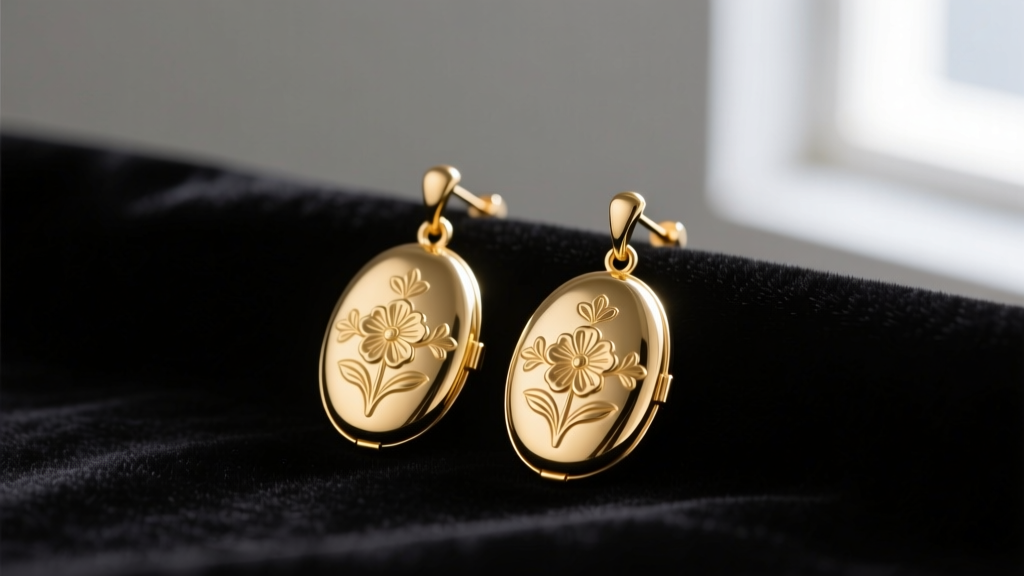
The Resurgence of Sentimental Jewelry
Locket earrings are far more than a nostalgic throwback; they are a sophisticated intersection of personal storytelling and wearable art. Unlike standard studs or hoops, locket earrings introduce complex mechanical elements—hinges, clasps, and hollow chambers—that directly impact how they sit on your earlobe. For beginners, the appeal of keeping a tiny photograph or meaningful keepsake close to your face is undeniable. However, navigating the structural realities of these pieces requires a solid understanding of jewelry mechanics, weight distribution, and material grades.
This comprehensive guide will walk you through the exact specifications you need to know before purchasing your first pair of locket earrings, ensuring they are as comfortable as they are meaningful.
The Anatomy of a Locket Earring (and Why It Matters)
To understand how a locket earring wears on the ear, you must first understand its construction. A standard locket consists of three primary components: the casing (the outer shell), the hinge mechanism, and the ear wire or post. The point where these elements meet dictates the earring's lifespan and comfort.
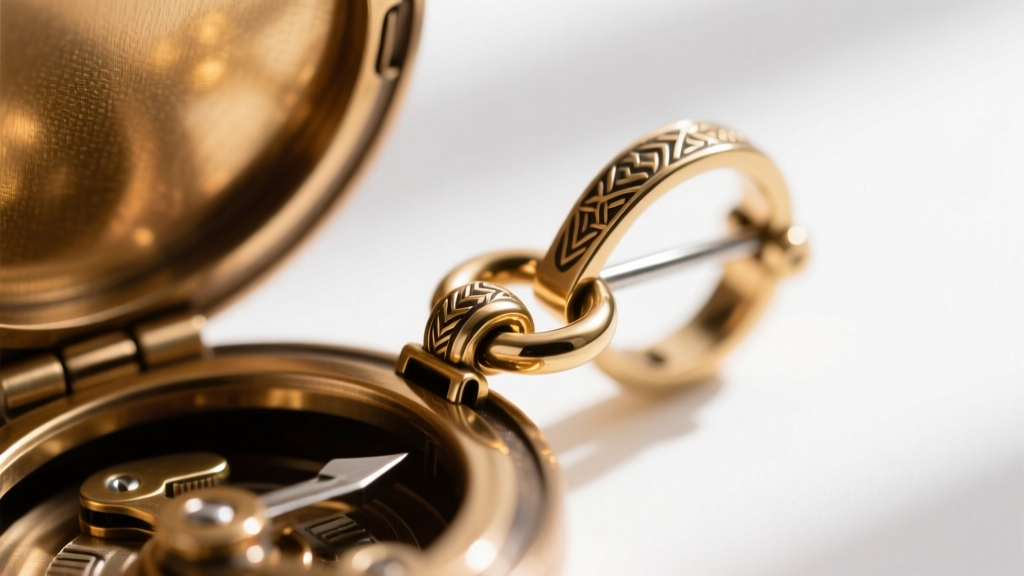
Hinge and Clasp Mechanics
The most common failure point in any locket jewelry is the hinge. High-quality locket earrings utilize a multi-knuckle hinge secured by a friction-fitted steel pin. Cheaper, mass-produced alternatives often use a simple soldered butt-joint hinge, which is highly prone to snapping under the lateral torque caused by everyday movement. When inspecting a locket earring, look for a hinge that opens smoothly without lateral wobble. The clasp (the 'snap' that keeps it closed) should rely on a tiny internal tension tab. If this tab flattens over time, the locket will swing open, risking the loss of your keepsake.
Sizing, Weight, and Gauge: Avoiding the 'Heavy Ear' Syndrome
The most frequent mistake beginners make is underestimating the weight of a locket. Because lockets require two layers of metal (front and back plates) plus a hollow interior, they are inherently heavier than solid cast earrings of the same visual size.
Understanding Earlobe Weight Tolerances
A standard, un-stretched earlobe piercing can comfortably support between 5 to 7 grams of weight for prolonged daily wear. Anything exceeding 10 grams will eventually cause the piercing to stretch, migrate, or tear—a phenomenon known in the piercing community as the 'cheese-cutter effect.' Furthermore, standard earlobe piercings are typically 20-gauge (0.81mm) or 18-gauge (1.02mm). If a heavy locket is hung on a thin 22-gauge wire, the wire will slice into the tissue.
| Locket Diameter | Average Weight | Recommended Ear Wire | Best For |
|---|---|---|---|
| 10mm - 12mm (Petite) | 2.5g - 4.5g | Standard 20G Post or French Wire | Everyday wear, sensitive lobes |
| 15mm - 18mm (Medium) | 6.0g - 9.0g | 18G French Wire with Silicone Disc | Occasional wear, statement styling |
| 20mm+ (Large/Oversized) | 10.0g - 15.0g+ | Leverback or Omega Clip with Padding | Short-term wear, photoshoots, events |
Pro Tip: If you own a pair of medium-to-large locket earrings, invest in silicone earring support discs. These slide onto the post behind your earlobe, distributing the weight across a wider surface area and preventing downward drooping.
Material Grades: What Touches Your Skin vs. The Outer Shell
When shopping for locket earrings, you must differentiate between the material of the post/hook (which enters the body) and the casing (which hangs outside). According to the Association of Professional Piercers (APP), only specific biocompatible metals should be worn inside a piercing.
The Post/Hook (Internal)
- Implant-Grade Titanium (ASTM F136): The gold standard for sensitive ears. Lightweight, hypoallergenic, and completely nickel-free.
- 14k or 18k Solid Gold: Excellent for healed piercings, provided it is alloyed for jewelry (avoiding high nickel content).
- Surgical Steel (316L): Acceptable for fully healed piercings, though it contains trace amounts of nickel that may trigger reactions in highly sensitive individuals.
The Casing (External)
The outer shell does not need to be implant-grade, but it must resist tarnishing and skin discoloration. As noted in research by the Gemological Institute of America (GIA), base metals like brass and copper can react with the natural acids in your sweat, leaving a green or black residue on your skin. If you are buying gold-toned locket earrings, ensure they are at least heavy gold electroplated (vermeil) over sterling silver, rather than flash-plated over brass, to ensure the outer casing doesn't degrade and stain your neck or jawline.
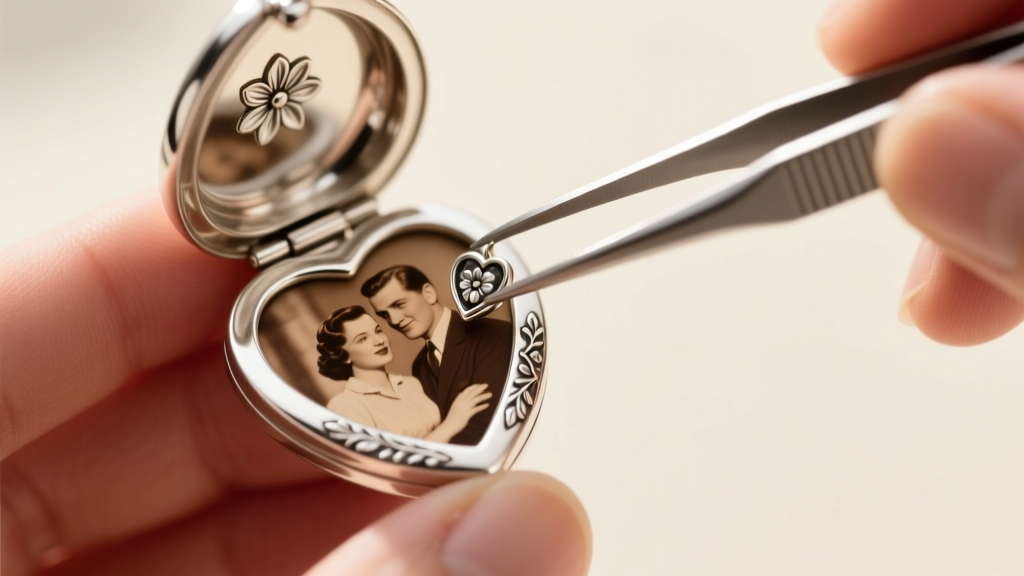
How to Insert Photos Without Ruining the Locket
Beginners often ruin their locket earrings by using liquid glues or forcing thick paper into the bezel. Moisture from liquid glue can warp the metal or permanently cloud the interior, while thick cardstock will prevent the hinge from closing, bending the tension tab.
The Archival Insertion Method
- Trace and Cut: Place the open locket face-down on a piece of thin tracing paper or archival photo paper. Trace the inner border with a fine pencil, then cut the image out using micro-scissors.
- Use Archival Tape: Never use superglue or standard tape. Apply a tiny dot of acid-free, double-sided scrapbooking tape to the back of the photo. This prevents chemical degradation of the image over time.
- The Friction Fit: Many high-end lockets feature a tiny internal rim (a bezel). Use a wooden cuticle stick or plastic tweezers to gently press the photo under this rim. Avoid metal tools, which will scratch the interior plating.
Styling Frameworks: Balancing Proportions
Because locket earrings carry visual 'weight' due to their thickness and intricate engravings, they require strategic styling to balance your facial features.
Face Shape Considerations
- Round Faces: Opt for elongated, oval, or teardrop-shaped lockets that hang from a short chain drop. This creates a vertical line that visually lengthens the face.
- Square/Jaw-Heavy Faces: Choose circular or soft-edged heart lockets. The curved geometry softens sharp jawlines and draws the eye inward.
- Long/Oval Faces: Geometric lockets (hexagons, squares, or wide ovals) worn as close to the earlobe as possible (stud-style lockets) add horizontal width and balance facial proportions.
Troubleshooting Common Locket Earring Issues
'A locket earring is a tiny mechanical device. Treat it with the same care you would a miniature watch, and it will hold your memories securely for decades.'
- Issue: The locket won't stay snapped shut.
Fix: The internal tension tab has flattened. Use a sewing needle to very gently pry the tiny metal tab on the inner rim upward by a fraction of a millimeter to restore the 'snap' tension. - Issue: The earring droops forward on the earlobe.
Fix: The center of gravity is too far forward. Swap the standard butterfly backing for a wider, flat silicone disc, or switch to a French wire with a heavier decorative back to counterbalance the front weight. - Issue: The hinge is stiff or squeaking.
Fix: Do not use WD-40 or household oils, which will attract dust and gunk. Apply a microscopic drop of synthetic watchmaker's oil to the hinge pin using a toothpick, then open and close the locket 20 times to work it in.
Final Thoughts for the Beginner Collector
Locket earrings are a beautiful, deeply personal addition to any jewelry collection. By prioritizing proper gauge sizing, respecting the weight limits of your earlobes, and utilizing safe photo-insertion techniques, you can ensure your sentimental pieces remain both structurally sound and visually stunning. Start with a petite, 12mm sterling silver or titanium option to test your comfort levels before graduating to larger, more ornate heirloom pieces.


