Long Feather Earrings: 2026 Budget & Value Guide
Discover the true cost of long feather earrings in 2026. We assess budget tiers, material longevity, and hardware value to help you buy smart.

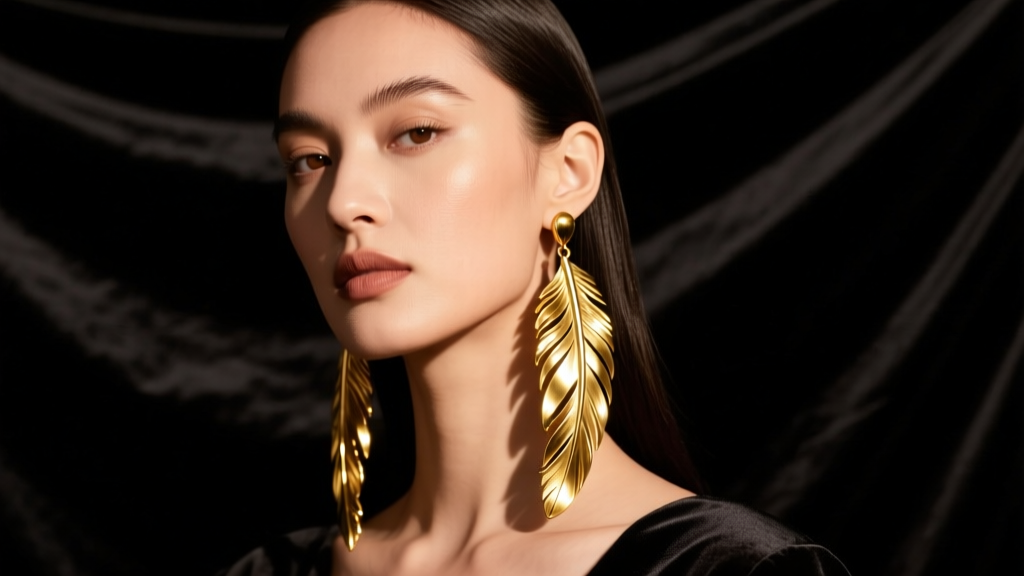
The Anatomy of Value: What Are You Actually Paying For?
Long feather earrings have transitioned from a niche bohemian staple to a mainstream high-fashion statement, dominating runways and street style alike. However, as the market floods with options ranging from $12 fast-fashion knockoffs to $400 artisan-crafted pieces, determining true value has become increasingly complex for the modern consumer. When evaluating long feather earrings, you are not just paying for the aesthetic; you are paying for material integrity, weight distribution engineering, and hardware longevity. A poorly constructed long earring is not just a wasted purchase—it is a liability to your earlobe health.
In this comprehensive 2026 budget and value assessment, we deconstruct the pricing tiers of long feather earrings. We will examine the hidden costs of cheap manufacturing, the physics of earring gauge sizes, and how to identify pieces that offer a genuine return on investment through cost-per-wear and material durability.
Material Tiers: Natural vs. Cast Metal vs. Enamel
The core material of the 'feather' element dictates the baseline price, maintenance requirements, and overall lifespan of the jewelry. Understanding these categories is the first step in assessing whether a price tag is justified.
| Material Category | Typical Price Range | Primary Materials | Lifespan & Durability | Value Proposition |
|---|---|---|---|---|
| Natural Feathers | $15 - $60 | Pheasant, Ostrich, Guineafowl | 1-3 Years (Fragile) | High visual impact, low longevity. Best for occasional wear. |
| Stamped/Cast Metal | $45 - $180 | Brass, Sterling Silver, Bronze | 5-15+ Years | Excellent daily wear. High value if PVD coated or solid silver. |
| Enamel/Cloisonné | $70 - $250 | Gold Vermeil, Vitreous Enamel | 10+ Years (If cared for) | Artisan investment pieces. High cost-per-wear if worn frequently. |
When purchasing natural feathers, ethical sourcing is a major value driver. Reputable artisans source molted feathers or adhere to CITES (Convention on International Trade in Endangered Species) regulations. If a vendor cannot verify the origin of exotic plumes, the low price reflects unethical harvesting, which diminishes the piece's intrinsic value. According to the Gemological Institute of America (GIA), organic materials in jewelry require strict provenance to maintain resale and heirloom value.
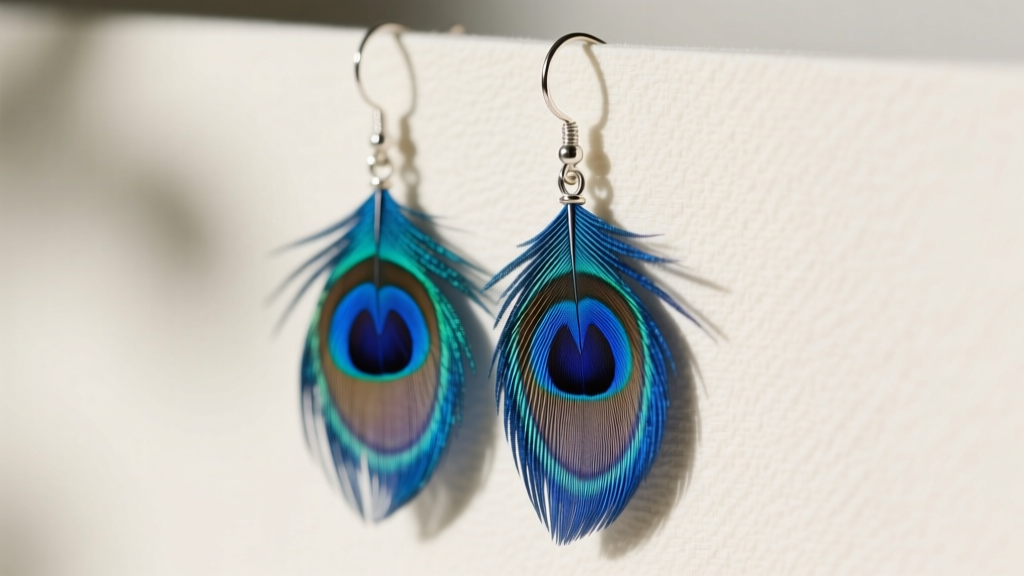
The Hidden Costs: Hardware, Gauge, and Earlobe Health
The most critical failure point in long feather earrings is not the feather itself, but the hardware connecting it to your ear. Long earrings act as pendulums. Every time you turn your head, kinetic energy transfers down the shaft of the earring, creating a lever effect that concentrates immense pressure on the bottom of your piercing fistula.
The 'Cheese-Cutter' Effect and Wire Gauge
Budget manufacturers typically use 22-gauge or 20-gauge wire for their hooks and posts to save on metal costs. When a heavy, 3-inch cast-metal feather hangs from a 22-gauge wire, the thin metal will slowly slice through the earlobe tissue—a phenomenon dermatologists refer to as the cheese-cutter effect. The American Academy of Dermatology frequently warns against the prolonged use of heavy, thin-gauge jewelry, noting that it leads to irreversible earlobe stretching, migration, and eventual tearing.
The Value Fix: For any long feather earring exceeding 2 inches in length or 10 grams in weight, the hardware must be a minimum of 18-gauge (1.0mm), preferably 16-gauge (1.2mm). Furthermore, the jump rings connecting the feather to the hook must be soldered shut. If you can see a gap in the jump ring, the earring will eventually pull apart under its own swinging weight.
2026 Pricing Matrix: Budget, Mid-Range, and Artisan
Market shifts in 2026 have redefined what constitutes a 'fair' price. With fluctuations in the cost of raw brass and silver, understanding the current pricing matrix is essential for spotting inflated markups versus genuine craftsmanship.
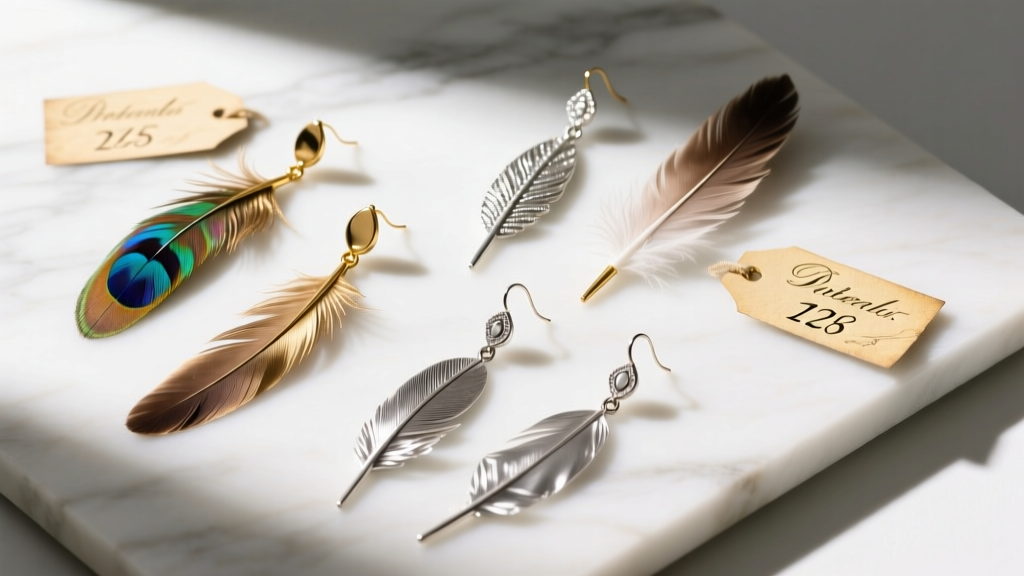
- The Budget Tier ($12 - $35): Typically features natural feathers glued into cheap alloy caps, or thin brass stamped feathers with flash electroplating. Flash plating wears off within 3 to 6 months, exposing the base metal which will oxidize and turn your skin green. Verdict: Low value. Treat as disposable costume jewelry.
- The Mid-Range Tier ($45 - $95): The sweet spot for value. Look for brass bases coated in PVD (Physical Vapor Deposition) gold. PVD bonding is exponentially more durable than traditional electroplating, resisting sweat and friction for up to a decade. Hardware usually upgrades to 18-gauge stainless steel or sterling silver. Verdict: High value. Ideal for frequent wearers.
- The Artisan/Fine Tier ($120 - $300+): Features solid 925 sterling silver or 14k gold-filled components, hand-carved wax castings, and vitreous enamel work. As noted by Vogue Jewelry, independent designers in this tier are focusing heavily on modular designs—allowing the heavy feather dangle to be detached from a simple stud for versatile wear. Verdict: Investment value. High cost-per-wear but heirloom quality.
Failure Modes to Avoid: A Buyer's Troubleshooting Guide
Before adding a pair of long feather earrings to your cart, cross-reference the product details against these common manufacturing failures:
- Glue Degradation on Natural Feathers: If the feather is secured into a metal cone cap with visible adhesive, avoid it. Body heat and humidity will dissolve cheap cyanoacrylate glues within a year. Look for crimped metal caps or wire-wrapping.
- Open Jump Rings: As mentioned, unsoldered jump rings will warp under the pendulum weight of a long feather, leading to lost earrings.
- Friction Backs on Heavy Posts: If the long feather is on a straight post rather than a hook, a standard butterfly friction back will fail. The earring will droop and eventually fall out. Insist on locking ear nuts or screw-backs for post-style long feathers.
- Unsealed Enamel: In cloisonné feather designs, ensure the enamel is kiln-fired vitreous glass, not cold epoxy resin. Resin yellows and chips; glass remains vibrant indefinitely.
"True jewelry value is not just about the intrinsic cost of the metal; it is about the engineering of the piece. A beautifully cast feather earring is worthless if the hardware destroys your piercing." — Independent Jewelry Fabricator
How to Assess Value Before You Buy: The 4-Point Checklist
Use this rapid assessment framework when shopping online or in-store to ensure your budget is allocated toward quality:
- Weight Check: Ask for the exact gram weight. If it is over 12 grams per ear, verify the gauge thickness and clasp security.
- Finish Verification: Look for the terms 'PVD Coated', 'Rhodium Plated', or 'Solid'. Avoid vague terms like 'Gold Tone' or 'Silver Plated'.
- Clasp Mechanics: French wire hooks are traditional but insecure for heavy pieces. Leverback hooks or huggie-style clickers offer vastly superior security and distribute weight more evenly across the cartilage or lobe.
- Storage Protocol: High-value natural feather earrings require specialized storage (cedar boxes to prevent moth damage). If you lack the storage infrastructure, pivot your budget toward cast metal alternatives.
Final Verdict: Are Long Feather Earrings Worth the Investment?
Long feather earrings remain a powerful tool for silhouette manipulation, drawing the eye downward and elongating the neck. However, the budget tier ($15-$35) is largely a trap of planned obsolescence, plagued by failing glues, toxic base metals, and earlobe-damaging thin wires. The true value in 2026 lies squarely in the mid-range and artisan tiers ($50-$150). By investing in PVD-coated metals, 18-gauge hardware, and soldered connections, you secure a piece that not only elevates your style but respects the physical integrity of your piercings. Assess the engineering, not just the aesthetic, and your investment will pay dividends in both longevity and wearability.


