Cat With A Pearl Earring Earrings: Material Guide
Discover the best metals and pearl types for cat with a pearl earring earrings. Compare durability, pricing, and hypoallergenic properties.

The Intersection of Fine Art and Feline Whimsy
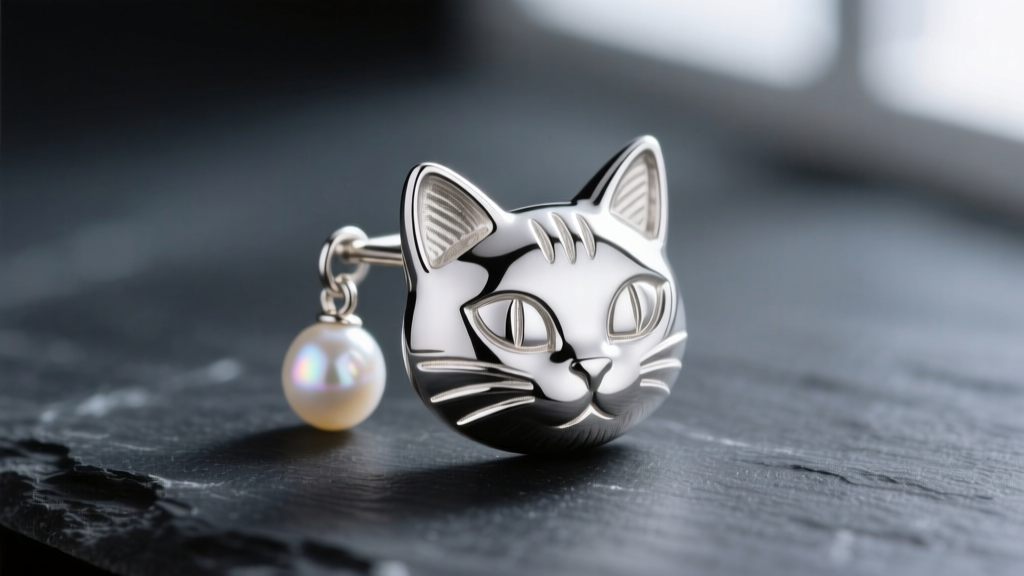
The "cat with a pearl earring" motif—a playful, feline-centric homage to Johannes Vermeer’s 1665 masterpiece—has evolved from a viral internet aesthetic into a permanent staple of artisan and novelty jewelry. Whether rendered as a minimalist silhouette stud or an intricately cast three-dimensional dangle, this specific design archetype presents unique challenges in jewelry manufacturing. Unlike simple geometric studs, the asymmetrical weight distribution of a feline face paired with a spherical pearl element places distinct mechanical stress on the earlobe piercing.
As consumers in 2026 become increasingly educated about metallurgy and gemological authenticity, the demand for high-quality novelty jewelry has surged. A poorly cast base metal or a flaking imitation pearl can quickly degrade what should be a charming accessory. This comprehensive guide dissects the material science, structural mechanics, and gemological properties you must evaluate when investing in this specific motif, ensuring your jewelry is as durable as it is whimsical.
Base Metal Comparison: Casting the Feline Form
The method used to shape the cat's face—complete with delicate whiskers, pointed ears, and textured fur—relies heavily on the chosen metal's melting point and fluidity. According to manufacturing standards outlined by Rio Grande Jewelry Supply, the alloy composition directly impacts both the level of detail achievable and the long-term biocompatibility of the earring against human skin.
Sterling Silver (925) and the Copper Conundrum
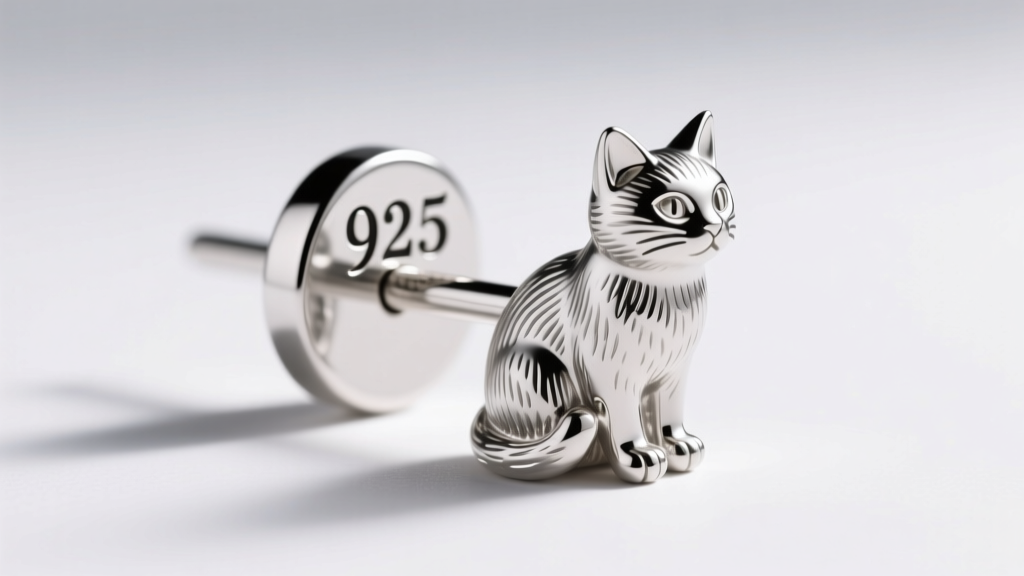
Sterling silver is the most common premium material for this motif. Composed of 92.5% pure silver and 7.5% copper, this alloy provides the necessary hardness for intricate lost-wax casting (cire perdue). The copper allows the molten silver to flow into the finest details of a master jeweler's wax mold, capturing individual fur textures. However, the copper content makes sterling silver susceptible to oxidation. When exposed to sulfur compounds in the air and the natural pH of human sebum, the copper reacts to form silver sulfide, resulting in a dark tarnish that can accumulate in the crevices of the cat's facial features. Regular polishing with a treated jeweler's cloth is required to maintain the 925 hallmark's brilliance.
Solid Brass and the Galvanic Skin Response
Fast-fashion retailers frequently utilize solid brass (an alloy of copper and zinc) for novelty earrings due to its low cost and excellent casting properties. While brass can be heavily plated with rhodium or gold to mimic precious metals, the underlying material poses a significant risk for sensitive ears. When the plating wears thin on the earring post, the exposed copper reacts with the fatty acids and chloride in human sweat to form copper chelates. This chemical reaction leaves a distinct green stain on the epidermis and can trigger contact dermatitis in individuals with metal sensitivities.
Implant-Grade Titanium (ASTM F136)
For those with severe nickel or copper allergies, ASTM F136 implant-grade titanium is the gold standard. Titanium is entirely hypoallergenic and highly resistant to corrosion. However, titanium's extremely high melting point makes traditional lost-wax casting difficult and expensive. Consequently, titanium "cat with a pearl earring" designs are typically CNC-milled or die-stamped, resulting in flatter, more geometric feline profiles rather than highly textured 3D sculptures.
Material Properties and Pricing Matrix
When evaluating your options, use the following data table to compare the structural and financial properties of the most common base metals used in this specific jewelry category.
| Metal Alloy | Composition | Tarnish Resistance | Casting Detail | Avg. Price Range |
|---|---|---|---|---|
| Sterling Silver (925) | 92.5% Ag, 7.5% Cu | Moderate (Requires polishing) | Exceptional (High fluidity) | $45 - $120 |
| Solid Brass | Cu & Zn Alloy | Poor (Oxidizes skin) | Excellent (Intricate molds) | $12 - $35 |
| Surgical Steel (316L) | Fe, Cr, Ni, Mo | High (Passive oxide layer) | Good (Often cast or stamped) | $20 - $50 |
| Titanium (ASTM F136) | Grade 23 Ti Alloy | Exceptional (Inert) | Low (Usually CNC/Stamped) | $60 - $150 |
The Pearl Itself: Nacre vs. Imitation
The defining feature of this motif is, naturally, the pearl. Whether nestled against the cat's sculpted earlobe or dangling below it, the material composition of the pearl dictates the earring's weight, luster, and longevity. The Gemological Institute of America (GIA) classifies pearls into distinct categories based on their formation and chemical makeup, which directly applies to jewelry sourcing.
Freshwater Cultured Pearls (The Premium Standard)
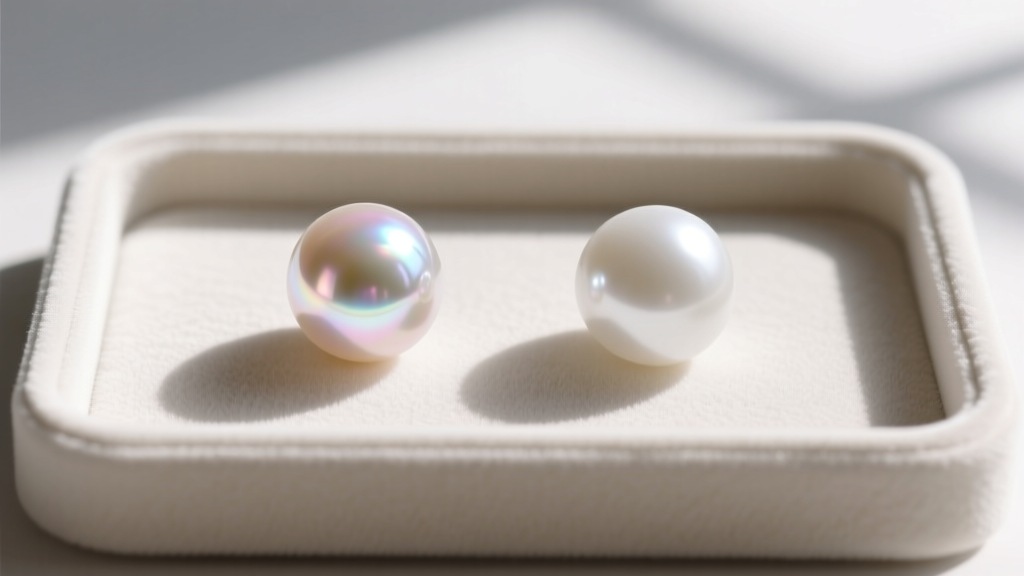
High-end artisan pieces utilize genuine freshwater cultured pearls. Unlike saltwater pearls that feature a mother-of-pearl bead nucleus, modern freshwater pearls are composed entirely of nacre (crystalline calcium carbonate bound by the organic protein conchiolin). This solid nacre structure gives them a deep, luminous orient and a Mohs hardness of 2.5 to 3.0. A standard 5mm freshwater pearl used in these earrings weighs approximately 0.12 grams, providing an authentic, luxurious drape without overburdening the earlobe.
Crystal Pearls and Glass Coatings
Many mid-tier designers opt for high-quality crystal pearls (such as those historically produced by Swarovski). These are manufactured using a dense glass core that is repeatedly dipped in a proprietary pearlescent coating. While they offer a flawless, uniform surface and a brilliant luster, their specific gravity is significantly higher than that of natural nacre. A 5mm glass pearl can weigh up to 0.22 grams—nearly double the weight of its organic counterpart. This added mass is a critical factor in the structural integrity of the earring post.
Resin and Acrylic Imitations (The Budget Trap)
Mass-produced novelty earrings often rely on molded resin or acrylic beads painted with a mica-based pearlescent spray. While extremely lightweight, resin pearls possess a Mohs hardness of roughly 1.5 to 2.0, making them highly susceptible to micro-scratches from daily handling. Over time, the painted coating chips away at the drill hole where the metal wire loops through, revealing the dull plastic core beneath and irreparably ruining the illusion of the Vermeer homage.
Post Gauge and Clutch Mechanics: Preventing the Droop
The most common failure mode for the "cat with a pearl earring" design is the forward droop. Because the pearl element often hangs slightly below or to the side of the cat's face, it creates a pendulum effect. If the earring post is too thin, the constant torque of gravity and head movements will permanently bend the metal.
"In asymmetrical novelty studs, the post gauge is just as critical as the metal purity. A standard 22-gauge post simply cannot withstand the lateral torque of a heavy glass pearl over time."
- 22-Gauge (0.64mm): Common in cheap imports. Highly prone to bending if paired with glass or heavy crystal pearls. Avoid this gauge for dangling motifs.
- 20-Gauge (0.81mm): The industry standard for quality studs. Provides sufficient rigidity for genuine freshwater pearls and lightweight silver cat faces.
- 18-Gauge (1.02mm): Recommended for heavy, three-dimensional brass or silver cat faces paired with large (8mm+) glass pearls. Note that 18G posts may require gentle insertion into newer, tighter piercings.
Furthermore, the friction clutch (the earring back) must be upgraded. Standard butterfly backs often slip down thin posts when subjected to the pendulum weight of a dangling pearl. For this specific motif, always seek out jumbo silicone disc backs or secure locking screw-backs to maintain the earring's forward-facing profile throughout the day.
Long-Term Care and Maintenance
Cleaning a figurative earring requires a nuanced approach, as the chemicals used to polish metals will destroy organic gemstones. Never place a "cat with a pearl earring" piece in an ultrasonic cleaner; the high-frequency vibrations will shatter the delicate nacre layers of a freshwater pearl and strip the coating off glass imitations.
Instead, use a specialized silver polishing cloth to gently buff the metallic feline features, carefully avoiding the pearl. If the pearl accumulates oils from skin and hair, wipe it gently with a microfiber cloth dampened with distilled water and a drop of pH-neutral castile soap. Always store these earrings in an anti-tarnish ziplock bag with a silica gel packet to absorb ambient moisture, ensuring the silver remains bright and the pearl retains its moisture-dependent luster for decades to come.


