Heavy Drop Troubleshooting: The Earrings of Madame de 1953
Solve lobe sagging and clasp issues with heavy statement drops inspired by the iconic cinematic jewels of Madame de 1953. Expert repair tips.

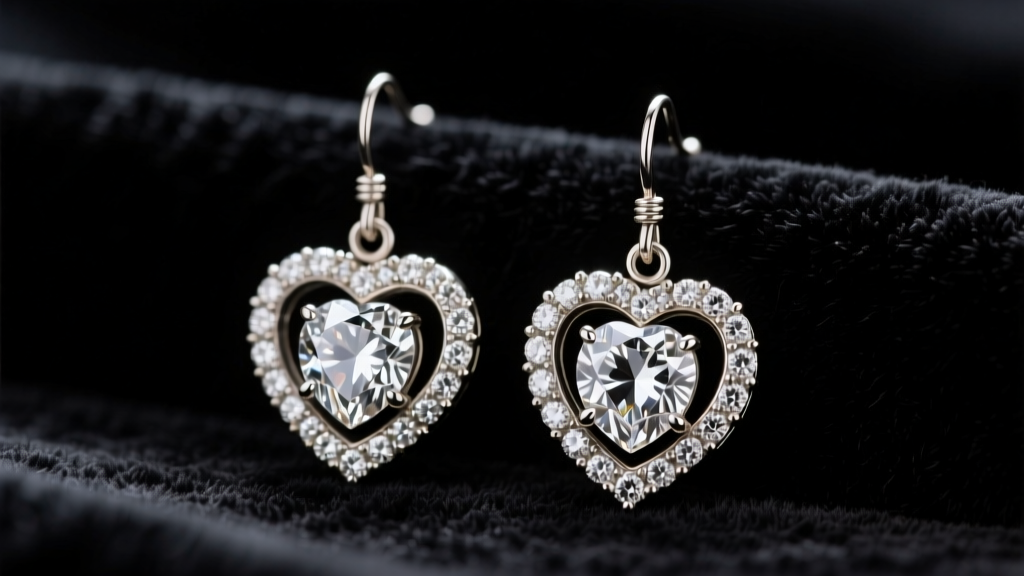
Max Ophüls’ masterpiece, the earrings of madame de 1953, is celebrated for its sweeping camera movements and tragic romance, but for jewelry historians and gemologists, the true star of the film is the pair of heart-shaped diamond drop earrings. As these iconic jewels travel across Europe—sold, pawned, gifted, and reclaimed—they serve as a brilliant narrative device. However, translating these elaborate, multi-tiered cinematic chandelier earrings into real-world wearability presents a unique set of biomechanical and structural challenges. Modern collectors and vintage enthusiasts attempting to recreate this dramatic silhouette often face severe earlobe sagging, clasp failures, and damaged piercing fistulas.
Wearing heavy, articulated statement drops requires more than just a styled outfit; it demands an understanding of metallurgical tensile strength, weight distribution, and lobe anatomy. In this comprehensive troubleshooting guide, we break down the physics of heavy vintage earrings and provide actionable, expert-level solutions to wear the Madame de silhouette safely and securely.
The Biomechanics of the Earlobe vs. Cinematic Weight
The human earlobe is composed of areolar connective tissue, fat, and blood vessels, but it entirely lacks cartilage. This makes it incredibly pliable, but highly susceptible to permanent deformation under sustained gravitational load. The iconic heart-shaped drops seen in classic 1950s cinema often weigh between 15 and 25 grams per ear. By comparison, a standard diamond stud weighs less than 2 grams.
When an earring exceeds 10 grams, the localized pressure on the piercing fistula (the hole itself) increases exponentially. Over time, this causes collagen breakdown in the lobe, leading to a condition known as piercing migration or elongation. If you are wearing vintage-style drops and notice the piercing hole stretching into a vertical slit, you are experiencing structural failure of the tissue, not just the jewelry.
Troubleshooting the "Cheese Wire" Effect
The most common culprit for lobe tearing is the use of standard 20-gauge (0.81mm) or 18-gauge (1.02mm) French wires. Under the weight of a 20-gram chandelier drop, a thin 20-gauge wire acts like a cheese wire, slicing through the soft tissue of the lobe with every turn of the head.
- The Fix: Upgrade the earring hooks to a minimum of 16-gauge (1.29mm) or 14-gauge (1.63mm) wire. This increases the surface area distributing the weight across the fistula, reducing localized pressure by up to 400%.
- Metallurgical Consideration: Do not use 24k or high-karat gold for heavy load-bearing hooks, as the metal is too soft and will bend. Opt for Platinum (950 Pt) or 18k White Gold alloyed with nickel or palladium, which offer superior tensile strength and work-hardening properties.
Securing the Clasp: Combating the Pendulum Effect
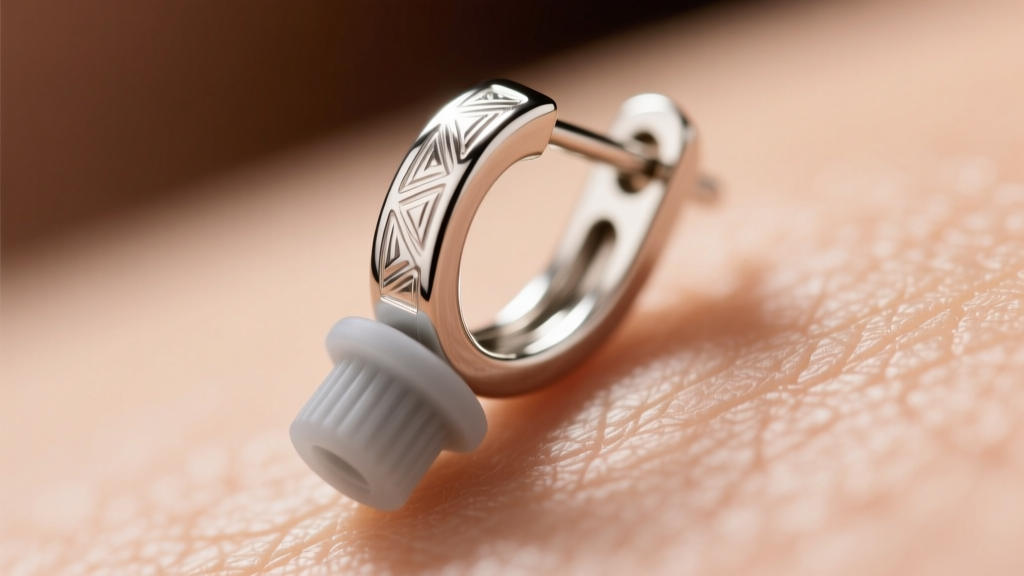
In the earrings of madame de 1953, the jewels catch the light with every movement of the actress. In reality, this pendulum-like swinging motion generates kinetic energy that works to loosen earring backs and bend wires. Standard push-backs (butterfly clutches) are entirely useless for heavy drops; they will slide off the post within minutes of wear.
Step-by-Step Clasp Troubleshooting
- For Fishhook (French Wire) Styles: Never rely on the bare wire curving behind the lobe. Apply a 3mm silicone friction O-ring directly behind the lobe, followed by a specialized locking scroll back (such as the Eurolock or La Pousette clasp) which grips the wire via an internal silicone sleeve rather than metal tension.
- For Leverback Styles: Heavy drops often pull the leverback hinge open. Inspect the tension of the hinge pin. If the leverback snaps shut too easily, a jeweler must carefully tighten the hinge using a specialized punch tool, or apply a micro-drop of UV-curing resin to the catch notch to increase friction.
- The Chain Tether Method: For drops exceeding 25 grams, bypass the lobe entirely for structural support. Attach a delicate 22-gauge platinum chain from the earring's upper bail to a secondary cartilage piercing (like the helix or conch). This transfers the kinetic load to the rigid cartilage of the upper ear, saving the lobe from tearing.
Restoring Articulated Vintage Joints
The Madame de heart earrings feature articulated tiers, meaning the diamonds are connected by microscopic jump rings that allow the jewel to flex and move. A major troubleshooting issue with vintage chandelier earrings is the stiffening or wearing away of these jump rings, which can result in the catastrophic loss of the lower pendant.
According to guidelines from the Gemological Institute of America (GIA), ultrasonic cleaners can be dangerous for vintage jewelry with articulated joints, as the high-frequency vibrations can shake loose weakened jump rings or shatter tension-set stones. Instead, use a soft-bristled brush with a mild, phosphate-free dish soap and warm water. If a jump ring is gaping, do not simply squeeze it shut with pliers, as this work-hardens and snaps the metal. A master jeweler must laser-weld the jump ring shut, a process that fuses the metal without exposing the surrounding diamonds to the extreme heat of a traditional jeweler's torch.
Invisible Support Systems for Heavy Drops
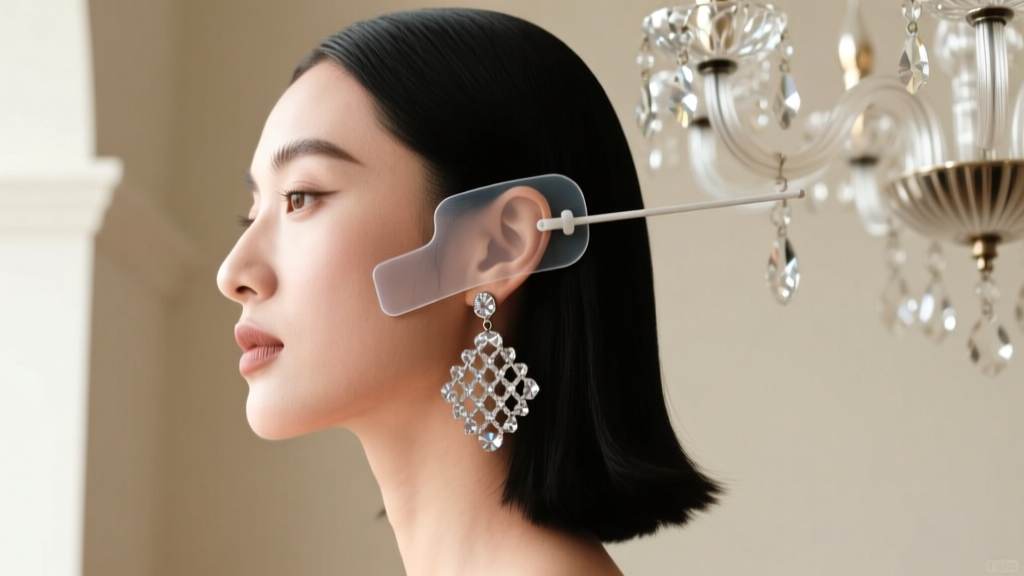
If you already own a pair of heavy, cinematic drop earrings and refuse to alter their historical wire gauge, you must rely on external support systems to prevent permanent lobe damage. The industry standard for troubleshooting heavy vintage drops is the use of polyurethane earlobe support patches (commonly known by the brand name Lobe Wonder).
These self-adhesive, medical-grade polyurethane patches feature a pre-punched hole that aligns with your piercing. By applying the patch to the back of the earlobe, the weight of a 20-gram earring is distributed across a 15mm surface area rather than a 1mm fistula. This not only prevents the earring from drooping forward—which ruins the visual silhouette of the diamonds—but also prevents the tissue from stretching over time. For optimal adhesion, cleanse the back of the lobe with an isopropyl alcohol wipe to remove natural sebum before applying the patch.
Earring Wire Gauge & Weight Capacity Chart
When commissioning a custom recreation of the Madame de silhouette, or restoring a vintage pair, use this reference chart to ensure the findings match the physical mass of the jewels. Data adapted from jewelry findings specifications via Rio Grande.
| Wire Gauge | Diameter (mm) | Max Safe Weight (per ear) | Recommended Metal for Heavy Drops | Best Earring Style |
|---|---|---|---|---|
| 20-Gauge | 0.81mm | 1 - 4 grams | 14k Yellow Gold | Standard Studs, Lightweight Hoops |
| 18-Gauge | 1.02mm | 5 - 9 grams | 18k Gold, Sterling Silver | Drop Earrings, Huggies |
| 16-Gauge | 1.29mm | 10 - 18 grams | Platinum, 18k White Gold | Chandeliers, Medium Statement Drops |
| 14-Gauge | 1.63mm | 19 - 30+ grams | Platinum (950 Pt), Titanium | Heavy Vintage Cinematic Drops |
Modern Material Substitutions for Cinematic Weight
For those who love the aesthetic of the iconic 1953 film's jewelry but cannot tolerate the physical burden of solid platinum and natural diamonds, modern metallurgy offers brilliant troubleshooting alternatives. Jewelers can recreate the exact dimensions of the Madame de heart drops using hollow-cast 14k gold. This technique uses electroforming to create a thick outer shell of gold that is entirely hollow inside, reducing the metal weight by up to 60% without sacrificing visual volume.
Additionally, substituting natural diamond pavé with high-grade cubic zirconia or lab-grown diamonds set in titanium armatures can drastically cut the overall gram weight. Titanium is roughly 45% lighter than steel and significantly lighter than platinum, yet possesses an incredible strength-to-weight ratio, making it the perfect hidden armature for supporting heavy, multi-tiered chandelier structures without dragging down the earlobe.
Final Thoughts on Preserving the Silhouette
The romance of the Madame de heart earrings lies in their movement and their history. However, preserving your earlobe anatomy is far more important than preserving a historically inaccurate 20-gauge wire. By upgrading your findings to 16-gauge platinum, utilizing polyurethane support patches, and laser-welding articulated joints, you can safely wear heavy, cinematic statement drops. True elegance should never require physical compromise; with the right structural troubleshooting, you can keep the cinematic magic alive without sacrificing your comfort or your piercings.


