Style Earrings Like the Famous Painting Girl with a Pearl Earring
Learn how to source, fit, and style a statement teardrop pearl earring inspired by the famous painting Girl with a Pearl Earring.

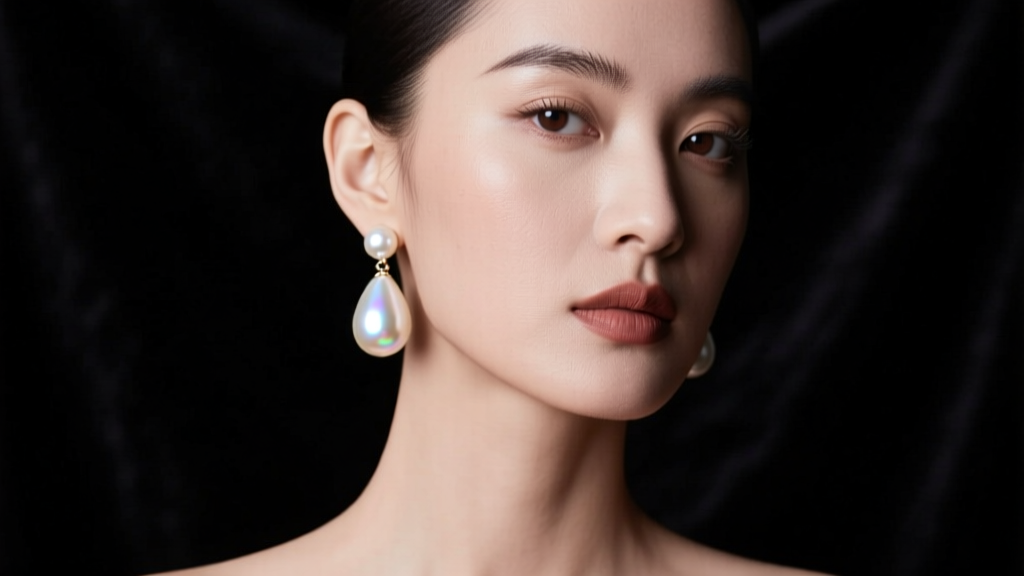
Johannes Vermeer’s 1665 masterpiece has captivated art historians and jewelry enthusiasts for centuries. The enigmatic subject’s gaze is undeniable, but it is the luminous, oversized teardrop pearl resting against her jawline that anchors the composition. Today, recreating the look of the famous painting girl with a pearl earring requires more than just buying a large pearl; it demands an understanding of historical proportions, modern gemological grading, and the structural engineering required to support heavy statement jewelry on the earlobe.
This comprehensive guide will walk you through the exact specifications, sourcing strategies, and fitting techniques needed to wear a monumental pearl drop comfortably and elegantly.
Decoding the Masterpiece: The Anatomy of the Earring
To accurately replicate the earring worn in the famous painting girl with a pearl earring, we must first analyze its physical properties. Art historians at the Mauritshuis museum note that the earring is painted with a distinct teardrop shape, featuring a sharp, brilliant specular highlight on the lower left curve.
Based on the proportions relative to the subject's face and collar, the pearl is estimated to be between 18mm and 22mm in length. In the 17th century, a natural saltwater pearl of this magnitude would have been astronomically rare and expensive, leading some historians to theorize it may have been a glass or tin amalgam imitation. However, for the modern wearer seeking authentic luxury, sourcing a genuine pearl of this volume introduces specific challenges regarding weight, nacre thickness, and lobe strain.
Step 1: Sourcing the Right Pearl (Size, Shape, and Material)
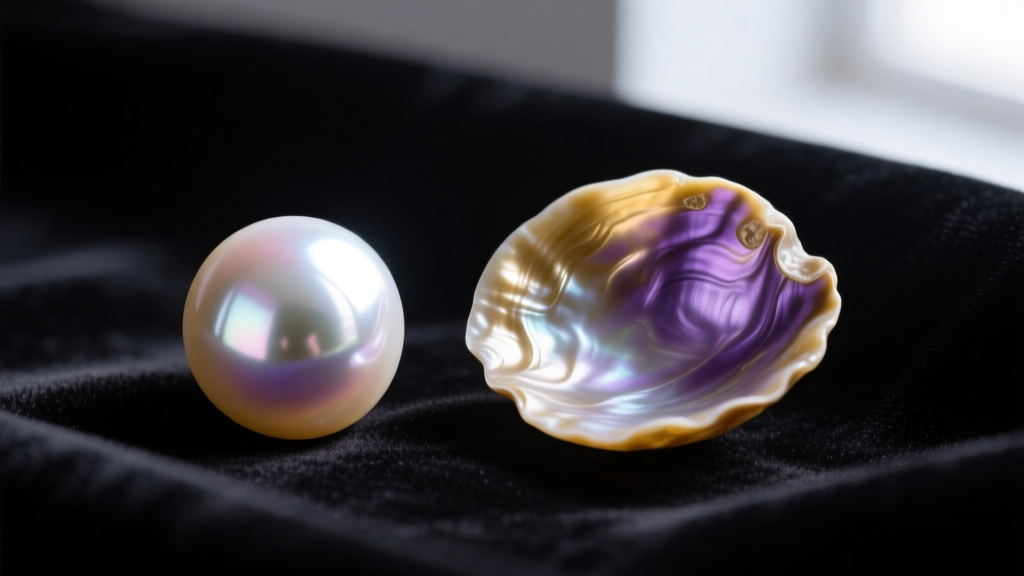
The Gemological Institute of America (GIA) evaluates pearls based on size, shape, color, luster, surface quality, and nacre thickness. To achieve the iconic teardrop silhouette, you must choose the correct pearl variety. Round pearls will not provide the elongated drop seen in the painting; you need a baroque or semi-baroque teardrop shape.
| Pearl Type | Average Size Range | Weight (per 20mm) | Price Range (USD) | Best For |
|---|---|---|---|---|
| South Sea (White) | 10mm - 20mm+ | 8g - 12g | $1,500 - $10,000+ | Authentic luxury, high luster |
| Freshwater Baroque | 12mm - 25mm | 6g - 10g | $150 - $800 | Budget-friendly, organic teardrop shapes |
| Majorica (Simulated) | 14mm - 22mm | 10g - 15g | $100 - $300 | Flawless historical replication, heavy drape |
Expert Tip: If you opt for a genuine saltwater pearl, ensure the nacre thickness is at least 0.8mm. Thinner nacre on a heavy 20mm pearl is prone to peeling and cracking over time due to the stress of gravity and wear.
Step 2: Engineering the Hardware for Heavy Drops
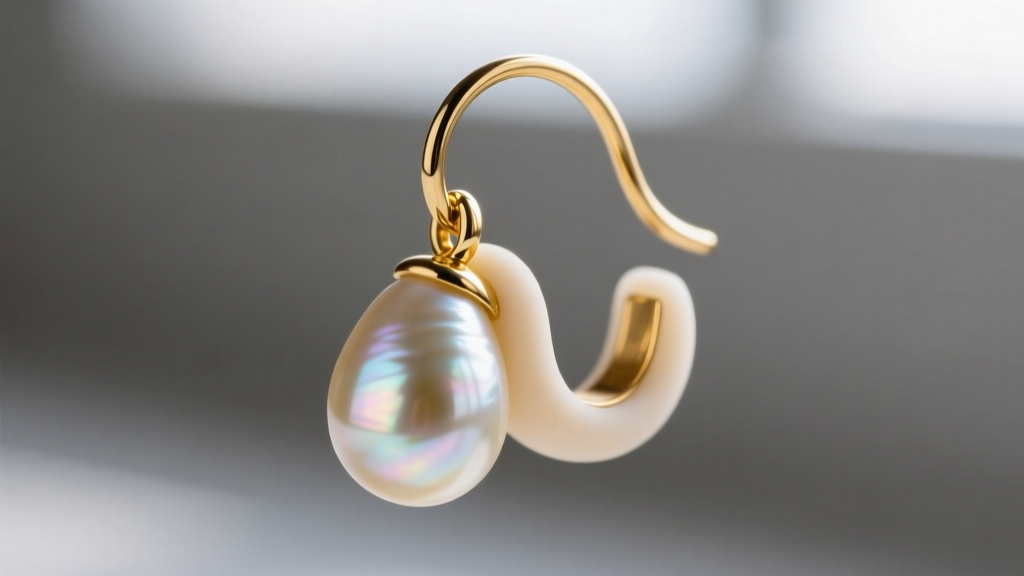
A 20mm pearl can weigh anywhere from 8 to 15 grams. Standard earring posts and wires are typically 20-gauge (0.81mm) or 22-gauge (0.64mm), which will immediately bend or warp under the pendulum weight of a large teardrop pearl. To prevent hardware failure and lobe tearing, you must upgrade the structural components.
Upgrading the Wire Gauge
For pearls exceeding 10 grams, the wire passing through the piercing must be 18-gauge (1.02mm) or even 16-gauge (1.29mm). This thicker wire provides the rigidity needed to keep the pearl hanging straight down, ensuring the light catches the nacre exactly as Vermeer painted it, rather than swinging wildly and facing backward.
Selecting the Right Closure Mechanism
- French Wire with Tension Hook: Traditional but lacks security for heavy items. Only use if paired with a heavy silicone backer.
- Leverback: The most secure option for heavy drops. An 18-gauge leverback clasps shut, distributing the weight across the front of the earlobe rather than relying solely on the friction of an earring nut.
- Omega Back: Excellent for clip-ons or non-pierced ears, providing a wide surface area that grips the lobe without piercing fatigue.
Step 3: Fitting and Lobe Support Mechanisms
Even with 18-gauge wire, a 12-gram pearl will cause the earlobe to droop, pulling the piercing hole downward and causing discomfort after just a few hours of wear. To maintain the elegant, upright posture seen in the famous painting girl with a pearl earring, you must employ lobe support mechanics.
The Silicone Lift Technique
Purchase medical-grade silicone earring lifters (often sold as 'lobe support patches' or 'earring lifters'). These adhesive or slip-on pads sit behind the earlobe, providing a rigid platform that prevents the heavy pearl from dragging the flesh downward. For French wires, use oversized, dome-shaped silicone ear nuts that feature a wide, flat base to distribute the 15-gram load across a 10mm surface area behind the ear.
Step 4: Styling the Teardrop for Modern Elegance
Wearing an 18mm to 22mm teardrop pearl is a bold stylistic choice that requires careful consideration of facial geometry and wardrobe pairing.
Face Shape Considerations
- Round and Square Faces: The elongated teardrop shape is highly flattering, as it draws the eye vertically, softening angular jawlines and adding the illusion of length to the face.
- Oval and Heart Faces: These face shapes can easily carry the volume of a 20mm pearl. Ensure the drop ends just above the jawline to maintain facial balance.
Wardrobe and Neckline Pairing
In Vermeer's painting, the pearl is isolated against the dark, muted tones of the subject's clothing and the ochre collar. To replicate this high-contrast effect, pair your teardrop pearl with deep V-necks, off-the-shoulder tops, or structured turtlenecks in dark, solid colors like navy, charcoal, or forest green. Avoid busy patterns or competing statement necklaces; the pearl must remain the undisputed focal point of the ensemble.
Step 5: Nacre Care and Long-Term Maintenance
Large pearls are significant investments that require meticulous care to maintain their orient and luster. Pearls are organic gemstones with a Mohs hardness of only 2.5 to 3.0, making them highly susceptible to scratching and chemical degradation.
The Golden Rule of Pearl Care: 'Last on, first off.' Always put your pearl earrings on after applying perfume, hairspray, and cosmetics, and remove them before washing your face or exercising.
After each wear, gently wipe the pearl with a soft, lint-free microfiber cloth to remove skin oils and acidic perspiration. Never use ultrasonic cleaners or steamers on pearls, as the high-frequency vibrations can shatter the nacre layers, and the heat can dehydrate the organic conchiolin binding the pearl together. Store your teardrop earrings in a soft silk pouch, separate from harder gemstones and metal jewelry, to prevent surface abrasion.
By carefully selecting the right baroque shape, engineering a robust 18-gauge hardware system, and employing modern lobe support techniques, you can comfortably wear a monumental pearl drop that captures the exact mystery, light, and timeless elegance of Vermeer's most famous subject.


