Formal Gold Earrings: A Buying Guide for Galas and Black-Tie Events
Discover how to choose the perfect formal gold earrings for black-tie events. Learn about karat weights, secure backings, and ideal lengths.

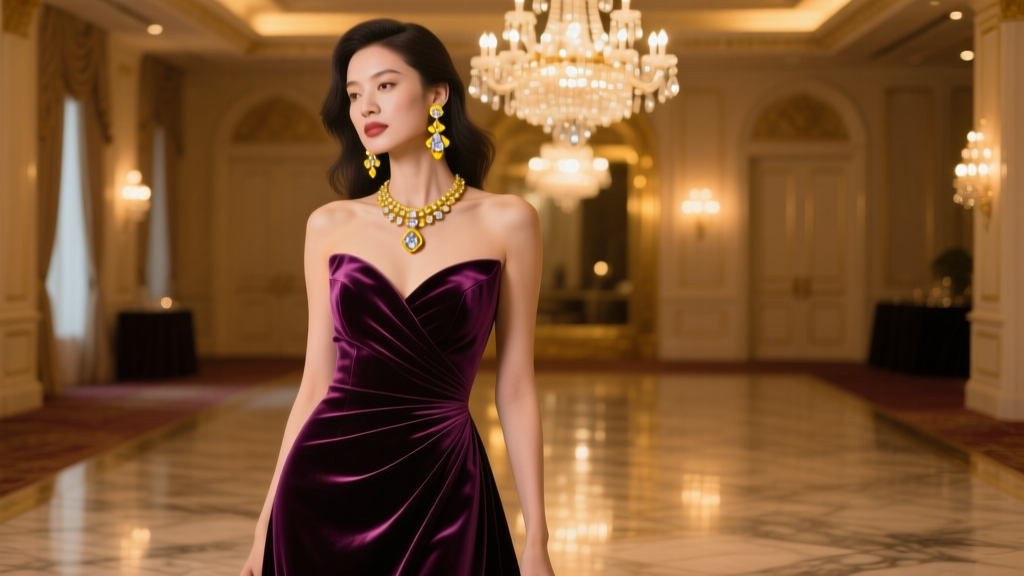
The Anatomy of Gala-Ready Gold: Karats and Alloys
When selecting formal gold earrings for black-tie events, the metallurgical composition of your jewelry dictates not only its value but how it interacts with professional event photography and ambient ballroom lighting. According to the Gemological Institute of America (GIA), the purity of gold is measured in karats, with 24k representing pure gold. However, pure gold is far too malleable for intricate formal designs like chandeliers or articulated drops.
For formal wear, 18k gold (75% pure gold) is the undisputed standard. The 25% alloy mixture—typically copper and silver in yellow gold—provides enough structural integrity to hold gemstones while retaining the deep, saturated, warm hue that reads as inherently luxurious. In contrast, 14k gold (58.3% pure) reflects more light but possesses a paler, slightly brassy tone that often photographs as "everyday" jewelry rather than high-end gala attire.
If you prefer white gold, be aware that it is naturally yellowish-grey and relies on a rhodium plating for its bright white finish. For formal events, ensure your white gold earrings have been freshly re-plated. A worn rhodium layer on the gallery or post will show up as a dull yellowish tint in high-resolution event photos, undermining the formal aesthetic.
Silhouette and Scale: Matching Earrings to Necklines
The most common mistake buyers make when investing in formal gold earrings is ignoring the neckline of their gown. The interplay between the collarbone, the dress silhouette, and the earring drop is critical for a balanced look. As noted by styling experts at Jewelers of America, scale and proportion should always dictate your purchase.
| Gown Neckline | Ideal Earring Style | Length & Scale Guidelines |
|---|---|---|
| Sweetheart | Chandelier or Long Drop | 2.5 to 4 inches. Elongates the neck and fills the negative space above the bodice. |
| Halter / High Neck | Statement Studs or Huggies | Under 1 inch. Prevents tangling with the fabric and keeps the focus on the structured collar. |
| V-Neck / Plunge | Teardrop or Geometric Drops | 1.5 to 2.5 inches. Mirrors the V-shape of the dress without overlapping the neckline. |
| Illusion / High Collar | Ear Cuffs or Climbers | Curved along the cartilage. Keeps the neck area entirely uncluttered while adding sparkle. |

The Rule of Focal Points
If your formal gown features heavy beadwork, sequins, or an elaborate necklace, your gold earrings should act as a supporting element. Opt for 18k gold huggies with pavé diamonds or sleek, polished gold hoops (15mm-20mm diameter). Conversely, if you are wearing a minimalist silk slip dress or a strapless column gown, the earrings must serve as the primary focal point. This is where articulated 18k gold chandelier earrings, featuring multiple hinges for dynamic movement, truly shine.
The Mechanics of Security: Backings That Won't Fail
Nothing ruins a gala experience faster than the anxiety of losing a $5,000 pair of diamond and gold drop earrings. Standard friction backs (commonly known as butterfly backs) rely entirely on the tension of the metal scroll. Over time, this tension degrades, and the added weight of formal earrings can cause them to slip off the post unnoticed.
When buying formal gold earrings, demand one of the following secure backing mechanisms:
- La Pousette Backs: The gold standard for high-end formal jewelry. This mechanism uses a spring-loaded push-pull system that clicks securely into a precision-cut groove on the earring post. It requires two hands to remove, making accidental loss virtually impossible.
- Screw Backs: The post is threaded, and the backing screws on like a nut and bolt. While highly secure, they can be tedious to put on, and cross-threading can damage the gold post if forced.
- Omega Clips: Often used for heavy, non-pierced formal pieces or large gold button earrings. The hinged, curved back snaps shut against the earlobe, distributing weight evenly and providing a vice-like grip.
- Leverbacks: Ideal for drop earrings. The hinged wire passes through the piercing and snaps into a catch at the back of the earring. Ensure the catch has a small rubber O-ring or a secondary gold clasp for added security.
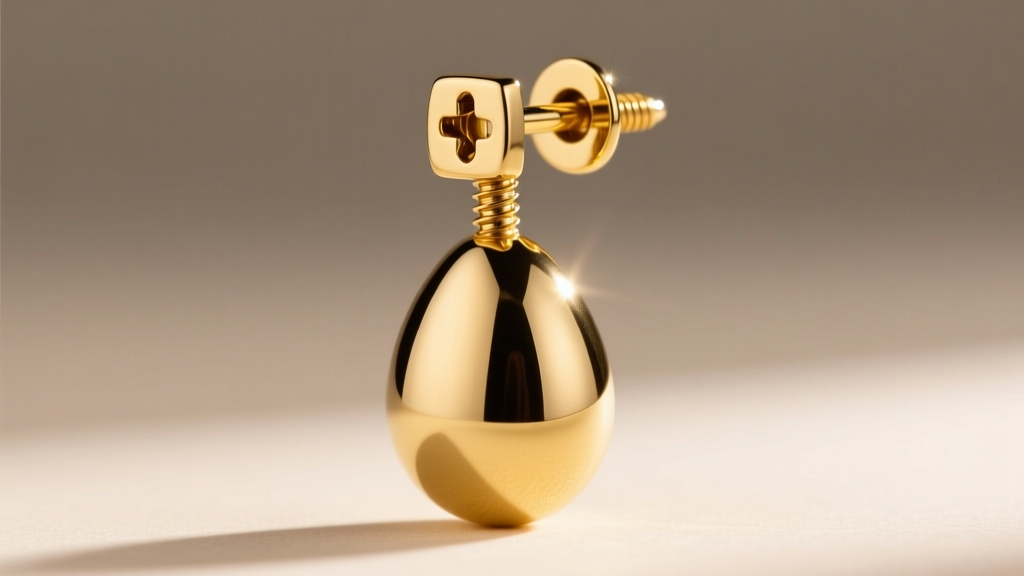
Weight Distribution and Lobe Ergonomics
Formal gold earrings, particularly those featuring solid 18k gold and multiple carats of gemstones, are heavy. The human earlobe can comfortably support between 5 to 7 grams for an extended period. Once an earring exceeds 10 grams per ear, you will experience "lobe drag"—a downward pulling that distorts the piercing, causes physical discomfort, and ruins the silhouette of the earring by forcing it to hang at an awkward forward angle.
To combat this, master jewelers employ specific structural solutions:
- Hollowed Galleries: Using advanced casting techniques, the back of the earring's main body is hollowed out (electroformed or cast with a resin core) to reduce gold weight without sacrificing visual volume.
- Ear Jackets and Cuffs: For heavy chandeliers, designers integrate a secondary piece that hugs the upper cartilage. This anchors the earring and distributes the 15+ gram weight across the stronger cartilage tissue rather than the soft lobe.
- French Wire with Silicone Stoppers: If your formal earrings use French wires, always pair them with high-density silicone stoppers or specialized gold ear supports (like the Lobe Wonder patch) to provide a physical shelf for the earring to rest against.
Investment Tiers: Market Pricing for Formal Gold
As of 2026, the pricing for fine formal gold earrings is heavily influenced by the spot price of gold, the complexity of the casting, and the origin of the accent gemstones. When budgeting for black-tie jewelry, expect the following market tiers from reputable fine jewelers:
- Entry-Level Formal ($800 - $2,500): Solid 14k or lightweight 18k gold drops and hoops. Minimal gemstone accents (usually melee diamonds under 0.25 total carat weight). Excellent for annual galas where versatility is key.
- Mid-Tier Couture ($2,500 - $8,000): Substantial 18k gold chandeliers, articulated drops, and ear climbers. Features high-quality pavé work, secure La Pousette backings, and 0.50 to 1.50 total carat weight of VS-clarity diamonds or precious colored gemstones (sapphires, emeralds).
- High Jewelry / Red Carpet ($8,000 - $50,000+): Bespoke or limited-edition pieces from heritage houses. Features 18k or 22k gold, intricate hand-engraving, and significant center stones (2.00+ carats) with certified origins. These pieces often feature hidden structural supports and custom-fitted backings.
Expert Maintenance Tip: Formal gold earrings are often stored for months between events. Before wearing, inspect the posts under a jeweler's loupe for micro-bends. A slightly bent 18k gold post will weaken the metal through fatigue, risking a snap during the event. Clean the pieces using a soft-bristled brush and warm water with a drop of mild dish soap, avoiding ultrasonic cleaners if your earrings feature fracture-filled emeralds or delicate pearl accents.
Investing in formal gold earrings is about more than just acquiring precious metal; it is about securing a piece of wearable engineering that will elevate your presence at any black-tie affair. By prioritizing 18k alloys, matching silhouettes to necklines, and insisting on fail-safe locking mechanisms, you ensure your jewelry remains as flawless at midnight as it was when you first stepped out of the car.


