How Long After Piercing Can You Change Earrings? A Gifting Guide
Discover exactly how long after piercing can you change earrings, plus our expert gift guide for every healing stage and occasion.

The Biology of the Fistula: Answering the Timeline Question
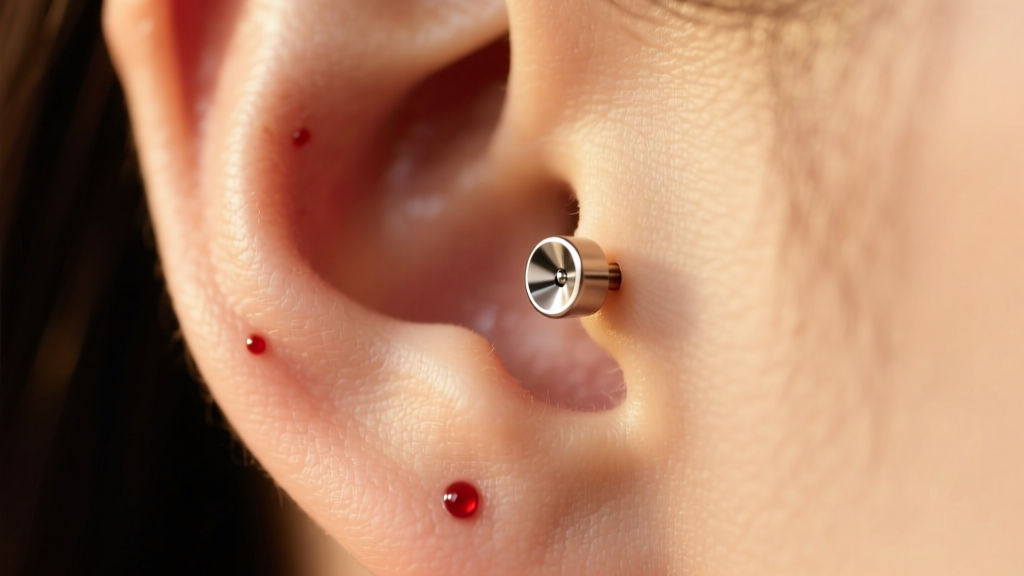
When friends or family members ask us how long after piercing can you change earrings, the answer is never a simple number. It is a biological process. A piercing is not merely a hole; it is a controlled wound that must form a fistula—a protective tube of scar tissue that lines the piercing channel. According to the Association of Professional Piercers (APP), disrupting this fragile tissue before it matures can lead to hypertrophic scarring, blowouts, and severe contact dermatitis.
As a gifting guide, understanding these timelines is crucial. Buying jewelry for a newly pierced loved one requires a completely different strategy than shopping for someone with fully healed, seasoned ears. Below, we break down the exact healing milestones and the perfect, safe jewelry gifts to match each occasion.
Stage 1: The Fresh Piercing (Days 1 to 8 Weeks)
For standard earlobe piercings, the minimum healing time before the first jewelry change is 6 to 8 weeks. For cartilage piercings (helix, tragus, conch), the timeline extends drastically to 6 to 12 months. During this initial phase, the fistula is incredibly delicate. The Mayo Clinic strongly advises against removing starter jewelry during this window, as the channel can shrink or close within minutes.
What to Gift the Newly Pierced
If your loved one just got pierced, do not gift them decorative jewelry yet. Instead, gift them an upgrade to their starter pieces or high-end aftercare. The gold standard for fresh piercings is ASTM F-136 implant-grade titanium. It is completely nickel-free, non-porous, and MRI-safe.
- The Gift Idea: A premium flat-back labret from a reputable brand like Anatometal or Junipurr Jewelry, featuring a bezel-set synthetic opal or high-grade cubic zirconia.
- The Occasion: The "Piercing Day" celebration or a "One Week Down" survival gift.
- Price Range: $45 - $120 per piece.
Stage 2: The "First Change" Milestone (Months 3 to 6)
For lobe piercings, the 3-to-6-month mark is usually safe for the first downsizing and jewelry change. For cartilage, this is often when the initial swelling has subsided enough to swap the long starter post for a snugger fit. This is a massive milestone in the piercing community and an excellent occasion for a thoughtful gift.
What to Gift for the First Change
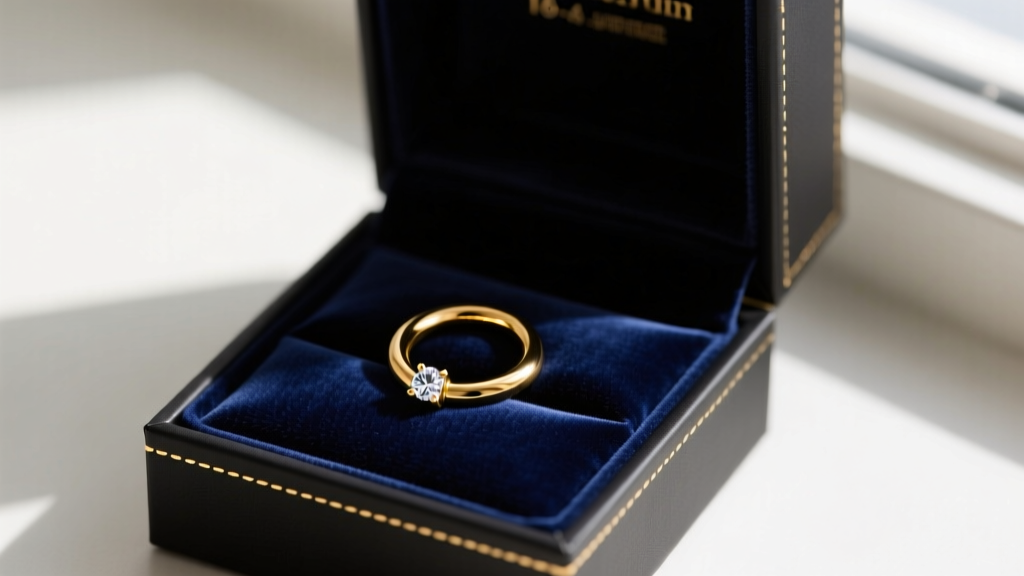
At this stage, the fistula is forming but still easily irritated by heavy or porous metals. The best gifts are threadless or internally threaded pieces made from solid 14k or 18k gold, or niobium. Avoid external threading, which acts like a cheese grater on healing tissue.
- The Gift Idea: A BVLA threadless end with a genuine gemstone (like a rose-cut sapphire or emerald) paired with a matching titanium or gold post.
- The Occasion: The "First Downsizing" appointment celebration.
- Price Range: $80 - $250+ depending on the gemstone.
Stage 3: Fully Healed & Seasoned Ears (1 Year and Beyond)
Once a piercing has passed the one-year mark (and sometimes up to two years for thicker cartilage like the conch), the fistula is fully mature, seasoned, and resilient. This is the stage where the true fun of jewelry gifting begins. You can now safely introduce hoops, huggies, dangles, and ear cuffs.
Occasion Matching for Healed Piercings
With healed ears, you can match the jewelry to the recipient's lifestyle, wardrobe, and specific events. However, material quality remains paramount to prevent long-term allergic reactions.
| Piercing Stage | Timeframe | Safe Materials | Ideal Gift Styles | Est. Price Range |
|---|---|---|---|---|
| Fresh / Healing | 0 - 8 Weeks (Lobe) 0 - 12 Months (Cartilage) |
ASTM F-136 Titanium, Niobium | Flat-back labrets, simple bezel studs | $30 - $100 |
| Maturing | 3 - 6 Months (Lobe) 6 - 12 Months (Cartilage) |
Solid 14k/18k Gold, Titanium | Threadless ends, small clickers | $80 - $300 |
| Fully Healed | 1 Year+ | Solid Gold, Platinum, Surgical Steel (if no nickel allergy) | Huggies, Dangles, Seamless Hoops, Ear Cuffs | $60 - $1,000+ |
The Ultimate Healed Ear Gift Guide
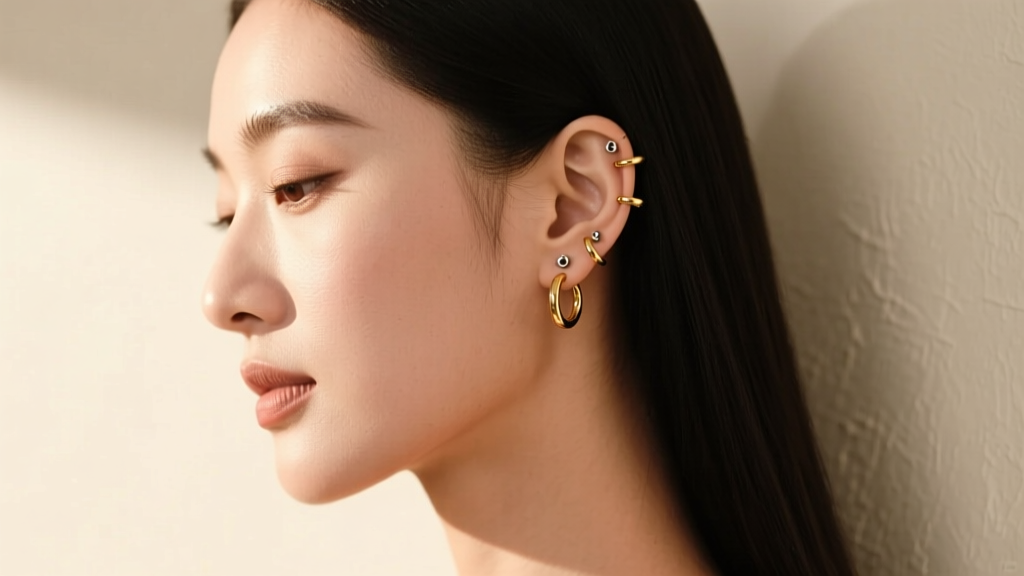
- For the Minimalist: Seamless 14k gold huggies with a subtle pave diamond hinge. Perfect for everyday office wear.
- For the Statement Maker: 18k gold drop earrings or ornate ear cuffs that require no additional piercings.
- For the Curated Ear: A set of mismatched threadless studs (e.g., a tiny star, a moon, and a gem cluster) designed to be mixed and matched across multiple helix and lobe piercings.
The Expert Sizing Guide: How to Buy the Right Fit
Gifting piercing jewelry is notoriously difficult if you do not know the recipient's exact anatomy and gauge preferences. Buying a beautiful hoop that is too small to close around the ear is a common gifting failure. Use this framework before purchasing:
1. Determine the Gauge (Thickness)
The gauge is the thickness of the metal post or wire. Counterintuitively, the higher the number, the thinner the metal.
- 20g (0.8mm): Standard for traditional mall-kiosk lobe piercings and delicate fashion earrings.
- 18g (1.0mm): The most common size for standard lobe piercings done by professional piercers, and some delicate cartilage work.
- 16g (1.2mm): The gold standard for most cartilage piercings (helix, tragus, conch) and daiths.
- 14g (1.6mm): Typically used for industrial barbells and thicker cartilage setups.
2. Determine the Diameter or Post Length
For studs (labrets), you need to know the post length. Standard healed lobe posts are usually 1/4" (6mm) or 5/16" (8mm). For cartilage, 3/16" (5mm) is common.
For hoops, you need the inner diameter. A standard helix hoop is usually 5/16" (8mm) or 3/8" (10mm). If the recipient has a larger ear or the piercing is placed further from the edge, they may require a 7/16" (11mm) hoop to ensure it closes without pinching the tissue.
Red Flags: Gifts to Avoid at All Costs
To protect your loved one's ear health, avoid these common gifting mistakes, especially for piercings under a year old:
- Butterfly Backs (Friction Backs): These trap moisture, bacteria, and dead skin cells against the fistula. They also apply uneven pressure, which can cause the post to embed into swelling tissue.
- Sterling Silver: While popular in fashion jewelry, silver contains copper and other alloys that oxidize and tarnish. In a healing or maturing piercing, this can cause argyria—a permanent gray/black staining of the skin tissue.
- Heavy Dangles for Fresh Piercings: The weight of a dangling earring can pull on an immature fistula, causing migration, rejection, or an angled healing channel.
The Golden Rule of Piercing Gifts: When in doubt about the healing stage, always gift a consultation and a shopping spree at a reputable, APP-member piercing studio rather than buying blind online. A professional piercer can measure the exact gauge, length, and diameter needed for a flawless fit.
Understanding how long after piercing can you change earrings transforms a potentially risky gift into a deeply thoughtful, anatomically safe celebration. Whether you are buying a simple titanium flat-back for a fresh lobe or a diamond-encrusted gold clicker for a seasoned conch, prioritizing material quality and precise sizing ensures your gift will be worn safely for a lifetime.


