Best Magnetic Earrings for Ladies: 2026 Material Guide
Discover the best magnetic earrings for ladies in 2026. Compare neodymium magnet grades, hypoallergenic metals, and silicone backings for secure wear.

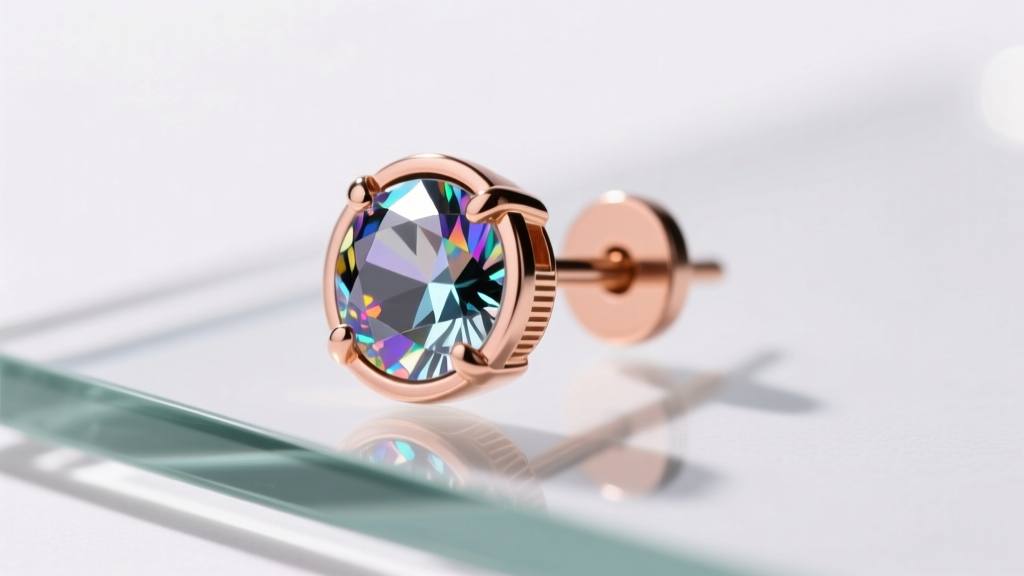
The Science of Magnetic Earrings: Beyond the Clasp
For women with unpierced ears, sensory processing sensitivities, or those who simply despise the pinch of traditional butterfly clutches, magnetic earrings for ladies have become an essential staple in modern jewelry collections. However, as we navigate the jewelry market in 2026, the industry is saturated with poorly engineered pieces that either slip off during a commute or trigger severe contact dermatitis. To find a pair that securely hugs the earlobe without compromising capillary health or causing allergic reactions, you must look past the decorative facade and examine the underlying metallurgy and magnetic physics.
Unlike standard pierced earrings that rely on mechanical friction (like a post and clutch), magnetic earrings rely on magnetic flux density to clamp the earlobe between two opposing poles. This means the material composition of both the front-facing decorative element and the rear backing dictates the comfort, longevity, and safety of the earring. Let us break down the exact material properties you need to scrutinize before making a purchase.
The Core Engine: Neodymium vs. Ceramic Ferrite Magnets
The most critical component of any magnetic earring is the magnet itself. Historically, manufacturers relied on ceramic ferrite magnets. While inexpensive, they are inherently weak and bulky, requiring massive, heavy discs to generate enough pull force to hold an earring through an earlobe. Today, premium magnetic earrings utilize Neodymium-Iron-Boron (NdFeB) rare-earth magnets, which offer exponential increases in magnetic strength at a fraction of the size.
According to material specifications outlined by K&J Magnetics, neodymium magnets are graded by their maximum energy product (measured in MGOe). When shopping, you will typically encounter N42 and N52 grades.
| Magnet Type | Grade | Pull Force (10x2mm Disc) | Weight | Best Use Case |
|---|---|---|---|---|
| Ceramic Ferrite | Grade 8 | ~1.2 lbs | Heavy | Budget, lightweight plastic studs |
| Neodymium | N42 | ~6.2 lbs | Light | Standard everyday wear, medium studs |
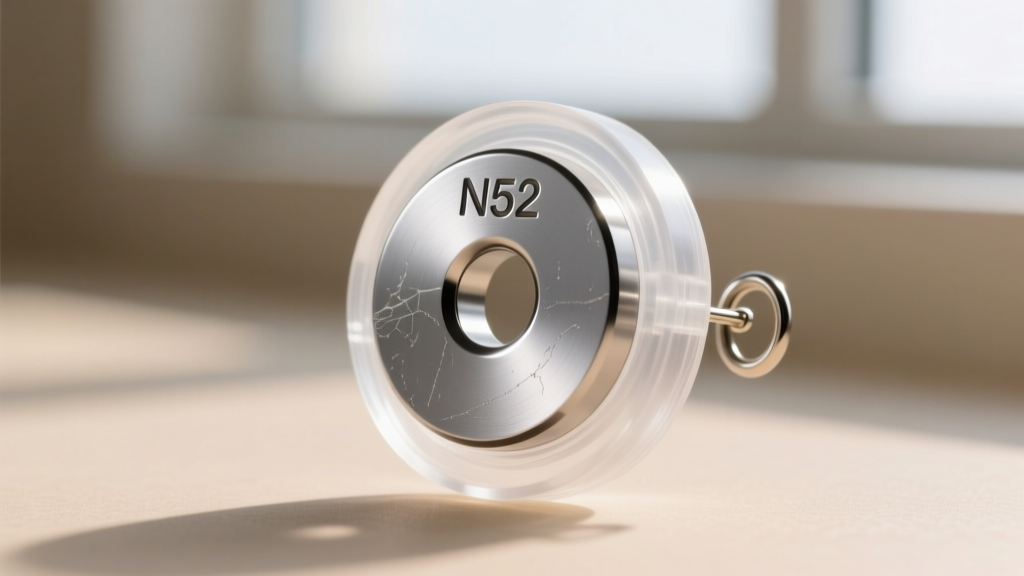
| Neodymium | N52 | ~8.5 lbs | Light | Heavy dangles, thick earlobes, active wear |
For most ladies, N42 neodymium provides the perfect balance of security and comfort. N52 magnets offer roughly 30% more pull force, which is necessary if you are wearing heavier gemstone drops or have naturally thicker earlobes, but they can cause discomfort if the pressure is not properly distributed.
Front-Facing Alloys: Navigating Contact Dermatitis
The front piece of a magnetic earring rests directly against the sensitive skin of the anterior earlobe. Because the magnetic clamp restricts blood flow slightly and traps sweat, the metal used here must be highly biocompatible. The American Contact Dermatitis Society frequently flags nickel as a primary culprit for jewelry-induced rashes, a topic extensively covered in dermatological studies on contact allergies.
Titanium (ASTM F136 / Ti6Al4V ELI)
If you have hyper-sensitive skin, Titanium ASTM F136 is the undisputed gold standard. Originally developed for medical implants, this specific grade of titanium is completely nickel-free and highly resistant to corrosion from human sebum and cosmetics. When evaluating magnetic earrings for ladies with metal allergies, always look for the 'ASTM F136' or 'Implant Grade' designation. Commercially pure titanium (Grade 2) is also safe, but F136 offers superior tensile strength, allowing for thinner, more elegant front plates that won't warp under magnetic pressure.
316L Surgical Steel vs. Niobium
316L Surgical Stainless Steel is the most common material on the market. While it is hypoallergenic for the majority of the population, it contains between 10% and 14% nickel. The chromium oxide layer on 316L usually traps the nickel, but the constant friction and moisture trapped by a magnetic clamp can degrade this passive layer over time, leading to localized flare-ups for highly sensitive individuals.
Niobium is an excellent alternative to steel. It is a highly reactive metal that forms a protective oxide layer naturally, making it exceptionally biocompatible. Furthermore, niobium can be anodized to produce vibrant, permanent colors without the use of toxic dyes or plating that could chip off into the skin.
The Backing Interface: Bare Magnets vs. Silicone Sleeves
The rear backing of a magnetic earring is where most design failures occur. Early iterations of magnetic earrings featured bare, nickel-plated neodymium discs. This presented three massive problems:
- Hair Entanglement: Bare magnets aggressively attract and pull fine hair, causing pain upon removal.
- Oxidation: Neodymium is highly susceptible to corrosion. Sweat breaks down the Ni-Cu-Ni plating, causing the magnet to rust and crumble into a toxic powder.
- Skin Pinching: The sheer edge of a bare metal disc acts like a blade against the soft tissue of the posterior earlobe.
In 2026, high-quality magnetic earrings utilize medical-grade silicone sleeves or PVD-coated polymer encasements. Silicone provides a crucial friction coefficient that prevents the earring from sliding down the earlobe when you sweat. It also acts as a thermal and moisture barrier, protecting the rare-earth core from oxidizing. When inspecting a silicone sleeve, ensure it is seamless; glued seams will split within weeks of exposure to skin oils.
Pressure Distribution: Pad Diameter and Earlobe Health
A common misconception is that a stronger magnet automatically equals a better earring. In reality, magnetic pull force must be balanced with surface area. If an N52 magnet is housed in a tiny 4mm backing, the localized pressure on the earlobe's capillary bed can restrict blood flow, leading to tissue ischemia, soreness, and eventually, a pressure sore.
Look for magnetic backings with a minimum diameter of 8mm to 10mm. A wider surface area distributes the 8.5 lbs of pull force across a broader region of the earlobe, drastically reducing pounds-per-square-inch (PSI) while maintaining the overall grip strength required to keep the earring secure during physical activity.
Real-World Failure Modes & Maintenance Protocols
Even the finest magnetic earrings for ladies will fail if subjected to improper environmental conditions. Understanding the physical limitations of NdFeB magnets will save you from losing your favorite jewelry.
The Curie Temperature Threat
Neodymium magnets begin to permanently lose their magnetism when exposed to high heat. Standard N42 and N52 magnets have a maximum operating temperature of around 80°C (176°F). If you regularly use high-heat hair dryers or hot styling tools directly against your earlobes while wearing your earrings, you will gradually demagnetize the backing. Over a period of six months, an earring that once held firmly will begin to slip and fall off.
Sebum and Silicone Degradation
Human sebum, combined with aerosol hairsprays and liquid foundations, creates a highly lubricating film on the silicone backing. This drastically reduces the friction coefficient, causing the earring to slide. To maintain optimal grip, you must clean the silicone backings weekly using 70% isopropyl alcohol. Avoid harsh solvents like acetone, which will cause the medical-grade silicone to swell, crack, and degrade.
Final Verdict: What to Look For in 2026
When investing in magnetic earrings for ladies, demand transparency from the manufacturer. The ideal configuration for daily wear features an ASTM F136 Titanium front plate paired with an N42 Neodymium magnet encased in a seamless, 10mm medical-grade silicone sleeve. This specific combination guarantees biocompatibility, provides sufficient pull force for active lifestyles, and ensures the structural integrity of the magnet against environmental corrosion. By prioritizing material science over superficial designs, you can enjoy the convenience of non-pierced jewelry without sacrificing comfort or security.


