How Do I Make Beaded Earrings That Last? Crafting & Care Guide
Learn how do I make beaded earrings that last. Expert guide on wire gauges, stringing materials, and deep cleaning for handmade jewelry.

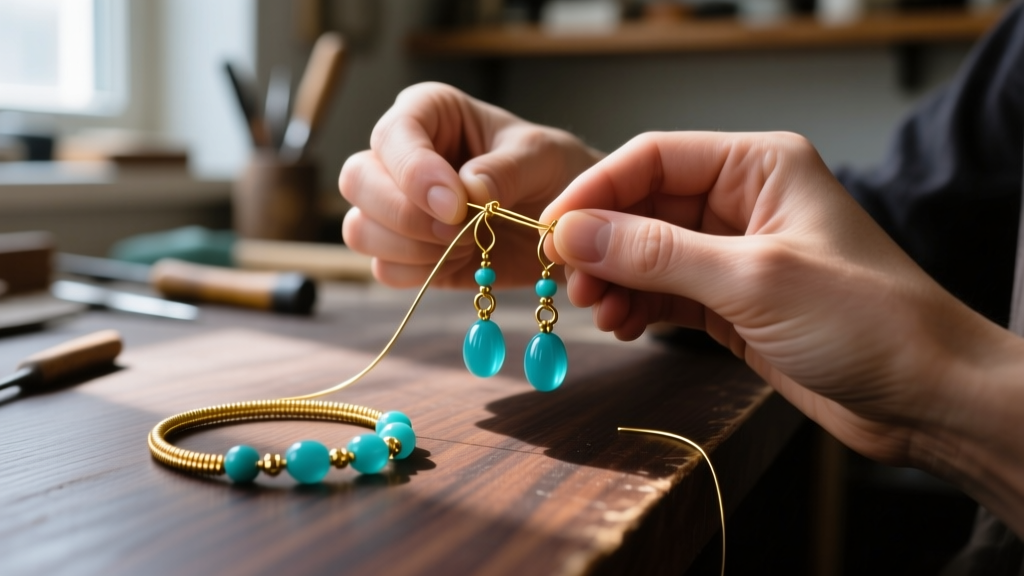
The Intersection of Crafting and Longevity: How Do I Make Beaded Earrings That Survive Daily Wear?
When jewelry makers first ask, "how do i make beaded earrings," the focus is usually entirely on aesthetics: color palettes, bead shapes, and dangle lengths. However, as a senior jewelry stylist and craft consultant, I can tell you that the true mark of a professional artisan is not just how an earring looks on the display card, but how it holds up after six months of daily wear. The secret to creating heirloom-quality beaded earrings lies in the intersection of structural engineering during the crafting phase and meticulous maintenance during the ownership phase. If you construct an earring with the wrong wire hardness or stringing tension, no amount of cleaning will save it from eventual failure.
In this comprehensive 2026 guide, we bridge the gap between the workbench and the jewelry box. We will explore the specific material grades, gauge sizes, and construction techniques required to build durable beaded earrings, followed by advanced, material-specific cleaning and maintenance protocols to keep your handmade creations looking pristine.
Material Selection: The Foundation of Earring Durability
Before you even pick up your chain-nose pliers, you must understand the physical properties of your materials. The most common point of failure in handmade beaded earrings is wire fatigue and stringing degradation. When deciding how to construct your piece, you must match the stringing medium to the bead's weight and the hole's abrasiveness.
| Stringing Material | Best Use Case | Tensile Strength & Notes |
|---|---|---|
| Beadalon 49-Strand (0.015") | Heavy glass, crystal, and smooth gemstones | High flexibility, kink-resistant. Requires 2mm crimp tubes. |
| FireLine Braided (6lb Test) | Seed beads, pearls, and sharp-edged crystals | Woven polyethylene. Will not fray on sharp bead holes. Knots securely. |
| 20-Gauge Half-Hard Wire | Ear wires, French hooks, and structural links | Half-hard tempers resist bending under the weight of heavy dangles. |
| 26-Gauge Dead-Soft Wire | Wire-wrapping, weaving, and securing briolettes | Malleable for tight wraps, but must be work-hardened to hold shape. |
According to the jewelry supply experts at Rio Grande, using dead-soft wire for ear hooks is a critical mistake. Dead-soft wire will slowly bend open under the weight of beaded dangles, causing the earring to fall out and get lost. Always use half-hard or spring-hard wire for any component that bears structural weight or passes through the earlobe.
The Anatomy of Beaded Earring Failure (And How to Prevent It)
To properly care for beaded earrings, you must understand how they break. The vast majority of handmade earring repairs I see involve crimp bead slippage or jump ring distortion.
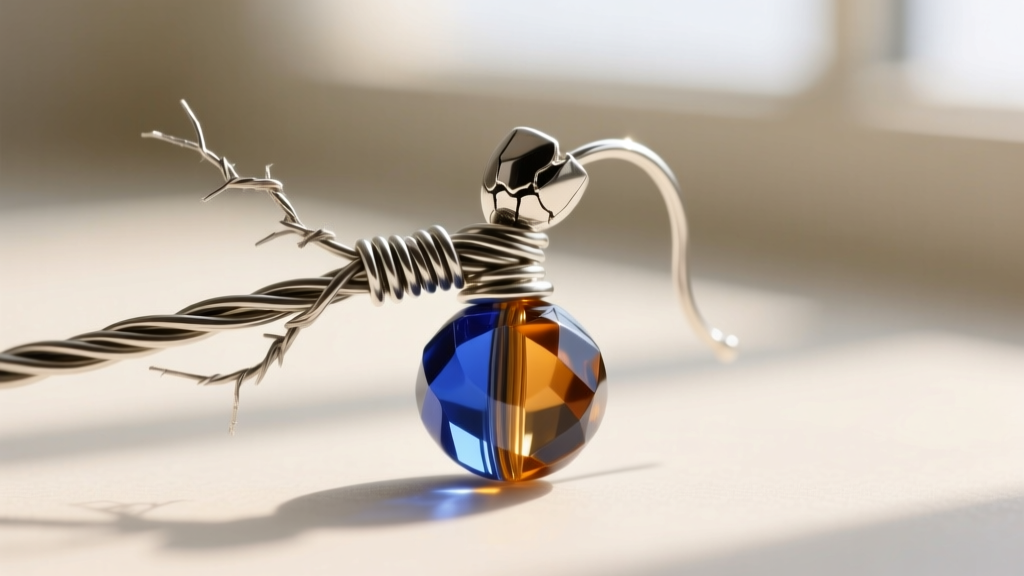
Crimp Bead Slippage
When using flexible beading wire, the crimp bead is the only thing keeping your design from unraveling. A common beginner mistake is using flat-nose pliers to simply crush the crimp bead. This creates a sharp, folded edge that acts like a pair of scissors against the steel wire, eventually slicing through it over time. Instead, use a dedicated micro-crimping tool to fold the crimp bead into a neat, rounded tube, and always apply a microscopic drop of flexible jewelry adhesive (like E6000 Fabri-Tac or a specialized cyanoacrylate) inside the crimp before securing it.
Jump Ring Distortion
If your beaded dangle connects to the ear wire via a jump ring, that jump ring must be soldered closed or twisted shut using a high-tension locking mechanism. Pulling a jump ring open side-to-side (rather than twisting it like a door hinge) warps the circle into an oval, creating a permanent weak point that will easily pull apart when caught on a sweater.
Deep Cleaning Techniques by Bead Material
Once your earrings are expertly crafted, maintaining their brilliance requires a nuanced approach to cleaning. The biggest mistake makers and wearers make is treating all beads equally. A cleaning solution that makes glass sparkle will permanently ruin a porous gemstone. The Gemological Institute of America (GIA) emphasizes that gemstone porosity and Mohs hardness must dictate your cleaning protocol.
Non-Porous Materials (Glass, Crystal, Quartz, Glazed Ceramic)
These materials are highly durable and can withstand gentle surfactants.
- The Solution: Mix 3 drops of mild, phosphate-free dish soap (like Dawn Platinum) into a bowl of lukewarm distilled water.
- The Technique: Soak the earrings for 3 to 5 minutes. Use a soft-bristled baby toothbrush to gently agitate the dirt trapped around the crimp beads and wire wraps.
- Drying: Pat dry with a microfiber cloth. Ensure no moisture is trapped inside the bead holes, as this can rust the steel stringing wire from the inside out.
Porous and Organic Materials (Turquoise, Lapis Lazuli, Pearls, Wood, Bone)
Porous stones act like sponges. If you soak turquoise in soapy water, it will absorb the chemicals, leading to permanent discoloration and structural weakening.
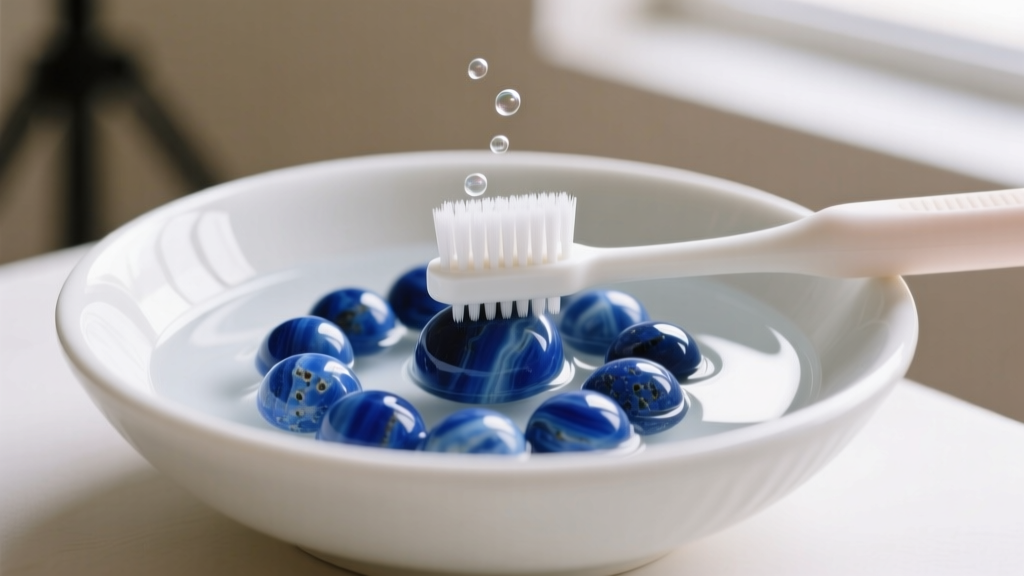
- The Solution: Use only a slightly damp, lint-free cotton cloth. No soaps, no ultrasonic cleaners, and absolutely no ammonia-based glass cleaners.
- The Technique: Gently wipe the surface of the beads. For pearls, the natural oils from your skin are actually beneficial, but they must be wiped down after every wear to prevent the buildup of acidic sweat, which can dissolve the nacre over time.
- Wood and Bone: These organic materials can dry out and crack. Once a year, apply a microscopic amount of food-grade mineral oil or specialized bead wax using a cotton swab, let it sit for ten minutes, and buff it off to restore the natural luster and prevent desiccation.
Routine Maintenance and Storage Protocols
Proper storage is the unsung hero of jewelry maintenance. When asking how do i make beaded earrings that retain their retail-quality finish, the answer heavily involves how they are stored when not in use.
Humidity and Tarnish Control
If your earrings feature sterling silver wire wraps or copper accents, oxidation is your primary enemy. Store your beaded earrings in individual, airtight polyethylene ziplock bags with a 3M anti-tarnish strip. Avoid storing jewelry in the bathroom, as the extreme fluctuations in humidity and temperature from showers will accelerate the tarnishing process and can cause certain dyed beads to bleed.
Preventing Wire Kinking and Tangling
Dangle earrings should always be stored hanging or laid perfectly flat. If you toss beaded earrings into a communal jewelry box, the flexible beading wire will inevitably bend. Once a 49-strand steel wire develops a sharp kink, the structural integrity of that specific strand is compromised, and it will eventually snap under the tension of the beads. Use a dedicated earring tree or a velvet-lined tray with individual compartments to keep dangles separated and straight.
Restringing: Knowing When Cleaning Isn't Enough
Even with perfect care, stringing materials have a lifespan. FireLine braided thread can degrade from UV exposure over several years, and steel beading wire can suffer from metal fatigue. As a general rule, if you make and sell beaded earrings, you should advise your clients to have them inspected and potentially restrung every three to five years if worn weekly. Signs that an earring needs immediate restringing include visible fraying near the crimp bead, a stiff or kinked drape in the bead strand, or a noticeable gap between the beads that wasn't there when the piece was newly crafted.
Final Thoughts on Handmade Earring Preservation
Mastering how do i make beaded earrings is a journey that extends far beyond the initial assembly. By selecting the correct wire tempers, utilizing proper crimping mechanics, and adhering to strict, material-specific cleaning protocols, you elevate your craft from simple hobbyist assembly to professional jewelry design. Treat your materials with respect, understand their chemical and physical limitations, and your handmade beaded earrings will remain beautiful, durable, and ready to wear for years to come.


