Marc Jacobs Stud Earrings: A 2026 Material Guide
An expert metallurgical analysis of Marc Jacobs stud earrings, covering base metals, plating thickness, post grades, and long-term durability.

The Metallurgy of Fashion: Decoding Marc Jacobs Stud Earrings
Marc Jacobs stud earrings occupy a highly specific tier in the jewelry market: premium fashion jewelry. Unlike fine jewelry crafted from solid 14k gold or platinum, these pieces rely on complex layering techniques, base metal alloys, and synthetic embellishments to achieve a high-end aesthetic at an accessible price point. For collectors and daily wearers in 2026, understanding the exact material composition of these earrings is critical for managing expectations regarding longevity, skin sensitivity, and tarnish resistance.
This guide deconstructs the material properties of Marc Jacobs studs, moving beyond marketing terms to examine the actual metallurgical and gemological realities of their construction.
Base Alloys and Plating Technologies
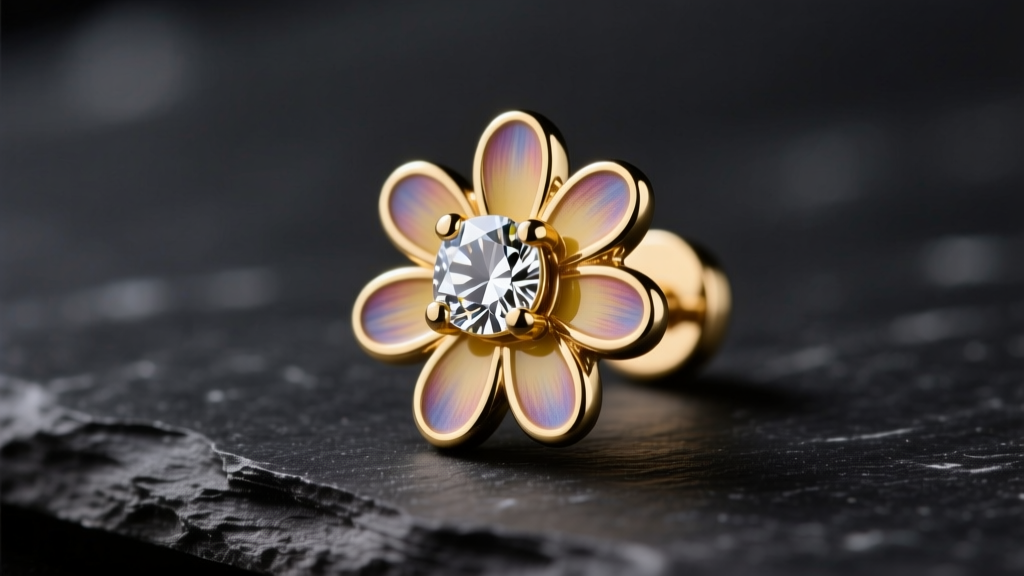
The foundation of most Marc Jacobs stud earrings is a cast base metal. The brand predominantly utilizes jeweler’s brass (an alloy of copper and zinc) or zinc-based pewter alloys for the decorative heads of their studs. Brass is favored in fashion jewelry for its excellent castability, allowing for the intricate details seen in the brand's signature Daisy or Snapshot logo motifs.
Electroplating vs. PVD Coatings
Once cast, the base metal requires a surface finish. Marc Jacobs typically employs traditional electroplating. A gold-tone stud will feature a microscopic layer of 14k or 18k gold alloy suspended over the brass, often with a palladium or nickel barrier layer beneath to prevent the copper from migrating to the surface and causing a green skin reaction.
- Flash Plating: Many seasonal fashion studs utilize flash plating, which deposits a layer of gold measuring less than 0.175 microns. This provides brilliant initial color but wears through quickly with daily friction.
- Heavy Gold Electroplate (HGE): Core collection pieces may feature up to 2.5 microns of gold plating, offering significantly better resistance to the acidic pH of human skin.
- Rhodium Flash: For silver-tone studs, a rhodium flash is standard. Rhodium is a platinum-group metal that provides a brilliant, tarnish-resistant white finish, though it is incredibly thin and will eventually wear to reveal the underlying brass or silver-tone alloy.
The Post and Backing: Navigating Hypoallergenic Claims
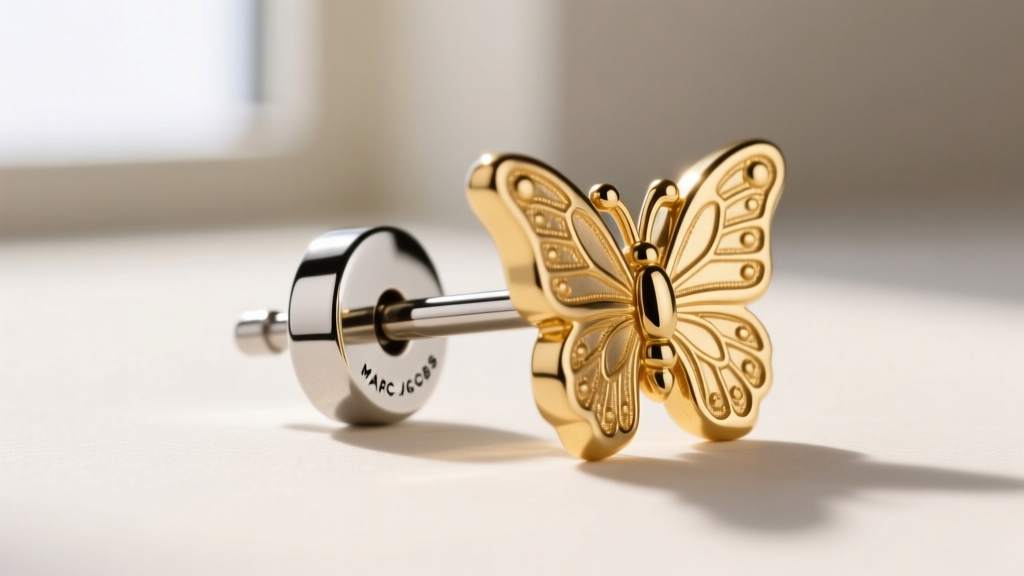
One of the most common points of confusion regarding designer fashion earrings is the material of the actual post (the wire that pierces the ear). While the decorative head is brass, the post must comply with strict international nickel-release regulations, such as the EU Nickel Directive (EN 1811).
Surgical Stainless Steel (316L) vs. Titanium
To prevent contact dermatitis, Marc Jacobs generally fabricates the earring posts from 316L surgical stainless steel. This specific grade of steel contains molybdenum, which increases corrosion resistance, and its nickel content is tightly bound within the crystalline structure, meaning it releases less than 0.5 micrograms of nickel per square centimeter per week—the safe threshold for sensitive ears.
However, 316L steel is not completely nickel-free. For wearers with severe nickel allergies, titanium (Grade 23 Ti-6Al-4V ELI) is the only truly safe alternative, a material typically reserved for dedicated body-jewelry brands rather than mainstream fashion houses. Furthermore, the friction backs (butterfly clutches) are often stamped brass with a matching gold or rhodium plate, which can degrade faster than the steel post due to constant mechanical friction during insertion and removal.
Embellishments: Cubic Zirconia, Enamel, and Acrylic
Marc Jacobs studs frequently incorporate non-precious embellishments to mimic the look of fine gemstones or to add vibrant, brand-specific colors.
Cubic Zirconia (CZ) Properties
The brand uses machine-cut Cubic Zirconia rather than glass or Swarovski crystal for its pavé and center stones. CZ scores an 8.5 on the Mohs hardness scale, making it highly resistant to scratching from daily wear. Unlike glass (Mohs 5.5), CZ will not become cloudy from micro-abrasions over time. However, CZ is oleophilic (attracts oils), meaning it requires regular cleaning with a mild degreaser to maintain its high refractive index (2.15–2.18) and brilliance.
Enamel and Resin Vulnerabilities
For colorful designs, such as the iconic Daisy studs, the brand uses either cold enamel (an epoxy resin) or vitreous enamel (fused glass powder). Cold enamel is more common in mass-produced fashion jewelry. While it provides vibrant, opaque color, it has a low impact resistance. Dropping a resin-enameled stud on a hard tile floor can cause micro-fractures or chipping that cannot be polished out, unlike solid metals.
Material Comparison: Fashion vs. Semi-Fine vs. Fine
To contextualize the material value of Marc Jacobs studs, it is helpful to compare their construction against other tiers of the jewelry market. The table below outlines the structural differences you can expect in 2026.
| Material Property | Marc Jacobs (Fashion) | Mejuri / Gorjana (Semi-Fine) | Tiffany & Co. (Fine) |
|---|---|---|---|
| Base Metal | Jeweler's Brass / Zinc Alloy | Recycled 925 Sterling Silver | Solid 18k Gold / Platinum |
| Surface Finish | Gold/Rhodium Electroplate | Heavy 14k Gold Vermeil (2.5µm+) | Solid Alloy (No plating) |
| Post Material | 316L Surgical Steel | Sterling Silver or 14k Gold | Solid 18k Gold or Platinum |
| Stone Setting | Glued / Prong-set CZ | Prong-set CZ / Lab Diamonds | Prong/Bezel Natural Diamonds |
| Expected Lifespan | 1–3 Years (with daily wear) | 5–10 Years (with maintenance) | Generational / Heirloom |
| Typical Price Range | $45 – $125 USD | $48 – $150 USD | $350 – $1,500+ USD |
Failure Modes and Preventative Maintenance
Because Marc Jacobs studs rely on a thin metallic veneer over a reactive base metal, their primary failure mode is galvanic corrosion and plating wear. When the gold or rhodium plating wears thin, the underlying copper in the brass reacts with the sulfur and chlorides in human sweat, resulting in the dreaded "green ear" effect and a dull, dark tarnish on the jewelry itself.
Actionable Care Protocols
To maximize the lifespan of the electroplating and preserve the structural integrity of the embellishments, adhere to the following maintenance framework:
- The 30-Minute Rule: Apply perfumes, hairsprays, and acidic skincare serums at least 30 minutes before putting on your studs. Alcohol and salicylic acid will rapidly strip flash-plated gold and degrade cold enamel resins.
- Friction Management: Never sleep in Marc Jacobs studs. The friction against a cotton pillowcase acts as a mild abrasive, accelerating the wear of the rhodium or gold micron layer on the high points of the design.
- Chemical Cleaning Bans: Avoid commercial silver dips or ultrasonic cleaners. The harsh thiourea chemicals in silver dips will strip gold plating instantly, and ultrasonic vibrations can shake loose the epoxy adhesives securing the CZ stones.
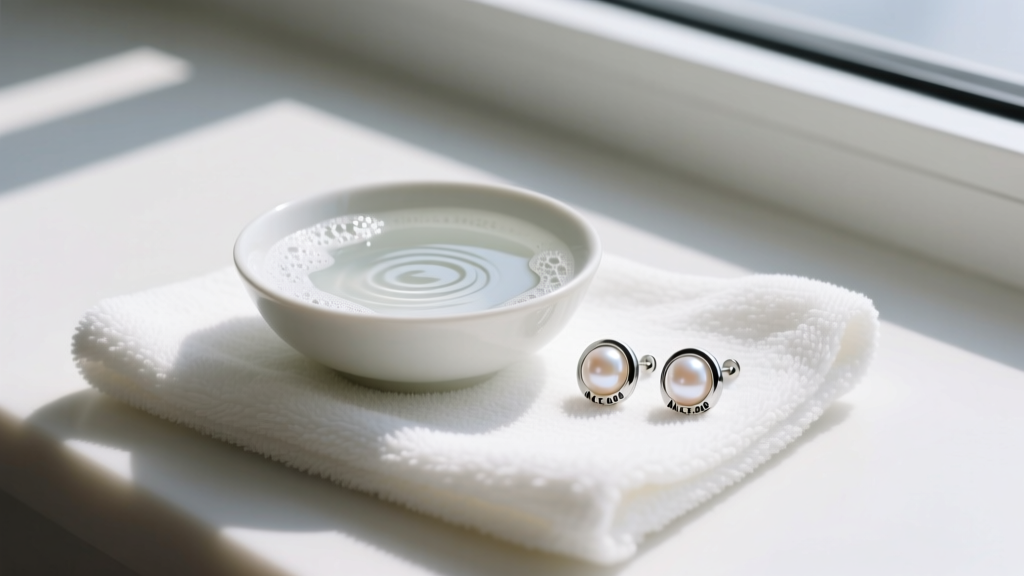
- Proper Wiping: After each wear, gently wipe the earring head with a dry, lint-free microfiber cloth to remove sebum and skin acids before storing it in an airtight, anti-tarnish ziplock bag.
The Final Verdict on Material Value
Marc Jacobs stud earrings offer exceptional design recognition and trend relevance, but they must be evaluated strictly as fashion accessories rather than material investments. The use of 316L steel posts ensures a baseline of hypoallergenic safety for the majority of wearers, while the brass and CZ construction keeps the price point accessible. By understanding the limitations of electroplated brass and treating the pieces with the specific care protocols outlined above, wearers can easily extend the vibrant life of their favorite studs well beyond the typical fashion jewelry lifecycle.


